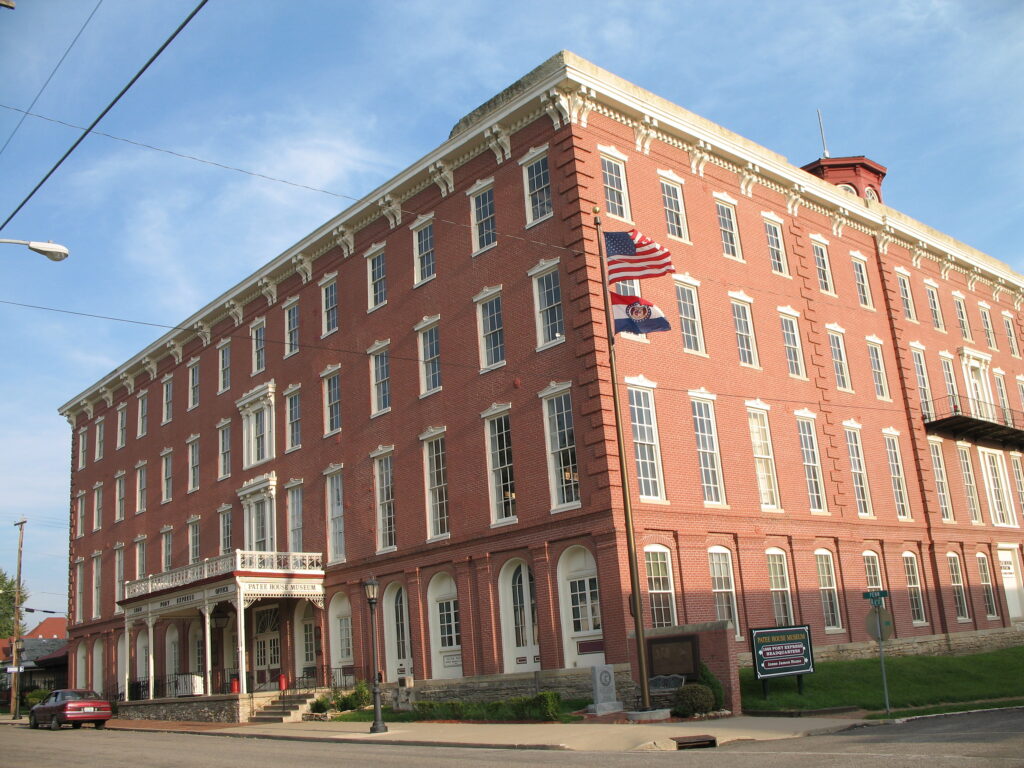
1. Neon Motel Signs
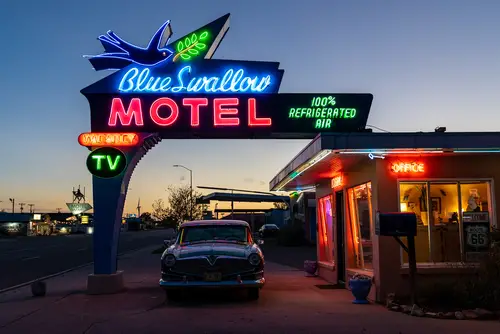
Bright neon motel signs once lit up highways across America. They advertised vacancy, air conditioning, and color TV to passing drivers. These signs peaked during the mid-20th-century road trip boom. They’re included because they symbolized American car culture and travel freedom.
Interstate highways and chain hotels made many independent motels obsolete. Neon fell out of favor due to maintenance costs and zoning rules. Some signs survive as restored landmarks or art pieces. Their decline marks the end of a more personal roadside America.
2. Printed Phone Books
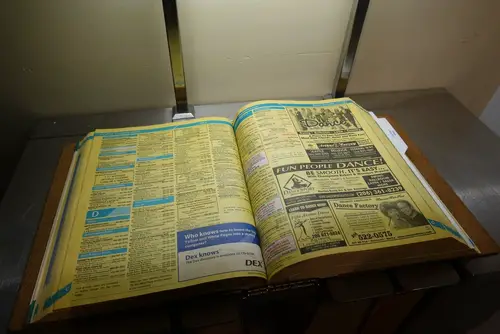
The arrival of a phone book on your doorstep was once as predictable as the changing seasons. These massive directories listed nearly every household and business in town, often split into White Pages and Yellow Pages. Before internet search, this was how you found a plumber, a pizza place, or a long-lost acquaintance. They belong on this list because they were a universal reference tool in American homes for decades.
Phone books were also oddly physical objects, used as booster seats, doorstops, or monitor stands. Businesses competed fiercely for bigger Yellow Pages ads because visibility meant survival. As online search and smartphones took over, the books shrank and then vanished almost entirely. Their absence reflects how quickly digital convenience replaced shared public information.
3. Public Pay Phones
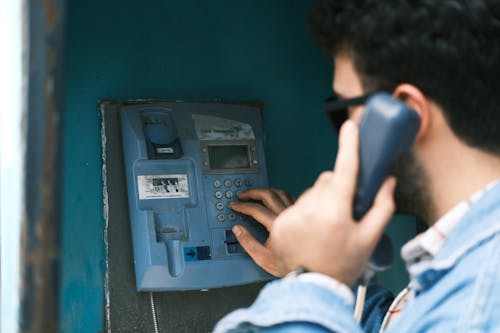
Pay phones once lined city sidewalks, gas stations, airports, and shopping malls. You could always count on finding one in an emergency, provided you had change. For much of the 20th century, they were essential for travelers and teens checking in with parents. They’re included because they were a visible, everyday part of the American streetscape.
Using a pay phone meant memorizing numbers or writing them down ahead of time. Calls were timed, and the pressure to finish before coins ran out was very real. As mobile phones spread in the late 1990s and early 2000s, pay phones became redundant almost overnight. Their removal changed how public space functions in quiet but lasting ways.
4. Rabbit-Ear TV Antennas
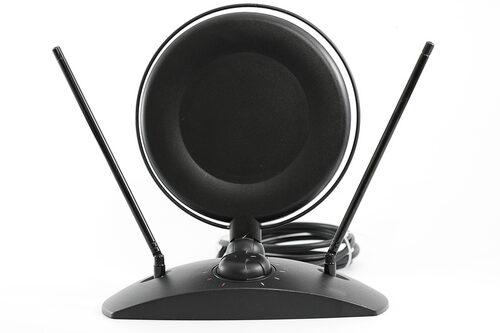
Before cable was standard, most televisions relied on metal “rabbit ear” antennas perched on top of the set. Adjusting them was a whole-body activity, often involving foil, patience, and shouted instructions from across the room. These antennas were common in American living rooms from the 1950s through the 1980s. They make the list because they represent a hands-on era of home entertainment.
Reception quality depended on geography, weather, and sheer luck. Families often arranged furniture around where the signal worked best. The rise of cable and satellite TV made antennas feel obsolete, even though over-the-air broadcasting still exists. Their disappearance tracks the shift toward subscription-based viewing.
5. VHS Tapes and VCRs
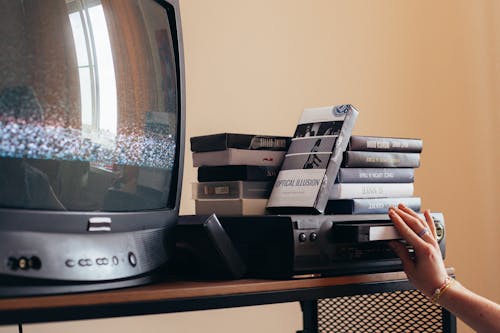
VHS tapes once filled shelves in living rooms and video rental stores across the country. Recording shows, labeling tapes, and rewinding before returning them were normal weekly rituals. By the late 1980s and 1990s, VCRs were standard household electronics. They’re included because they fundamentally changed how Americans watched movies and television.
Video quality degraded over time, and tracking issues were a constant annoyance. Still, VHS allowed for time-shifting, which felt revolutionary. DVDs and later streaming services made tapes impractical and bulky by comparison. The format’s fall shows how fast media habits can evolve.
6. Cigarette Vending Machines
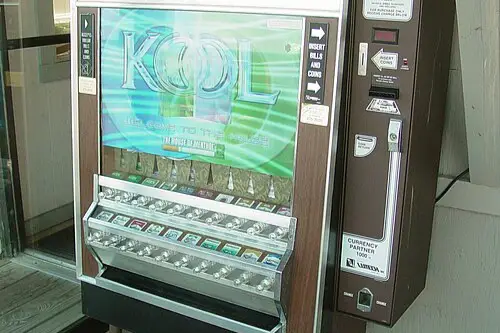
Cigarette vending machines were once common in bars, restaurants, and bowling alleys. With a few coins, adults could discreetly buy a pack without visiting a counter. These machines were widespread through the mid-20th century. They’re on this list because they reflect a very different cultural attitude toward smoking.
As health concerns grew and age-verification laws tightened, the machines became controversial. Many states restricted or banned them due to youth access. By the early 2000s, they were largely gone from public view. Their disappearance mirrors changing public health priorities.
7. Drive-In Movie Theaters
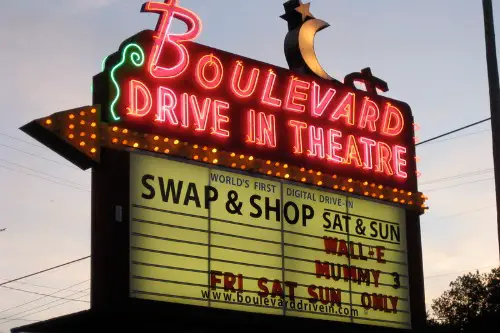
Drive-in theaters were once a staple of American leisure, especially in the 1950s and 1960s. Families and couples watched movies from their cars, often with speakers hooked onto the window. At their peak, thousands operated across the United States. They belong here because they defined a uniquely American social experience.
Changing land values and the rise of multiplex theaters made drive-ins less viable. Many closed or were redeveloped into shopping centers. A small number still operate, often as nostalgic attractions. Their decline reflects shifts in entertainment economics and suburban development.
8. Manual Typewriters
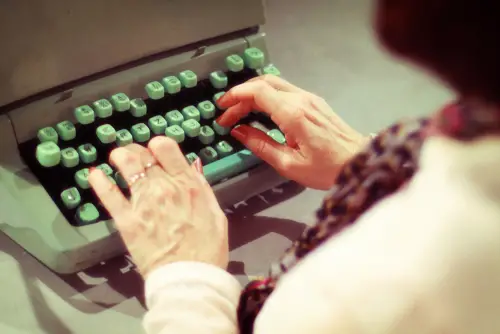
Typewriters were once essential tools in offices, schools, and homes. Learning to type meant mastering mechanical keys and correcting mistakes with white-out or correction tape. From the early 1900s through the 1970s, they were standard equipment. They’re included because they shaped how Americans wrote and worked.
Typewriters required physical effort and deliberate pacing. They also produced a distinctive look that’s still associated with official documents. Word processors and personal computers made them impractical almost overnight. Their disappearance marks the beginning of fully digital writing.
9. Encyclopedia Sets
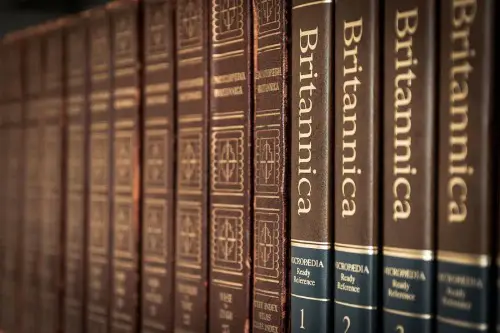
Multi-volume encyclopedia sets once occupied a place of honor on family bookshelves. Parents bought them as educational investments, often through door-to-door sales. For generations, they were a primary source of general knowledge at home. They make the list because they represent pre-internet information culture.
Updating knowledge meant buying costly supplemental volumes. Kids used them for school reports, even when the information was slightly outdated. Online encyclopedias and search engines made instant updates possible. Physical sets slowly disappeared as a result.
10. Polaroid Instant Cameras
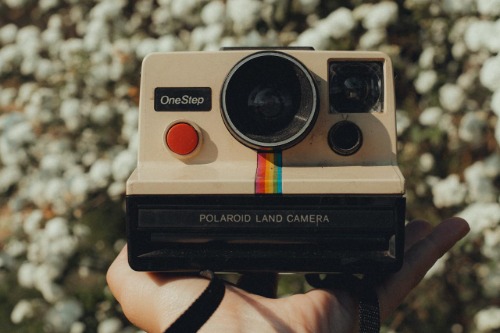
Polaroid cameras made it possible to take a photo and hold it minutes later. From the 1960s through the 1980s, they were common at parties, schools, and family gatherings. The novelty of instant development felt magical at the time. They’re included because they changed how Americans interacted with photography.
Film was expensive, so each shot mattered. Photos were unique, with no negatives for easy duplication. Digital cameras and smartphones eventually replaced instant film for convenience. While Polaroids still exist, they’re no longer an everyday object.
11. Metal TV Trays

Fold-out metal TV trays were once a standard piece of living room furniture. Families used them to eat dinner while watching evening television. They were inexpensive, portable, and easy to store. They belong here because they supported a specific era of family TV culture.
The trays often featured decorative designs or faux wood patterns. As open-plan kitchens and dining habits changed, their use declined. Coffee tables and kitchen islands replaced them in most homes. Their absence reflects how domestic spaces evolved.
12. Rotary Telephones
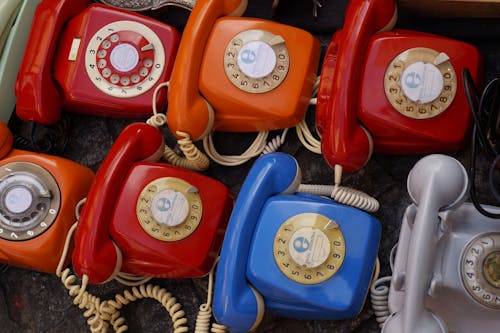
There was a time when nearly every home had a heavy rotary phone anchored to a kitchen wall or hallway table. You dialed by spinning a numbered wheel, and the process took long enough that you memorized numbers whether you wanted to or not. These phones were standard from the 1920s through the 1970s, supplied by local phone companies as part of your service. They’re included here because they shaped how Americans communicated daily, right down to the phrase “dialing” a number.
They were built like tanks, often working for decades without repair. Cord length was a household negotiation, especially if you wanted privacy. When push-button phones arrived, rotary models quickly felt outdated even though they still worked perfectly. Their disappearance marks the shift from shared, stationary communication to personal and portable tech.
This post 12 Pieces of Americana That Used to Be Everywhere was first published on American Charm.