
1. Gatlinburg, Tennessee
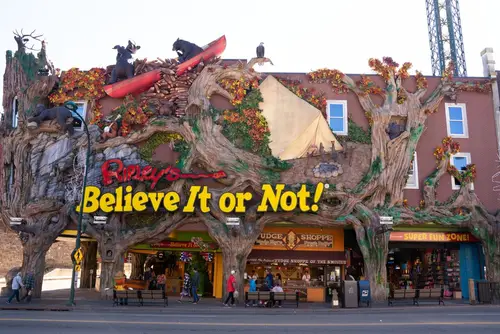
Gatlinburg operates as a classic weekend escape for people living within a day’s drive. The gateway town to Great Smoky Mountains National Park sees its highest volume from Friday through Sunday. Hotels, cabins, and attractions are priced and staffed with weekend demand in mind. Traffic patterns into town famously spike on Friday afternoons.
Tourist attractions like Ripley’s museums, ski lifts, and arcades rely on short stays. Most visitors don’t take long vacations here—they come for a quick reset. Seasonal events are scheduled to maximize weekend attendance. Gatlinburg’s economy rises and falls on those brief but intense visits.
2. Las Vegas, Nevada
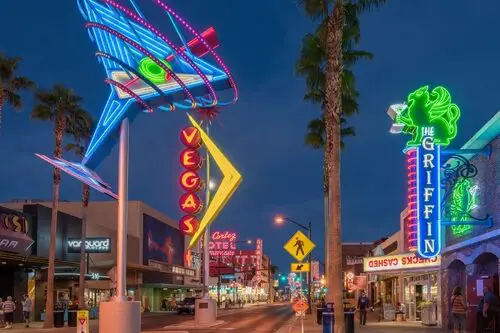
Las Vegas is the clearest example of a city engineered around short, high-intensity trips. The majority of visitors arrive for two or three nights, typically Thursday through Sunday, and the hospitality industry is built to turn those weekends into maximum revenue. Hotel pricing, show schedules, and major sporting events are all calibrated to peak from Friday night to Sunday afternoon. Even the airport traffic patterns reflect this rhythm, with Sunday being one of the busiest departure days.
Casinos depend heavily on weekend visitors who spend more per day than weekday convention travelers. Headliner residencies, championship boxing matches, and NFL games are deliberately scheduled to fill hotel towers on weekends. Restaurants and clubs make a disproportionate share of their annual income during those same windows. The result is an economy where weekends don’t just help—they define the business model.
3. Nashville, Tennessee
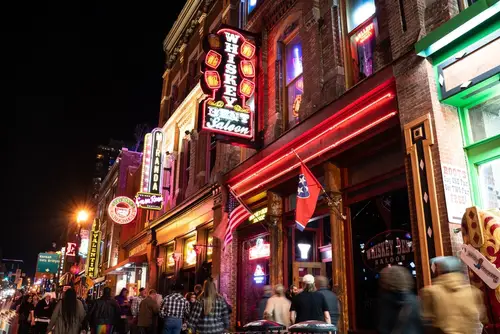
Nashville has become synonymous with the modern American weekend getaway. The city’s economy has been reshaped by bachelor and bachelorette parties arriving in waves from Friday to Sunday. Broadway’s honky-tonks operate almost entirely on short-stay tourism rather than extended vacations. Hotels, pedal taverns, party buses, and rooftop bars all exist primarily for weekend traffic.
Live music is scheduled strategically, with headline acts and special events clustered around weekends. Short-term rentals exploded precisely because most visitors only need a bed for two nights. Restaurants and bars report that weekends can account for the majority of their weekly revenue. Nashville didn’t just attract weekend visitors—it reorganized itself around them.
4. New Orleans, Louisiana
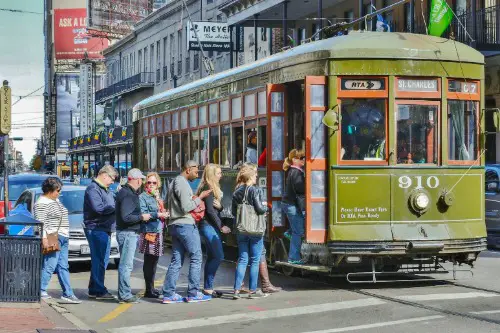
New Orleans has long thrived on visitors who come for a few intense days and leave wanting more. The city’s festival calendar is packed with weekend events like Jazz Fest, Essence Festival, and Mardi Gras parades. Hotels often run near capacity on weekends while weekday occupancy drops noticeably. The French Quarter and surrounding neighborhoods are built for constant turnover.
Food, music, and nightlife businesses rely on weekend crowds to offset slower periods. Many service workers plan their income around high-earning Friday and Saturday shifts. Airline schedules and pricing reflect predictable weekend surges into Louis Armstrong Airport. New Orleans functions as a city where weekends are the economic engine, not the exception.
5. Branson, Missouri
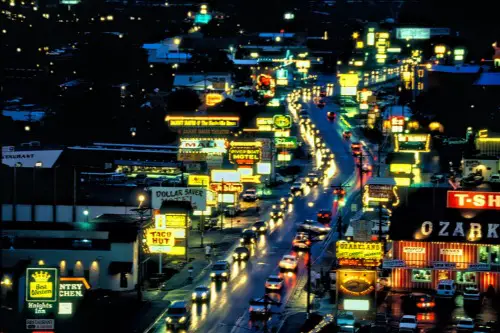
Branson’s economy was designed from the ground up for short, family-friendly visits. Most tourists arrive on Friday, see multiple shows on Saturday, and leave Sunday. The city’s theaters schedule their biggest performances on weekends to match this flow. Hotels, attractions, and restaurants all peak sharply over two- and three-day stays.
Live entertainment is the backbone of Branson’s economy, and it thrives on packed weekend houses. Theme parks like Silver Dollar City structure seasonal festivals around weekend attendance. Local employment is heavily tied to these predictable surges. Without weekend travelers, Branson’s economic model simply wouldn’t work.
6. Wisconsin Dells, Wisconsin
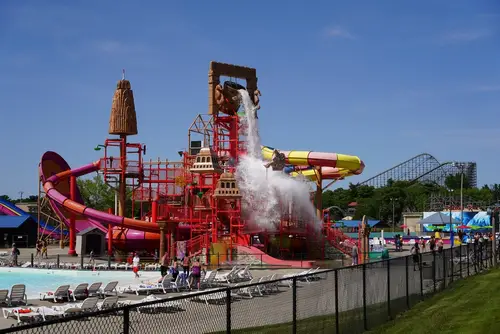
Wisconsin Dells built its identity around weekend family travel from nearby Midwest cities. Indoor water parks were developed specifically to turn short trips into year-round revenue. Families often arrive Friday night and leave Sunday after squeezing in as much as possible. Resorts price their packages around two-night stays.
The city’s attractions, from water parks to boat tours, see dramatic weekend spikes. Local employment is heavily tied to hospitality roles that peak on Saturdays. Restaurants and entertainment venues depend on quick-turn guests rather than long-term tourists. Wisconsin Dells is a textbook example of a weekend-driven destination economy.
7. Myrtle Beach, South Carolina
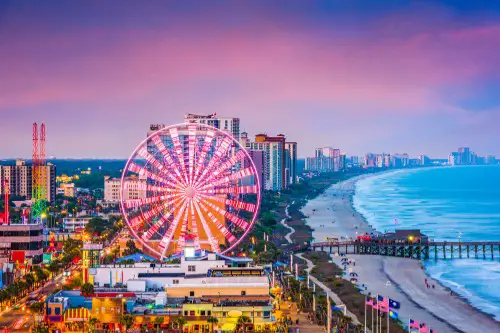
Myrtle Beach thrives on short coastal escapes rather than extended stays. Many visitors drive in for long weekends, especially during spring and summer. Hotels, golf courses, and boardwalk attractions see their highest returns from Friday to Sunday. Seasonal festivals and tournaments are intentionally scheduled over weekends.
Golf tourism in particular revolves around quick trips, not week-long vacations. Restaurants and nightlife concentrate staffing and promotions around weekend crowds. The city’s infrastructure is built to handle sharp influxes of visitors. Myrtle Beach’s economy depends on volume weekends to carry the slower weekdays.
8. Atlantic City, New Jersey
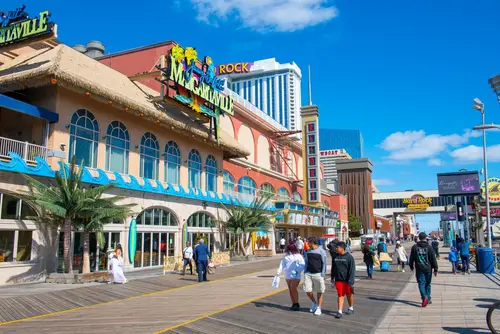
Atlantic City was designed as a weekend casino destination for nearby urban centers. Most visitors come from New York and Philadelphia for short stays. Casinos generate a significant portion of their revenue on Friday and Saturday nights. Hotel occupancy drops sharply during the week outside of special events.
Entertainment residencies and boxing matches are scheduled to drive weekend bookings. Restaurants and nightlife venues depend on gamblers staying overnight. The boardwalk economy fluctuates based on weekend foot traffic. Atlantic City’s survival has long depended on turning weekends into profit.
9. Key West, Florida
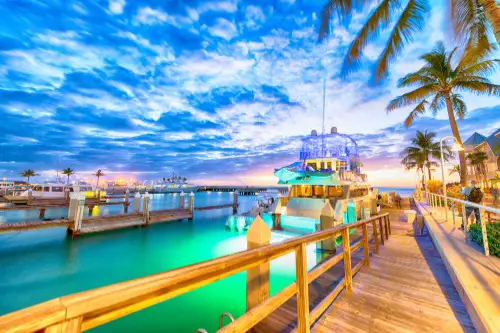
Key West operates on a steady rhythm of short tropical getaways. Many visitors fly in for extended weekends rather than full weeks. Hotels, bars, and water-based tours peak from Friday through Sunday. Sunset celebrations and nightlife are designed to capture those brief stays.
The island’s service economy depends on high-spending, short-term visitors. Cruise ship arrivals add another layer of weekend-driven activity. Festivals and events are often timed to encourage long weekends. Key West’s economy thrives on constant turnover rather than long-term tourism.
10. Scottsdale, Arizona
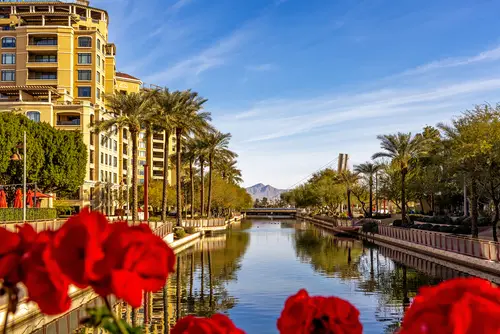
Scottsdale has become a premier weekend escape for spa-goers and golfers. Visitors often arrive Thursday night and leave Sunday afternoon. Resorts and golf courses structure tee times and treatments around weekend demand. Seasonal events like spring training games amplify those patterns.
Nightlife and dining districts see their biggest crowds on weekends. Bachelor and bachelorette parties are a growing part of the local economy. Hotels rely on premium weekend pricing to stay profitable. Scottsdale’s economy has evolved to serve short, high-value visits.
11. Park City, Utah
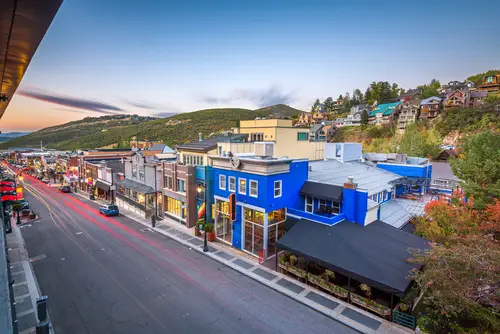
Park City’s tourism economy revolves around weekend ski trips. Many visitors come from Salt Lake City or neighboring states for two-day stays. Ski resorts see their highest ticket sales on Saturdays and Sundays. Lodging prices and staffing levels reflect that imbalance.
Festivals like Sundance create intense weekend surges that define the year. Restaurants and shops depend on packed weekends to offset quieter weekdays. Seasonal workers plan their schedules around these peaks. Park City’s economy is fundamentally shaped by weekend travel behavior.
12. Napa Valley, California
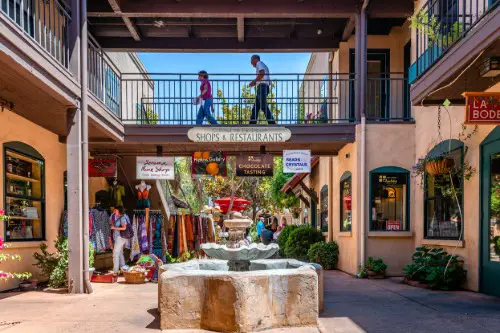
Napa Valley is structured almost entirely around weekend wine tourism. Visitors typically arrive for tastings on Friday or Saturday and leave Sunday. Wineries schedule special experiences and limited tastings for peak days. Hotel rates often double on weekends compared to weekdays.
Restaurants and tasting rooms rely on weekend reservations to stay profitable. Many businesses close early or entirely during slower weekdays. Events like harvest festivals are planned to drive weekend traffic. Napa Valley’s economy is sustained by short, indulgent escapes rather than long vacations.
This post These U.S. Destinations Built Entire Economies Around Weekends was first published on American Charm.

