
1. Youngstown, Ohio
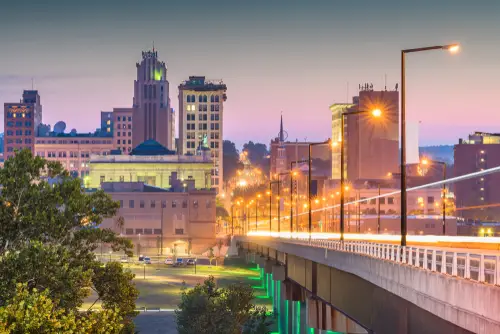
Youngstown’s identity changed dramatically after the collapse of the steel industry in the late 1970s. Major mills closed, and thousands of union jobs disappeared almost overnight. The region has diversified into education and healthcare, but employment levels never fully recovered. Residents still measure progress against the era when steel paid the bills.
There has been hope around additive manufacturing and logistics, but job growth has been incremental. Warehouses and small manufacturers help, yet they don’t anchor the economy the way steel once did. Youngstown State University supports innovation, but graduates often leave. The city is still waiting for a major employer to convince them to stay.
2. Flint, Michigan
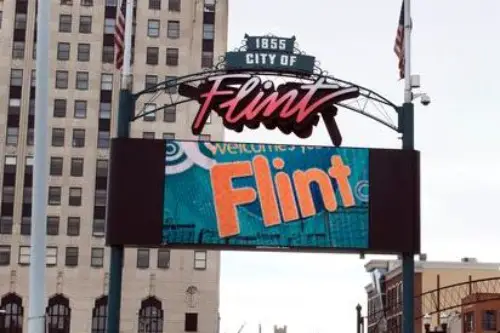
Flint is still defined by the long shadow of General Motors, which once employed tens of thousands of residents. Plant closures and downsizing over decades hollowed out the city’s industrial base and tax revenue. While healthcare and education employers have grown, none have matched the scale or wages of GM at its peak. Many locals still talk about a future employer that could finally replace what was lost.
The city has strong infrastructure for manufacturing, including rail access and an experienced workforce. Its challenges, from population loss to public trust issues, make major employers cautious. Economic development groups continue to court advanced manufacturing and mobility companies. Flint remains a place waiting for a single transformative hiring announcement.
3. Gary, Indiana
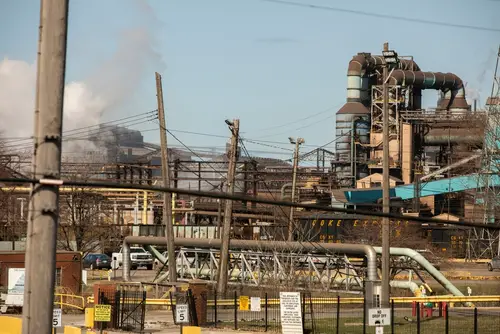
Gary was built around U.S. Steel, and the city rose and fell with that company’s fortunes. As steel production modernized and employment shrank, Gary lost population and revenue. The massive mill still operates, but with far fewer workers than in its heyday. That gap has never been fully filled.
The city’s location near Chicago and major transportation routes is often cited as its biggest asset. Casinos and public-sector jobs provide stability, but not large-scale growth. Plans for logistics or industrial redevelopment surface regularly. For now, Gary is still waiting on an employer that brings broad-based opportunity.
4. Beckley, West Virginia
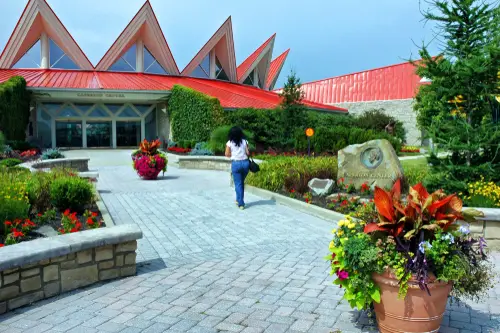
Beckley sits in the heart of southern West Virginia’s coal country. As coal employment declined due to mechanization and market shifts, jobs vanished across the region. Many mines closed or drastically reduced staffing. The economic impact is still visible in household incomes and outmigration.
Tourism and healthcare have added some jobs, but wages are often lower than historic mining work. Retraining programs exist, yet matching workers with comparable employment has been difficult. The region has energy infrastructure and available land. Beckley continues to hope for a new industry to step in at scale.
5. Pine Bluff, Arkansas
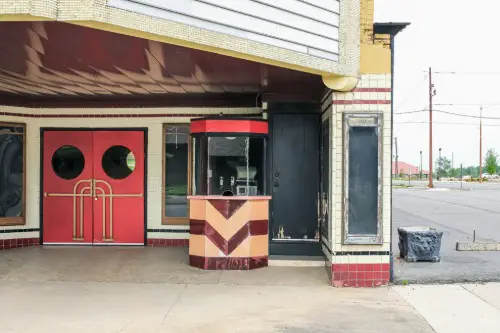
Pine Bluff once relied heavily on paper mills and manufacturing tied to the Arkansas River. The closure of the International Paper mill in 2008 was a major blow to local employment. The Pine Bluff Arsenal remains a significant employer, but its workforce has fluctuated. That instability leaves the local economy vulnerable.
The city has worked to attract logistics and food processing companies. Its port and rail connections are real advantages on paper. Still, job growth has been uneven and often modest. Pine Bluff is waiting for a large private employer to anchor its recovery.
6. Galesburg, Illinois
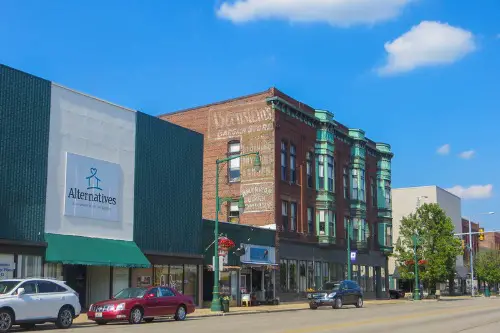
Galesburg was long known as the home of Maytag refrigerators. When Maytag shut down its plant in 2004, thousands of jobs disappeared. The loss rippled through local businesses and housing. It was the defining economic event of a generation.
BNSF Railway remains a major employer, providing some stability. Distribution centers and small manufacturers have filled parts of the gap. However, nothing has replaced the scale or identity of Maytag. Galesburg is still searching for its next defining employer.
7. Janesville, Wisconsin
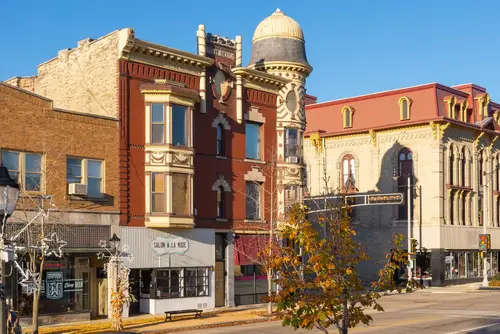
Janesville felt the impact of the Great Recession when General Motors closed its assembly plant in 2008. The factory had been a cornerstone of the local economy for decades. Its closure erased thousands of well-paying jobs at once. The community has been rebuilding ever since.
Some redevelopment has occurred on the old plant site, including smaller manufacturers and data-related facilities. Healthcare and education have grown as well. Even so, employment numbers and wages tell a slower recovery story. Many residents still hope for a major employer to return industrial scale to the city.
8. Danville, Virginia
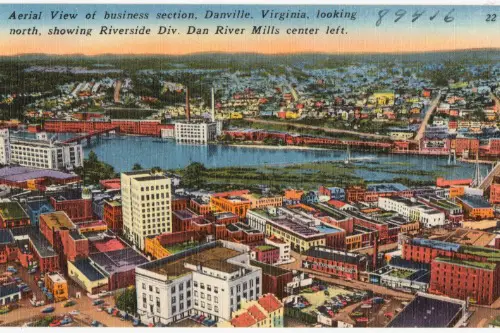
Danville was historically powered by tobacco processing and textile manufacturing. As those industries declined, factories closed and jobs moved overseas. The city lost population and saw downtown vacancy rise. Recovery has taken years and remains incomplete.
Danville has invested heavily in industrial parks and workforce training. Data centers and advanced manufacturing have shown interest, with some projects underway. Still, large-scale employment has been limited so far. The city is poised, but still waiting, for a true breakout employer.
9. Johnstown, Pennsylvania
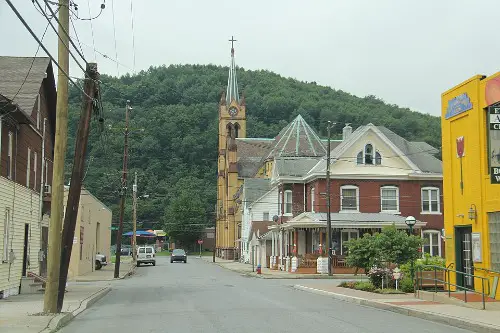
Johnstown’s story is inseparable from steel, especially Bethlehem Steel. When the mills closed in the late 20th century, the city lost its primary economic engine. Generations of skilled workers were suddenly without comparable jobs. The population steadily declined as a result.
Healthcare and education now form the backbone of the local economy. These sectors provide stability but not rapid growth. Efforts to attract manufacturing and energy-related firms continue. Johnstown remains in search of an employer that can shift its long-term trajectory.
10. East St. Louis, Illinois
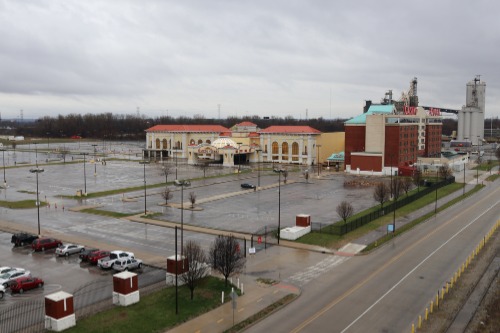
East St. Louis once thrived as an industrial and rail hub along the Mississippi River. Deindustrialization and suburbanization stripped away much of its job base. Major employers closed or relocated, leaving deep economic challenges. The effects are still felt today.
Its proximity to St. Louis and access to river transport are often cited as strengths. Public-sector employment and small businesses help, but scale is missing. Redevelopment plans come and go with limited follow-through. East St. Louis is still waiting for a major private employer to commit.
11. Niagara Falls, New York
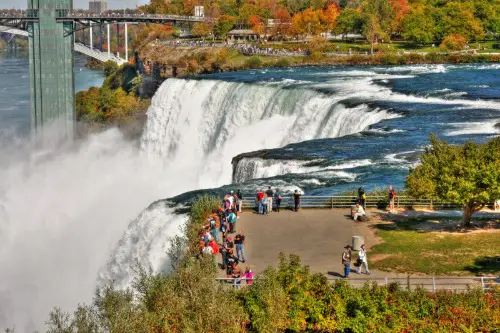
Niagara Falls was once a manufacturing powerhouse powered by cheap hydroelectric energy. Chemical plants and factories employed thousands through much of the 20th century. As industry declined, tourism became the dominant economic driver. Tourism jobs, however, often pay less and fluctuate seasonally.
The city continues to market its energy assets to advanced manufacturers. Some industrial activity remains, but far below historic levels. Officials frequently talk about attracting high-tech or clean energy firms. Niagara Falls is still hoping for an employer that balances tourism with stable, high-wage jobs.
12. Rockford, Illinois
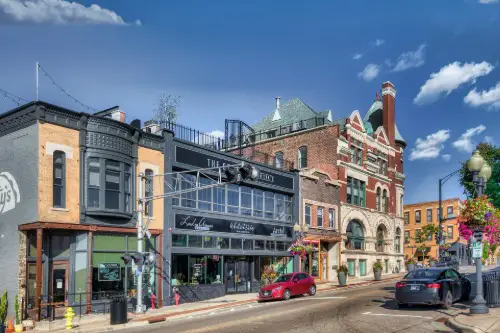
Rockford built its reputation on machine tools and manufacturing. Global competition and automation reduced employment over time. Several major plants closed or downsized, leaving gaps in the workforce. The city has worked hard to adapt.
Aerospace suppliers and precision manufacturing firms operate in the region. These companies are important but fragmented across many employers. Job growth has been steady rather than dramatic. Rockford is still waiting for a single employer to tip the scales.
13. Klamath Falls, Oregon
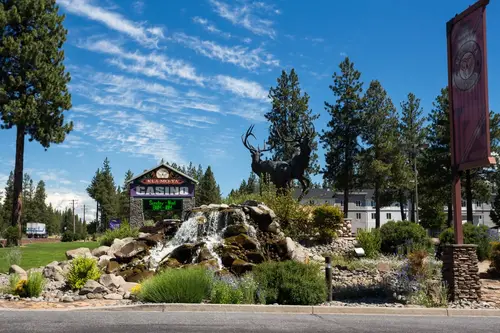
Klamath Falls depended heavily on the timber industry for decades. Mill closures and logging restrictions sharply reduced employment in the late 20th century. Many high-paying, union jobs disappeared from the area. The economic adjustment has been slow.
Oregon Institute of Technology is now a key employer and stabilizer. Geothermal energy and small manufacturing show promise. Still, job opportunities remain limited compared to the past. Klamath Falls continues to look for a large employer to diversify its economy.
14. Eureka, California
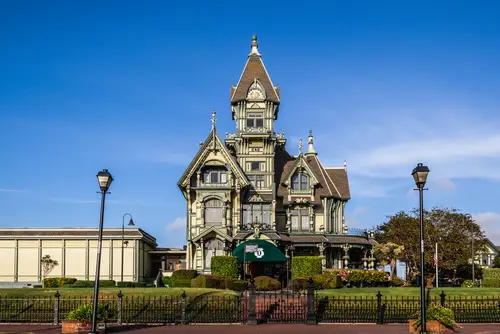
Eureka was once a major center for redwood logging and lumber milling. As the timber industry contracted, mills shut down and jobs vanished. Environmental regulations and market changes accelerated the decline. The local economy has struggled to replace that base.
Healthcare, government, and tourism now provide most employment. These sectors offer stability but limited upward mobility for many workers. The region’s isolation makes recruitment challenging. Eureka is still waiting for a major employer that fits its skills and geography.
This post These 14 American Towns Are Still Waiting for Their Next Big Employer was first published on American Charm.

