
1. Williamsburg, Virginia
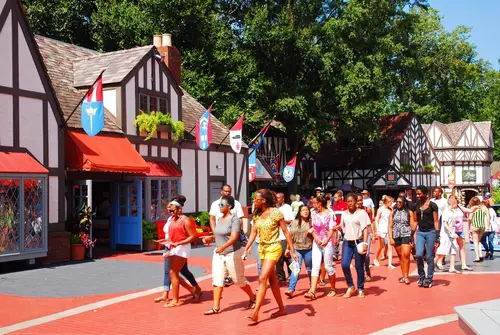
Colonial Williamsburg attracts millions of visitors each year. The surrounding area supports that with themed shops and souvenirs. Grocery stores are present but not central to the historic zone. That separation makes it a fitting entry.
Tourism focuses on immersion and experience. Retail reinforces the historical theme rather than daily life. Visitors aren’t expected to need full grocery runs. Those needs are met farther from the attractions.
2. Orlando, Florida
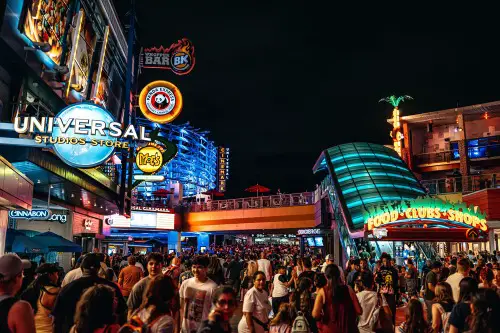
Orlando’s tourism economy revolves around theme parks that operate like self-contained worlds. Near Disney and Universal, souvenir shops cluster along highways and resort corridors. You’ll see T-shirts, mugs, and character plushies long before you see a traditional grocery store. That contrast is especially stark around International Drive.
Visitors usually rely on hotels, food courts, or park dining rather than grocery shopping. When groceries are needed, they’re typically delivered or found several exits away. The retail mix reflects short stays and impulse purchases instead of routine needs. Orlando’s layout makes it a classic example of tourism-first planning.
3. New Orleans, Louisiana
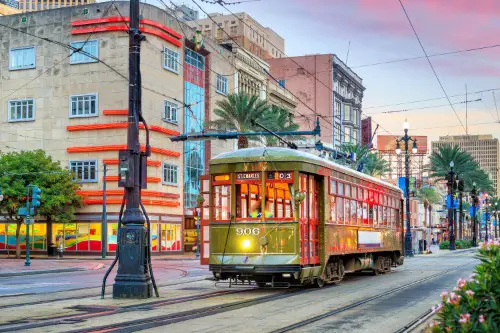
In the French Quarter, souvenir shops feel almost unavoidable. Blocks are packed with voodoo trinkets, Mardi Gras beads, and novelty hot sauce. Full grocery stores are scarce within the Quarter itself. That imbalance makes New Orleans an easy inclusion.
The neighborhood is designed for walking, dining, and nightlife, not stocking a fridge. Most residents shop in other parts of the city outside the tourist core. Corner stores exist, but they don’t replace a true supermarket. The Quarter’s economy clearly prioritizes visitors over everyday errands.
4. Honolulu, Hawaii
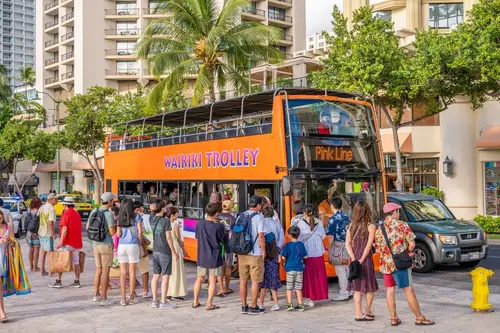
Waikīkī is one of the most tourist-saturated neighborhoods in the country. Souvenir shops selling aloha shirts and beach keepsakes line the main avenues. Large grocery stores are limited within the immediate Waikīkī area. That makes Honolulu feel lopsided in its most famous district.
Hotels and resorts assume guests will eat out or order in. Smaller markets exist, but selection and pricing reflect tourist demand. Locals typically shop in other neighborhoods like Kāhala or Kapahulu. The contrast highlights how tourism reshapes retail geography.
5. Key West, Florida
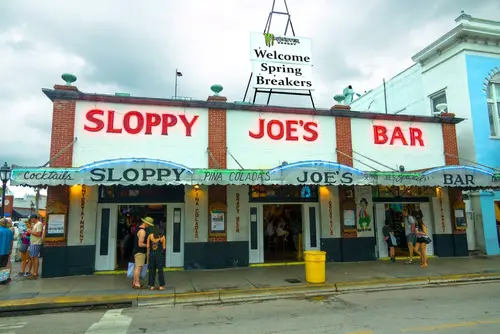
Key West’s Old Town is compact and heavily visitor-oriented. Duval Street alone hosts a dense run of souvenir and novelty shops. Grocery options in the historic core are limited and small. That makes the balance feel skewed toward trinkets over tomatoes.
Most visitors arrive for a few days and dine out exclusively. Retail caters to that pattern with rum cakes and T-shirts. Full grocery shopping usually requires leaving the busiest areas. Key West’s island layout amplifies the effect.
6. Gatlinburg, Tennessee

Gatlinburg, Tennessee is built almost entirely around tourism. Its main strip is lined with souvenir stores, candy shops, and themed attractions. Traditional grocery stores are not part of the downtown experience. That makes Gatlinburg one of the most obvious examples.
Visitors come for the Smoky Mountains and short stays. Cabin rentals often encourage shopping elsewhere before arrival. Downtown retail focuses on entertainment and memorabilia. Everyday necessities take a back seat.
7. Branson, Missouri
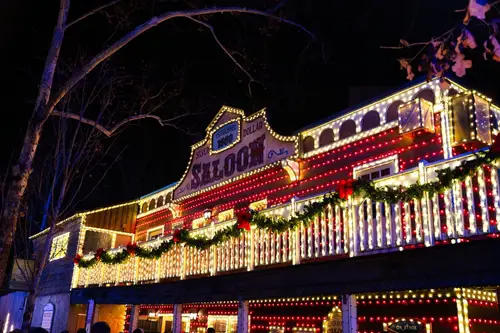
Branson, Missouri markets itself as a family-friendly entertainment hub. The city’s main commercial corridors are packed with shows and souvenir outlets. Grocery stores exist, but not where tourists spend most of their time. That disconnect earns Branson its place here.
Tourism centers around theaters, attractions, and resorts. Retail supports that with gift shops tied to specific shows. Visitors are funneled toward dining out rather than cooking. Normal retail patterns get pushed outward.
8. Niagara Falls, New York
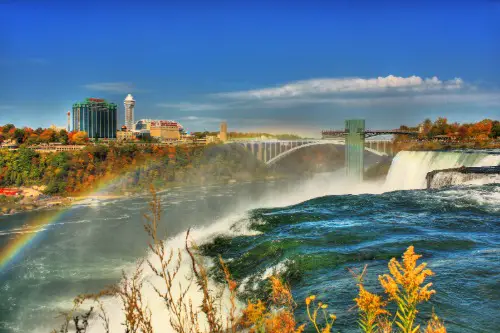
Near Niagara Falls State Park, souvenir shops dominate the streetscape. The area is built to capture short, high-volume visits. Full grocery stores are scarce near the main attractions. That imbalance is immediately noticeable.
Most visitors stay briefly and eat at nearby restaurants. Retail focuses on keepsakes tied to the Falls. Local shopping happens farther from the tourist zone. The contrast between visitor and resident needs is sharp.
9. Savannah, Georgia
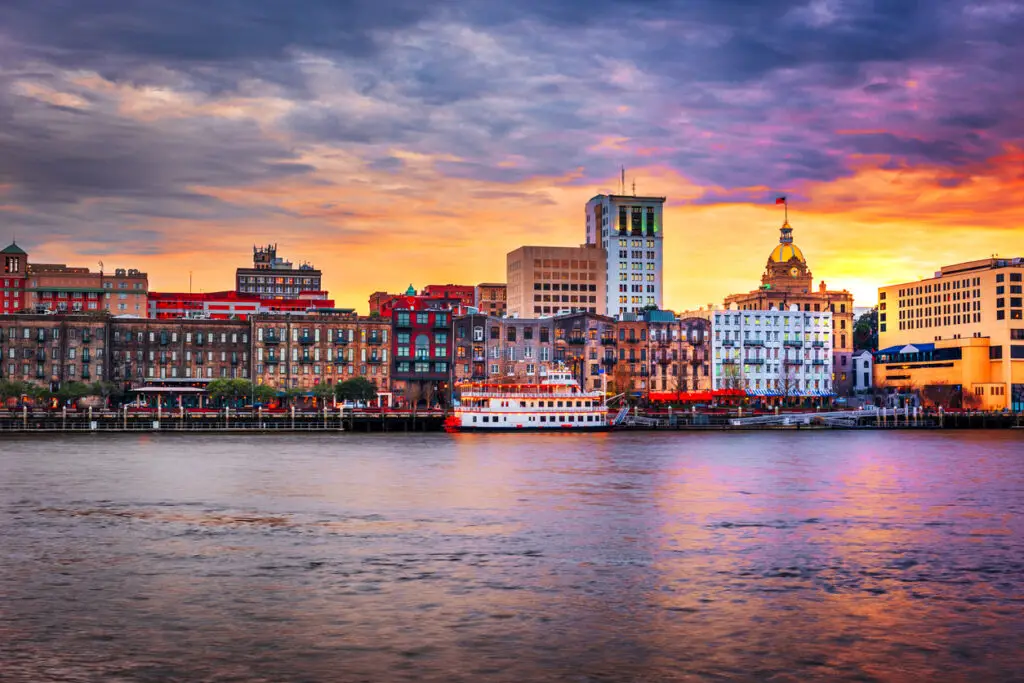
Savannah’s Historic District is a major tourist draw. Souvenir shops cluster along River Street and nearby squares. Large grocery stores are limited within the historic core. That makes the district feel curated for visitors.
Preservation rules and tourism shape what retail can exist. Small specialty stores thrive where supermarkets do not. Residents typically shop outside the busiest areas. The result is a charming but impractical retail mix.
10. Las Vegas, Nevada
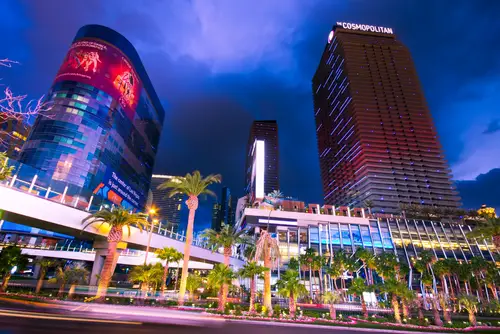
The Las Vegas Strip is engineered for visitors, not weekly errands. Walk a few blocks and you’ll pass endless souvenir stands, hotel gift shops, and logo-heavy convenience counters. Actual full-service grocery stores are pushed well off the Strip, often miles away in residential areas. That imbalance is why Las Vegas earns a spot here.
Tourists are expected to eat out, not cook, which shapes retail choices. Hotels stock mini-marts with overpriced snacks and branded merch instead of fresh produce. Locals know exactly where to drive for groceries, and it isn’t near the casinos. The city’s most famous corridor simply isn’t designed for normal daily life.
11. New York City (Times Square)
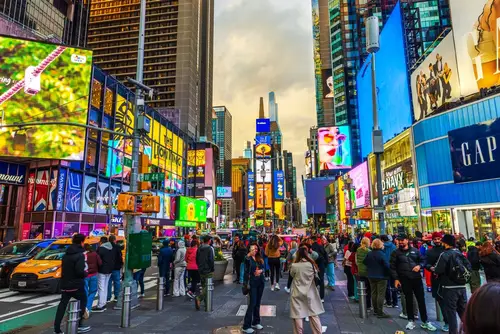
Times Square represents one of the most tourist-heavy areas in the country. Souvenir shops, branded stores, and novelty retailers dominate the blocks. Full-size grocery stores are limited in the immediate area. That makes the imbalance especially visible.
The neighborhood is designed for spectacle and constant foot traffic. Retail prioritizes quick purchases and recognizable brands. New Yorkers shop elsewhere for everyday necessities. Times Square is a city within a city, and groceries aren’t the point.
12. San Francisco, California (Fisherman’s Wharf)
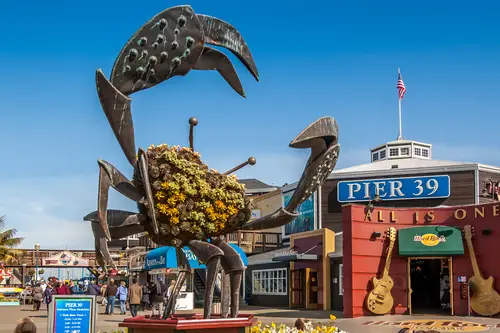
Fisherman’s Wharf is one of San Francisco’s most visitor-heavy neighborhoods. Souvenir shops selling sweatshirts, magnets, and sourdough-themed everything line the waterfront streets. Full grocery stores are notably absent from the immediate area. That imbalance makes the Wharf feel designed almost entirely for short-term stays.
Most visitors come for a few hours, not a weekly routine. Dining options and snack stands outnumber places to buy basic ingredients. Locals rarely grocery shop near the Wharf unless absolutely necessary. The neighborhood’s retail reflects tourism volume, not residential needs.
This post Cities Where Souvenir Shops Outnumber Grocery Stores was first published on American Charm.

