
1. Jackson, Wyoming
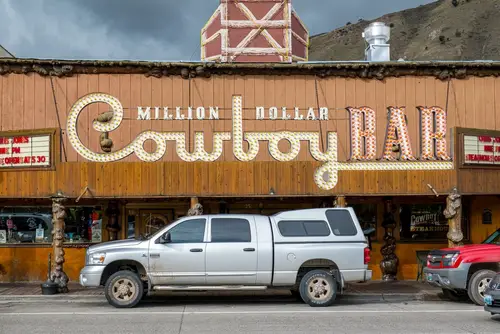
Jackson’s wooden boardwalks and elk-antler arches are iconic, but they’re built for visitors heading to nearby national parks. When tour groups clear out, the town square becomes startlingly still. The Old West aesthetic feels more like a movie set without actors. Even the famous saloon lights seem too deliberate.
The cost of living has pushed many workers to outlying areas, which adds to the emptiness. After dark, only a few bars and restaurants keep things lively. The rest of town sits quietly under dramatic mountain shadows. It’s beautiful, but a little uncanny.
2. Bar Harbor, Maine
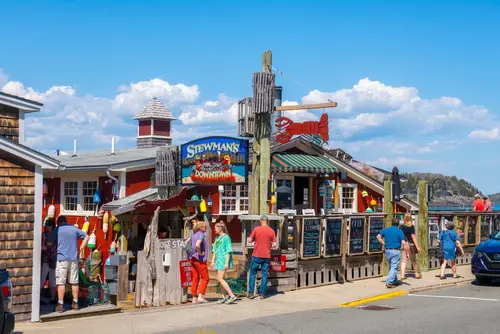
By day, Bar Harbor buzzes with cruise passengers and Acadia National Park traffic, but evenings feel oddly hushed. The sidewalks near Main Street empty out fast once the shops close and the last park buses stop running. What’s left are immaculate storefronts, tidy inns, and harbor views that look almost staged. It can feel like the town is holding its breath until morning.
After tourists leave, you notice how compact and controlled the place really is. Many restaurants close early because their business depends on seasonal visitors. Locals retreat to quieter neighborhoods away from the water. The result is a postcard-perfect downtown that feels paused rather than lived in.
3. Sedona, Arizona
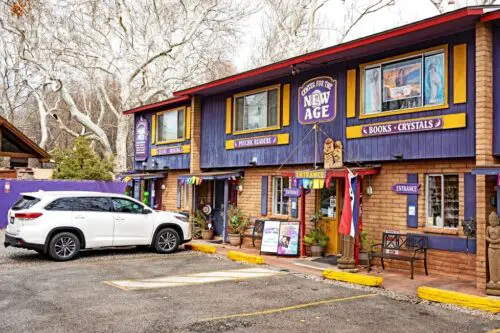
Sedona’s red rock backdrop already looks unreal, which adds to the stage-set feeling once the crowds go. Tour buses thin out quickly in the evening, especially around Uptown Sedona. Crystal shops and galleries close, leaving spotless sidewalks and glowing canyon walls. The silence is striking after such busy days.
Much of Sedona’s economy revolves around day-trippers and spiritual tourism. Residential areas are spread out and tucked into the landscape. When visitors leave, the town core feels more like an exhibit than a neighborhood. You’re left with dramatic scenery and very little movement.
4. Mackinac Island, Michigan
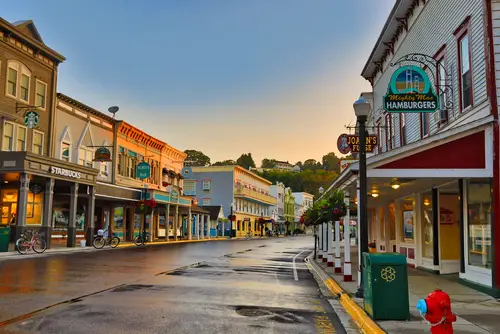
Mackinac Island thrives on summer tourism, with fudge shops and Victorian hotels packed during the day. When the last ferry departs, the mood changes instantly. Streets without cars become almost too quiet, like a preserved historical village. Even the clip-clop of horses fades.
Many seasonal workers live in dorm-style housing out of sight. Once businesses close, there’s little casual activity. The island’s beauty feels curated and frozen in time. It’s charming, but undeniably surreal after hours.
5. Leavenworth, Washington
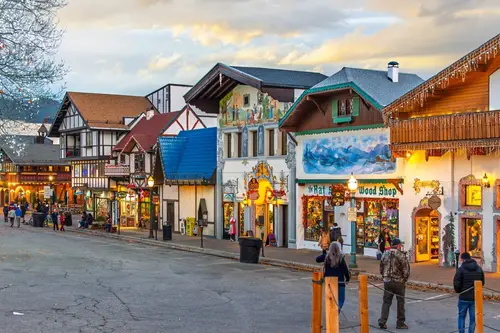
Leavenworth’s Bavarian makeover was designed to attract tourists, and it works. During the day, the alpine facades are crowded with visitors and cameras. At night, the themed buildings remain, but the energy disappears. The town can feel like a European village facade waiting for a cue.
Most locals live outside the tourist-heavy center. Shops and restaurants keep limited evening hours outside peak season. Without crowds, the uniform architecture feels almost too perfect. It’s clear the town was built to be looked at.
6. Solvang, California
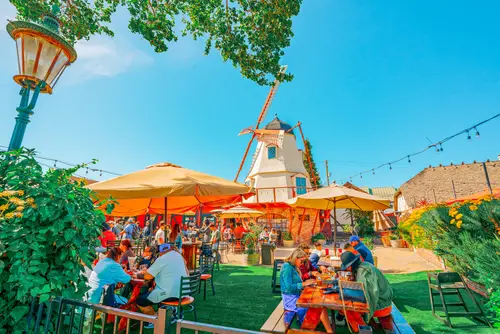
Solvang’s Danish-style windmills and half-timbered buildings draw steady daytime traffic. Once tour buses head back to Los Angeles, the streets quiet down fast. Bakeries close early, and the town center becomes strangely empty. The visual theme remains strong, but the life drains out.
The surrounding Santa Ynez Valley is agricultural and spread out. Locals don’t linger downtown once work is done. That leaves a carefully themed village with few people in it. It feels like walking through a well-maintained set after filming wraps.
7. Gatlinburg, Tennessee
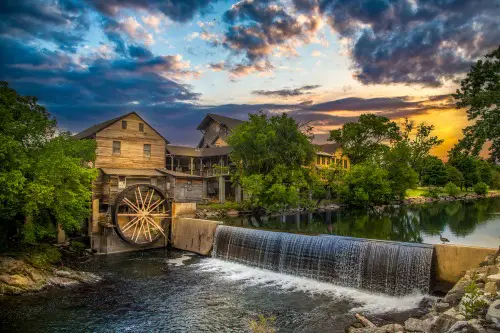
Gatlinburg is packed with attractions aimed at Smoky Mountains visitors. When tourists head back to cabins or hotels outside town, the strip clears quickly. Neon signs glow over nearly empty sidewalks. The contrast between flash and quiet is jarring.
Many businesses depend on seasonal surges and close early or operate reduced hours. Residential neighborhoods are limited near the main drag. After dark, the town feels more like an amusement corridor than a community. The stillness makes the attractions feel oddly hollow.
8. St. Augustine, Florida
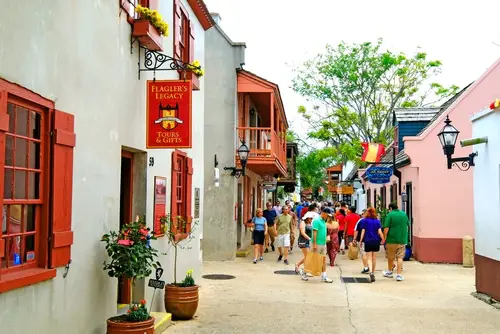
St. Augustine’s historic district is dense with museums, shops, and colonial-era architecture. Daytime crowds pour in to see landmarks like Castillo de San Marcos. At night, tour groups vanish and streets calm down dramatically. The old buildings take on a museum-like stillness.
Most residents live outside the historic core. Restaurants and souvenir shops close, leaving lamplit streets and echoing footsteps. The preservation is impressive, but it adds to the staged feeling. It can feel like history on display rather than a living town.
9. Marfa, Texas
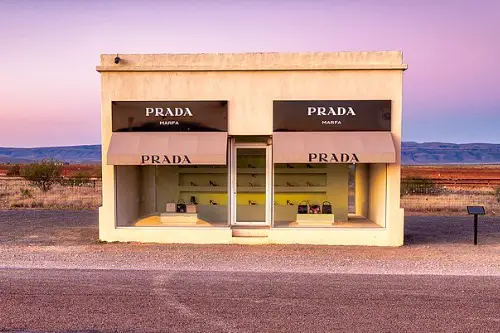
Marfa attracts art pilgrims during the day, especially to sites like the Chinati Foundation. When galleries close, the town grows extremely quiet. Its minimalist buildings and wide streets feel deliberately arranged. The emptiness amplifies the sense of performance art.
With a small population, Marfa simply doesn’t have much nighttime activity. Many visitors stay briefly and move on. After dark, the town feels suspended in silence. It’s intentional, but still eerie.
10. Deadwood, South Dakota
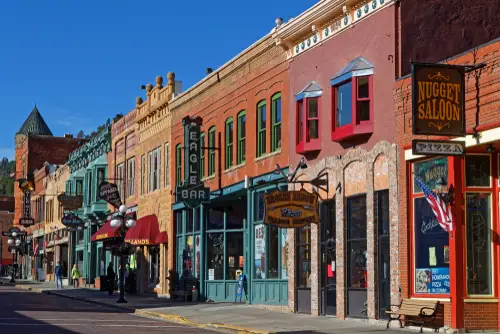
Deadwood leans heavily into its Wild West past, complete with reenactments and casinos. During peak hours, Main Street is lively and loud. Once events end, the historic facades remain but the crowds vanish. The town looks like a Western film set after the extras leave.
Casinos and bars provide some nightlife, but much of it is contained indoors. The streets outside grow quiet quickly. Preservation laws keep the look consistent and polished. That consistency adds to the artificial calm.
11. Skagway, Alaska
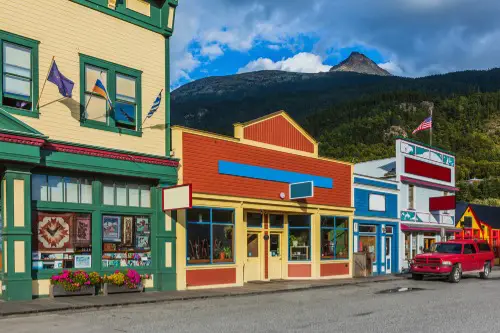
Skagway swells with cruise ship passengers during the day. When ships depart, the population drops dramatically within hours. Boardwalk-style streets suddenly feel oversized and empty. The town’s Gold Rush look becomes almost theatrical.
Many businesses open only when ships are in port. Locals are few and spread out. Once the docks quiet down, there’s little ambient noise. The town feels like it’s waiting for the next arrival cue.
12. Taos, New Mexico
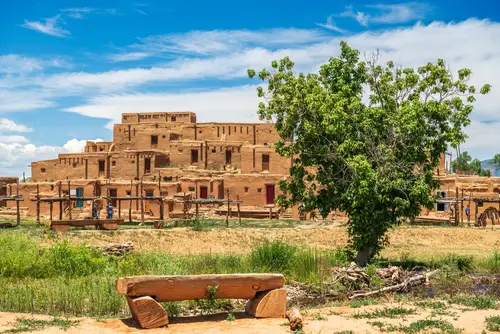
Taos draws visitors for its art scene and historic pueblo. Galleries and shops bustle during the day, especially around the plaza. After closing time, activity slows sharply. Adobe buildings and narrow streets feel preserved rather than inhabited.
The local population is dispersed across a wide area. Nightlife is limited and low-key. Without visitors, the town center feels contemplative and still. It’s peaceful, but also oddly empty.
13. Eureka Springs, Arkansas
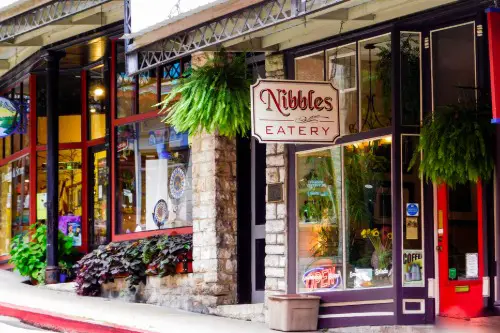
Eureka Springs is known for its Victorian architecture and steep, winding streets. Tourists pack the downtown during daylight hours. In the evening, shops close and the hills grow quiet. The ornate buildings remain lit but unused.
The town’s layout limits casual foot traffic after hours. Many residents live outside the tourist core. That leaves a beautifully preserved downtown with little movement. It feels like a historical display turned off for the night.
14. Carmel-by-the-Sea, California
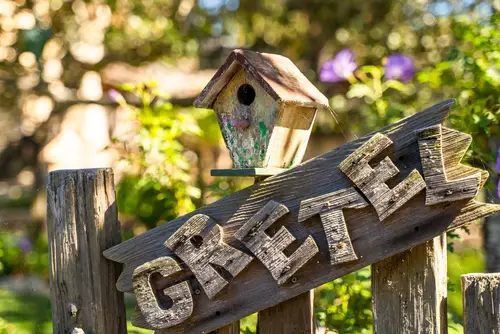
Carmel’s storybook cottages and upscale shops draw steady crowds. When visitors head back to nearby hotels or Monterey, the village empties quickly. The carefully landscaped streets feel almost too pristine. Silence settles in fast.
Strict zoning limits signage and nightlife. Locals often avoid the central village during busy hours. After dark, the lack of noise makes the place feel curated. It’s charming, but distinctly unreal.
15. Williamsburg, Virginia
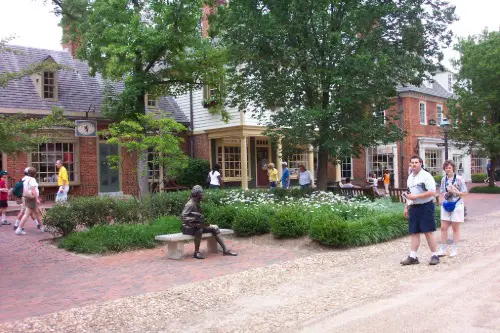
Colonial Williamsburg is designed as a living history attraction. During the day, reenactors and tourists fill the streets. When the gates effectively close, the area grows quiet and controlled. The buildings remain perfectly lit and orderly.
Most residents live beyond the historic district. Evening activity is minimal once performances end. Without people in period dress, the setting feels frozen. It’s like a set waiting for actors to return.
This post 15 Towns That Feel Like Stage Sets After Tourists Leave was first published on American Charm.

