1. Leavenworth, Washington
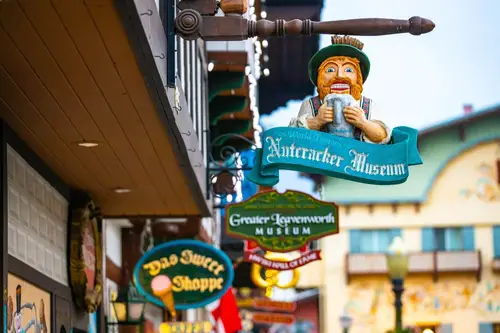
Leavenworth spends November and December living up to its reputation as a full-blown Christmas village. Millions of lights are switched on nightly, carolers fill the streets, and hotel rooms are booked months in advance. The crowds are shoulder-to-shoulder during the holidays, even on weeknights. When January hits, that energy drops off almost overnight.
Once the Christmas lighting schedule winds down, foot traffic thins dramatically. Shops shorten their hours, and some seasonal vendors close entirely until spring. You can suddenly hear the Wenatchee River again without the hum of tour buses. It’s peaceful, but the contrast can feel startling if you visit right after New Year’s.
2. North Pole, Alaska
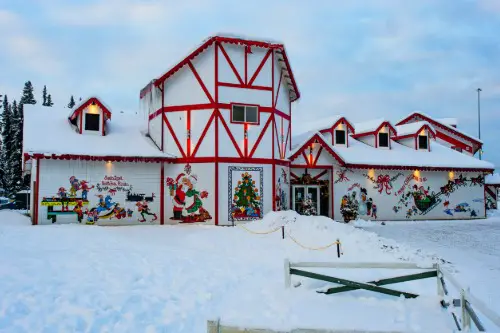
North Pole exists largely because of Christmas tourism, and December is its moment. The Santa Claus House draws visitors from around the world, especially families chasing a snowy holiday experience. Seasonal events, decorations, and themed attractions dominate the town’s identity that time of year. In winter, the population itself is small, but December makes it feel busy.
After the holidays, visitor numbers drop sharply as daylight remains limited and temperatures stay extreme. Many travelers move on to Fairbanks or leave the region entirely. The streets feel quieter, and the Christmas-forward atmosphere becomes more subdued. It’s still charming, but it no longer feels like a destination town.
3. Frankenmuth, Michigan
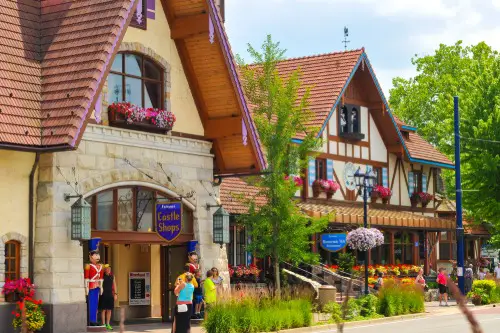
Frankenmuth bills itself as “Michigan’s Little Bavaria,” and Christmas is its peak season. Bronner’s Christmas Wonderland, the world’s largest Christmas store, draws massive crowds in November and December. Holiday festivals, themed decorations, and weekend traffic jams are the norm. The town feels constantly in motion leading up to Christmas.
Once the calendar flips to January, tour buses largely disappear. While Bronner’s stays open year-round, the surrounding streets empty noticeably. Restaurants and shops are easier to get into, sometimes eerily so. The town shifts from bustling attraction to quiet small city almost immediately.
4. Bethlehem, Pennsylvania
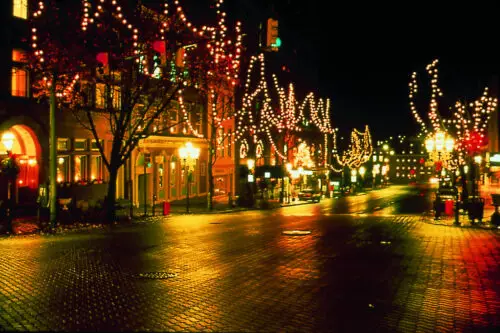
Bethlehem leans heavily into its “Christmas City” nickname every holiday season. Christkindl markets, historic decorations, and seasonal events draw large crowds from the Northeast. Hotel occupancy spikes, and downtown stays lively well into the evening. December is when Bethlehem feels most alive.
After Christmas, many of those attractions pause until the following year. Foot traffic drops as festivals end and winter weather sets in. The historic district remains beautiful but noticeably quieter. It feels like the town exhales after weeks of constant activity.
5. Williams, Arizona
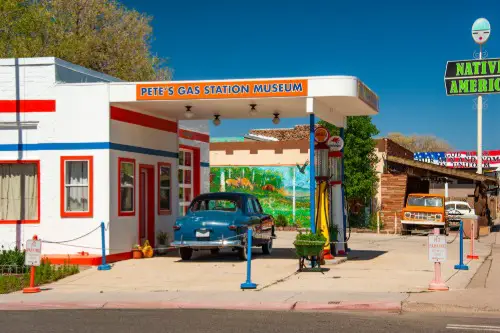
Williams becomes a holiday hotspot thanks to the Grand Canyon Railway’s Polar Express. Families pack the town in November and December to ride the train and see Santa. Hotels sell out regularly, and Route 66 traffic stays heavy. For a small town, the seasonal surge is intense.
When the Polar Express season ends, that surge vanishes fast. Train schedules return to normal, and visitor numbers drop. Many souvenir shops reduce hours or close temporarily. The town feels far more remote once the holiday magic packs up.
6. Durango, Colorado
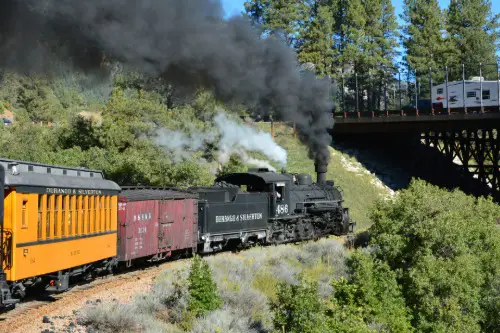
Durango’s winter crowds are driven largely by the Polar Express train run by the Durango & Silverton Narrow Gauge Railroad. During the holidays, downtown buzzes with families, themed events, and packed restaurants. The train is the centerpiece, and it defines the season. December is one of the busiest times of year for local tourism.
After the Polar Express wraps up, visitation drops noticeably. Ski season continues nearby, but many holiday-focused visitors leave town. The streets grow quieter, especially at night. Durango still has life, but the festive rush is gone.
7. Branson, Missouri
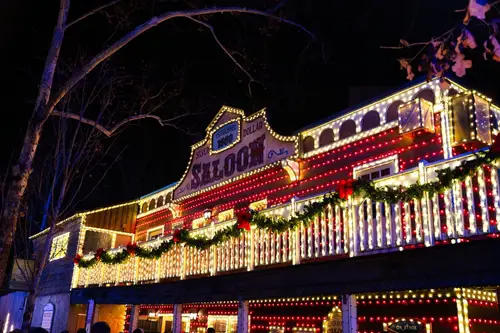
Branson’s Christmas season is massive, with themed shows, light displays, and holiday performances. November and December bring sold-out theaters and busy hotel corridors. The town leans heavily into family-friendly holiday entertainment. It’s one of Branson’s most profitable times of year.
Once the holiday shows end, many theaters go dark temporarily. January and early February are well-known slow periods for the town. Some attractions close for maintenance or staff breaks. The sudden calm can make Branson feel almost deserted.
8. Pigeon Forge, Tennessee
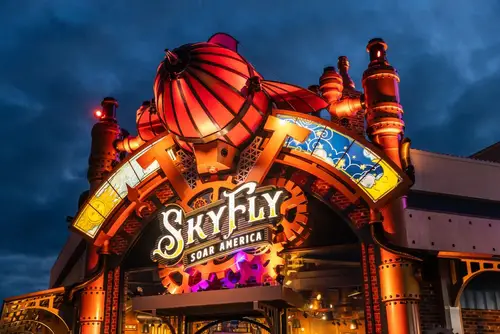
Pigeon Forge thrives during the holiday season thanks to Winterfest and its extensive light displays. Tourists pack the Parkway to visit Dollywood’s Smoky Mountain Christmas and seasonal attractions. Traffic can be relentless through December. The town feels like it never sleeps during peak holiday weeks.
After the lights come down, visitor numbers drop sharply. January is one of the quietest months for the area. Many shows and attractions reduce schedules or close briefly. The town’s scale feels very different without the constant flow of cars and crowds.
9. Helen, Georgia
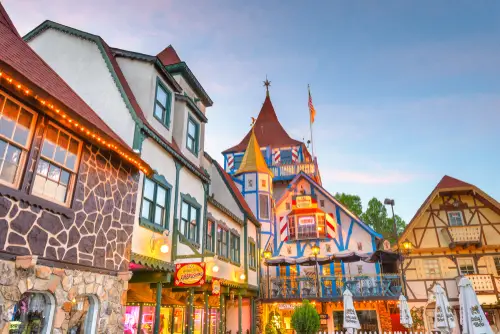
Helen’s Bavarian-style Christmas draws visitors from across the Southeast. The alpine architecture, holiday markets, and seasonal décor create a festive atmosphere. December weekends are packed with tourists. For a town with a small permanent population, the crowds are intense.
Once Christmas ends, tourism slows quickly. Winter weekdays can feel especially quiet. Some shops shorten hours until spring events pick back up. The village-like setting feels far more intimate without the holiday crowds.
10. McAdenville, North Carolina

McAdenville is known nationally as “Christmastown USA,” and December defines the town. Hundreds of thousands of visitors drive through to see its famous light displays. Traffic backups and crowds are expected parts of the season. For weeks, the town feels anything but small.
After the lights are turned off, visitors disappear almost instantly. McAdenville returns to being a quiet residential community. Streets that were once packed with cars fall silent. The change is dramatic and unmistakable.
11. Woodstock, Vermont
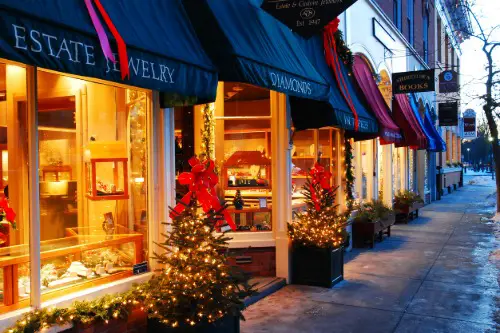
Woodstock hosts a popular Wassail Weekend that draws visitors seeking a traditional New England Christmas. The historic village green, decorated homes, and seasonal events bring in winter tourists. Inns and shops benefit heavily from December travel. The town feels like a postcard come to life.
Once the holidays pass, tourism slows considerably. Winter remains, but the festive draw is gone. Fewer visitors stroll the village streets. Woodstock becomes calm and introspective until warmer seasons return.
12. St. Augustine, Florida
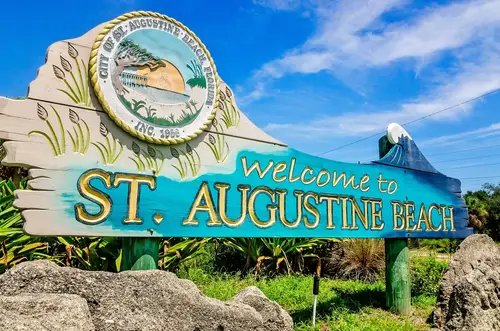
St. Augustine’s Nights of Lights celebration transforms the city each winter. Millions of white lights cover the historic district, drawing large crowds from November through January. Hotels book up, and downtown stays busy late into the evening. The event is one of the city’s biggest annual attractions.
When Nights of Lights ends, tourism dips noticeably. The historic streets feel more spacious and subdued. Restaurants and shops see fewer nightly crowds. The city remains beautiful, but the buzz fades quickly once the lights come down.
This post American Towns That Feel Empty the Moment the Holiday Season Ends was first published on American Charm.