
1. New York City
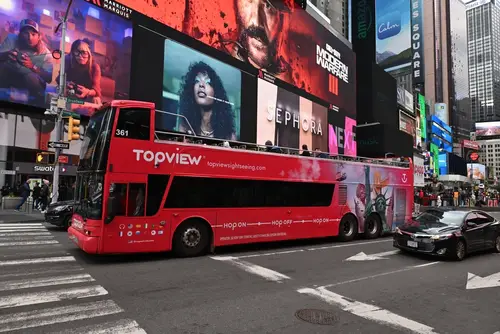
New York can feel shoulder-to-shoulder even though recent Census estimates show the city’s population dipped after 2020. What people experience daily is a city that never really powers down, with millions of commuters and tourists layering onto the resident count. Office districts, transit hubs, and popular neighborhoods concentrate people into tight spaces. That compression makes the city feel fuller than raw population numbers suggest.
Another factor is how much of daily life funnels onto sidewalks and subways. Many New Yorkers don’t have private outdoor space, so streets, parks, and trains do a lot of social heavy lifting. Add in a rebound in tourism and return-to-office policies, and peak hours feel relentless. The Census counts where people sleep, not where they all squeeze together at 8:30 a.m.
2. San Francisco
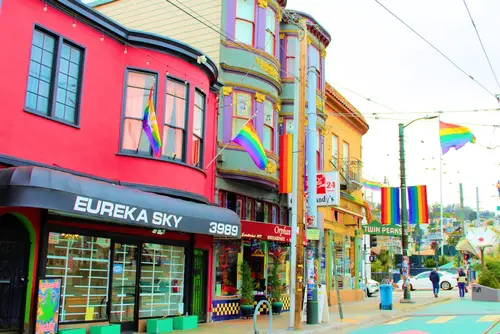
San Francisco feels crowded despite Census data showing its population shrank in the early 2020s. The city’s small land area and dramatic geography limit where people can live and move. Hills, water, and protected open space funnel activity into a narrow grid of neighborhoods. That makes busy areas feel packed even when fewer people officially live there.
The daytime population tells another story. Tech offices, conventions, and tourism still pull people in from the broader Bay Area and beyond. Popular corridors like Market Street or the Mission concentrate foot traffic. When housing supply is tight, even a modest population can feel like too much.
3. Los Angeles
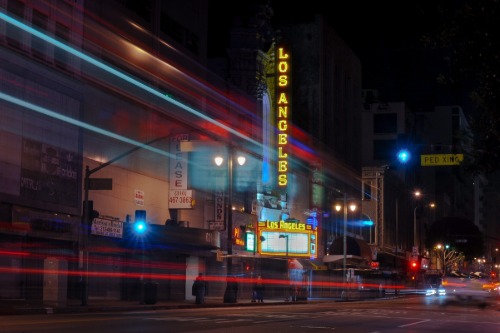
Los Angeles often feels more crowded than its Census numbers imply, especially after recent population declines. The city is vast, but daily life is highly concentrated along specific job centers and freeways. Millions of people converge on the same routes at the same times. That shared movement creates a constant sense of congestion.
Car dependence amplifies the feeling. Even small increases in traffic can make streets feel overwhelmed. Popular neighborhoods with apartments and limited parking intensify the pressure. The result is a city that feels full even when its population growth has stalled.
4. Chicago
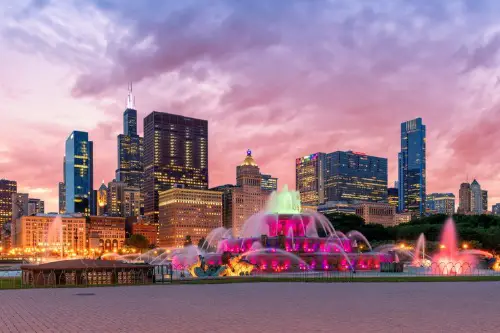
Chicago’s population has edged down in recent Census estimates, yet the city rarely feels empty. Dense neighborhoods, busy lakefront areas, and packed transit lines shape daily impressions. Much of the city’s activity clusters in a relatively small downtown core. That concentration magnifies the sense of crowding.
Tourism and regional commuting play a big role. People from the suburbs and nearby states pour in for work, events, and summer festivals. Seasonal spikes along the lakefront can be intense. Those moments stick in people’s minds more than the quieter blocks elsewhere.
5. Seattle
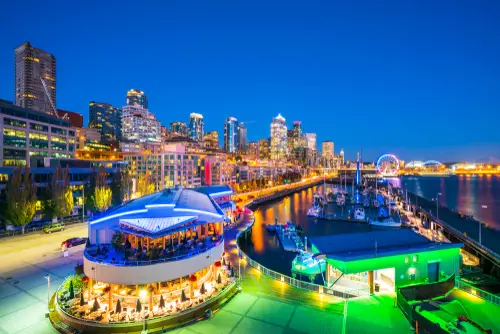
Seattle can feel crowded even though its population growth has slowed compared to the previous decade. Water, hills, and zoning rules limit where housing can go. That pushes more people into already dense neighborhoods. The physical constraints make everyday movement feel tight.
The city also punches above its weight during the workday. Major employers draw commuters from across the region. Transit chokepoints and popular pedestrian areas amplify foot traffic. The Census doesn’t fully capture how intense those daily surges can be.
6. Portland
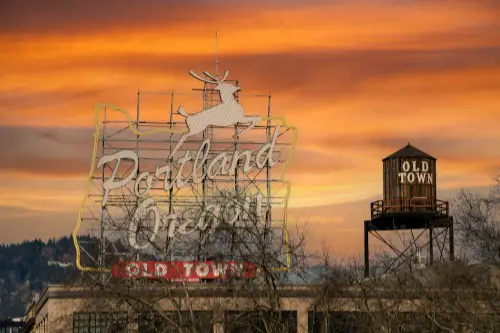
Portland’s population has dipped slightly in recent years, but many residents still feel boxed in. The urban growth boundary limits sprawl, keeping development concentrated. That policy supports density, but it can also heighten the sense of crowding. Busy corridors and neighborhood centers absorb most of the activity.
Tourism and events add to the pressure. Weekends bring visitors into walkable areas with narrow streets. Biking and transit concentrate people into shared spaces. The city can feel full even when overall numbers say otherwise.
7. Boston
Boston feels crowded despite relatively modest population growth in Census data. Its historic street layout was never designed for modern volumes of people. Narrow roads, short blocks, and old transit infrastructure create bottlenecks. Even routine days can feel busy.
The student population is a big factor. Colleges bring in tens of thousands of students who aren’t always reflected clearly in annual estimates. Add in commuters from across New England and a strong tourism scene. The city’s small footprint does the rest.
8. New Orleans
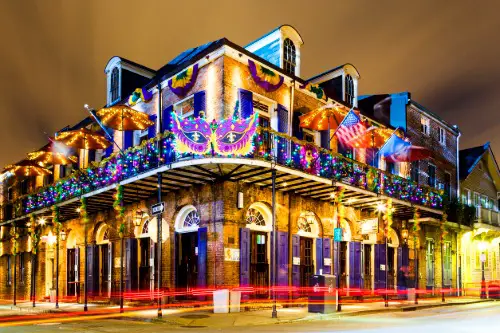
New Orleans still has fewer residents than it did before Hurricane Katrina, according to Census figures. Yet the city often feels crowded, especially in central neighborhoods. Tourism concentrates people into the French Quarter, the Marigny, and Uptown. Those areas dominate visitors’ impressions.
Events intensify that feeling. Festivals, conventions, and football weekends bring huge temporary populations. Service workers and commuters add another layer. The result is a city that feels packed even with a smaller permanent population.
9. Miami
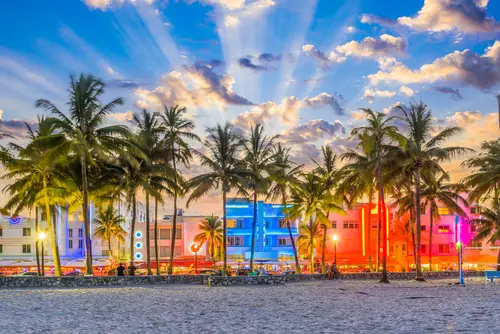
Miami feels crowded even though much of South Florida’s growth happens outside the city limits. The city itself is geographically small and tightly developed. High-rise living concentrates residents into compact areas. That density shows up on streets and sidewalks.
Tourism and seasonal residents are key. Snowbirds, cruise passengers, and international visitors swell the population for months at a time. Traffic and nightlife hotspots amplify the sensation. The Census counts year-round residents, not peak-season reality.
10. Honolulu
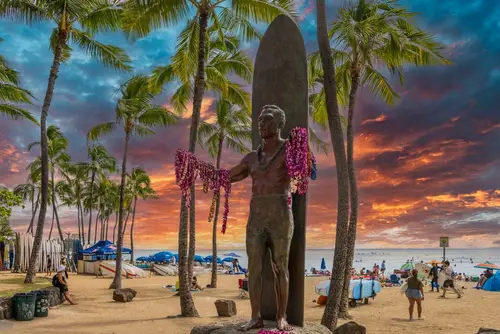
Honolulu often feels crowded despite slow population growth in Census data. The city sits on an island where space is inherently limited. Mountains and ocean compress development into a narrow strip. That physical reality shapes how crowded it feels.
Tourism is constant and intense. Visitors outnumber residents on many days, especially in Waikīkī and downtown. Shared beaches, roads, and transit magnify the effect. The lived experience goes far beyond the resident count.
11. Denver
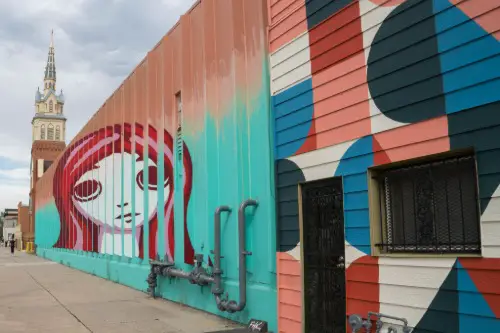
Denver can feel busier than its recent Census trends suggest. Population growth has cooled, but the metro area continues to funnel people into the city. Downtown, RiNo, and popular neighborhoods concentrate jobs and entertainment. That clustering drives the perception of crowding.
Outdoor culture adds a twist. On nice days, parks, trails, and patios fill up fast. Events and weekend travel push more people into central areas. Even with slower growth, Denver’s shared spaces rarely feel empty.
This post These US Cities Feel Crowded Even as the Census Says Otherwise was first published on American Charm.

