
1. Cleveland, Ohio
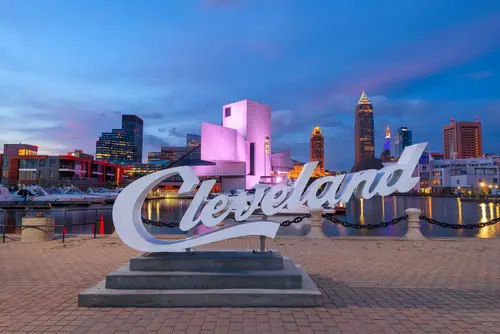
Cleveland has spent years talking about downtown revival, but many young adults still quietly pack up after college. The metro’s job growth skews older and slower, especially outside healthcare and legacy industries. Entry-level professional salaries often lag behind peer cities, making it hard to justify staying. Friends leave for Chicago or Columbus, and the network effect kicks in fast.
Housing is affordable, but affordability alone doesn’t keep people in their twenties. Public transit works in pockets, yet car dependence limits flexibility for younger renters. Winters feel longer when your social circle keeps shrinking. Over time, leaving feels less like a big decision and more like the default move.
2. St. Louis, Missouri
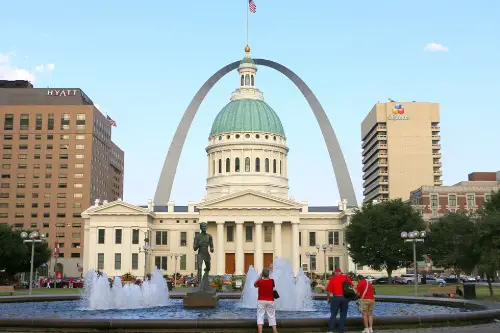
St. Louis produces a lot of smart graduates who don’t stick around. The region’s fragmented local governments and slow-moving reforms frustrate younger residents. Career paths often feel narrow unless you’re in medicine, bioscience, or a few corporate pipelines. Many people treat it as a hometown you eventually outgrow.
Safety concerns also weigh heavily on perception, even when people’s daily lives feel fine. Neighborhoods popular with young adults are limited and fill up quickly. Social scenes can feel insular if you didn’t grow up there. That combination nudges people toward bigger, more fluid metros.
3. Buffalo, New York

Buffalo has made visible progress, yet young adults still leave at steady rates. Harsh winters play a role, but the bigger issue is opportunity density. There are fewer fast-growing employers compared to Sun Belt or coastal cities. Ambitious twenty-somethings often feel they have to leave to level up.
The city does well at community, but struggles with retention. Remote work helped briefly, but many roles still require relocation. Flights are limited and often expensive, which makes Buffalo feel physically farther from opportunity. Over time, that distance becomes psychological too.
4. Birmingham, Alabama
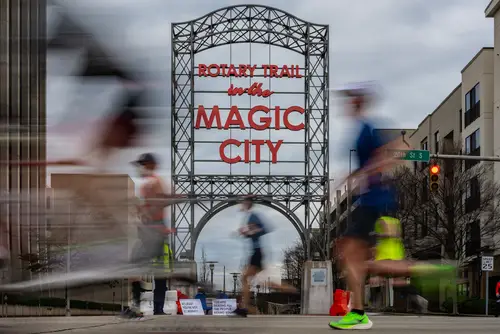
Birmingham’s food scene and affordability get praise, but young professionals often don’t stay long. Job options outside healthcare, banking, and academia can feel thin. Pay growth doesn’t always keep up once people gain a few years of experience. Many leave for Atlanta or Nashville without much drama.
The city also wrestles with limited transit and regional sprawl. Social life can feel small if you’re not plugged into certain circles. Younger residents notice how quickly peers disappear after a couple of years. Eventually, staying feels like swimming against the current.
5. New Orleans, Louisiana
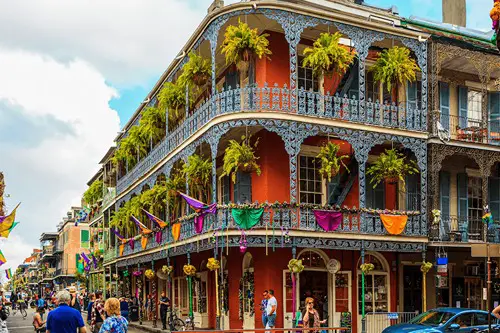
New Orleans attracts young adults, then quietly loses many of them. Tourism and hospitality dominate the economy, limiting professional ladders. Wages often don’t match the rising cost of rent and insurance. The magic wears thin when stability becomes the priority.
Infrastructure issues add to the stress of daily life. Hurricanes, flooding risk, and insurance hikes loom large in long-term planning. Many people love the city deeply but don’t see a sustainable future there. Leaving becomes an act of practicality, not betrayal.
6. Milwaukee, Wisconsin
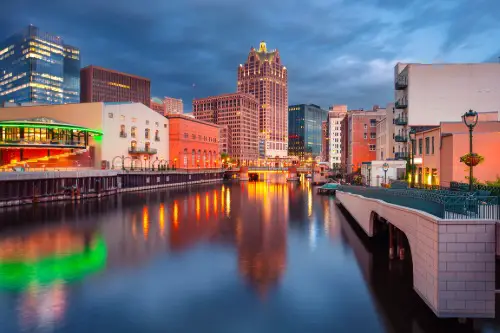
Milwaukee sits close to Chicago, and that proximity works against it. Young adults often view it as a stepping stone rather than a destination. Corporate jobs exist, but upward mobility can feel slow. The pull of a larger market nearby is constant.
Winters again matter more when friends are leaving. Transit and walkability are improving, but unevenly. Nightlife and cultural options feel limited compared to bigger cities. For many, moving south feels inevitable.
7. Hartford, Connecticut
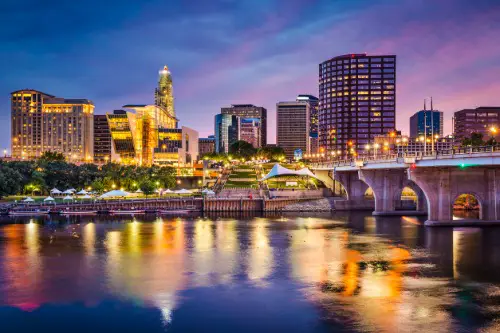
Hartford has strong institutions but struggles to keep young residents engaged. Insurance and finance dominate, yet entry points are narrow. The city empties out after work, which affects social energy. Younger adults often feel like visitors in a commuter town.
High rents relative to local wages don’t help. Many graduates head to Boston or New York instead. Transit connections exist, but the city itself feels quiet. That quiet can turn isolating in your twenties.
8. Rochester, New York
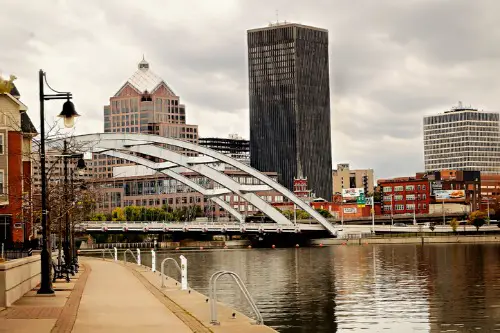
Rochester retains loyalty but loses momentum. Once you’re a few years into your career, options thin quickly. Legacy employers have downsized or transformed, leaving gaps. People leave not because they dislike it, but because they stall out.
The city’s size can feel limiting socially. Dating pools and professional networks are small. Winters amplify feelings of being stuck. Leaving becomes framed as personal growth.
9. Memphis, Tennessee
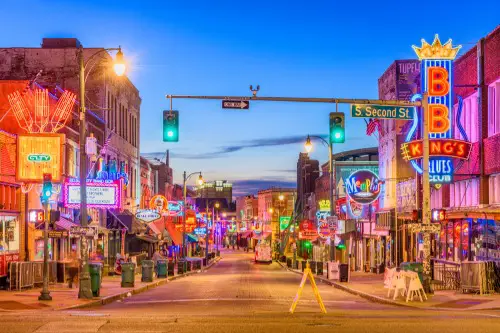
Memphis has culture in abundance, yet retention is a challenge. Logistics and healthcare anchor the economy, but don’t serve every skill set. Pay often lags behind national averages for young professionals. Many see Nashville as the safer bet.
Public safety concerns also influence decisions, even for those who love their neighborhoods. Transit limitations restrict mobility for younger residents without cars. Social scenes can feel segmented by geography. Over time, people drift away quietly.
10. Toledo, Ohio
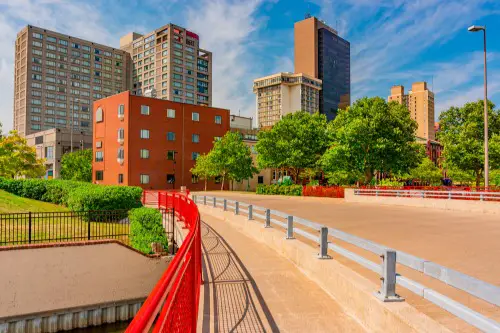
Toledo faces a classic mid-sized Midwest problem. It educates young people who then leave for stronger markets. Automotive and manufacturing shifts have narrowed opportunity. Growth industries arrive slowly, if at all.
The city is affordable, but ambition isn’t always rewarded locally. Social life can feel repetitive in your late twenties. Proximity to bigger cities makes leaving easy. Staying requires a level of patience many don’t have.
11. Baton Rouge, Louisiana

Baton Rouge revolves around government and universities. Once people age out of student life, options shrink. Energy-sector volatility makes long-term planning hard. Many young adults leave as soon as they gain experience.
Quality-of-life issues also factor in. Traffic and sprawl frustrate younger residents. Cultural offerings feel limited compared to New Orleans or Houston. Leaving often feels like the logical next step.
12. Dayton, Ohio
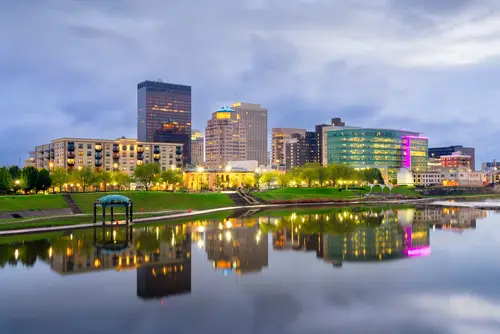
Dayton has invested in revitalization, but retention remains tough. Aerospace anchors the economy, yet it’s a specialized niche. Young adults outside that orbit struggle to find momentum. Many move to Columbus for broader opportunity.
The city feels transitional to many residents. Nightlife and cultural options are modest. Winters and limited transit don’t help. People leave gradually, not dramatically.
13. Jackson, Mississippi
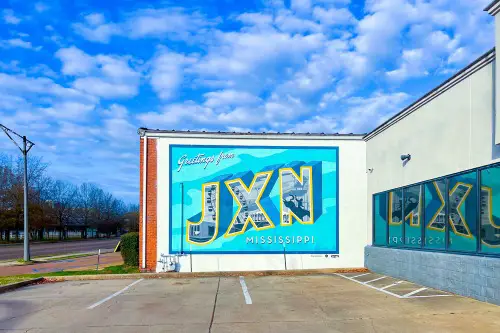
Jackson loses young adults at a steady clip. State government and healthcare dominate jobs, limiting diversity. Infrastructure challenges affect daily life more than people admit. Ambitious residents often look elsewhere early.
Perceptions of political and economic stagnation weigh heavily. Social opportunities feel constrained for newcomers. Those who leave rarely make a big announcement. They just don’t come back.
14. Scranton, Pennsylvania

Scranton’s affordability draws attention, but retention is another story. Career ladders are short unless you commute or work remotely. Many young adults feel underemployed after a few years. Bigger cities feel closer than they actually are.
The social scene is tightly knit and can feel limiting. Transit options are minimal, reinforcing car dependence. Friends move out one by one. Eventually, staying feels like standing still.
15. Youngstown, Ohio
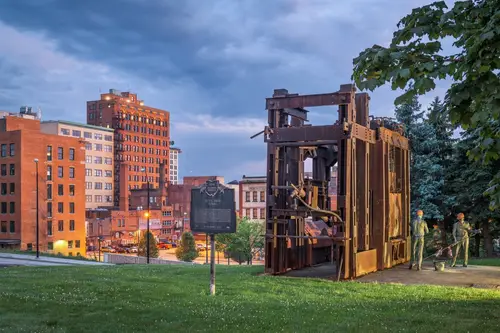
Youngstown is often discussed in terms of resilience, but young adults still leave steadily. The local economy offers stability in pockets, yet few fast-growing career paths. Many graduates take their first job locally, then realize advancement requires relocation. Departures happen quietly, without much local conversation.
Affordable housing helps early on, but ambition eventually outweighs cost savings. Social options thin out once friends move away. The city’s narrative focuses on survival more than opportunity. For many in their twenties, leaving feels like self-preservation.
16. Peoria, Illinois
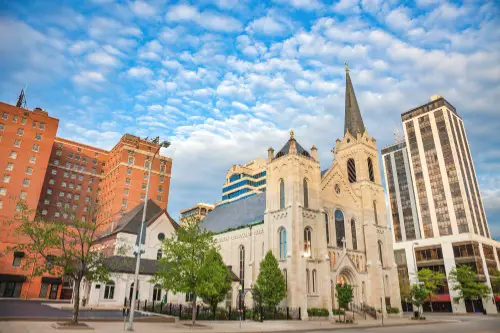
Peoria educates and trains young people who often don’t stay long. Healthcare anchors the job market, but diversity in roles is limited. Outside a few major employers, upward mobility slows quickly. Young adults often plan their exit within a few years.
The city feels manageable, but also constrained. Nightlife and cultural offerings plateau fast. Dating and professional circles overlap heavily. Over time, the lack of anonymity and growth pushes people out.
17. Shreveport, Louisiana
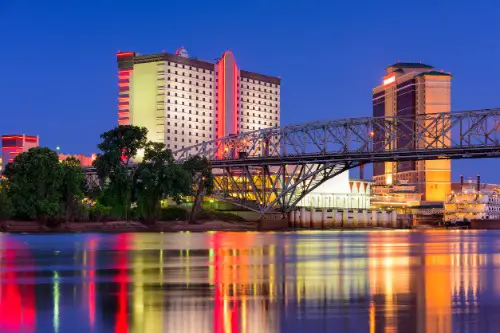
Shreveport struggles to hold onto its younger population. Casinos and healthcare provide jobs, but not always long-term careers. Pay growth tends to stall early. Many residents see Dallas as the inevitable next step.
Infrastructure and public services add daily friction. Social life can feel repetitive if you’ve lived there long enough. Friends leave quietly for larger markets. Staying starts to feel like an exception, not the norm.
18. Rockford, Illinois
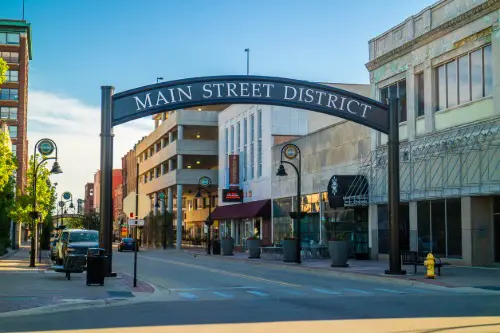
Rockford has worked to reinvent itself, yet young adults keep leaving. Manufacturing decline reshaped opportunity without fully replacing it. Entry-level jobs exist, but career ladders are short. Many graduates don’t see a future beyond their mid-twenties.
The city’s affordability is real, but isolation is too. Transit options are limited, reinforcing car dependence. Social circles shrink quickly as peers leave. Eventually, relocation feels unavoidable.
19. Erie, Pennsylvania
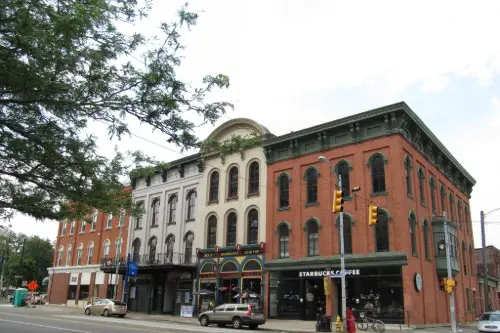
Erie’s lakefront and affordability attract interest, but retention is weak. Job growth remains slow outside healthcare and education. Winters compound feelings of geographic and professional isolation. Young adults often leave to access broader networks.
The city’s size limits social and dating options. Flights and transit connections are sparse. People don’t usually leave in a rush. They drift away once momentum stalls.
20. Huntington, West Virginia
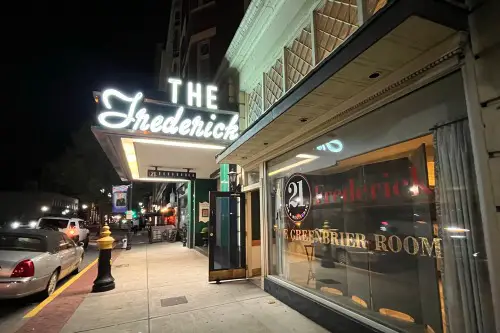
Huntington revolves around its university and hospitals. Once student life ends, options narrow sharply. Professional growth often requires leaving the region entirely. Many young adults exit as soon as they can.
The city’s small scale affects social variety. Cultural scenes feel limited after a few years. Economic uncertainty weighs heavily on long-term planning. Leaving becomes the default path forward.
21. Springfield, Massachusetts
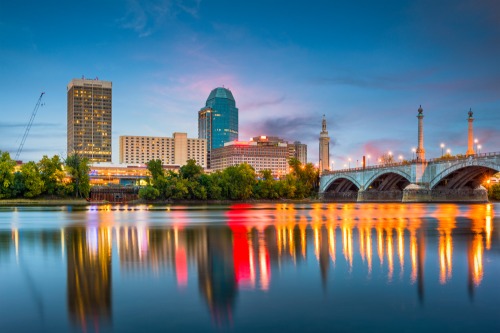
Springfield has strong institutions but struggles with perception. Healthcare and education dominate, leaving fewer alternatives. Young professionals often feel boxed into specific tracks. Nearby Boston pulls talent away consistently.
Rents feel high relative to local wages. Social life concentrates in a few neighborhoods. Transit exists, but the city lacks energy after hours. Over time, staying feels restrictive.
22. Evansville, Indiana
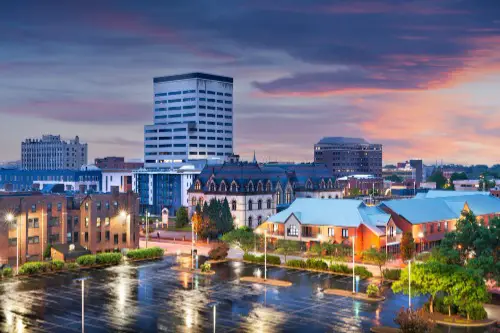
Evansville offers stability, but not much upward momentum. Manufacturing and healthcare anchor the economy. Young adults often hit a ceiling early. Many relocate for higher pay and broader roles.
The city’s social scene is predictable. Dating pools and friend groups overlap quickly. Cultural options don’t expand much with age. Leaving feels like a practical upgrade.
23. Altoona, Pennsylvania

Altoona retains deep roots but loses younger residents steadily. Jobs exist, yet advancement opportunities are limited. Many graduates accept underemployment longer than planned. Eventually, they look elsewhere.
The city’s small size affects social mobility. Transit and connectivity are minimal. Friends leave one by one for larger metros. Staying begins to feel isolating.
24. Decatur, Illinois
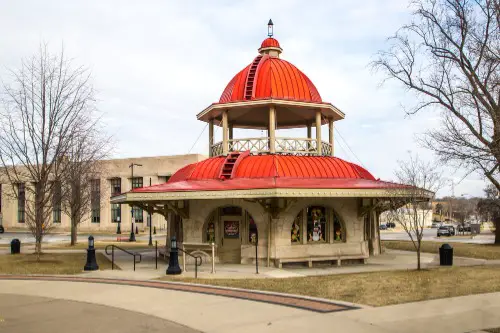
Decatur’s economy has struggled to diversify. Manufacturing losses reshaped the job market permanently. Young adults often struggle to find career-aligned work. Many leave shortly after finishing school.
Affordability can’t offset limited opportunity. Social scenes feel narrow and repetitive. Professional networks are small and slow-moving. Leaving becomes the clearest option.
25. Flint, Michigan
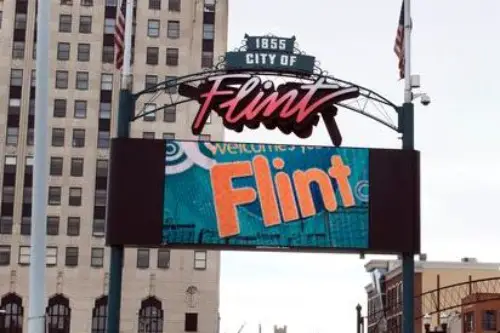
Flint’s recovery narrative hasn’t translated into retention. Jobs are improving slowly, but confidence lags. Young adults worry about long-term stability. Many leave before committing to staying.
Infrastructure concerns still shape daily life. Social opportunities feel constrained by population loss. Friends relocate quietly for safer bets. Staying requires optimism not everyone has.
26. Pine Bluff, Arkansas
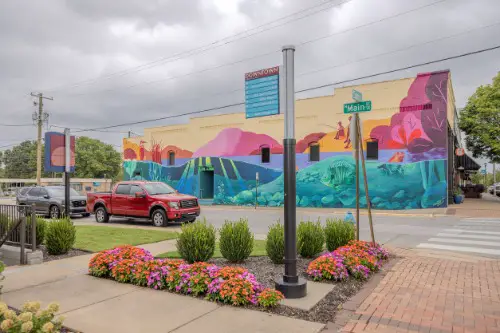
Pine Bluff faces persistent outmigration among young adults. Employment options are limited and often low-paying. Career growth typically means leaving the area. Few expect to stay long-term.
The city’s small scale affects social variety. Cultural offerings are modest. Economic uncertainty shapes early decisions. Leaving feels inevitable rather than dramatic.
27. Wheeling, West Virginia
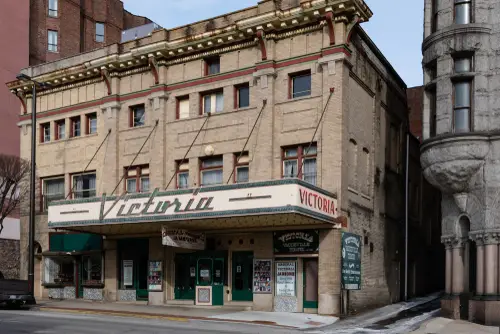
Wheeling’s charm doesn’t always translate into opportunity. Jobs are scarce outside healthcare and education. Young adults struggle to build momentum locally. Many look to Pittsburgh or Columbus.
The city feels quiet after work hours. Social circles are tight and overlapping. Transit options are limited. Over time, leaving feels like progress.
28. Beaumont, Texas
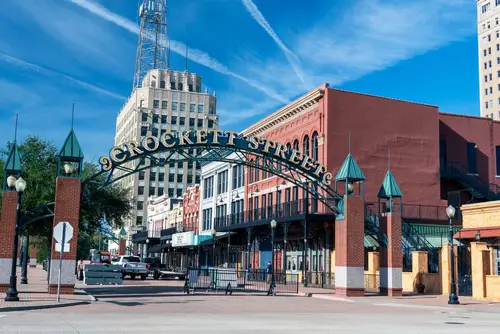
Beaumont’s economy centers on energy and industry. That focus limits options for many young professionals. Career paths can feel narrow and cyclical. Many leave for Houston without much hesitation.
Heat and sprawl affect quality of life. Social scenes feel small relative to metro size. Pay growth doesn’t always justify staying. Moving on feels logical.
29. Johnstown, Pennsylvania
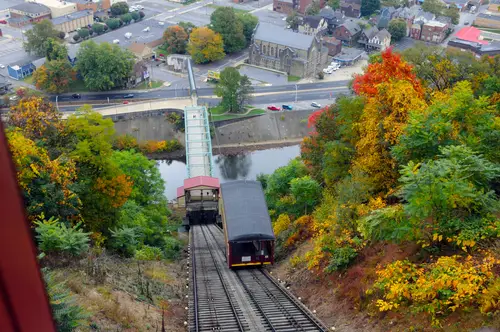
Johnstown has history but little momentum for young adults. Job opportunities remain limited and specialized. Many graduates accept that staying means stagnation. Leaving becomes part of the expected path.
The city’s isolation weighs heavily over time. Transit connections are weak. Social life shrinks as peers move away. Staying feels increasingly lonely.
30. Elmira, New York

Elmira offers affordability but limited opportunity. Healthcare and corrections dominate employment. Young adults struggle to find varied career paths. Many relocate after a few years.
The city’s size restricts social and professional growth. Winters intensify feelings of isolation. Friends leave quietly and rarely return. Leaving feels like self-advancement.
31. Texarkana, Arkansas–Texas
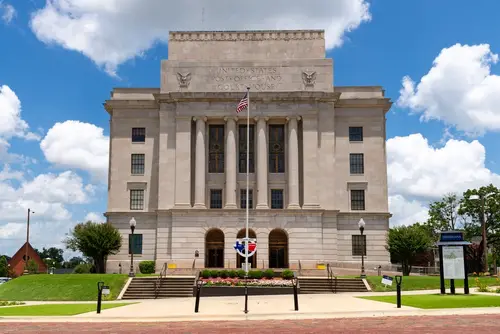
Texarkana’s split identity complicates growth. Jobs exist, but advancement is limited. Young professionals often feel stuck early. Many move to Dallas or Little Rock.
Social scenes are modest and repetitive. Transit options are minimal. Professional networks are small. Leaving feels like expansion.
32. Kankakee, Illinois
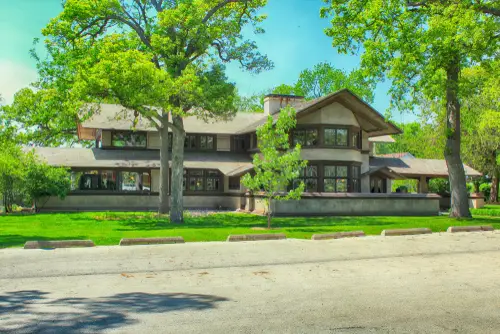
Kankakee educates young people who often don’t stay. Employment options are narrow outside healthcare. Career progression slows quickly. Many commute temporarily, then relocate.
The city’s social life is tightly bound. Dating pools are small. Cultural variety is limited. Leaving becomes a common choice.
33. Danville, Virginia
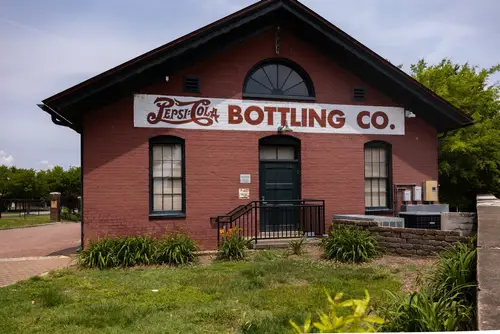
Danville’s revitalization hasn’t fully reached young adults. Jobs are growing slowly and unevenly. Many graduates don’t see long-term prospects. Leaving happens early and quietly.
The city’s size affects social energy. Transit and connectivity remain limited. Friends move away for larger markets. Staying feels like waiting.
This post 33 U.S. Cities Where Young Adults Keep Leaving—and Nobody Officially Talks About It was first published on American Charm.

