
1. Retail Store Manager

Retail store manager used to be a rung on the ladder to a solid middle-class life. It came with predictable schedules, real authority, and a salary that made the stress feel worthwhile. Today, many managers are salaried but working 50 to 70 hours a week without overtime. The pay often barely clears what hourly workers make when you break it down.
The reason this job belongs here is how responsibility has exploded while compensation hasn’t. Managers now cover staffing shortages, handle theft, and meet aggressive sales targets all at once. Corporate oversight is tighter, but local autonomy is thinner than ever. Stability turned into constant crisis management just to keep the doors open.
2. Public School Teacher

Teaching was once considered one of the safest professional careers in America. It offered a pension, decent benefits, and the promise of long-term job security. Today, many teachers are buying classroom supplies with their own money and working second jobs. In some states, starting salaries still lag far behind the local cost of living.
This job earns its place because the workload has intensified while support has eroded. Larger class sizes, standardized testing pressure, and political scrutiny are now part of daily life. Burnout rates are high, and turnover keeps rising. What used to feel like a calling with stability now feels like endurance training.
3. Newspaper Reporter
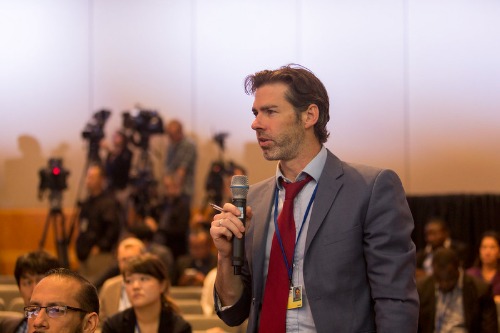
Being a newspaper reporter once meant a steady paycheck and a respected place in the community. Local papers supported families, and journalism was seen as a long-term career, not a pit stop. Today, newsrooms are smaller, layoffs are routine, and pay is often entry-level forever. Many reporters are expected to do writing, video, and social media for the same salary.
This role belongs on the list because the business model collapsed faster than the expectations did. Advertising revenue dried up, but the demand for constant content never slowed. Job security is fragile, even for experienced reporters. Survival mode kicks in when passion has to carry what pay no longer does.
4. Long-Haul Truck Driver
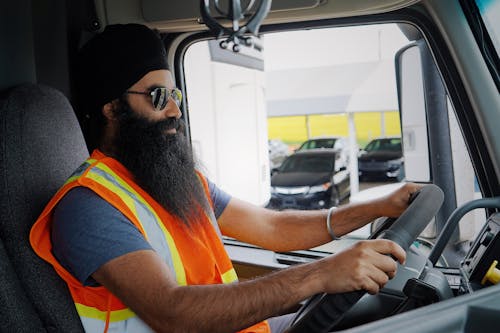
Long-haul trucking used to offer independence and a reliable income for people without college degrees. Drivers could support families, buy homes, and count on consistent demand. Now, many are paid by the mile, not by the hour, and unpaid waiting time eats into earnings. Rising fuel costs and tighter delivery windows add constant pressure.
The reason this job fits is the gap between perception and reality. Drivers shoulder responsibility for safety and expensive equipment with shrinking margins. Turnover is high because the lifestyle has become unsustainable for many. What was once stable now feels like a grind with no cushion.
5. Administrative Assistant

Administrative assistant roles once anchored offices and provided predictable, full-time work. These jobs offered benefits, regular hours, and room to grow into management. Today, many positions are temporary, underpaid, or split among multiple roles. One assistant often does the work that used to belong to three people.
This job makes the list because it reflects how white-collar stability has quietly eroded. Automation didn’t remove the work, it just increased expectations. Wages haven’t kept pace with inflation, especially outside major cities. Survival mode shows up when reliability is demanded but security isn’t returned.
6. Factory Production Worker
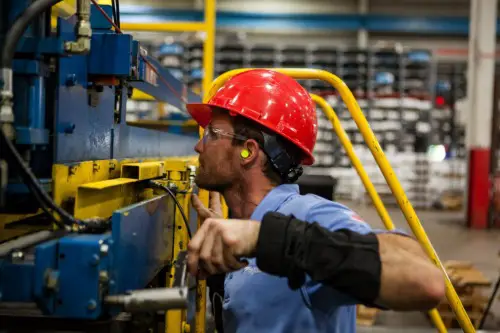
Factory work used to be synonymous with the American middle class. Union wages, predictable shifts, and benefits made manufacturing jobs a cornerstone of stability. Now, many factories rely on contract labor, rotating shifts, and minimal benefits. Pay varies wildly depending on location and employer.
This role belongs here because the floor beneath it keeps shifting. Automation and offshoring reduced long-term security without eliminating physical demands. Workers are expected to be flexible, fast, and replaceable. Stability faded, but the wear on bodies didn’t.
7. Home Health Aide

Home health aides perform intimate, essential work for elderly and disabled clients. The job has always been demanding, but it once offered consistent hours through agencies. Today, many aides juggle multiple clients just to piece together full-time pay. Benefits are often limited or nonexistent.
This job earns inclusion because the need is growing while conditions lag behind. The work can be emotionally and physically taxing with little financial reward. Turnover is high, which adds instability for workers and patients alike. Survival mode becomes the norm when care work isn’t cared for.
8. Restaurant Line Cook

Line cooks used to count on steady kitchen jobs, especially in busy restaurants. The work was hard, but full-time hours and tips in some kitchens made it viable. Today, schedules are unpredictable, and margins are razor thin. Many cooks bounce between restaurants to make rent.
This role belongs on the list because it shows how service work lost its footing. Rising food costs and labor shortages increased pressure without increasing pay. Burnout is common, and advancement is uncertain. Stability gave way to constant hustle.
9. Customer Service Call Center Worker

Call center jobs once promised steady employment without advanced degrees. Companies touted training, benefits, and clear performance metrics. Now, many centers rely on contract workers with strict monitoring and little job security. Wages are often low relative to the stress involved.
This job makes the cut because emotional labor is demanded at scale. Workers handle angry customers while being timed, recorded, and evaluated constantly. Burnout rates are high, and turnover is expected. Survival mode sets in when empathy becomes a metric, not a value.
10. Freelance Graphic Designer

Graphic design used to be a stable in-house role at many companies. Full-time designers built careers with predictable paychecks and benefits. Today, much of the work has been pushed into freelance marketplaces with downward price pressure. Designers often compete globally for short-term gigs.
This job belongs here because creative work lost its safety net. Experience doesn’t always translate to higher pay anymore. Income can fluctuate wildly month to month. Survival mode replaces stability when passion becomes the justification for low rates.
11. Social Worker

Social work has long been associated with stability and public service. Many roles came with benefits, manageable caseloads, and institutional support. Today, caseloads are often overwhelming, and pay doesn’t reflect the responsibility involved. Burnout is widespread across the field.
This role earns its place because the stakes are high and the support is thin. Social workers handle crises that affect families and communities daily. Staffing shortages make the work heavier for those who stay. Stability disappears when the system relies on sacrifice to function.
This post These American Jobs Used to Mean Stability—Now They’re Pure Survival Mode was first published on American Charm.

