
1. Dallas, Texas
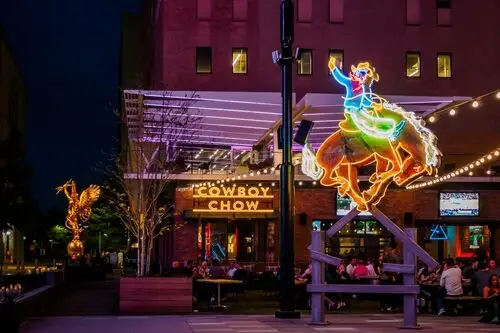
Dallas boasts a strong job market and constant development. Residents talk about long commutes, limited transit options, and rising housing costs. The city’s sprawl makes daily life car-dependent and time-consuming. Economic growth doesn’t always translate to quality-of-life gains.
Property taxes are another concern for homeowners. Infrastructure struggles to keep up with expansion. Heat and extreme weather add stress to daily routines. Dallas may be booming, but it can feel exhausting to live in.
2. San Francisco, California
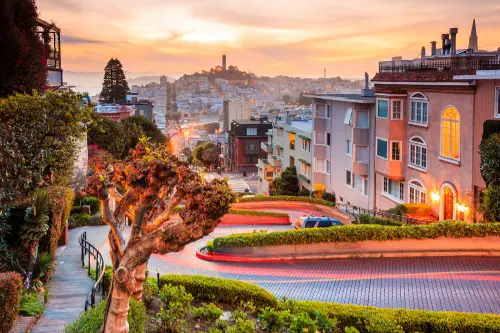
San Francisco still looks wealthy and powerful on paper, with sky-high incomes and world-changing companies headquartered nearby. Residents, however, deal daily with visible homelessness, property crime concerns, and empty storefronts downtown. The contrast between extreme wealth and street-level struggle is hard to ignore. Many locals say the city feels less functional than its economic reputation suggests.
Office vacancies have changed the rhythm of entire neighborhoods. Public transit recovery has been uneven, leaving commuters frustrated. Housing remains prohibitively expensive despite population losses. For people who live there, San Francisco’s problems feel deeply entrenched, not cosmetic.
3. Seattle, Washington
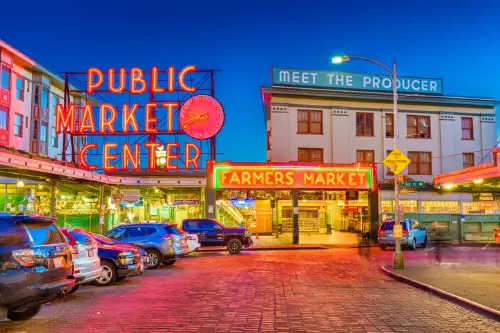
Seattle appears prosperous, backed by major employers and a strong regional economy. Residents, though, often cite rising housing costs and a sense that civic services haven’t scaled with growth. Traffic congestion and inconsistent transit reliability come up frequently in everyday conversations. The city’s glossy success story feels incomplete on the ground.
Many neighborhoods are grappling with visible drug use and homelessness. Small businesses complain about reduced foot traffic in once-bustling areas. Locals also mention a growing sense of isolation despite population density. It’s a city that looks healthy statistically but strained socially.
4. Denver, Colorado
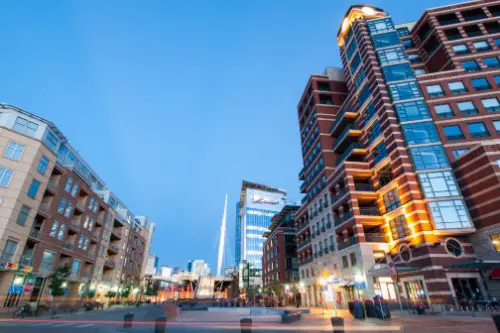
Denver consistently ranks high for quality of life, outdoor access, and job growth. Residents point out that affordability has eroded quickly, especially for renters and first-time buyers. Wages haven’t kept pace with housing and everyday costs. The result is a city that feels increasingly out of reach for many who work there.
Public services are another pressure point. Homelessness has become more visible, particularly near downtown corridors. Traffic and sprawl have increased as people move farther out to afford housing. Locals say Denver’s promise still exists, but it’s harder to access than it used to be.
5. Nashville, Tennessee
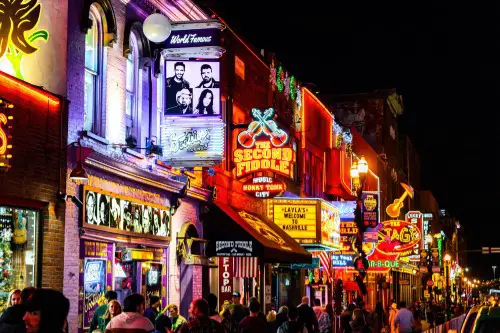
Nashville’s growth story looks fantastic in headlines, fueled by tourism, construction, and new residents. People who live there talk more about congestion, infrastructure strain, and a cost of living jump that arrived fast. Roads and transit systems weren’t designed for the current population. The city’s growth feels rushed and uneven.
Housing is a common complaint among longtime residents. Neighborhoods have changed rapidly, sometimes without community input. Service workers often struggle to live near where they work. The music is still loud, but daily life feels more complicated.
6. Phoenix, Arizona
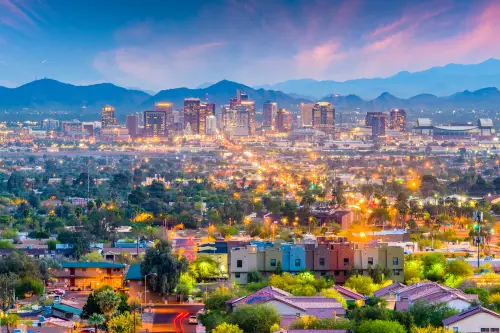
Phoenix looks like a Sun Belt success story with steady population growth and new development everywhere. Residents, however, worry about water sustainability and extreme heat becoming more disruptive each year. Summers are longer and more intense, affecting daily routines. The environmental stress is hard to see in economic charts.
Housing costs have also risen sharply compared to historical norms. Many residents feel the city expanded faster than schools, roads, and utilities could handle. Sprawl means longer commutes and higher transportation costs. Phoenix feels prosperous, but also increasingly fragile.
7. Miami, Florida
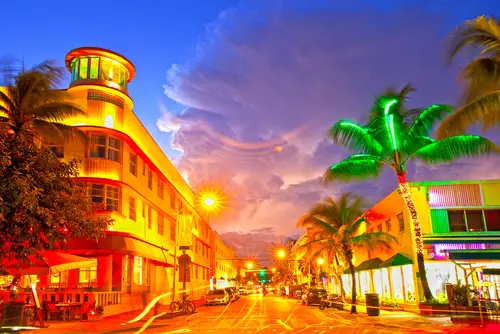
Miami’s image is all luxury condos, nightlife, and international money. Residents deal with soaring insurance costs, especially for homeowners, and constant concerns about flooding. Everyday expenses often feel disconnected from local wages. The glamour doesn’t pay the bills for most people.
Traffic and overcrowding add to the strain. Longtime locals say the city feels less livable as speculative development accelerates. Climate risks are a daily reality, not a distant worry. Miami may look booming, but many residents feel anxious about its future.
8. Charlotte, North Carolina
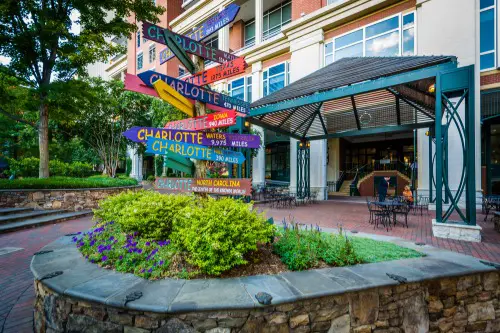
Charlotte presents itself as a polished banking hub with steady job creation. Residents say the city struggles with weak public transit and car-dependent sprawl. Growth has been fast, but planning hasn’t always kept up. Daily commutes can feel surprisingly inefficient for a city its size.
Housing affordability has worsened, especially near job centers. Longtime neighborhoods are changing rapidly, sometimes without adequate infrastructure upgrades. Locals also mention a lack of community identity in newer developments. Charlotte looks successful, but can feel disconnected.
9. Raleigh, North Carolina
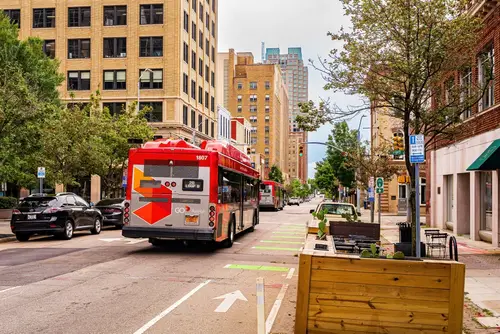
Raleigh benefits from a strong tech and research economy, giving it a solid reputation nationally. Residents point out that rapid growth has strained roads, schools, and housing supply. Traffic has increased dramatically in areas once known for easy driving. The city feels caught between small-town roots and big-city pressures.
Rent and home prices have risen faster than many expected. Some locals worry that Raleigh is losing its sense of balance. Development often outpaces public input. On paper it’s thriving, but daily life feels more complicated than advertised.
10. Columbus, Ohio
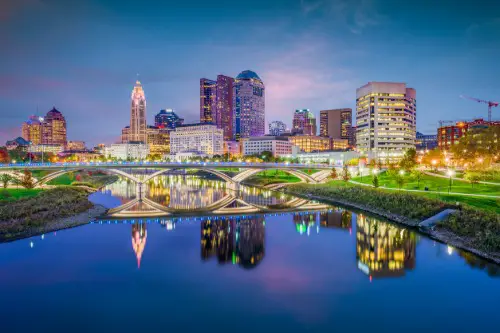
Columbus often flies under the radar as a stable, growing Midwestern city. Residents say housing costs are rising quickly compared to local wages. Infrastructure improvements lag behind population growth in some areas. The affordability advantage people once praised is shrinking.
Economic growth hasn’t reached all neighborhoods equally. Public transit limitations remain a frequent complaint. Longtime residents worry about displacement in redeveloping areas. Columbus looks solid statistically, but uneven in lived experience.
11. Austin, Texas
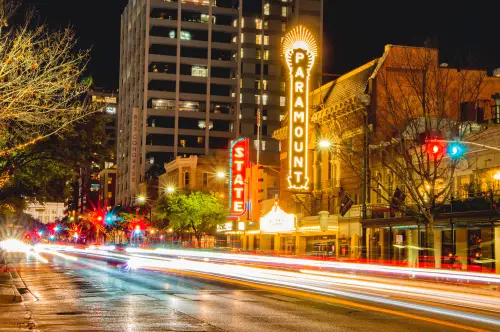
On paper, Austin is a boomtown with nonstop job growth, tech offices, and glossy rankings calling it one of America’s hottest cities. Residents, though, talk a lot more about traffic that seems to worsen every month and rent increases that feel detached from local wages. Longtime Austinites say the city’s infrastructure never caught up to its population surge. The vibe is still fun, but many feel the ease that once defined Austin has slipped away.
The housing market is the biggest sore spot people mention. Even with some recent cooling, prices remain far above what many service workers and creatives can afford. Popular neighborhoods feel increasingly exclusive, pushing people farther out. For residents, the city’s success often feels like it’s happening to them, not for them.
12. Atlanta, Georgia
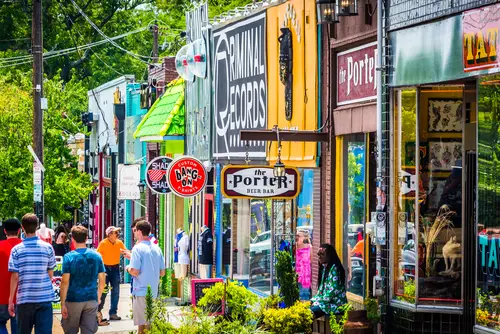
Atlanta’s economy looks robust, supported by diverse industries and corporate headquarters. Residents often mention traffic as a defining feature of daily life. Housing affordability has worsened, especially close to job centers. Growth feels uneven across neighborhoods.
Public transit coverage remains limited for a metro area its size. Longtime residents worry about displacement in historically Black neighborhoods. The city’s promise is real, but access to it isn’t equal. Atlanta thrives on paper, yet feels fragmented on the ground.
13. Boise, Idaho
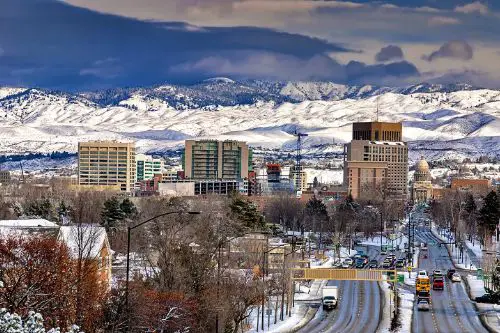
Boise’s rapid rise in popularity made it a poster child for pandemic-era migration. Residents say housing costs surged far beyond what local wages support. The pace of change caught many off guard. What once felt manageable now feels tense.
Infrastructure and services are under pressure from growth. Longtime locals worry about losing the city’s character. Traffic and crowding are new frustrations. Boise still looks idyllic, but residents feel the growing pains every day.
14. San Jose, California
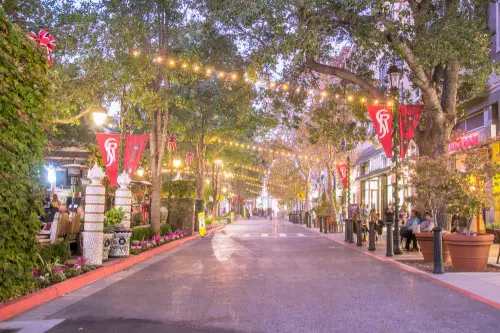
San Jose ranks as one of the wealthiest cities in the country thanks to its proximity to Silicon Valley. Median incomes and employment figures look impressive in reports and rankings. Residents, however, experience a daily reality shaped by extreme housing costs and limited options outside of tech. The prosperity feels narrowly distributed rather than broadly shared.
Rent and home prices dominate local anxiety. Even well-paid workers often feel stretched, while service workers are pushed far from the city. Public spaces and downtown areas feel quieter than the numbers would suggest. On paper San Jose thrives, but many residents say it lacks livability and soul.
15. Los Angeles, California
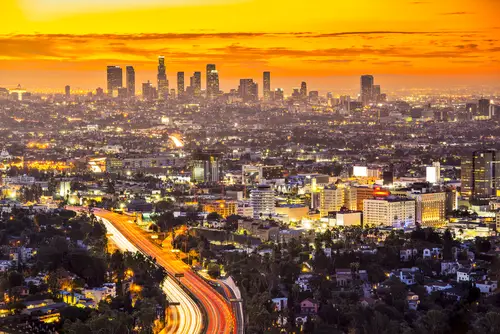
Los Angeles posts massive economic output and constant development activity. The region attracts talent, investment, and global attention year after year. Residents deal with punishing traffic, housing insecurity, and stark inequality across neighborhoods. The scale of the city magnifies everyday frustrations.
Homelessness is visible across many parts of the city. Long commutes eat into work-life balance even for higher earners. Infrastructure struggles to support the population spread across such a vast area. LA looks powerful statistically, but exhausting in practice.
16. San Diego, California

San Diego regularly ranks high for weather, lifestyle, and employment stability. From the outside, it appears balanced and highly desirable. Residents point out that housing costs rival much larger metros while wages often lag behind. The relaxed image masks growing financial pressure.
Rent increases have pushed many locals inland or out of the region entirely. Traffic congestion has worsened as density increases without major transit expansion. Younger residents feel locked out of long-term stability. San Diego looks ideal on paper, but increasingly difficult to sustain.
17. Tampa, Florida
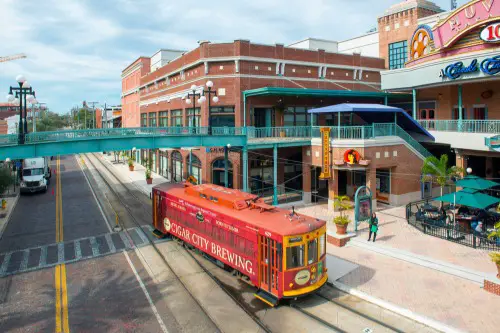
Tampa’s population growth and job numbers signal a booming metro. New developments and relocations have reshaped the city quickly. Residents say infrastructure and wages haven’t kept pace with rising costs. The adjustment has been jarring for longtime locals.
Housing affordability has changed dramatically in just a few years. Traffic congestion is now a daily complaint in areas once considered easy to navigate. Flooding and storm risks add to underlying anxiety. Tampa appears ascendant, but residents feel the cracks forming.
18. Salt Lake City, Utah
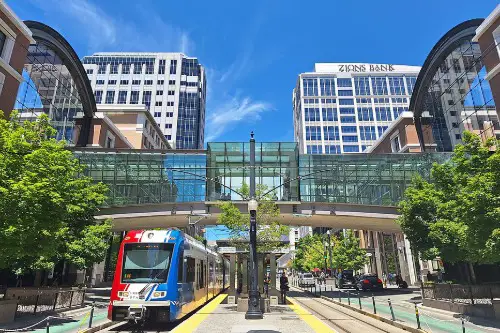
Salt Lake City scores well for economic growth and employment rates. Migration has boosted its national profile and development activity. Residents say housing costs have risen far faster than expected. The city’s growth feels compressed and intense.
Traffic and air quality issues are increasingly hard to ignore. Infrastructure upgrades lag behind population increases. Some locals feel cultural and community tensions growing alongside density. Salt Lake City looks successful, but unsettled.
19. Minneapolis, Minnesota

Minneapolis often appears strong in education, healthcare, and corporate presence. Quality-of-life metrics still place it near the top nationally. Residents describe a city dealing with public safety concerns and uneven recovery in certain areas. The disconnect between rankings and lived experience feels stark.
Downtown areas struggle with reduced foot traffic. Transit reliability and public confidence remain mixed. Housing costs continue to rise despite slower population growth. On paper Minneapolis looks steady, but residents sense instability.
20. Houston, Texas
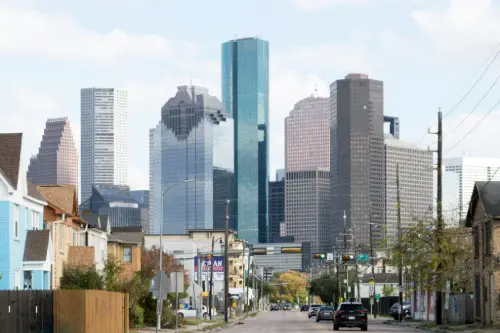
Houston’s economy is massive and diverse, anchored by energy, medicine, and shipping. Job growth and affordability metrics often look favorable compared to other large cities. Residents describe endless sprawl, flooding risks, and car-dependent daily life. The scale creates hidden costs.
Traffic congestion dominates daily routines. Infrastructure varies dramatically by neighborhood. Extreme weather events feel more frequent and disruptive. Houston thrives economically, but feels increasingly stressful to navigate.
21. Las Vegas, Nevada
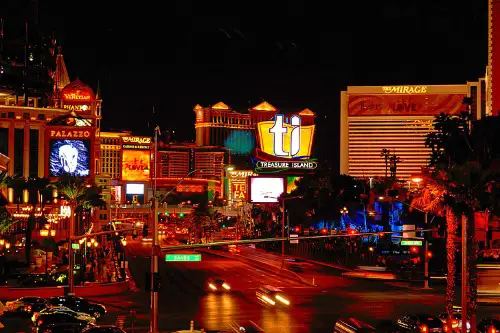
Las Vegas shows strong job recovery and population growth in recent data. Tourism and construction continue to fuel the local economy. Residents deal with rising housing costs and water sustainability concerns. The city’s desert reality clashes with its growth trajectory.
Service workers feel especially squeezed by cost increases. Summers are becoming more difficult to manage. Infrastructure strain is growing as development accelerates. Las Vegas looks resilient on paper, but residents feel vulnerable.
This post These American Cities Look Thriving on Paper—but Residents Know Something’s Off was first published on American Charm.

