
1. The Knack – “My Sharona”
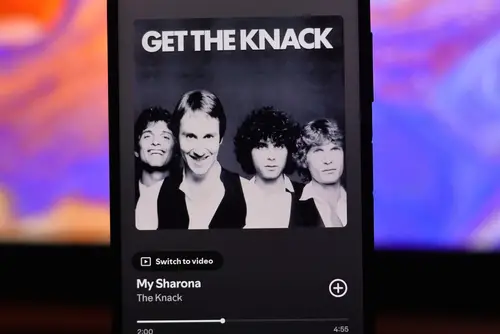
“My Sharona” exploded in 1979, spending six weeks at No. 1 on the Billboard Hot 100 and becoming one of the biggest singles of the decade. Its staccato riff and relentless energy made it instantly addictive, but also incredibly repetitive. The band was quickly hyped as the next big thing in power pop, thanks largely to that one song. The attention came fast and landed hard.
The Knack did have other releases, but none escaped the shadow of their debut hit. Over time, the song’s ubiquity sparked backlash, with critics and listeners questioning whether it deserved its legendary status. “My Sharona” endured through movies and radio rotations while the band faded from view. That imbalance is why it remains a classic case of a hit outweighing its creators.
2. Crazy Town – “Butterfly”

“Butterfly” rode a Red Hot Chili Peppers sample all the way to No. 1 on the Billboard Hot 100. It arrived at the exact moment when rap-rock was everywhere, which helped it dominate radio and MTV. The song’s success was more about timing and borrowing familiar sounds than originality. Once that window closed, so did public interest.
Crazy Town struggled to convince listeners they had more to offer beyond that single track. Follow-up releases came and went with little notice. In retrospect, the massive exposure feels out of proportion to the band’s creative output. “Butterfly” fluttered high, but there was never much underneath it.
3. Vanilla Ice – “Ice Ice Baby”

There’s no denying that “Ice Ice Baby” was a cultural meteor, hitting No. 1 on the Billboard Hot 100 and instantly becoming unavoidable. The problem is that the song’s success had more to do with novelty, image, and a very familiar bassline than lyrical skill or staying power. Vanilla Ice was suddenly everywhere, from music TV to commercials, long before anyone knew whether he could actually sustain a career. Once the moment passed, it became clear the attention wildly outweighed the depth of the catalog.
To be fair, the song did capture a specific late-’80s, early-’90s crossover moment for hip-hop and pop. Still, the backlash came just as fast as the fame, and subsequent singles failed to make a real impact. The public interest was massive, but shallow, and it evaporated almost overnight. That imbalance is exactly why Vanilla Ice remains the textbook example of hype exceeding substance.
4. Semisonic – “Closing Time”
“Closing Time” became the rare bar-closing song that everyone seemed to know by heart. It climbed into the Top 20 and was adopted as an end-of-everything anthem, from last calls to graduations. The attention fixated almost entirely on that chorus, ignoring the band’s broader alt-rock identity. Semisonic became defined by one song they couldn’t escape.
The irony is that they released other singles and albums that showed more range and better songwriting. None of that mattered once “Closing Time” took on a life of its own. The song’s ubiquity turned it into a cultural shorthand rather than a piece of music. That level of exposure was impossible for the band to live up to.
5. Harvey Danger – “Flagpole Sitta”

“Flagpole Sitta” exploded in the late ’90s thanks to its sarcastic lyrics and infectious energy. It cracked the Billboard Hot 100 and became a staple of teen movies and rock radio. The song’s popularity made Harvey Danger seem like bigger players in the alternative scene than they really were. One track ended up representing an entire era for them.
The band actually had sharp writing and a clear point of view beyond that hit. Unfortunately, none of it cut through the noise created by “Flagpole Sitta.” Audiences wanted that same jittery, ironic rush over and over again. When it didn’t reappear, the attention vanished just as quickly.
6. Bobby McFerrin – “Don’t Worry, Be Happy”

“Don’t Worry, Be Happy” topped the Billboard Hot 100 and became the first a cappella song to ever do so. Its cheerful whistle hook and relentlessly positive message made it inescapable in 1988. What drove some listeners crazy was how the song’s novelty overshadowed McFerrin’s actual musicianship and versatility. The attention focused almost entirely on the gimmick, not the artist.
McFerrin was already a respected jazz vocalist with serious technical chops before the hit. However, mainstream audiences largely ignored everything else he did, reducing him to that one ultra-perky song. The massive exposure flattened a complex career into a punchline. In that sense, the spotlight did him no favors at all.
7. Tag Team – “Whoomp! (There It Is)”

“Whoomp! (There It Is)” became a party command rather than just a song in 1993. It shot to No. 2 on the Billboard Hot 100 and was blasted at sporting events, clubs, and commercials nonstop. The chant-along structure meant it didn’t ask much of listeners beyond shouting the hook. That simplicity helped it dominate far more space than the duo’s actual musical footprint.
Tag Team never managed to come close to that level of visibility again. Other releases barely registered outside of regional or novelty contexts. The song became bigger than radio, turning into a permanent piece of pop culture background noise. That level of saturation made the attention feel wildly disproportionate to the rest of their output.
8. The Rembrandts – “I’ll Be There for You”
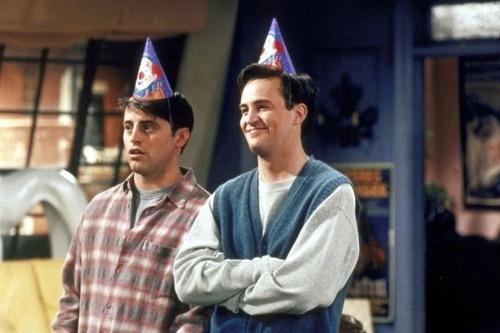
“I’ll Be There for You” is inseparable from the opening credits of Friends. The song reached the Top 20 on the Billboard Hot 100 largely because of its television exposure rather than organic radio demand. For many listeners, it existed more as a theme song than a standalone track. That association drove an enormous amount of attention very quickly.
The Rembrandts had a full catalog and even a prior charting single, but none of it stuck culturally. Everything they did afterward was eclipsed by that four-clap intro. The band became frozen in time as “the Friends guys.” The attention was massive, but it reduced their career to a single use case.
9. The Weather Girls – “It’s Raining Men”

“It’s Raining Men” became a dance-pop juggernaut and an enduring LGBTQ+ anthem. The song cracked the Top 50 in the U.S. and took on a much bigger life internationally and culturally over time. Its campy delivery and bold lyrics made it unforgettable, but also overshadowed everything else the duo recorded. The song’s personality completely swallowed the artists behind it.
The Weather Girls had strong voices and roots in gospel and disco scenes. Still, mainstream audiences never connected with their broader body of work. Decades later, the song remains omnipresent while the group’s name often needs explanation. That imbalance makes it a clear case of attention outweighing recognition.
10. Norman Greenbaum – “Spirit in the Sky”

“Spirit in the Sky” shot to No. 3 on the Billboard Hot 100 in 1970 and became instantly recognizable for its fuzzy guitar and spiritual lyrics. The song stood out because it blended gospel themes with rock in a way that felt both earnest and slightly strange. That uniqueness helped it grab enormous attention very quickly. It also meant the song towered over everything else Greenbaum ever released.
Despite the hit’s longevity in movies, commercials, and TV shows, Greenbaum never replicated that success. Most casual listeners are surprised to learn the song was written and performed by a Jewish artist experimenting with religious imagery. His broader catalog never entered the mainstream conversation. As a result, the cultural footprint of the song far exceeds the public awareness of the artist behind it.
This post These American One-Hit Wonders Got Way More Attention Than They Deserved was first published on American Charm.

