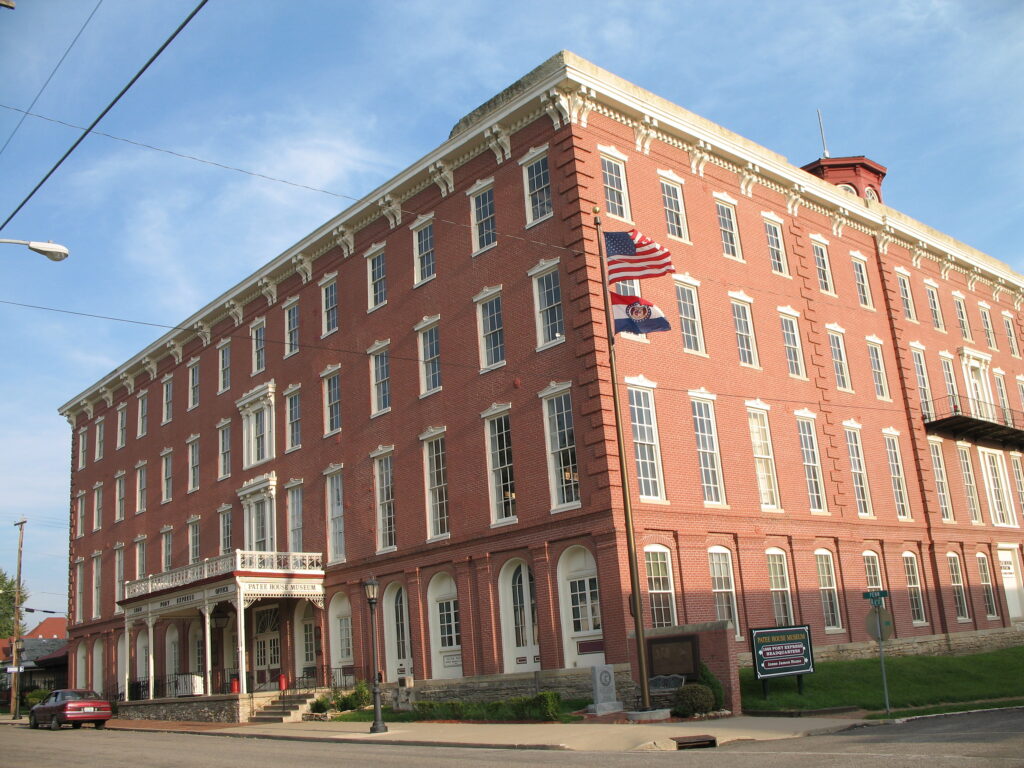
1. Talking Too Loud in Quiet Cultures
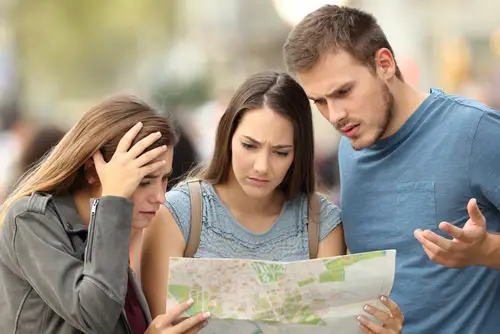
Americans are often comfortable projecting their voices, especially in restaurants and public spaces. In many countries, conversation volume is noticeably lower, particularly on trains, buses, and cafes. When one table dominates the room with booming laughter, everyone notices. It can come across as a lack of awareness rather than enthusiasm.
The reason this grates on locals is that shared spaces are treated as communal, not personal. Quiet allows others to relax, work, or simply exist without intrusion. When visitors adjust their volume, interactions instantly feel more respectful. It is an easy fix that signals you are paying attention to local norms.
2. Assuming Tipping Works the Same Everywhere

In the United States, tipping is baked into wages and service culture. That is not true in much of Europe, Asia, and Australia, where service charges or fair wages are standard. Leaving large tips can confuse staff or even cause awkward moments. In some places, tipping can be interpreted as showing off or misunderstanding the system.
Locals find this annoying because it signals that visitors did not do basic homework. Service workers may have to explain policies again and again. Checking the local custom before paying avoids discomfort on both sides. It also prevents accidentally overpaying or offending someone who prides themselves on their profession.
3. Expecting Free Refills and Lots of Ice

Free drink refills are common in American restaurants, but they are rare abroad. In many countries, beverages are priced individually and served in smaller portions. Asking repeatedly for refills or extra ice can come off as demanding. It also slows down service in places not set up for that model.
Locals get irritated because it disrupts how restaurants are designed to operate. Ice may be limited due to water quality concerns or tradition. Servers are not being stingy when they say no. Ordering another drink and accepting the portion is the normal approach.
4. Dressing Too Casually at Churches and Sacred Sites

Shorts, tank tops, and flip flops are everyday wear in many American cities. Historic churches, temples, and mosques often require covered shoulders and knees. Showing up underdressed can lead to denied entry or borrowed cover ups. Even when entry is allowed, it can feel disrespectful to worshippers.
This behavior annoys locals because these places are not tourist attractions first. They are active religious sites with long standing customs. Dress codes exist to maintain dignity and reverence. Taking a moment to pack appropriate clothing shows cultural sensitivity.
5. Skipping Greetings and Pleasantries

Americans often jump straight to the point when ordering or asking questions. In countries like France, Italy, and Japan, greetings are an expected part of any interaction. Failing to say hello before a request can feel abrupt. It can read as rudeness rather than efficiency.
Locals care about this because greetings establish mutual respect. They signal that you recognize the other person as more than a transaction. A simple hello in the local language goes a long way. It often results in warmer service and more patience.
6. Comparing Everything to Home

It is natural to notice differences while traveling. Problems arise when every comment starts with how it is done back home. Saying things like we do this better in America can sound dismissive. Locals may feel their culture is being judged rather than appreciated.
This annoys people because it centers the visitor instead of the place. Travel is about learning, not ranking countries. Asking why something is done a certain way invites conversation. Declaring one system superior usually shuts it down.
7. Ignoring Queue and Line Etiquette

Queueing rules vary widely from country to country. In places like the United Kingdom and Japan, lines are taken very seriously. Standing too close, cutting, or hovering can cause visible frustration. Americans may not realize they are breaking an unspoken rule.
Locals get annoyed because queues are about fairness and order. Everyone is expected to wait their turn without negotiation. Watching how others line up is the best guide. When in doubt, asking politely is appreciated.
8. Using Phones on Speaker in Public

Speakerphone conversations are fairly common in American public spaces. In many countries, this is considered intrusive. Playing videos or taking loud calls forces strangers into your conversation. Public transport is where this stands out the most.
People find this irritating because quiet is treated as a shared courtesy. Headphones are expected for music and videos. Private calls are meant to stay private. Lowering your volume signals respect for everyone around you.
9. Not Learning Basic Local Words
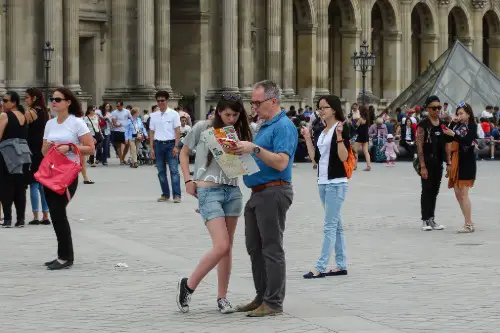
English is widely spoken in tourist areas, but not everywhere. Some Americans rely on it exclusively. Approaching people without attempting a local word can feel entitled. Even fluent English speakers notice the lack of effort.
This bothers locals because language is tied to identity. Simple words like please and thank you show humility. Mispronunciation is usually forgiven when the effort is genuine. Refusing to try is what leaves a bad impression.
10. Expecting American Style Customer Service
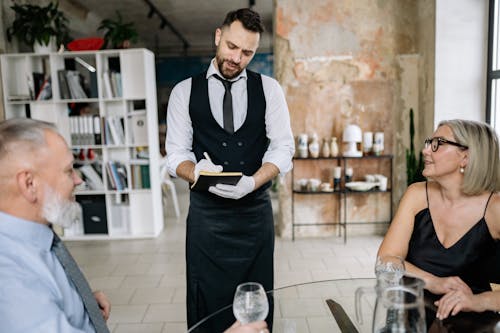
In the United States, servers often check in frequently and smile constantly. Elsewhere, service can be more hands off. Interpreting this as rude is a common mistake. The goal is to give you space, not ignore you.
Locals get frustrated when visitors complain about slow or unfriendly service. Different cultures define professionalism differently. Waving or snapping to get attention is especially frowned upon. Understanding the local rhythm makes meals more enjoyable.
11. Turning Every Conversation Political

American politics are highly visible and emotionally charged. Some travelers bring that intensity into casual conversations abroad. Lecturing locals about policies or elections can feel exhausting. People may just want to talk about daily life.
This annoys locals because visitors are temporary guests. Political debates often lack shared context. Asking questions and listening is usually welcomed. Pushing opinions rarely builds the cultural exchange people hope for.
This post These American Behaviors Abroad Really Annoy Locals was first published on American Charm.