
1. Revival of overnight rail travel

Amtrak and private operators have been exploring upgraded sleeper routes, responding to renewed interest in slower, scenic travel. More Americans are noticing that train trips offer room to move, sleep, and disconnect. With new infrastructure funding rolling out, 2026 could see better reliability and comfort on long-distance routes. This positions rail as a meaningful alternative to short-haul flights.
The appeal here is as much about vibe as it is practicality. Travelers want experiences that feel nostalgic but still comfortable. Being able to watch landscapes roll by while sipping coffee is becoming a selling point. That growing emotional appeal is exactly why this trend belongs on the list.
2. AI-personalized trip planning

AI trip-planning tools are expected to get even more intuitive in 2026 as mainstream platforms integrate real-time travel data with personal preferences. Travelers will likely use AI to compare flight disruptions, weather shifts, and local events within seconds. This makes planning less stressful and more adaptable, especially for anyone juggling work and family. It’s showing up now in early travel apps, so it’s reasonable to expect fuller adoption by next year.
As a result, more Americans may ditch traditional itinerary research in favor of dynamic micro-itineraries. These AI-generated plans will adjust instantly if a museum closes or a storm rolls in. People are drawn to the idea of fewer surprises and smoother days. That sense of control is a major reason this trend deserves a spot on the list.
3. Easier passport and ID verification
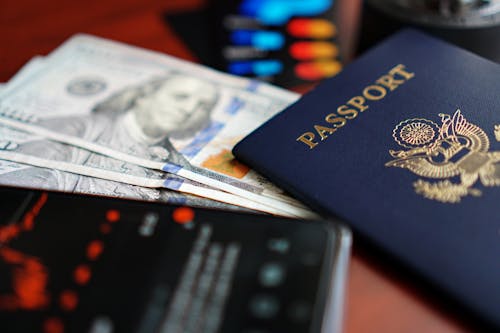
Digital IDs are gaining traction in U.S. airports, and more states are rolling out mobile driver’s licenses that meet federal standards. This makes security lines move faster and reduces the need to handle physical documents. Travelers appreciate anything that cuts down on fumbling with paperwork. With the tech already being piloted, 2026 could be the year digital identity becomes routine.
Because verification will be faster, airports may be able to handle higher volumes of travelers with fewer bottlenecks. This helps make holiday travel less chaotic, a big win for families. It also expands accessibility for travelers who worry about losing documents. The convenience factor is the main reason this trend is becoming a defining one.
4. Work-cations that blend jobs with leisure

Remote-friendly workplaces aren’t going away, and hybrid setups are now normalized for millions of Americans. That means more people will extend vacations by a few days to work from their rental or resort. This lets them stretch PTO without sacrificing job duties. As more companies embrace location flexibility, 2026 is poised to make work-cations fully mainstream.
The “slow travel” movement benefits from this shift, because longer stays usually mean deeper local experiences. Travelers spend more at small businesses when they stay for weeks, not days. This trend therefore pushes economic impact beyond traditional tourist zones. Its blend of practicality and enjoyment is exactly why it’s worth calling out.
5. Domestic micro-adventures

High flight prices and crowded international destinations are pushing many Americans to consider two- to four-day getaways closer to home. These micro-adventures appeal to people who want excitement without long travel days. Exploring small towns, state parks, and quirky regional festivals is becoming more attractive. It also aligns with rising interest in maximizing weekends.
Because these trips are easier to plan, they’re ideal for families or travelers who don’t want to depend on vacation days. Social media has also amplified lesser-known locations, making them feel newly discoverable. Travelers love “hidden gems,” and many states have begun promoting exactly that. The growing accessibility and affordability are why this trend stands out.
6. Expanded Indigenous-led tourism

Interest in culture-forward tourism is rising, and more travelers want authentic, community-guided experiences. Indigenous nations in the U.S. have been building new tourism programs around heritage, land stewardship, and storytelling. 2026 could see even more visibility thanks to additional funding and partnerships. This gives travelers a chance to learn directly from the communities whose histories shape many landscapes.
The reason this matters is that it blends education, sustainability, and respect. These experiences offer context travelers don’t get from typical tours. People are increasingly seeking meaning in their vacations, not just photo ops. This emphasis on learning is why Indigenous-led tourism is becoming more influential.
7. Peak-season avoidance strategies

More Americans are intentionally shifting travel to shoulder months to avoid higher prices and crowds. Climate patterns are also changing, and people are adapting by choosing cooler seasons for popular destinations. Destinations like national parks, beaches, and mountain towns are already reporting more visits in spring and fall. That momentum will likely continue into 2026.
Avoiding peak season gives travelers more flexibility and better deals. It also spreads tourism revenue more evenly across the year, helping local economies. Families especially value calmer conditions and shorter lines. This growing preference for off-peak travel is shaping how destinations plan for the future.
8. Surge in wellness-first vacations

Wellness travel is expanding beyond yoga retreats into sleep-focused hotels, thermal spa circuits, and nature-therapeutic experiences. Americans are prioritizing mental and physical recovery after years of economic and personal stress. Resorts and destinations are responding by adding wellness menus and specialized programming. By 2026, it will likely be a core part of mainstream vacationing.
People want trips that leave them feeling better rather than exhausted. Wellness components make vacations feel more purposeful and restorative. Travelers are also willing to spend more on experiences tied to health. This growing demand is why the trend is becoming central to U.S. travel planning.
9. Rise of electric road trips
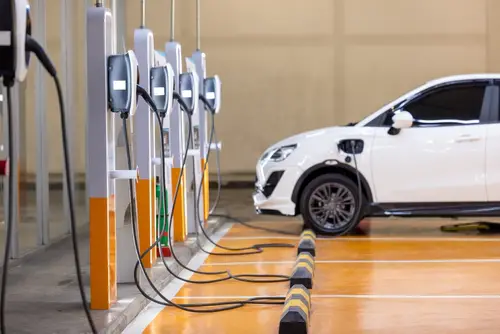
EV sales continue to grow nationally, and charging networks are expanding quickly along major highways. This makes long-distance electric road trips more practical for families and solo travelers alike. Tourism boards have started mapping scenic EV routes to highlight attractions near chargers. That momentum will likely make 2026 a big year for electric-focused itineraries.
EV road trips are appealing because they combine sustainability with affordability. With fuel prices fluctuating, charging can feel more predictable. Many drivers also enjoy discovering small towns during charging stops. This blend of convenience and environmental consciousness makes the trend noteworthy.
10. Museum and theme-park tech upgrades

Many cultural institutions and theme parks are experimenting with augmented reality exhibits, virtual queuing, and interactive storytelling. These upgrades make visits more engaging and reduce passive wait times. As more locations adopt the tech, 2026 visitors will likely expect these features as standard. Kids especially respond well to these immersive experiences.
The draw here is better crowd management and more personalized entertainment. Digital overlays can turn a simple exhibit into a narrative adventure. Visitors also appreciate smoother logistics during busy travel seasons. The combination of fun and efficiency is why this trend is accelerating.
11. Travelers prioritizing climate-resilient destinations

Wildfires, heat waves, and flooding are reshaping where Americans feel comfortable traveling. Many are looking for destinations with reliable weather patterns or strong climate-adaptation plans. This could shift interest toward cooler coastal areas, mountain escapes, and inland cities with good infrastructure. Safety and predictability are becoming bigger parts of planning.
Because climate disruptions can ruin a trip, travelers want places with fewer surprise closures or hazards. This encourages destinations to invest in resilience projects and transparent communication. The trend also influences insurance choices, with more people opting for coverage that accounts for extreme weather. Its impact on decision-making makes it a significant development.
12. Group travel for reconnection
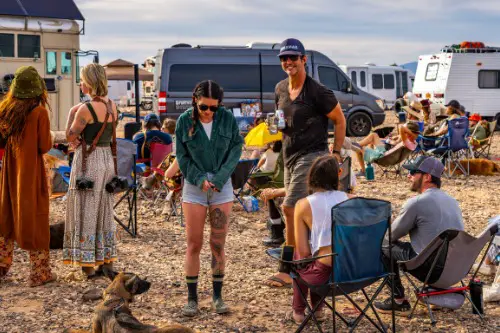
Americans are increasingly planning multigenerational trips, reunion-style vacations, and friend-group getaways. Rising interest in shared experiences has grown as people look for deeper connection. Vacation rentals, private tours, and group-friendly resorts are adapting to accommodate larger parties. By 2026, these setups may be easier to book and more widely promoted.
Group travel matters because it spreads costs and creates a sense of togetherness. Travelers enjoy the shared planning and memory-making aspect. Businesses benefit from larger bookings and predictable revenue. That emotional and practical appeal is what solidifies this trend for 2026.
This post 12 U.S. Travel Trends That Will Define How Americans Vacation in 2026 was first published on American Charm.

