
1. Disposable Batteries
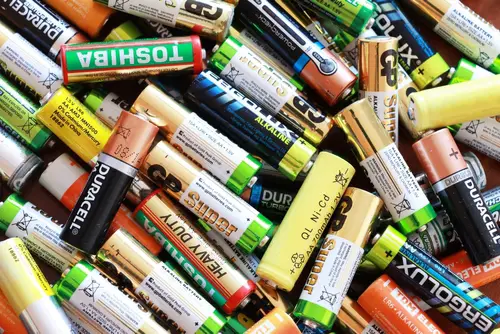
Disposable batteries cost more than their long-term value because they’re single-use and require expensive materials like zinc and manganese dioxide. Rechargeable options last far longer, but disposables remain common. People buy them because they’re widely available and require no chargers. For occasional use, the upfront cost feels simpler.
Remote controls, toys, and emergency flashlights still rely on them, keeping sales steady. Many households forget to buy rechargeables or find them inconvenient. As long as retailers keep stocking big multipacks, people treat disposables as a default. The pattern continues even though the economics favor rechargeables.
2. Bottled Water
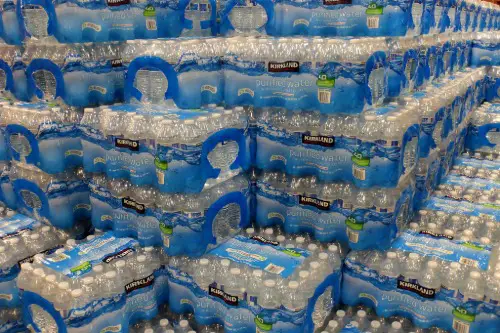
Bottled water often costs more to produce and package than the water itself is worth. Much of the expense comes from plastic manufacturing, bottling infrastructure, and transportation. Despite that, Americans buy billions of bottles every year because it’s convenient and heavily marketed as “pure.” Many people don’t realize that a large share of bottled water is just filtered tap water.
Consumers keep buying bottled water because it feels safer or more reliable, even when local tap water meets strict safety standards. The single-serve bottle format also makes it easy to grab and go, which fuels repeat purchases. Branding plays a huge role too, convincing buyers it’s worth the premium. And of course, once it becomes a habit, people rarely rethink the cost.
3. K-Cups
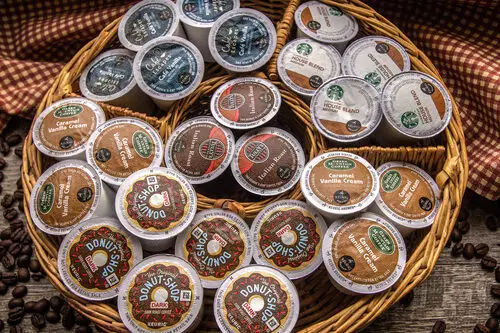
K-Cups are notoriously costly to produce due to their multi-layer plastic, foil lids, and precision filling processes. When you calculate cost per cup, they’re far more expensive than buying ground coffee. But they’ve become a staple because people love the convenience of brewing a single portion without mess or cleanup. The machines themselves reinforce the ecosystem, making it hard to switch.
Even though the cups generate a lot of waste, many buyers accept the tradeoff for the speed and predictability they offer. The perception of fresher coffee—even though it’s pre-ground and sealed—also keeps people using them. Office culture has normalized them, moving the habit into homes. And once someone buys the brewer, K-Cups become a recurring purchase.
4. Greeting Cards
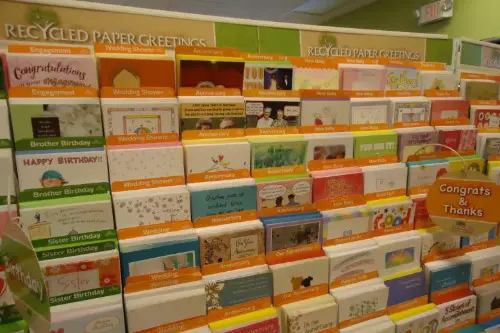
Greeting cards cost pennies to print but often retail for several dollars due to design, licensing, and retail markup. Many include glitter, embossing, or pop-up features that don’t add much functional value. Still, people buy them because they’re seen as a meaningful gesture. They offer an easy way to personalize a message without writing something from scratch.
Cards also thrive on emotional pressure—holidays, birthdays, and events where you’d feel rude showing up empty-handed. Most shoppers grab them last-minute, which leads to paying whatever price is on the rack. Even though digital messages exist, they don’t feel as tangible or thoughtful. That emotional value keeps the industry afloat despite low material worth.
5. Pre-Cut Fruit Cups
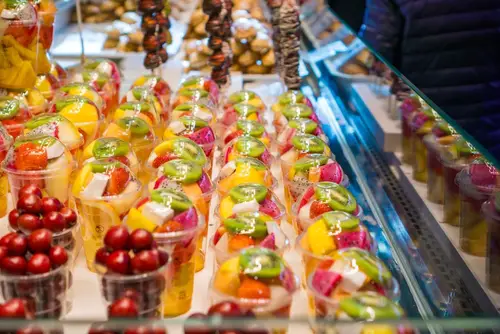
Pre-cut fruit cups are expensive because of the labor, packaging, and short shelf life involved. The fruit itself isn’t the pricey part—it’s the processing and waste management. Retailers charge a premium to cover spoilage risks. Still, people buy them because they’re quick and require zero prep.
Busy shoppers are willing to trade extra dollars for convenience and portability. Many see them as a healthier snack alternative they don’t want to prep at home. Kids’ lunch boxes also help drive demand, since the cups are portioned and mess-free. Even knowing they could cut the fruit themselves, many consumers choose the easier route.
6. Printer Ink Cartridges
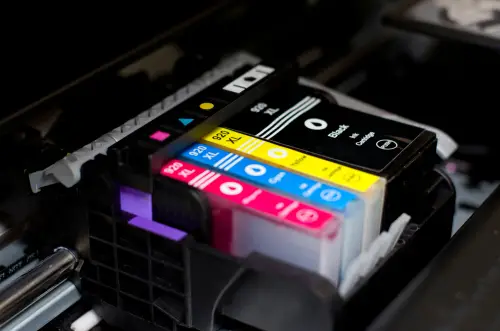
Printer ink is famously more expensive per ounce than luxury perfumes. Manufacturing the cartridges themselves isn’t costly, but companies use proprietary designs that lock you into their brand. The pricing model relies on selling printers cheaply and ink at a premium. Consumers keep buying because most printers won’t work without brand-specific cartridges.
Infrequent printer use also causes ink to dry out, forcing replacements sooner than expected. Many people stick with the same printer because upgrading feels like a hassle. Even third-party cartridges can be hit-or-miss, pushing buyers back to official brands. The cycle continues because people need occasional prints and have few alternatives.
7. Dryer Sheets
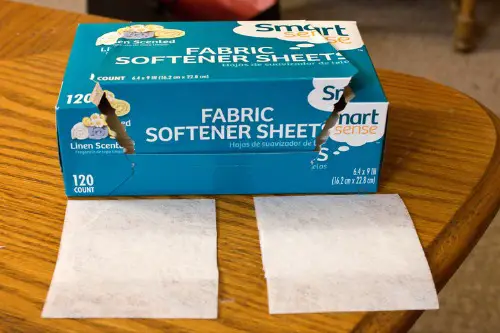
Dryer sheets are inexpensive individually but cost more overall because they’re single-use and rely on chemical treatments. The coatings that reduce static and add fragrance are where the manufacturing cost climbs. People still buy them because they’re easy and familiar. They provide a simple, pleasantly scented laundry routine without requiring new equipment.
Consumers associate them with “freshness,” reinforcing the habit even though alternatives like dryer balls last longer. Many households never question the ongoing cost. The subtle fragrance boost keeps people feeling like the sheets are worth it. As long as static reduction feels like a must, dryer sheets keep selling.
8. Disposable Plastic Cutlery
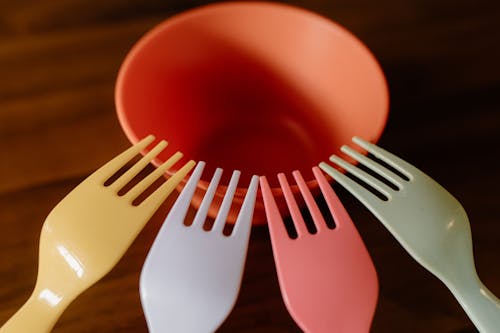
These utensils cost little to produce but become pricey when sold in small quantities or fancy packaging. Restaurants and households use them for convenience, even though they’re not durable. The lightweight plastic is cheap but easily breaks, requiring more pieces per meal. People keep buying them because they eliminate dishwashing.
Events, parties, and workplace lunches also boost demand since they’re easy to distribute. Bulk packs seem economical but often include many pieces that never get used. Despite environmental concerns, convenience wins in most cases. With few alternatives as convenient, the cycle continues.
9. Single-Use Cleaning Wipes
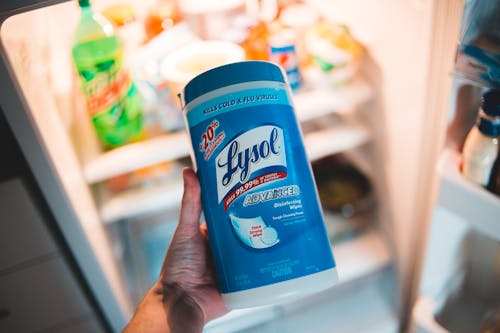
Single-use cleaning wipes require treated fabrics, chemical solutions, and airtight packaging, all of which add cost. They dry out quickly if not sealed perfectly, leading to wasted product. Still, people buy them because they offer instant cleaning without mixing sprays or grabbing towels. They’re especially popular for kitchens and bathrooms.
The sense of hygienic security encourages repeated use. Many consumers trust branded wipes more than generic sprays. The ability to toss them after one use feels safer, even if it’s less economical. This perception keeps them selling despite their low material value.
10. Disposable Contact Lenses
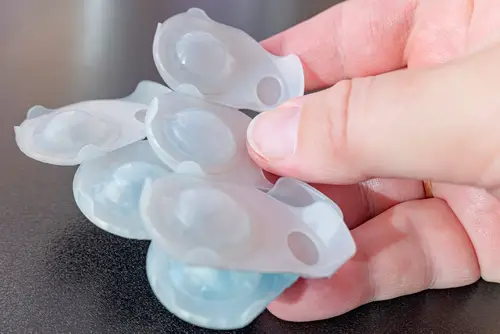
Daily contact lenses cost more to produce because they require sterile packaging and precise molding. The value per use is low since you discard them every day. Despite that, many prefer them because they eliminate the need for cleaning solutions. They’re also considered more comfortable by some wearers.
Eye doctors often recommend daily lenses for hygiene, reinforcing demand. The convenience of fresh lenses every morning is appealing. Travel is easier too, since you don’t need cases or cleaning bottles. Even at a higher long-term cost, people stick with them for comfort and simplicity.
11. Brand-Name Cereal
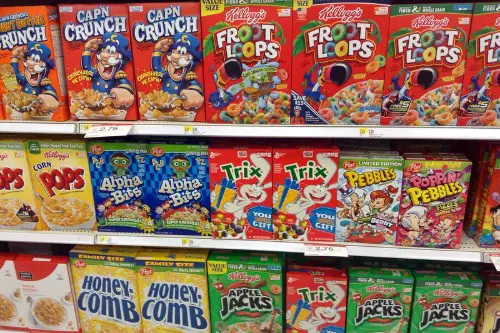
Most breakfast cereal ingredients are inexpensive, but branding, advertising, and packaging inflate costs. Manufacturers rely heavily on marketing to stand out on crowded shelves. Even though generic versions often taste the same, brand-name loyalty remains strong. Eye-catching boxes and mascots help drive emotional attachment.
Parents often buy the pricier brands because their kids recognize them. Busy households appreciate cereal’s quick prep, so they don’t question the ongoing expense. Sales promotions make them seem like good deals even when they aren’t. The familiarity keeps consumers returning to the same brands.
12. Disposable Razors
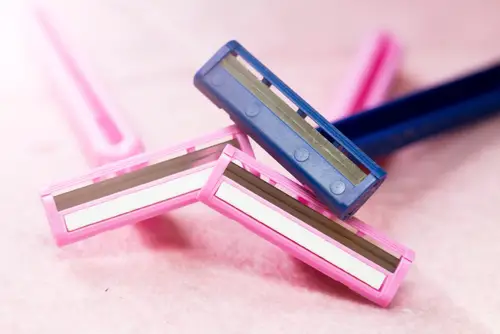
Disposable razors cost surprisingly little to manufacture but become expensive when you factor in packaging, distribution, and frequent replacement. Many of them dull quickly, so the value per shave isn’t great. Still, the convenience of tossing them after a few uses keeps demand high. People stick with them because they’re easy to pack for travel and require no maintenance.
There’s also the issue of brand loyalty, which razor companies rely on heavily. Marketing often convinces consumers to choose high-count packs that aren’t actually economical. The result is a pricey product that doesn’t last long enough to justify its cost. Yet because they’re simple and accessible, disposable razors continue to dominate store shelves.
This post 12 Everyday American Products That Cost More to Make Than They’re Worth—But We Keep Buying Them was first published on American Charm.

