
1. Pigeon Forge, Tennessee
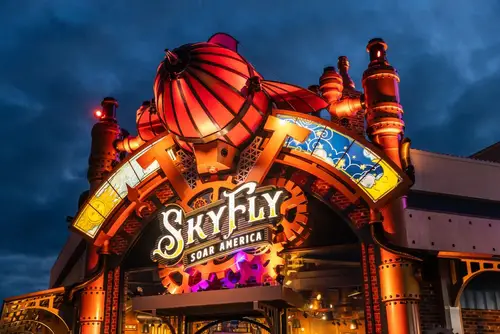
Pigeon Forge feels like an amusement corridor where every block offers another family attraction. Dollywood is the anchor, drawing millions of visitors each year and setting the tone for the rest of the town. Restaurants, outlet malls, and themed dinner shows cluster around the main highway. Residents know that the economy thrives on tourism, but it also means crowds are a constant reality.
Because the town’s design hugs a single long strip, most development is made for cars full of visitors. Traffic flow, signage, and giant billboards are all arranged to capture the attention of passing tourists. Affordable housing and walkability take a back seat to attractions with big parking lots. It’s fun for a weekend, but living alongside that level of spectacle is another story.
2. Lake George, New York
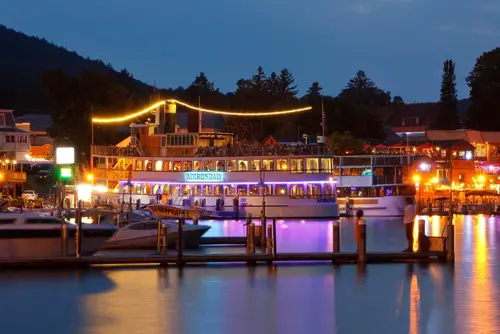
Lake George might be small, but its lakefront is built like a summertime playground. Mini-golf, arcades, boat tours, and ice cream stands line the main streets. In the peak season, the village feels tailor-made for vacationing families. Locals often describe the off-season as an entirely different town—quieter and more livable.
Much of the development caters to hotels, waterfront rentals, and recreation rather than residential life. Seasonal businesses dominate, opening only when the tourist flow is heavy. Public spaces like beaches and docks are designed primarily for visitors. It’s a beautiful destination, but its rhythms are set by tourism cycles.
3. Sedona, Arizona
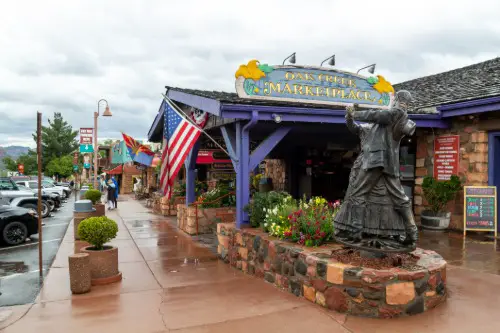
Sedona’s red rock views are spectacular, and the town knows it. Nearly every business along Highway 89A makes use of panoramic backdrops or promises the “best vortex access” to lure visitors. Between jeep tours, galleries, and crystal shops, the town’s economy revolves almost entirely around people passing through. Locals often navigate traffic jams linked to scenic overlooks and trailheads.
Urban planning here caters heavily to tourism infrastructure like resorts, spas, and guided tour companies. The housing market is heavily affected by short-term rentals, shaping the town more for vacationers than year-round residents. Even the trail systems are optimized with visitor parking and shuttle routes. Sedona’s beauty is undeniable, but it’s optimized for guests first.
4. Carmel-by-the-Sea, California
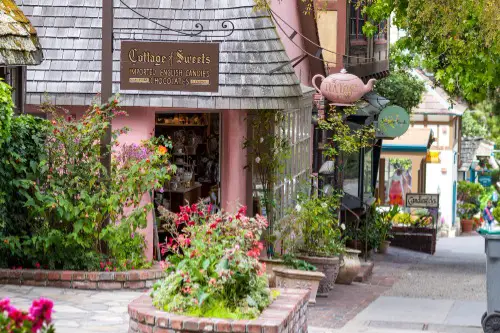
Carmel looks like a storybook village, and it’s maintained that way largely for visitors. Its fairy-tale cottages, art galleries, and boutique hotels attract travelers who want a curated coastal experience. The strict building codes and aesthetic rules help preserve its charm but make everyday life less practical. Residents often find simple tasks like parking or running errands surprisingly complicated.
Local businesses lean heavily toward upscale dining and luxury shopping, reflecting the tourist economy rather than local needs. Sidewalks, plazas, and beach access points are designed for strolling travelers. The cost of living and limited infrastructure keep the population small and seasonal. It’s picturesque, but it’s very much a stage set for visitors.
5. Williamsburg, Virginia
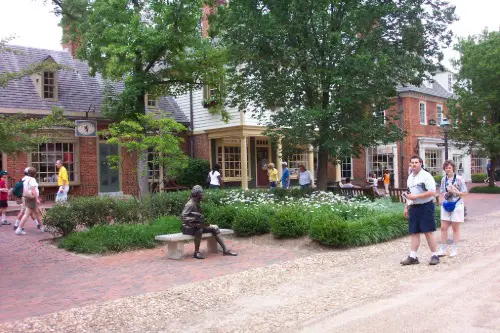
Williamsburg’s identity is built around Colonial Williamsburg, a living-history destination that draws millions. Much of the town’s activity, from reenactments to tavern dining, is meant for travelers seeking an 18th-century experience. Even the commercial areas nearby are filled with themed shops and attractions tied to the historic district. Locals navigate a landscape designed to constantly entertain guests.
A huge portion of the workforce is tied to tourism, reflecting the town’s visitor-centric layout. Infrastructure like shuttle systems and wayfinding signage are aimed at helping tourists move easily between historic sites. Retail options skew toward souvenirs rather than everyday essentials. It’s a charming place to learn history, but the town truly revolves around its guests.
6. Gatlinburg, Tennessee

Gatlinburg is wrapped in Smoky Mountain beauty, but nearly every inch of downtown feels engineered for out-of-towners. Shops selling moonshine tastings, homemade fudge, and bear-themed souvenirs dominate the main drag. Even the walkable SkyBridge and Ober Mountain attractions are built squarely around visitor entertainment. Locals often joke that it’s easier to avoid downtown entirely than to try to navigate it on a busy weekend.
Because tourism is the town’s lifeblood, the infrastructure leans heavily toward hotels and entertainment venues rather than neighborhood-serving amenities. Traffic patterns and parking areas are designed to funnel visitors straight to the attractions. Seasonal surges create a rhythm that suits visitors more than year-round residents. It’s charming to explore, but it’s unmistakably a vacation-first kind of place.
7. Leavenworth, Washington
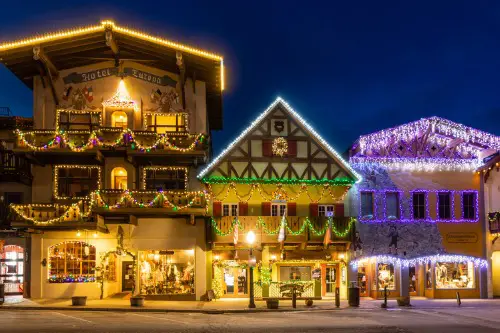
Leavenworth is famous for its Bavarian theme, which was adopted intentionally to attract visitors. The Alpine façades, German restaurants, and beer gardens create a year-round festival atmosphere. Even the signage and street décor follow strict Bavarian styling. Residents live in a place that essentially functions as a themed attraction.
The town’s economy depends heavily on festivals like Oktoberfest and Christmas lighting events. Infrastructure investments focus on handling visitor surges during peak seasons. Stores tend to cater more to tourists than to daily local needs. It’s undeniably fun, but the Bavarian look was built for tourists first.
8. St. Augustine, Florida
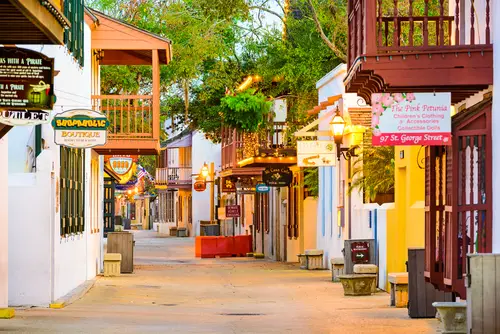
St. Augustine leans into its status as the “oldest city” with historic sites on almost every block. Visitors come for the Castillo de San Marcos, horse-drawn carriage tours, and narrow cobblestone streets. The downtown area is packed with distilleries, candy shops, and ghost tour companies. Residents often deal with crowds that seem constant year-round.
Tourism drives the downtown layout, with pedestrian-friendly areas designed to keep visitors exploring. Parking garages, shuttles, and trolley routes are aimed at helping travelers navigate easily. Many shops exist primarily to sell souvenirs tied to the city’s history. It’s a stunning place to visit, but one clearly arranged around its guests.
9. Jackson, Wyoming
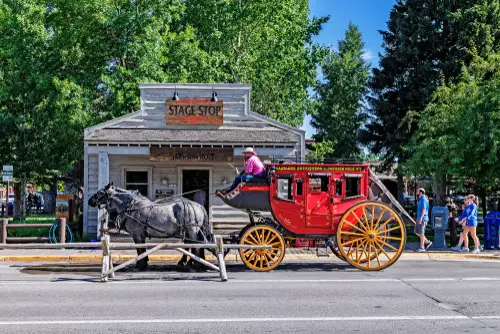
Jackson’s dramatic mountain setting and proximity to Grand Teton and Yellowstone make it a magnet for travelers. The town square with its antler arches is iconic and heavily photographed. High-end boutiques, art galleries, and luxury hotels dominate downtown. Locals often feel the squeeze from the tourism-driven economy.
Real-estate prices are shaped by vacation homes and visitor demand. Infrastructure caters to outdoor recreation tourists, from gear rental shops to shuttle systems. Seasonal traffic surges dictate much of the town’s planning and services. It’s gorgeous, but it clearly prioritizes visitors drawn to the national parks.
10. Bar Harbor, Maine
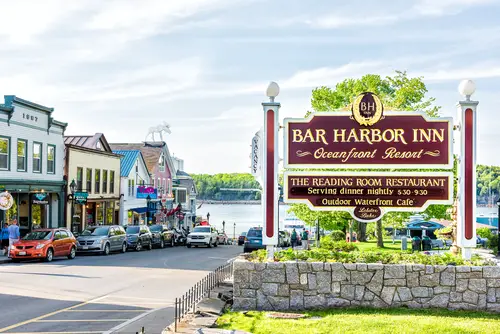
Bar Harbor serves as the gateway to Acadia National Park, and nearly everything in town reflects that. Whale-watching tours, park shuttles, and waterfront restaurants fill the main streets. Cruise ships regularly bring waves of visitors into the harbor. Residents often schedule errands around ship arrival times.
Tourism dominates the business landscape, with shops and eateries tailored to short-term visitors. Infrastructure focuses on accommodating parkgoers, from trail-linked shuttles to extensive visitor parking. Seasonal closings reflect its tourist-centric nature. It’s a coastal gem, but its design clearly supports the flow of visitors.
11. Aspen, Colorado
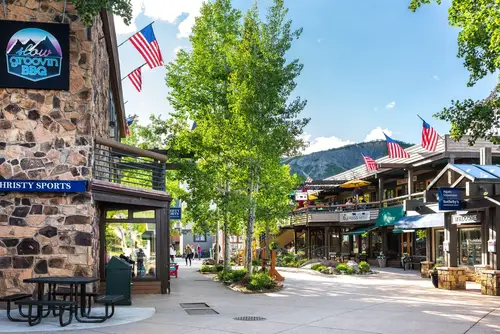
Aspen’s mountain scenery and world-class skiing attract travelers from around the world. The downtown area is filled with luxury boutiques, high-end dining, and upscale hotels. Even the outdoor spaces feel designed for après-ski crowds. Locals face high prices that reflect its resort-oriented economy.
Tourism dictates everything from transit systems to seasonal events. Housing is heavily influenced by vacation properties and second homes. Public spaces are built to support festivals and winter sports visitors. Aspen is stunning, but it’s undeniably structured for those passing through.
12. Key West, Florida
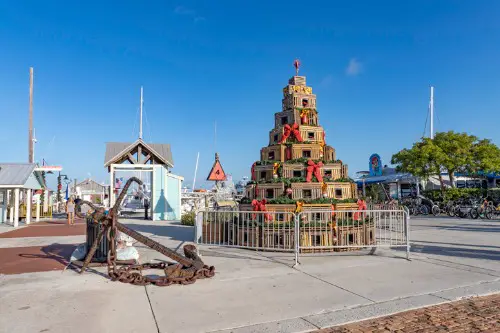
Key West is famous for its tropical energy and laid-back vacation vibe. Duval Street is essentially a nonstop party zone filled with bars, souvenir stores, and tourist attractions. Historical sites like the Hemingway House draw constant crowds. Residents often learn to avoid peak cruise-ship hours.
Tourism shapes the island’s economy, infrastructure, and even transportation. Many businesses are oriented toward short-term visitors rather than everyday living. The island’s density and popularity make housing expensive and competitive. It’s a vibrant getaway, but it’s built with visitors in mind far more than locals.
13. Niagara Falls, New York
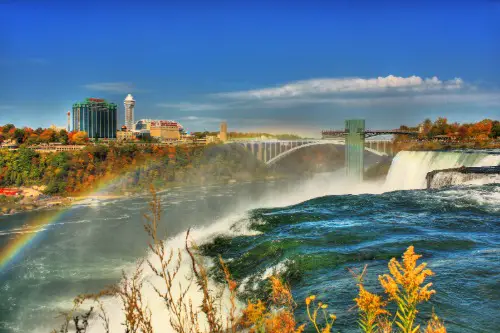
Niagara Falls exists almost entirely to frame its famous waterfall experience. Observation decks, boat tours, souvenir shops, and chain restaurants cluster tightly around the park entrances. The town’s main corridors feel more like an entertainment zone than a lived-in community. Visitors are clearly the priority from the moment they arrive.
Urban planning centers on moving crowds efficiently between hotels, attractions, and viewing points. Large parking structures, tour bus lanes, and oversized signage dominate the landscape. Residential neighborhoods sit farther from the action and feel disconnected from the core economy. It’s iconic to visit, but daily life happens in the margins.
14. Branson, Missouri
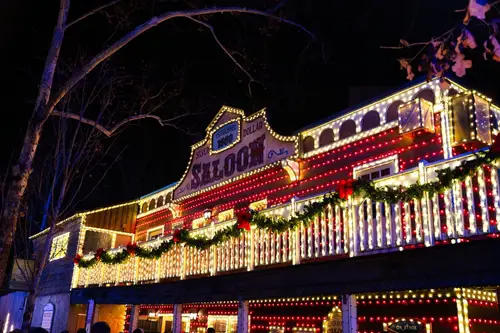
Branson is built around performance, with theaters lining its main roads like a marquee strip. Music shows, comedy acts, and themed attractions define the town’s identity. Nearly every building advertises entertainment tailored to visitors. Locals live alongside a town that never stops selling a show.
Infrastructure here prioritizes traffic flow to venues and massive parking lots. Restaurants and shops are designed for pre- and post-show crowds rather than everyday routines. Seasonal tourism dictates employment and business hours. It’s lively and polished, but it’s tuned to audiences more than residents.
15. Park City, Utah
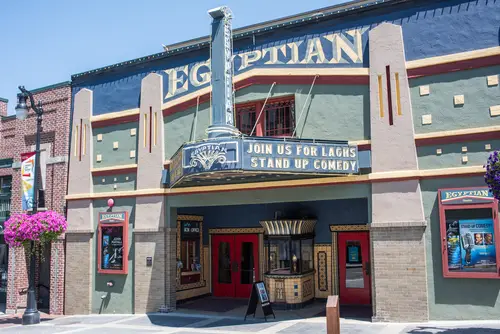
Park City blends historic mining-town aesthetics with a modern ski resort feel. Main Street is packed with galleries, boutiques, and upscale dining aimed at vacationers. Festivals and ski season dominate the town’s calendar. Visitors shape the town’s rhythm far more than its permanent population.
Housing and development skew heavily toward short-term rentals and second homes. Transit systems are optimized for ski access and event crowds. Everyday services can feel secondary to resort amenities. It’s a beautiful mountain town, but it operates like a destination first.
16. Mackinac Island, Michigan
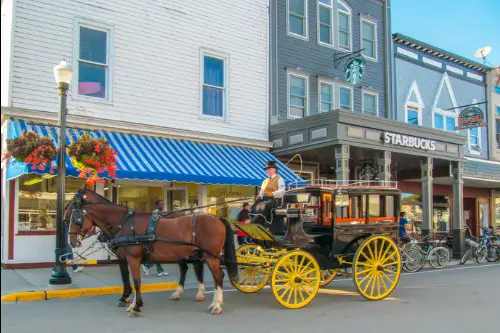
Mackinac Island feels frozen in time, largely to preserve its tourist appeal. Horse-drawn carriages, historic hotels, and fudge shops define the experience. The island’s charm is carefully maintained for seasonal visitors. Residents live within what often feels like a living museum.
Most businesses operate on a tourism calendar, closing or slowing in the off-season. Infrastructure supports hotels, docks, and guided tours rather than modern conveniences. Daily life requires adapting to visitor-driven schedules. It’s enchanting to explore, but it’s clearly curated for guests.
17. Vail, Colorado
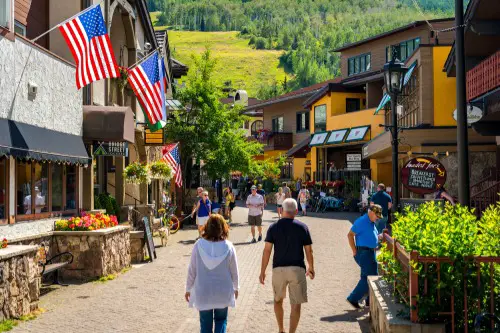
Vail was master-planned as a ski resort, and it shows in every detail. The pedestrian village, alpine architecture, and luxury lodges are designed for vacation aesthetics. Even the town layout feels like a resort campus. Visitors experience a seamless getaway environment.
Public spaces prioritize après-ski crowds and seasonal events. Housing costs reflect demand from tourists and second-home owners. Services and transportation revolve around ski access and peak seasons. It’s stunning, but it’s unmistakably built around the visitor experience.
18. Myrtle Beach, South Carolina
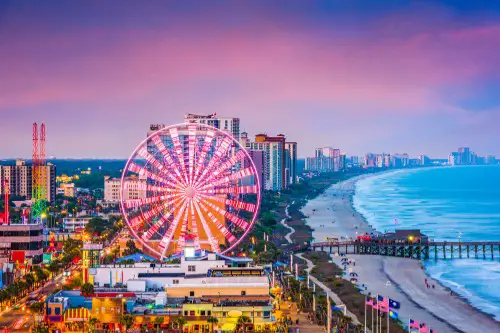
Myrtle Beach is engineered for beach vacations and family getaways. High-rise hotels, amusement rides, and souvenir shops dominate the shoreline. The boardwalk functions as a continuous attraction zone. Locals often navigate around tourist-heavy areas rather than through them.
Infrastructure supports large crowds, from wide roads to massive parking decks. Businesses cater to short stays and seasonal spending. Residential life exists farther from the oceanfront spectacle. It’s fun and energetic, but the design favors visitors at every turn.
19. Napa, California
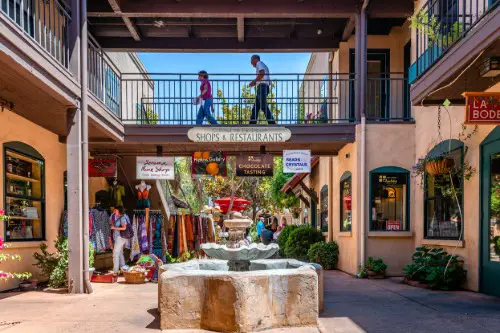
Napa’s reputation as a wine destination shapes nearly every part of the town. Tasting rooms, boutique hotels, and upscale restaurants line the central areas. The atmosphere is polished and intentionally indulgent. Visitors are the primary audience for the town’s image.
Development emphasizes hospitality over everyday affordability. Short-term rentals and tourism-driven pricing affect housing availability. Public spaces are designed for strolling, sipping, and dining rather than routine errands. It’s refined and scenic, but clearly tuned for travelers.
This post 19 Scenic American Towns Designed for Visitors, Not the People Who Live There was first published on American Charm.

