
1. Taos, New Mexico
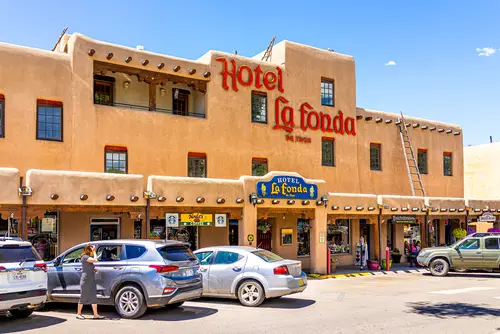
Taos keeps getting rediscovered thanks to its historic adobe architecture and enduring arts scene. The Taos Pueblo, inhabited for roughly a millennium, anchors the town’s sense of constancy. Artists arrive expecting a rapidly evolving creative hub but find the same slow, grounding atmosphere. It refuses to chase trends.
The town also resurfaces in travel media whenever people crave Southwestern landscapes. They come expecting shiny new galleries, yet many remain simple and deeply local. The plaza still feels rustic and small. Taos stays true to its roots, even as curiosity circles back every decade.
2. Sedona, Arizona
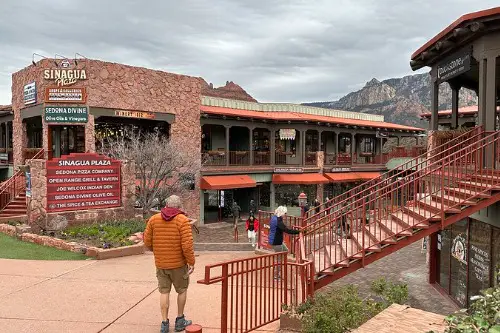
Sedona gets “rediscovered” every decade for its stunning red rock formations and its reputation for spiritual retreats. Travelers keep arriving expecting a booming resort town, but the vibe stays stubbornly low-key despite the constant hype. The landscape dominates everything, so development tends to stay tucked between cliffs and canyons. Even as tourism grows, the town’s small scale makes it feel frozen in time.
People also return because of the so-called vortex sites that have been talked about since the 1980s. New agers, hikers, and wellness influencers keep giving it fresh waves of attention. Yet the downtown still feels like the same cluster of galleries, cafes, and crystal shops it’s always been. The scenery and slow pace ensure it never fully becomes what the buzz suggests.
3. Mystic, Connecticut
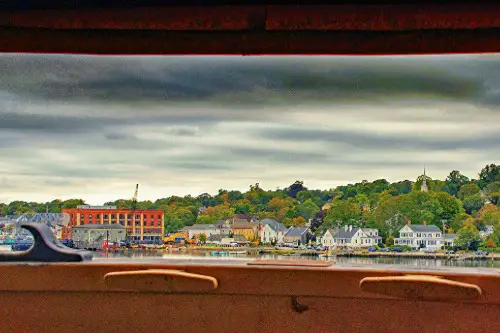
Mystic gets rediscovered every decade as people fall in love with coastal New England nostalgia all over again. The draw tends to be the historic seaport, which looks nearly identical to how it did years ago thanks to careful preservation. Visitors come expecting a bustling tourist remake, yet end up finding a timeless maritime village. Wooden ships and cobblestone walkways ensure that little can modernize too much.
The movie “Mystic Pizza” periodically revives interest, giving the town new waves of attention. People show up eager to see the iconic pizzeria, which has changed very little. Even the surrounding streets hold onto their classic fishing-town charm. Mystic’s whole appeal is that it resists being anything but what it’s always been.
4. St. Augustine, Florida
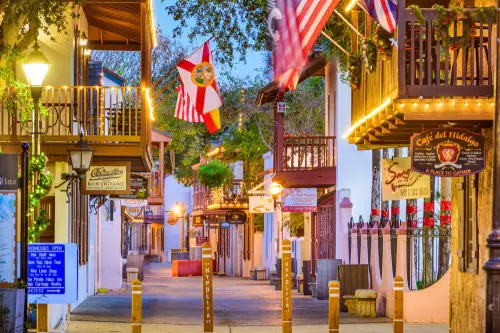
St. Augustine gets rediscovered whenever travelers remember that the U.S.’s oldest continuously inhabited European-established settlement exists. Its Spanish colonial architecture doesn’t change much thanks to strict preservation rules. Even as new residents arrive from bigger cities, the old-world aesthetic stays dominant. Walking through town still feels like stepping back centuries.
Castillo de San Marcos brings attention in cycles, especially when history buffs rediscover its coquina stone walls. School trips, travel bloggers, and retirees keep the interest fresh. Yet the fort looks exactly the same as it has for generations. And so does the town’s compact, history-soaked core.
5. Leavenworth, Washington
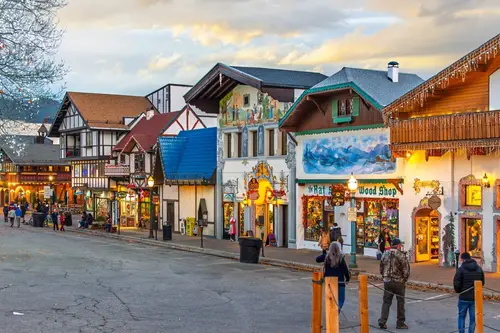
Leavenworth gets rediscovered repeatedly because people can’t resist the novelty of a full-on Bavarian-themed mountain town. It converted to the theme in the 1960s to revive the economy, and the look has barely changed since. Tourists come expecting some modern update to the kitsch—but it’s still all timber trims, gingerbread facades, and pretzels. The consistency is exactly what people come back for.
Seasonal festivals—Oktoberfest, Christmas lighting ceremonies, and accordion events—get new attention every few years. But the celebrations follow the same patterns year after year. Even the shops rotate slowly, keeping the core aesthetic almost identical. Leavenworth thrives on never outgrowing the theme it committed to decades ago.
6. Bisbee, Arizona
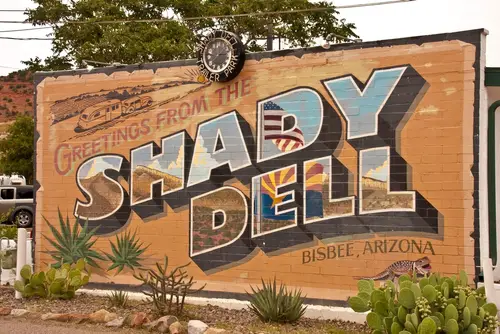
Bisbee was once a mining town, and people keep rediscovering it as a quirky, artsy hideaway. Despite waves of attention, the steep streets and historic copper-era buildings remain largely the same. The town’s eccentric vibe—colorful houses, vintage shops, and old stairways—keeps everything familiar. Visitors often remark that it feels untouched by time.
The Copper Queen Mine Tour brings periodic revivals in tourist interest. Every generation rediscovers this underground experience and expects a more modern museum feel. Instead, it’s still hard hats, open rail cars, and decades-old mining stories. Bisbee’s charm remains rooted in what it hasn’t updated.
7. Eureka Springs, Arkansas
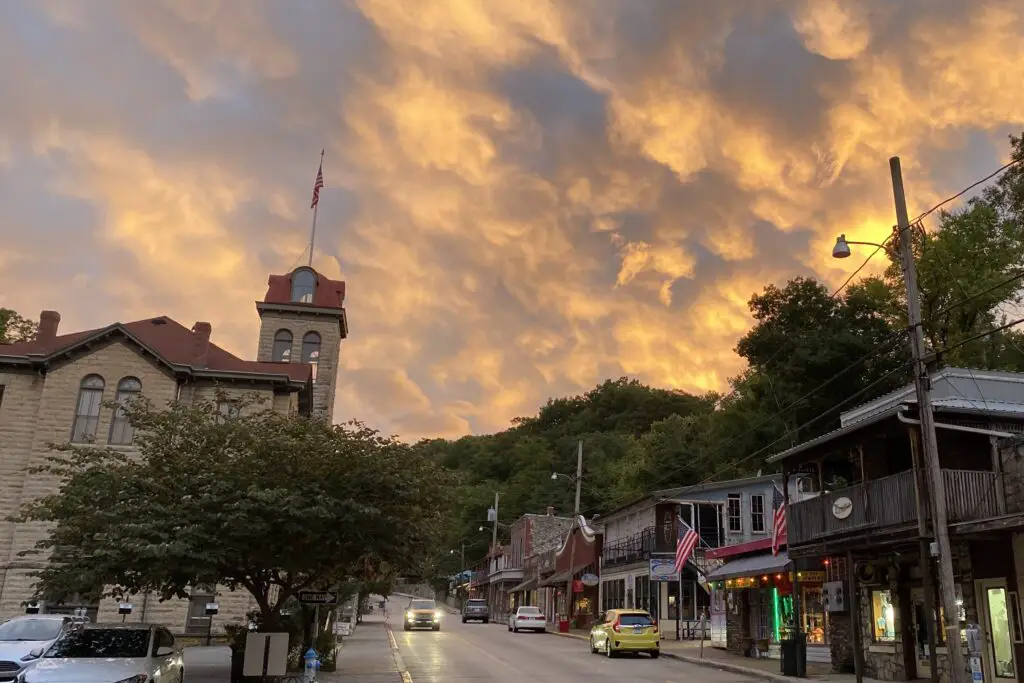
Eureka Springs regularly gets rediscovered because its Victorian architecture is remarkably intact. The entire downtown is on the National Register of Historic Places, so changes stay minimal. Winding streets that follow the hills instead of a grid make it feel otherworldly. People often forget how preserved it is until they visit again.
Interest spikes whenever travelers look for “underrated quirky towns.” Yet they find that the quirky has stayed consistent for generations. The historic springs, stone buildings, and hillside cottages keep their character. Even new businesses tend to blend into the old-time aesthetic.
8. Cape May, New Jersey
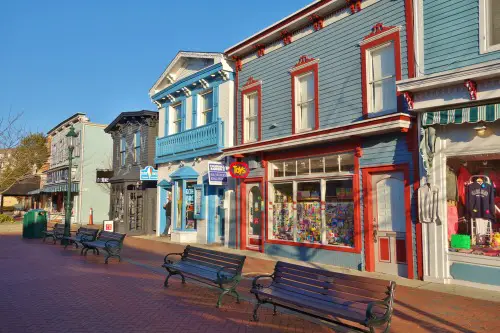
Cape May is rediscovered each decade by beachgoers who want a more classic shore experience. Its Victorian houses create a postcard-perfect look that’s remained unchanged for over a century. Strict preservation keeps the architecture in pristine condition. As a result, the town feels more like a museum than a modern beach resort.
The lighthouse brings periodic waves of renewed interest. People climb it expecting some revamped tourist attraction, but it’s still the same narrow steps and sweeping ocean views. The charm continues to come from what hasn’t been modernized. Cape May leans into its timelessness, and it works.
9. Marfa, Texas
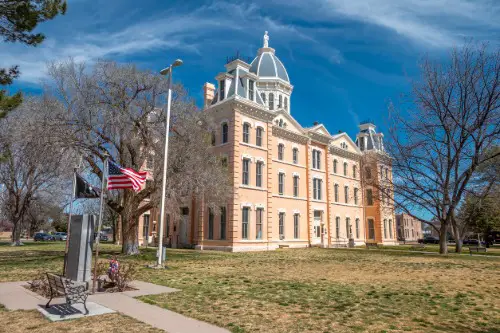
Marfa keeps getting hailed as the “next big arts town,” especially since Donald Judd established his installations there decades ago. Every few years, a new wave of creatives arrives expecting rapid transformation. But the town holds onto its ranching identity and wide-open quiet. You still feel like you’re in the middle of nowhere, even when the art world descends.
The Marfa Lights, its most unusual draw, spark fresh curiosity from curious travelers each decade. People come to chase mystery and catch sunsets over the desert. Yet the phenomenon has remained unexplained and unchanged since the 19th century. And so has Marfa’s overall character—half art enclave, half empty highway.
10. Galena, Illinois
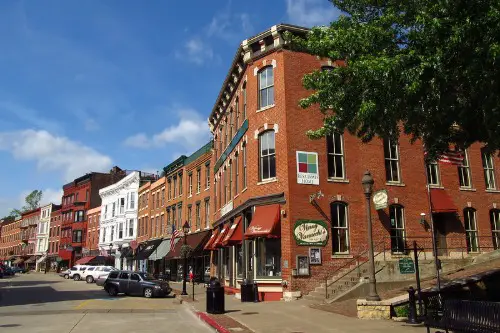
Galena resurges in popularity whenever travelers search for small Midwestern towns with preserved 19th-century character. Its brick storefronts and hillside homes reflect a look unchanged since the lead-mining boom. Visitors often comment on how little the main street has evolved. That familiarity becomes the draw.
Ulysses S. Grant’s home is one of the recurring reasons people return. History lovers rediscover it expecting a more modern interpretation. Instead, the site stays remarkably true to its 1860s appearance. Galena stays consistently charming by resisting modernization.
11. Telluride, Colorado
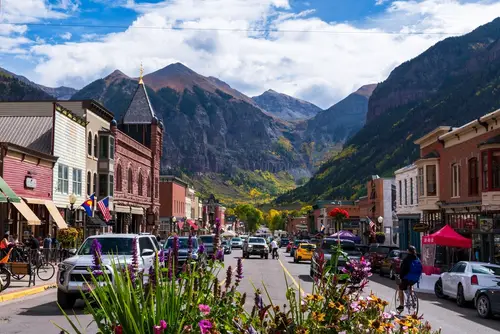
Telluride gets rediscovered each decade, especially when skiers and festivalgoers hype it up again. Its box-canyon setting limits expansion, keeping the town visually anchored in its mining-era layout. Even as high-end lodging grows around it, the historic district remains carefully preserved. The main street still feels intimate and old-fashioned.
The Telluride Film Festival renews interest routinely. People expect glitz, but the festival prides itself on low-key, unpretentious vibes. The town never morphs into a celebrity-centric hotspot. Instead, it stays grounded as a rugged mountain community.
12. Beaufort, South Carolina
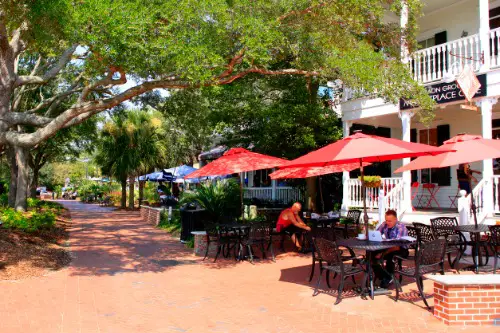
Beaufort gets rediscovered by travelers seeking coastal charm outside the bigger Southern cities. Its antebellum homes and moss-draped oaks haven’t changed much in decades. The historic district is tightly protected, keeping the architecture remarkably stable. Walking its waterfront feels like revisiting an older version of the South.
Movies filmed there—like “The Big Chill” and “Forrest Gump”—bring fresh attention now and then. Viewers visit expecting Hollywood-influenced growth. Yet the town’s scale and appearance remain modest. Beaufort keeps its peaceful, porch-swing personality intact.
13. Port Townsend, Washington
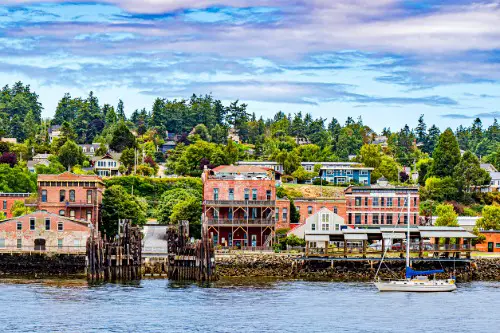
Port Townsend resurfaces in conversation whenever people look for Victorian seaport towns with creative communities. Its preserved 19th-century buildings dominate the landscape. Even as new artists move in, the town keeps its slow-paced maritime feel. You still see wooden boats and century-old brick storefronts everywhere.
The Wooden Boat Festival brings fresh waves of interest every few years. Visitors arrive imagining a slick, modern waterfront. Instead, the docks look strikingly similar year after year. Port Townsend remains anchored in its salty, historic identity.
14. Jim Thorpe, Pennsylvania
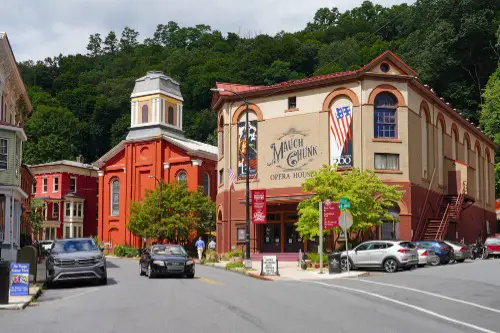
Jim Thorpe returns to the spotlight whenever people revisit the idea of “mountain towns near big cities.” Its Victorian architecture and former coal-era mansions keep the look consistent. The town’s narrow streets and restored train station feel frozen in the late 1800s. That preserved aesthetic continually surprises new visitors.
The Lehigh Gorge Scenic Railway reinforces the town’s timeless reputation. Each decade, new travelers discover it expecting updated cars or ultra-modern features. Yet the ride maintains a classic feel, right down to its vintage-inspired coaches. Jim Thorpe stays steady as a postcard-ready mountain escape.
This post 14 Towns That Keep Getting “Discovered” Every Decade, Yet Never Change was first published on American Charm.

