
1. Sedona, Arizona
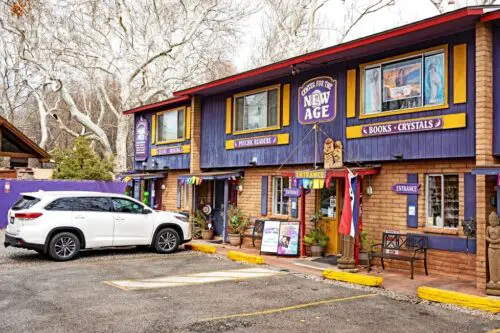
Sedona is famously described by locals as “fine”… if you don’t mind sharing a grocery aisle with a busload of hikers. The town’s red-rock views are so spectacular that they draw millions every year, which means congestion is almost an identity. Locals will often shrug and say they’ve just “learned to leave early” for everything. But ask about weekends, and they’ll tell you it’s best to pretend weekends don’t exist.
The vortex sites—those swirling spiritual energy spots—are a huge point of pride. Still, residents quietly admit that the constant spiritual tours sometimes feel like living inside a never-ending yoga retreat. Parking near popular trailheads can become a multi-hour sport. And during peak seasons, restaurant waits can stretch long enough for you to achieve enlightenment on the sidewalk.
2. Bar Harbor, Maine
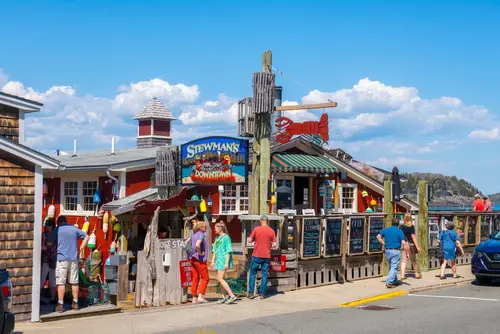
Bar Harbor looks like the definition of peaceful coastal charm. Locals say it’s “fine,” especially if you love fresh seafood and postcard-ready views. But mention cruise ship days, and you’ll see their eyes flicker with a mix of exhaustion and resignation. That’s when this quiet town suddenly fills with thousands of extra visitors.
Ask about Acadia National Park access, and you’ll learn that schedules revolve around traffic inside and outside the park. Residents love the nature surrounding them but dread the summer rush that clogs every road. They’ll tell you the trick is knowing which turnouts tourists never find. And if one of those spots goes viral online? They’ll insist they “were never really attached anyway.”
3. Gatlinburg, Tennessee

Gatlinburg is a place locals describe as “fine,” especially if you stick to the Great Smoky Mountains’ quieter edges. The natural scenery is a huge perk, and families genuinely love having world-class hiking five minutes away. But once you ask about the downtown strip, the truth comes spilling out. Crowds, flashing lights, and endless fudge samples can overwhelm even the most patient resident.
The traffic along US-441 becomes the stuff of local legend. Many admit they’ve developed entire alternative routes just to avoid stopping every ten feet for pedestrians. And while tourism keeps the town thriving, locals share a kind of collective nod that says, “We know it’s a lot.” Ask them how often they actually go downtown, and they’ll likely just laugh.
4. Key West, Florida
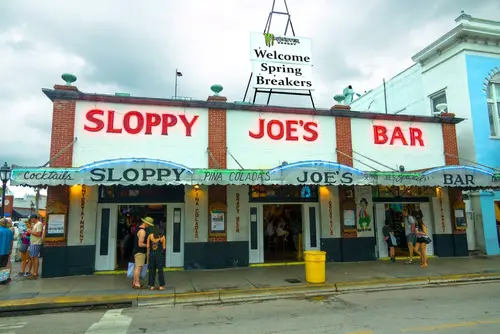
Key West seems like a tropical dream where the sunsets alone justify the rent. Locals claim it’s “fine,” because the island is undeniably beautiful. But bring up Duval Street, and they’ll sigh, acknowledging the ongoing carnival atmosphere. It’s fun until you’re just trying to buy milk while someone in a pirate hat sings karaoke at noon.
Residents appreciate the tight-knit community and quirky culture. Yet they’ll mention that everything—food, housing, even basic repairs—can feel priced for tourists, not locals. Key West’s remoteness means supply shipments can be unpredictable. And during festival weeks, locals essentially strategize like they’re preparing for a hurricane of partygoers.
5. Aspen, Colorado
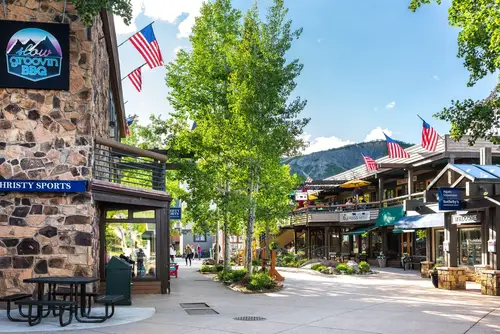
Aspen is stunning enough that locals often shrug and say it’s “fine,” because how do you complain about mountains like that? But ask about the cost of living, and you’ll unlock a floodgate. Housing prices are famously sky-high, often pushing workers into neighboring towns. And even then, commute times can be dicey once winter hits.
Residents love the world-class skiing—of course they do. Still, crowds during peak season make lift lines a survival exercise. Many locals avoid the most popular runs entirely until spring. And if you casually mention property taxes, you’ll get a sympathetic head tilt.
6. Williamsburg, Virginia
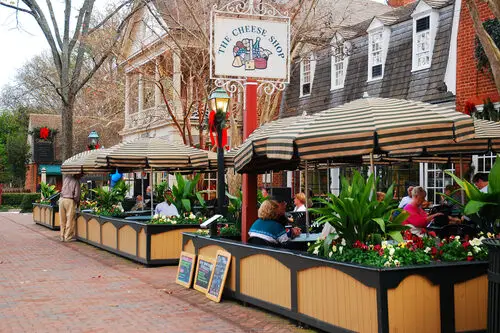
Williamsburg charm is undeniable, and locals say it’s “fine,” especially if you enjoy history around every corner. Cobblestone paths and reenactments give the town a warm colonial glow. But ask how often residents actually visit Colonial Williamsburg, and they’ll laugh politely. Many only go when relatives are in town.
The area’s tourism economy keeps things lively, but it also means heavy trams and buses during school breaks. Locals develop radar for which routes to avoid during peak field-trip hours. The theme parks nearby add another layer of seasonal chaos. And every summer, someone inevitably forgets and gets caught in a gridlock of marching fifers and excited fourth-graders.
7. Moab, Utah
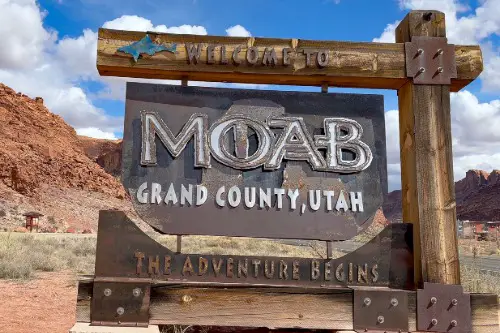
Moab locals say everything is “fine,” largely because the scenery feels unreal every day. Arches and Canyonlands are quite literally in their backyard. But ask how many Jeeps they’ve had to dodge on Main Street, and they’ll give you a number that sounds disturbingly high. Off-roading tourism can dominate the town’s rhythm.
The outdoor lifestyle is a dream for many residents. Still, overcrowded trails mean locals often end up exploring lesser-known spots. They’ll tell you that shoulder season used to be a break but now barely exists. And if a big event is in town, forget about finding a quiet campsite.
8. Jackson, Wyoming
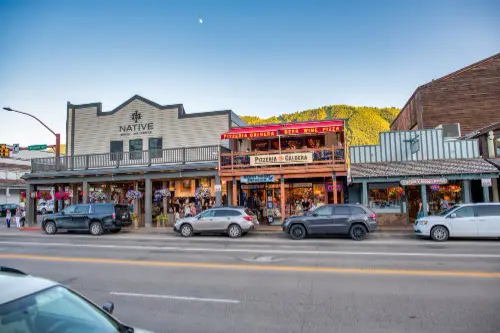
Jackson seems “fine,” because residents wake up to Tetons that look painted. The wildlife sightings alone could count as a daily highlight. But ask about housing, and you’ll get a knowing nod. Many workers simply can’t afford to live in town and face long commutes from Idaho.
Tourists are thrilled to explore the nearby national parks, and locals genuinely love the environment. But summertime means every square inch of the town square fills with people holding ice cream cones and camera straps. Grocery stores become chaotic by 4 p.m. And the annual elk antler auction draws crowds that test everyone’s patience.
9. Newport, Rhode Island
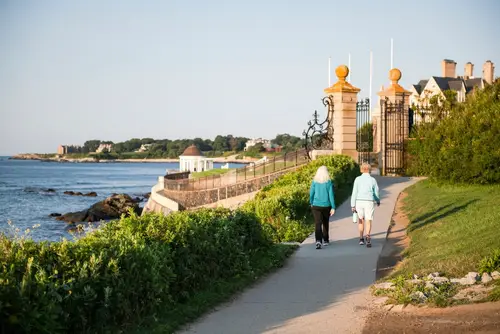
Locals say Newport is “fine,” partly because they’re used to living near Gilded Age mansions. The ocean is a constant companion, and sailing culture is everywhere. But mention summer weekends, and residents produce a tight smile. That’s when traffic snakes through the narrow colonial streets like a slow-moving regatta.
The restaurant scene shines, but it also means lines during warm months that stretch down sidewalks. Locals learn to get their seafood fixes at off-hours. Festival season brings beautiful events—along with packed beaches and jammed parking. And when cruise ships arrive, the population seems to double overnight.
10. Santa Fe, New Mexico
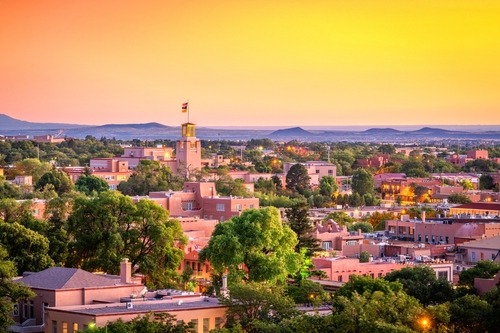
Santa Fe is “fine,” locals say, because the art scene is genuinely unmatched. Adobe architecture and desert sunsets create a lifestyle many dream of. But ask about housing prices, and residents will gently warn you about the sticker shock. Popularity has pushed costs far past what many longtime locals expected.
The food is fantastic, especially if you like chile on almost everything. Yet restaurant waits can be long during peak art-market season. Some locals avoid the Plaza entirely in summer. And during big events, traffic flows at a pace that feels geologic.
11. Lake George, New York

Lake George is lovely, and locals insist it’s “fine” as long as you’re prepared for seasonal extremes. In winter, it’s peaceful and quiet, almost like a retreat. Ask about summer, though, and you’ll hear stories of wall-to-wall vacationers. Boats, jet skis, and beachgoers completely transform the vibe.
Residents enjoy having easy access to the Adirondacks. But the town’s popularity means many errands become half-day endeavors from June through August. Locals know exactly which streets to avoid and when. And they’ll casually mention that they never visit the most crowded beaches—not anymore.
12. Leavenworth, Washington
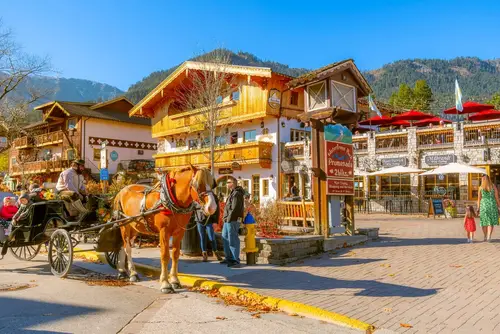
Leavenworth is “fine,” locals say with a smile, because the Bavarian-themed architecture is genuinely fun. The mountains around town feel like a protective amphitheater. Still, ask how December is, and they’ll mention the lighting festival crowds with a deep breath. Traffic during holiday season becomes the town’s unofficial endurance test.
The themed shops are charming, but they also draw visitors year-round. Locals often rely on back entrances to get anywhere quickly. Parking can feel like a competitive sport. And while the atmosphere is festive, the crowds can make even a simple coffee run a logistical event.
13. Ocean City, Maryland
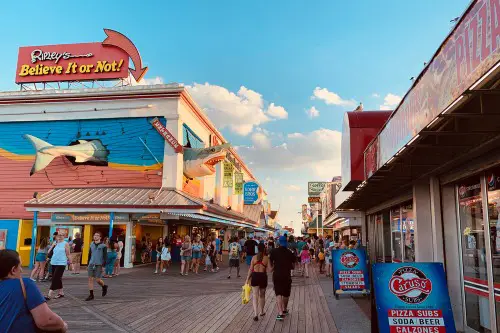
Ocean City is “fine,” residents say, especially when the off-season breeze rolls in. They enjoy the beach access and the classic boardwalk nostalgia. But ask about July, and they’ll describe it as an explosion of beach umbrellas, families, and funnel cake. The population balloons to levels that make everyday errands a challenge.
Locals appreciate the summer energy—it keeps the town thriving. Still, parking becomes a treasure hunt, and noise levels rise with the heat. Many residents schedule groceries early in the morning to avoid crowds. And when big weekend events hit, people brace like it’s a minor weather event.
14. Park City, Utah
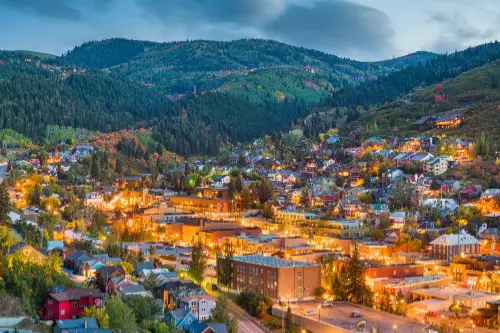
Park City is “fine,” particularly if you’re into skiing or mountain biking. Locals love the quick access to trails and the charming historic Main Street. But ask about Sundance, and their expression immediately shifts. That two-week festival can turn the quiet mountain town into a celebrity-spotting, gridlocked maze.
The amenities are great, but they come with premium pricing. Locals often navigate town by instinct, avoiding hotspots at certain hours. Winter brings both beauty and heavy visitor traffic. And even grabbing a coffee downtown during peak season can require strategic planning.
15. Carmel-by-the-Sea, California
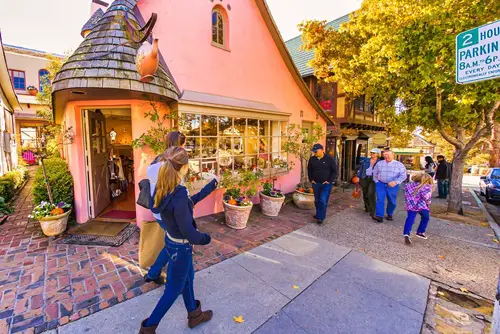
Carmel is “fine,” locals say, because it’s objectively one of the most picturesque towns in the country. The tidy cottages and ocean views feel like living inside a fairy tale. But ask them about tourists wandering the tiny streets with no sense of direction, and you’ll hear some stories. The town’s lack of street numbers makes navigation tricky for visitors and residents alike.
The food scene is exceptional, but demand means many spots require reservations well in advance. Parking can become a miniature chess match on weekends. The strict building codes preserve the beauty but complicate renovations. And during summer, locals learn to accomplish errands before the day-trippers arrive.
This post 15 American Towns Locals Swear Are “Fine” — Until You Ask a Follow-Up Question was first published on American Charm.

