
1. Cairo, Illinois
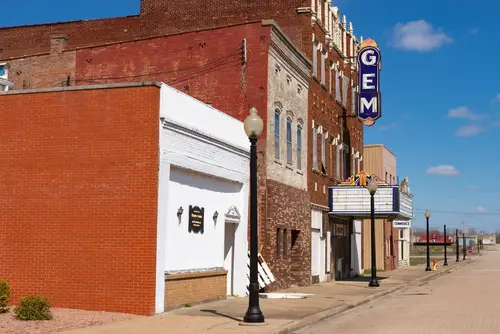
Cairo built for a river-port boom that was supposed to put it on par with major Mississippi hubs, but the traffic never materialized. The town’s strategic spot at the confluence of two major rivers created early optimism that just didn’t sustain. Rail shipping overtook river trade, and Cairo never adapted fast enough. Today, you can still see oversized streets meant for a busier future that never arrived.
Developers once imagined Cairo as a bustling commercial center with hotels, warehouses, and offices, but most of the plans stalled. The population began shrinking after the mid-20th century, leaving those ambitions stranded. Even its beautiful historic buildings stand as reminders of a hoped-for renaissance. It’s a place where the infrastructure seems to outsize the people left maintaining it.
2. Marblemount, Washington
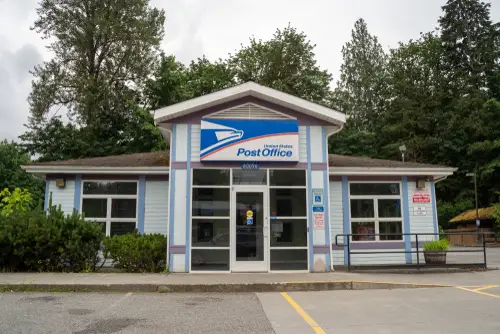
Marblemount prepared to be a gateway town for the North Cascades Highway, expecting steady tourism to balloon after its completion. The town widened roads and built service stations anticipating a flood of seasonal visitors. But the highway’s seasonal closures and rugged terrain meant traffic never hit the levels locals predicted. As a result, the small business corridor never grew past a handful of storefronts.
Marblemount still receives adventurers and hikers, but nowhere near what planners once assumed. The local economy remains modest despite its scenic potential. The town’s layout hints at a bigger tourism boom that just didn’t stick. You can feel the “almost was” vibe as you drive through town.
3. Truth or Consequences, New Mexico
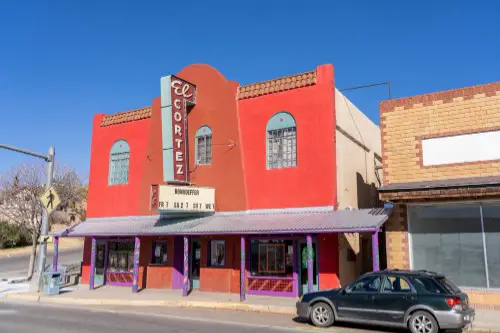
T or C hoped to grow rapidly after rebranding itself to attract tourists and new industries. The hot springs district got a facelift, and the town invested in infrastructure anticipating population bumps. But the anticipated tourist rush never became more than a trickle compared to the optimism. Many revitalization plans fizzled or stalled halfway.
Even when Spaceport America opened nearby, the expected economic domino effect didn’t start. The town had prepped for new businesses and hospitality services that didn’t fully materialize. While some entrepreneurs came, the growth plateaued quickly. Today, it’s a charming town with an ambitious name but modest momentum.
4. Kingman, Arizona
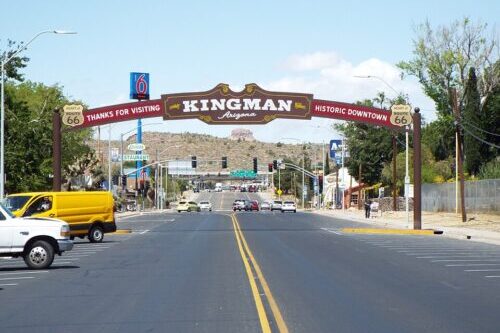
Kingman banked on Route 66 traffic and postwar growth expanding indefinitely. Developers built neighborhoods assuming a continued rush of newcomers. But when the interstate bypassed much of the old highway culture, those expectations took a hit. Empty lots still mark where subdivisions were supposed to fill in.
Efforts to revive Kingman’s historic core have brought some visitors, but not on the scale projected decades ago. The population grew, but much slower than planners hoped. Old commercial centers linger half-used, echoing earlier optimism. The town today is stable, but it never became the booming hub predicted.
5. Picher, Oklahoma
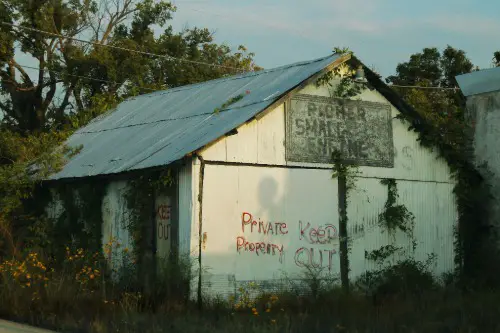
Picher once built infrastructure for a long-term mining boom that seemed unstoppable. Streets, services, and whole neighborhoods sprang up quickly. But when the mines closed and environmental damage became undeniable, the future collapsed overnight. The town’s growth-sized layout didn’t match the new reality.
The buyouts and evacuations that followed left behind a ghost grid of roads. It’s one of the starkest examples of development outlasting purpose. Picher’s built environment still hints at the expectations of a thriving mining city. But nature and contamination reshaped its destiny instead.
6. Primm, Nevada
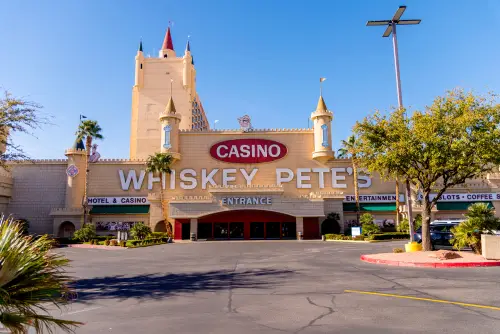
Primm expanded with the expectation that it would become a major spillover town for Las Vegas. Casinos, outlet malls, and hotels were built for crowds that sometimes never came. The town relied heavily on weekend traffic that proved inconsistent. Big infrastructure sat waiting for sustained growth that didn’t show.
Economically, Primm still functions, but at a fraction of its hopeful capacity. Empty parking lots and lightly used facilities speak to earlier ambitions. Even the roller coaster towering over the casino feels like a monument to a different era of optimism. It’s a small town that dreamed in large Vegas-sized proportions.
7. Centralia, Pennsylvania
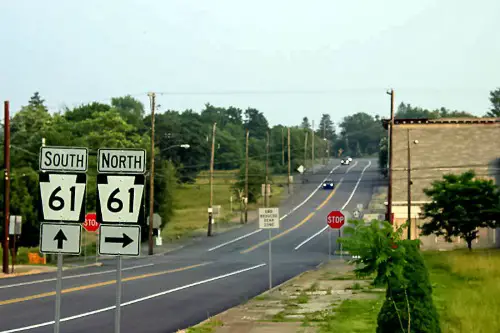
Centralia built out as if coal mining would sustain the town indefinitely. Its grid, services, and business district expected stability, not disaster. But the mine fire that began in the 1960s forced a slow-motion evacuation. The infrastructure remained even as the population dwindled to almost nothing.
Roads, sidewalks, and utility paths still cut through empty land. The town’s skeleton hints at the community that once prepared for a long future. Centralia never lacked for ambition, just uncontrollable circumstances. The contrast between its layout and its occupancy is striking.
8. Winslow, Arizona
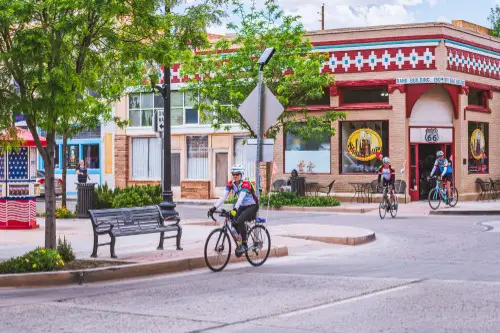
Winslow counted on the railroad and Route 66 to keep it growing through the 20th century. Hotels and commercial strips were built expecting a constant stream of travelers. But rerouting major highways drained much of that traffic. A town shaped for movement suddenly found itself sidelined.
Winslow still capitalizes on nostalgia tourism, but its boom-era infrastructure remains underutilized. You can see it in the wide avenues and older commercial buildings that once served bustling crowds. The town has charm but not the scale it was built for. Its growth potential hit a ceiling decades ago.
9. Yermo, California
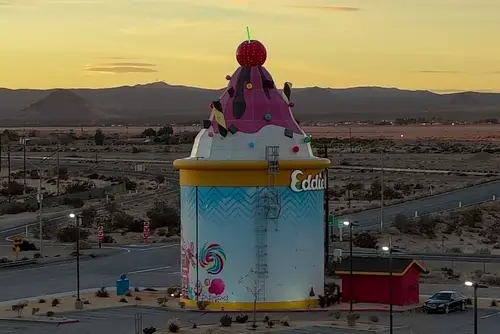
Yermo positioned itself as a desert pit stop destined for expansion. Restaurants, motels, and services sprouted along the highway anticipating steady growth. But improved interstate travel patterns meant fewer people stopping there. Much of what was built sits quieter than intended.
The famous roadside attractions never generated enough momentum to sustain broad development. Yermo’s layout still hints at a busier past future. Many signs and shells of businesses sit waiting for crowds that don’t return consistently. It’s a classic case of travel-economy optimism falling short.
10. Kaskaskia, Illinois
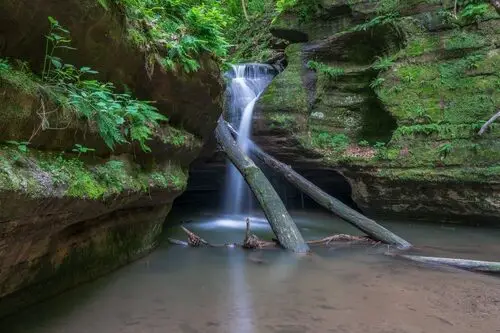
Kaskaskia was once expected to remain a growing river town with historic prestige. But the shifting Mississippi River gradually isolated it. The town had invested in structures and civic spaces assuming a steady population. Instead, erosion and flooding reduced both land and residents.
Today, Kaskaskia feels like a place built for a community that isn’t there anymore. Streets still run through mostly empty stretches. The infrastructure outlasts the population it was meant to serve. It’s a quiet reminder of how geography can undo big plans.
11. Glenrio, Texas/New Mexico
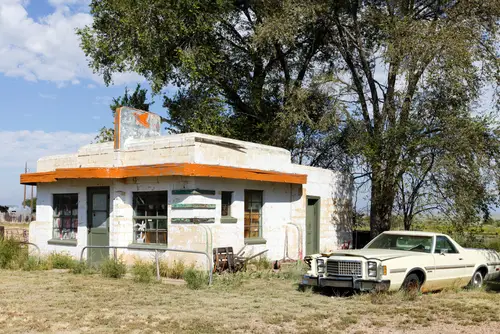
Glenrio planned to thrive as a border-straddling Route 66 service town. Motels, cafes, and gas stations prepared for endless car culture. But when I-40 bypassed it, everything changed overnight. Glenrio went from anticipating expansion to losing nearly all passing traffic.
The town’s empty buildings remain frozen in time. Streets and structures show the scale of what was planned compared to what survived. It was set up for long-term growth but instead became nearly abandoned. The gap between intention and reality is unusually visible here.
12. Calumet, Michigan
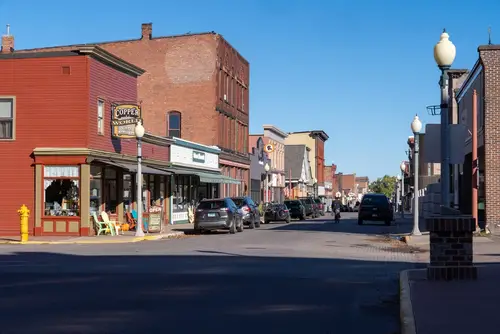
Calumet expected copper mining to fuel long-term prosperity. Buildings and civic institutions were constructed at a scale matching that belief. But when demand fell and mines shut down, the town’s population plunged. Large historic structures now loom over a much smaller community.
Calumet still celebrates its heritage, but many buildings are far larger than current needs. Wide commercial streets feel underfilled. The town lives in the shadow of its own ambitious build-out. It’s beautiful but built for a different era.
13. Tonopah, Nevada
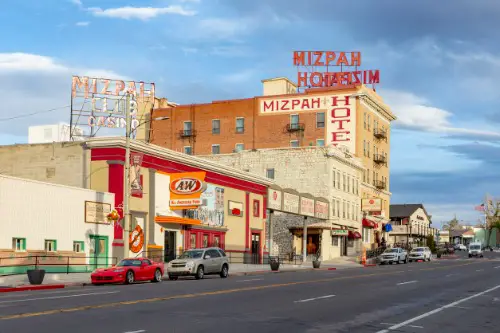
Tonopah geared up for major mining renewals multiple times over the decades. Each boom brought new construction anticipating permanent growth. But each bust hit before the town could stabilize. The cycle left behind infrastructure that outpaced long-term residency.
Hotels and commercial centers built during optimistic phases now serve far fewer people. Many structures stand as reminders of short-lived prosperity. Tonopah persists, but never at the scale its planners hoped for. The town’s story is a pattern of big dreams that kept slipping away.
This post 13 Towns That Somehow Managed To Build for Growth That Never Came was first published on American Charm.

