
1. Tempe, Arizona — Climate-Controlled Bus Shelters
Tempe is exploring refrigerated-style bus shelters to combat extreme heat. These shelters would use cooling systems powered partly by solar energy. Locals acknowledge the heat issue but say they didn’t specifically request climate-controlled pods. Many feel improving shade structures would be a simpler and more sustainable approach.
Transit officials claim the shelters could significantly reduce heat-related incidents. They say it would make summer waiting times safer for vulnerable riders. Critics worry energy use could outweigh benefits. Others question how well the shelters will hold up during dust storms.
2. Boulder, Colorado — Smart Benches With Solar Chargers
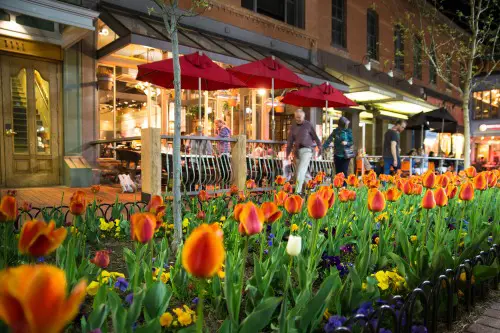
Boulder is considering installing solar-powered “smart benches” throughout downtown in 2026. The benches would offer built-in phone charging, Wi-Fi hotspots, and usage analytics. Residents haven’t been advocating for any of this, mostly because the city already has ample public charging spots. Many say they’d rather see more shaded seating than high-tech ones.
City leaders argue it’s part of a sustainability initiative tied to Boulder’s green-energy commitments. The benches are designed to collect anonymized usage data to guide future planning. Critics are uneasy about how useful that data will actually be. Others question whether the funds could be redirected to wildfire mitigation efforts instead.
3. Savannah, Georgia — Drone-Based Tourist Maps
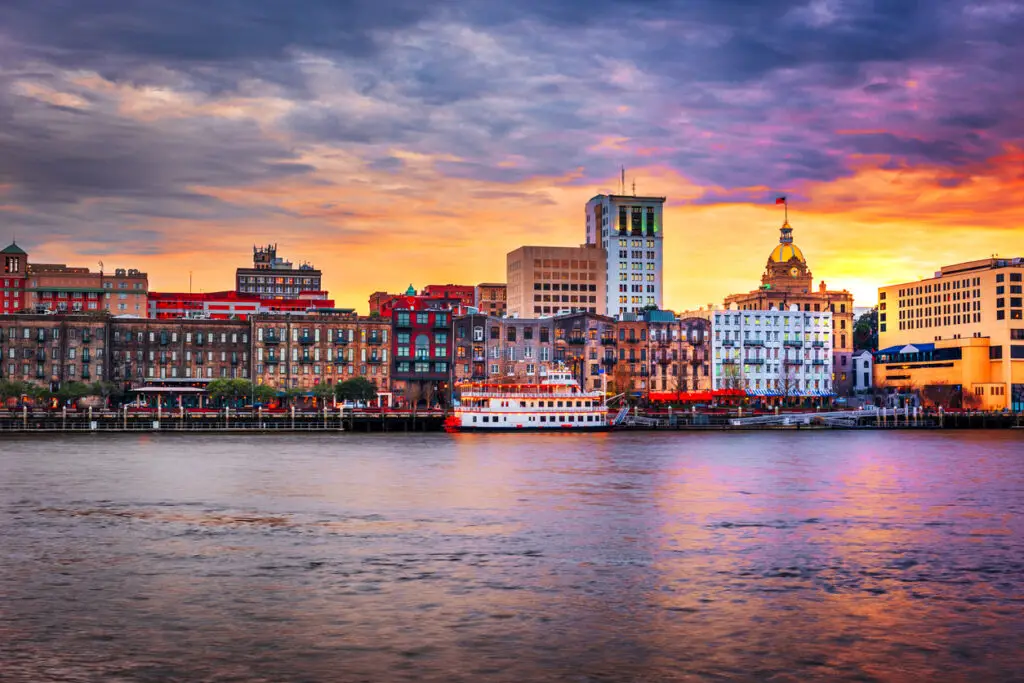
Savannah is weighing a pilot program involving drones that broadcast holographic-style tourist maps in key historic zones. The concept is meant to reduce printed paper maps and modernize navigation. Residents haven’t expressed desire for buzzing drones over their old cobblestone streets. Many worry the noise will disrupt the charm visitors come to see.
The tourism department claims it’s a way to blend heritage with cutting-edge tech. Supporters say it could reduce litter and improve crowd flow in popular squares. Critics say better signage would accomplish the same goal without aviation. Others fear the drones will be magnets for malfunction during humid summers.
4. Burlington, Vermont — Automated Compost Drop-Off Pods
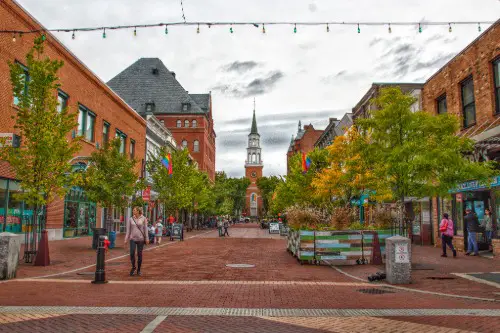
Burlington is exploring automated composting pods that accept organic waste 24/7. The city hopes they’ll increase participation and reduce curbside pickup strain. Residents, however, say they never asked for composting to feel like using an ATM. Many prefer more traditional collection methods that already work well.
Officials insist the pods will streamline the city’s zero-waste goals. They believe automation will reduce contamination in compost bins. Skeptics argue the pods may be too expensive for the benefit they provide. Others think educational outreach would be more impactful than robotic bins.
5. Santa Fe, New Mexico — VR Art Walks
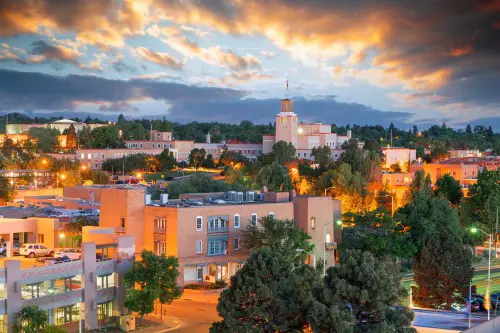
Santa Fe is looking at introducing VR headsets for tourists walking Canyon Road in 2026. The concept would overlay digital narratives on sculptures and galleries. Locals find it odd, given the city’s deep appreciation for physical, tactile art forms. Many say people come to Santa Fe to unplug, not strap on goggles.
Arts organizations argue it could offer accessibility for visitors who can’t enter every gallery. They hope VR tours will broaden interest in contemporary pieces. Traditionalists fear it may dilute the authenticity of the district. Others question how well the technology will perform in bright desert sunlight.
6. Asheville, North Carolina — Autonomous Delivery Robots
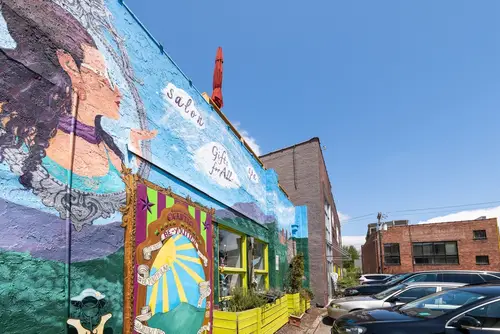
Asheville is considering expanding autonomous sidewalk delivery robots around downtown. Proponents say it could cut down on short delivery trips and ease congestion. Residents haven’t really been pushing for rolling coolers buzzing down pedestrian-heavy areas. Many say sidewalks are already crowded with tourists.
City staff hope the robots will support local businesses with low-cost delivery options. They also anticipate fewer idling vehicles in commercial zones. Critics worry the robots may become obstacles on narrow walkways. Others are concerned about their ability to navigate steep hills safely.
7. Madison, Wisconsin — Interactive Lakeside AR Murals
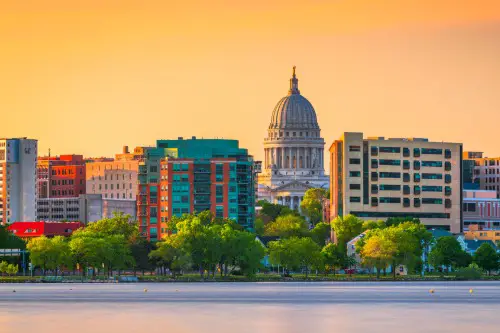
Madison planners are discussing augmented-reality murals near Lake Monona for 2026. Viewers would use phones to animate scenes tied to local ecology. Many residents never asked for AR on their lakeside walks and prefer the natural view. Some feel it may commercialize an otherwise serene environment.
Supporters believe the murals could encourage environmental education. They see AR as a way to engage younger visitors. Skeptics argue that physical signage would be more reliable and less distracting. Others note that cell service around the lake isn’t always stable enough for AR features.
8. Austin, Texas — AI-Powered Transit Stops
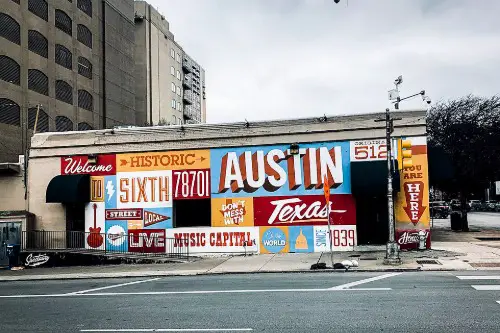
Austin officials are exploring AI-powered transit kiosks for 2026, hoping to make bus waits feel more futuristic. The idea is to integrate real-time route predictions, weather alerts, and neighborhood info. Locals, however, didn’t exactly request touchscreens that talk back to them. Many residents argue they’d prefer more consistent bus schedules instead of trendier stops.
City planners say the upgrade is meant to appeal to the tech sector that heavily influences Austin. They’re betting the kiosks will reduce commuter confusion during peak hours. Some critics worry the screens will malfunction in the summer heat. Others simply feel money should go toward increasing route frequency.
9. Providence, Rhode Island — Smart Parking Spaces
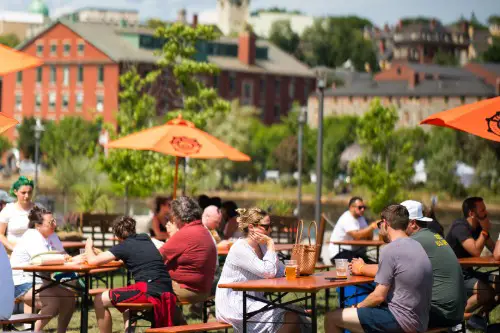
Providence is testing plans for sensor-embedded parking spaces that notify drivers of availability. The system would sync with a city app and parking meters. Residents haven’t been clamoring for hyper-connected parking and are more focused on pothole repairs. Some worry the sensors will drive up parking fees.
Planners argue the tech could reduce circling traffic downtown. They also expect decreased emissions from fewer cars searching for spots. Critics say the app-based system may disadvantage those without smartphones. Others question the long-term maintenance costs of embedded sensors.
10. Ann Arbor, Michigan — AI-Run Library Kiosks
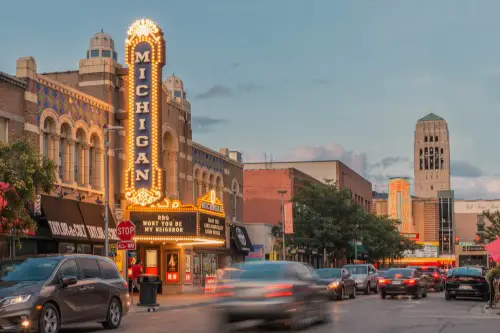
Ann Arbor libraries are considering 24/7 AI-driven kiosks for quick book pickups. The idea is to expand access without extending staff hours. Residents didn’t specifically request robotic librarians and often cherish human interaction. Many prefer investing in expanded library programs instead.
Library officials say kiosks could alleviate high circulation demand. They believe it will help students needing late-night materials. Critics note that Ann Arbor already has strong library accessibility. Others worry kiosk malfunctions could limit access rather than improve it.
11. Naples, Florida — Beachfront Noise-Sensing Path Lights
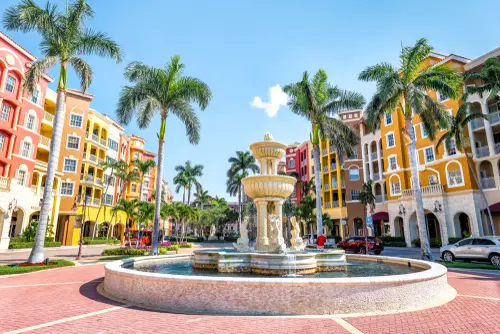
Naples is planning noise-reactive lighting on beachfront pathways. The lights would dim or brighten depending on crowd volume. Residents never asked for mood lighting tied to noise levels and find the idea a bit overengineered. Some believe simple path improvements would suffice.
City planners say the system could reduce light pollution while improving safety. They hope data from the sensors will help with crowd management. Critics fear sensitive equipment won’t survive salt air. Others wonder whether visitors will notice the difference at all.
12. Park City, Utah — Heated Outdoor Work Pods
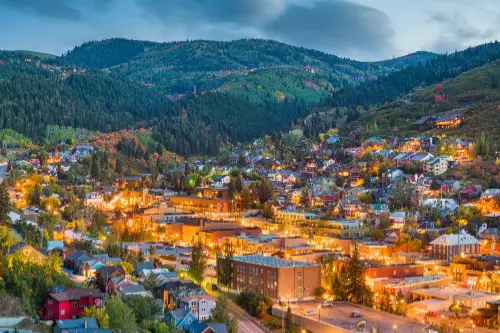
Park City is weighing heated outdoor work pods for remote workers during winter. The pods would offer Wi-Fi, minimal seating, and panoramic glass panels. Locals aren’t exactly requesting outdoor offices in ski country. Many say it feels like a gimmick driven by tourist expectations.
Officials claim the pods cater to growing remote-work tourism. They argue it diversifies winter attractions. Critics question whether anyone will actually use them in heavy snowfall. Others think the funds should support affordable housing instead.
13. Greenville, South Carolina — App-Based Park Reservations
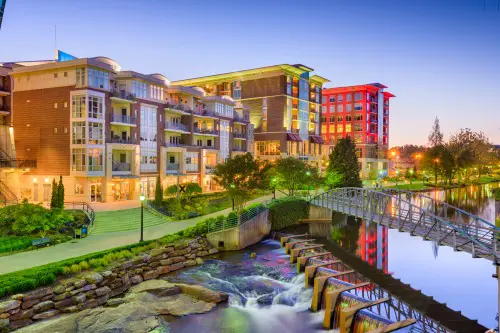
Greenville is exploring an app system requiring reservations for popular park features. The idea is to manage crowds at new amenities. Residents haven’t been calling for more apps in their outdoor routine. Many worry it makes spontaneous park visits less enjoyable.
City staff say the system could reduce bottlenecks at splash pads and pavilions. They argue it will help families plan busy weekends. Skeptics fear it will create unnecessary hurdles for everyday use. Others worry about tech barriers for older residents.
14. Boise, Idaho — E-Scooter Charging Corridors
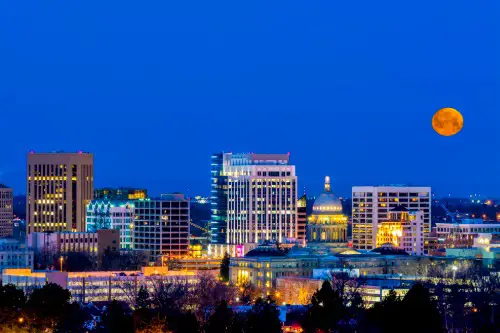
Boise is considering designated “charging corridors” for e-scooters along downtown routes. These hubs would let scooters recharge automatically when docked. Residents haven’t exactly demanded more scooter infrastructure, and many already complain about sidewalk clutter. Some feel expanding enforcement would be more helpful than new tech.
Planners believe charging corridors could reduce abandoned scooters. They hope it will encourage safer, more predictable scooter distribution. Critics doubt the corridors will solve clutter issues without policy changes. Others question whether scooter companies will help fund ongoing maintenance.
This post 14 Towns Adding Trendy 2026 Amenities That Their Locals Didn’t Ask For was first published on American Charm.

