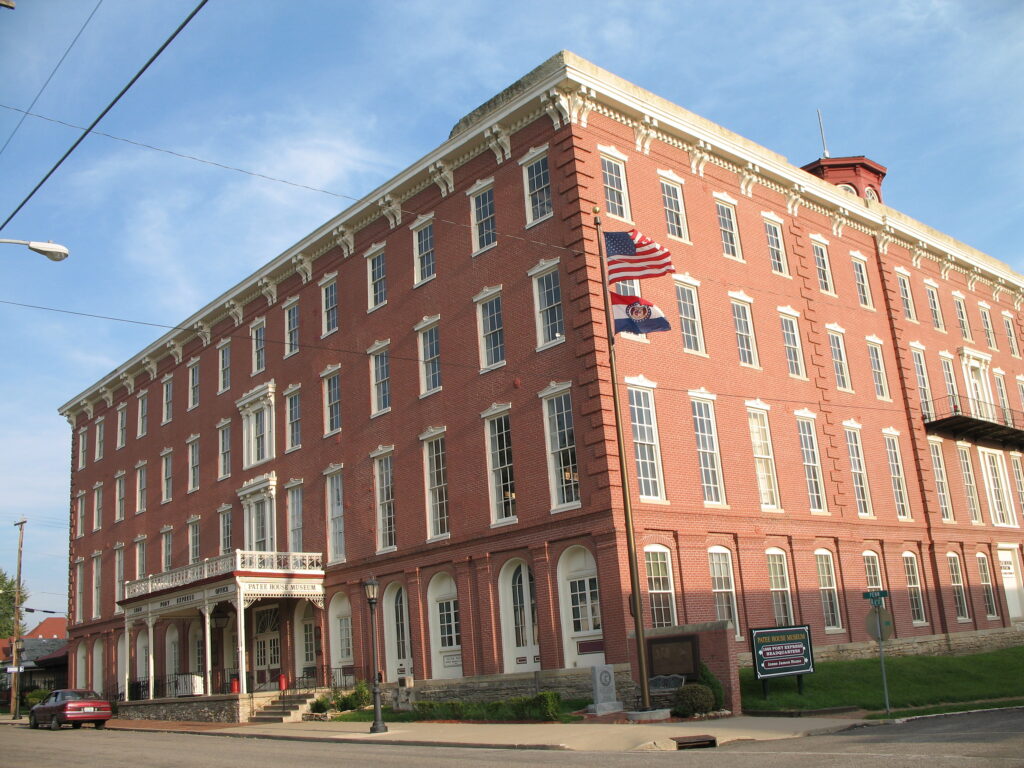
1. Sears
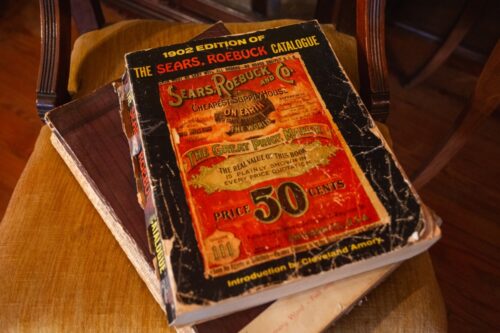
For decades, Sears was the dependable place for everything from appliances to back-to-school clothes. Families counted on the catalog, which basically served as a national shopping ritual. But once online shopping became easier and big-box competitors offered better prices, Sears stopped feeling essential. Eventually, people realized they’d quietly shifted their loyalty elsewhere.
The brand’s slow decline made it easy for shoppers to drift without noticing. Stores felt dated, and even loyal customers admitted the experience didn’t match modern expectations. As locations closed, people simply adjusted rather than fought to keep the retailer alive. By the time many looked back, they realized they hadn’t been inside a Sears in years.
2. BlackBerry
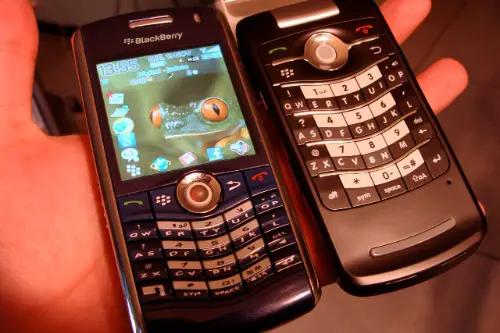
BlackBerry once felt indispensable, thanks to its physical keyboard and reputation as the “serious” smartphone. Professionals swore it would never be replaced because email on it felt unbeatable. But as the iPhone and Android devices improved, BlackBerry’s signature features stopped being enough. Users migrated almost subconsciously, tempted by better apps, cameras, and screens.
Even BlackBerry’s attempts to modernize came too late. Consumers had already embraced full-touch phones with richer ecosystems. Gradually, the brand faded from everyday life, even though few people ever made a big announcement about leaving it. It just became the phone they used to have.
3. Blockbuster
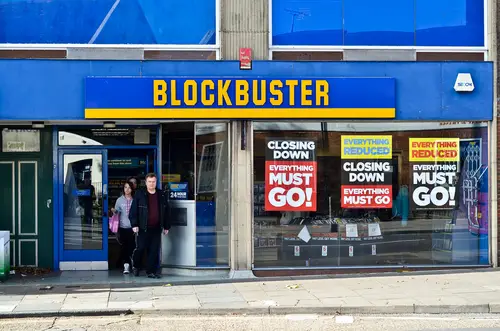
Blockbuster was practically a Friday-night tradition, and people sincerely believed nothing could replace the DVD rental ritual. Families roamed aisles for the perfect movie, which felt like a shared cultural moment. But streaming changed habits faster than anyone expected, making the store visit unnecessary. Eventually, convenience won, and Blockbuster memberships quietly lapsed.
The company struggled to pivot, and late fees became a symbol of outdated thinking. Competitors adopted new delivery models while Blockbuster clung to its old one. By the time the chain tried streaming, viewers had already moved on. Nostalgia stayed, but customer traffic didn’t.
4. Oldsmobile
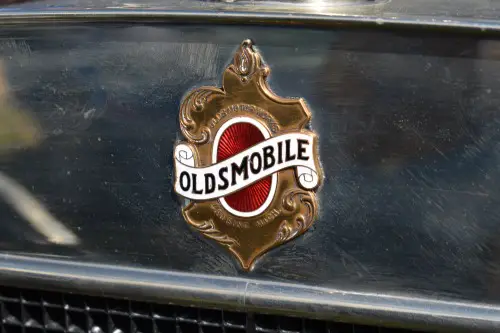
Oldsmobile was once a staple of American driveways, especially among families who trusted its reliability. People genuinely felt the brand had staying power after more than a century of production. But shifting consumer preferences and competition within GM’s own lineup eroded its relevance. Sales declined until the brand faded almost without fanfare.
Drivers moved toward SUVs and more modern designs, leaving Oldsmobile’s models behind. Even long-time fans quietly traded them in for something more current. When GM ended the brand in 2004, the public reaction was surprisingly muted. Many people realized they had already moved on.
5. AOL
AOL was how millions of Americans first got online, and its “You’ve got mail!” greeting felt iconic. For years, people swore they’d never cancel because their entire digital life was tied to the service. But broadband arrived, and dial-up simply couldn’t compete. Users quietly switched providers while often keeping their email addresses.
The brand struggled to stay relevant as internet habits evolved. Its portal and chat rooms felt dated compared to faster, more flexible platforms. Eventually, AOL became something people associated with the early days of the web rather than daily life. Loyalty dissolved as technology marched forward.
6. Toys “R” Us
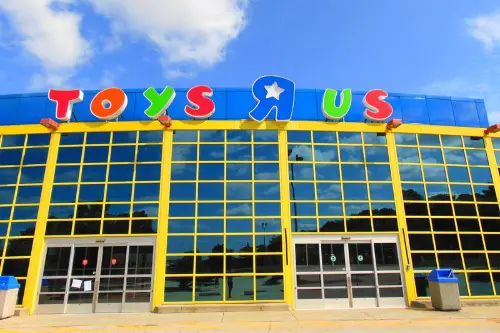
Parents and kids treated Toys “R” Us like a wonderland, and many swore it was irreplaceable. The idea of buying toys anywhere else felt almost disloyal. But big-box stores and Amazon changed shopping habits, offering lower prices and fast delivery. Foot traffic declined, and the magic dimmed without anyone making an intentional break.
The company’s debt problems only accelerated the shift. Stores began looking emptier and less exciting, which pushed families further online. When the retailer shut down its U.S. locations in 2018, the emotional reaction was strong. Still, most shoppers realized they hadn’t been in for years.
7. RadioShack
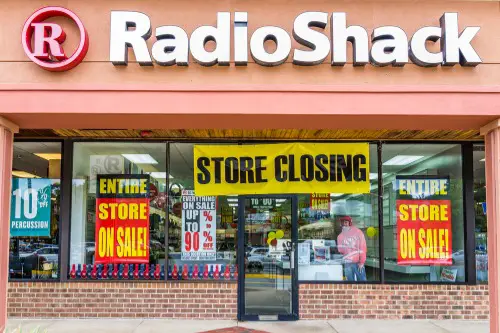
For decades, RadioShack was the go-to place for cables, batteries, and DIY electronics supplies. Americans genuinely believed they’d always rely on it for odd parts and helpful clerks. But as electronics became more disposable and online retailers offered everything cheaper, the need for RadioShack shrank. Shoppers gradually stopped visiting without intentionally abandoning it.
Even tech enthusiasts found alternatives that were more convenient. The chain struggled to redefine itself as fewer people tinkered with devices. Store closures made the decline even more pronounced. By the time the brand filed for bankruptcy, most customers had long since found replacements.
8. Jell-O
Jell-O was a staple of potlucks and family gatherings for generations, and many swore it would never go out of style. It symbolized comfort, nostalgia, and Americana. But tastes changed, and people began favoring fresh desserts, healthier options, and more modern flavors. The decline wasn’t dramatic—it just slipped off shopping lists.
Marketing struggled to connect with younger consumers. The brand remained recognizable but lacked cultural relevance. While it still exists, it’s no longer the dessert people swear by. Most folks simply stopped buying it without ever deciding to.
9. Myspace
Myspace was the first social network many Americans felt emotionally attached to. Users swore they’d never leave because it let them customize profiles and connect with friends in a personal way. But Facebook offered a cleaner design and better features, and people migrated en masse. The exodus happened so naturally that many didn’t even think of it as “quitting.”
Attempts to rebrand Myspace couldn’t re-create the original cultural moment. The platform’s cluttered interface felt outdated by comparison. Users simply stopped logging in as social media evolved. Now it’s largely remembered as a stepping stone rather than a daily habit.
10. Kmart
Kmart was once a major player in American retail, with its Blue Light Specials becoming a cultural reference. Shoppers swore the chain would stick around forever because it seemed too big to fail. But aging stores, inconsistent inventory, and stronger competition changed perceptions. Customers drifted to Target and Walmart without consciously deciding to abandon Kmart.
The brand failed to modernize, and shoppers noticed the difference. Store closings accelerated the decline, making Kmart feel increasingly irrelevant. Even long-time fans found themselves shopping elsewhere out of convenience. Eventually, only a handful of locations remained, and the loyalty had quietly evaporated.
11. Palm

Palm once dominated the handheld organizer market, and users felt deeply attached to its simple, efficient interface. For many, a PalmPilot was the first truly personal digital assistant. But smartphones integrated those functions more effectively, making a separate device unnecessary. Consumers switched without dramatic declarations—they just upgraded.
Palm tried to reinvent itself with webOS, but the timing wasn’t ideal. Competitors offered more apps and stronger ecosystems. Even users who loved Palm’s design admitted the future was elsewhere. The brand faded as people embraced all-in-one devices.
12. Circuit City
Circuit City was a major electronics retailer that Americans trusted for TVs, stereos, and computers. Many believed it would remain a fixture of tech shopping. But mismanagement and rising competition from Best Buy and online stores eroded its influence. Shoppers started comparing prices online, and Circuit City couldn’t keep up.
As consumer behavior shifted, the chain’s weaknesses became clearer. Stores felt less competitive, and customer loyalty slipped away. By the time Circuit City closed its physical stores in 2009, many had already moved on. The brand became another example of how quietly habits can change.
13. Dunkin’ Donuts Coffee Cans
For years, many Americans kept Dunkin’ Donuts coffee cans in their kitchens and swore they’d never brew anything else at home. The familiar orange packaging felt comforting, and the flavor seemed tied to morning routines. But as boutique coffee brands took off and at-home machines improved, people started experimenting. Slowly, the old cans disappeared from carts without anyone officially “quitting” them.
Specialty blends and subscription services made switching feel exciting rather than disloyal. Dunkin’s brand remained strong in stores, but its supermarket products lost their hold. Consumers realized they preferred fresher or more customizable options. Eventually, the can became something they used to buy rather than something they depended on.
14. Yahoo!

Yahoo! once dominated email, news, and search, and users swore they’d stick with it forever. It was the homepage of choice, loaded with portals people visited daily. But Google’s cleaner design and faster search experience quietly pulled users away. Soon enough, Yahoo! accounts gathered dust without any formal goodbyes.
Attempts to modernize the interface didn’t reverse the trend. Younger users gravitated toward sleeker platforms, and older users gradually followed. While Yahoo! still exists, its cultural relevance has dimmed. Most Americans realized they had moved on long before they consciously admitted it.
15. The Sharper Image
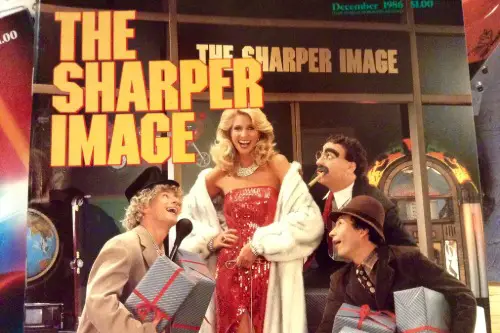
The Sharper Image was where people went for futuristic gadgets, massage chairs, and quirky gifts they swore they’d always browse. The catalogs felt essential during the holidays, inspiring shoppers to think big and splurge. But as online retailers offered the same novelty items for less, the brand’s uniqueness faded. The stores became more of a curiosity than a destination.
When financial trouble struck, customers barely noticed because their habits had already shifted. The excitement of discovering odd gadgets moved online. Even fans who once loved visiting the store stopped making trips. By the time the chain shuttered, loyalty had quietly evaporated.
16. Levi’s 501s
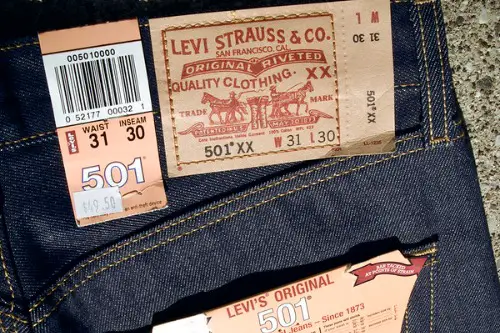
For decades, many Americans believed Levi’s 501s were the only jeans worth owning. They symbolized durability, authenticity, and a classic look tied to American culture. But fashion trends changed, and new denim brands offered stretch, comfort, and modern fits. Gradually, shoppers explored alternatives without meaning to leave the 501 behind.
Levi’s still sells millions of jeans, but the once-unshakable devotion shifted. People started buying athleisure or different cuts that felt more current. The iconic model became a nostalgic favorite rather than an everyday essential. Most consumers didn’t realize they’d stopped buying 501s until they looked at their closet.
17. Landline Phones
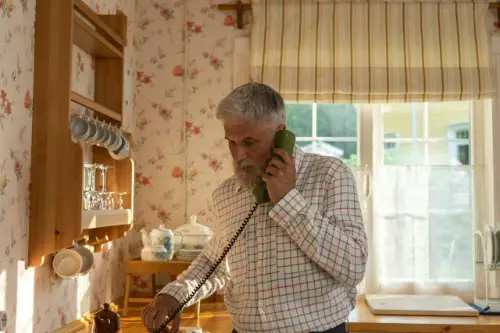
For generations, families swore they’d never give up their landline because it felt safer and more reliable. The ringing phone in the kitchen was practically a household soundtrack. But smartphones became indispensable, and landlines seemed redundant. People slowly canceled service as mobile coverage improved.
What once felt like a non-negotiable part of the home faded quietly. Even older adults embraced mobile phones for convenience. The landline remained mostly for emergencies before disappearing altogether. Its decline was so gradual that many only noticed it was gone when the phone jack gathered dust.
18. Hostess CupCakes
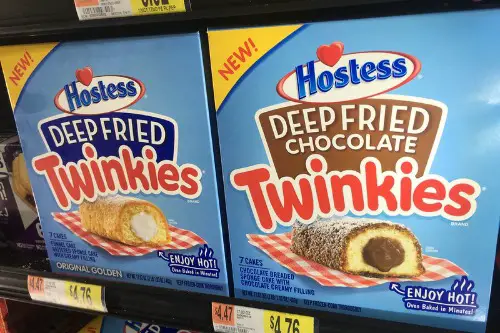
Hostess CupCakes were a lunchbox staple for decades, and many swore they’d always keep them around. They symbolized classic American snacking with their iconic swirl and chocolatey taste. But shifting health trends and changing snack preferences pushed consumers toward alternatives. The treats lingered on shelves but showed up less often in shopping carts.
When Hostess faced bankruptcy, the outcry was nostalgic but short-lived. People realized they hadn’t bought the snacks in years, despite fond memories. Health-conscious habits and new dessert brands stepped in to fill the gap. The loyalty faded quietly, even if the brand name stayed familiar.
19. Greyhound Buses
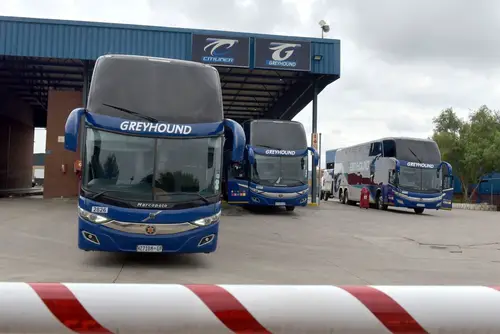
Greyhound was once the default long-distance travel choice for millions of Americans. People insisted they’d always rely on it for affordable trips across the country. But low-cost airlines, rideshares, and better regional transit options gradually replaced the need for bus travel. Passengers drifted away without consciously deciding to.
Stations felt dated, and service cuts made the experience less appealing. Travelers who once swore by Greyhound found themselves choosing other options without thinking twice. By the time major routes were discontinued, the cultural shift was complete. What once felt essential became another piece of fading Americana.
This post 19 American Brands Everyone Swore They’d Never Give Up — Until They Quietly Did was first published on American Charm.