
1. Pascagoula, Mississippi
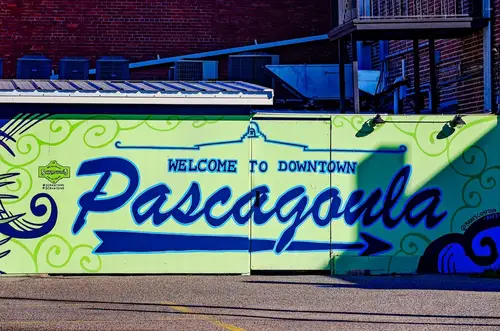
Pascagoula boasts a location on the Gulf, yet its shoreline is dominated by massive shipyards. The industrial footprint takes up much of the prime waterfront that might otherwise host public amenities. These facilities bring jobs but also limit public access and scenic potential. For many visitors, the waterfront feels more like a workplace than a destination.
The scale of the shipbuilding operations makes redevelopment challenging. It’s not easy to replace or relocate such large infrastructure. That means the town has fewer opportunities to carve out parks or gathering spots along the water. This leaves Pascagoula’s shoreline feeling utilitarian rather than charming.
2. Gary, Indiana
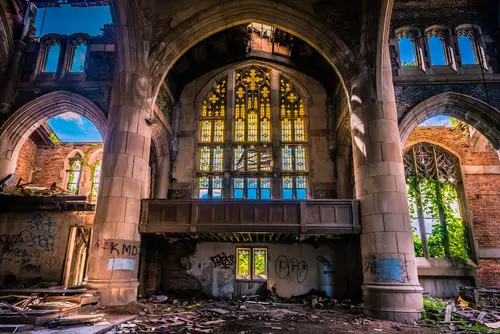
Gary sits right on Lake Michigan, yet its lakeshore feels cut off by decades of steel industry infrastructure. Smokestacks, rail lines, and restricted zones crowd out what could have been a scenic beachfront district. Residents know there are pockets of beautiful sand, but getting to them often means navigating past industrial corridors. It’s a jarring contrast to nearby lakefront communities that fully embraced their shoreline.
Much of Gary’s lakefront land was never planned for recreation or housing, which has limited its appeal. The once-booming steel operations left behind brownfields that require costly remediation. As a result, large tracts remain idle instead of being turned into parks or mixed-use developments. The unused potential makes the waterfront feel more forgotten than welcoming.
3. Newark, New Jersey
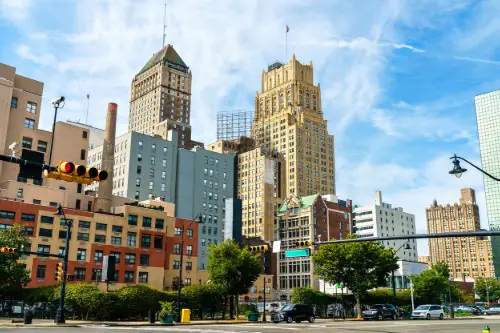
Newark technically has waterfront on the Passaic River and Newark Bay, but most of it has long been tied up by industrial and shipping facilities. The shoreline is dotted with warehouses, port operations, and fenced-off lots that leave little room for community spaces. Even as the city revitalizes downtown, the waterfront still feels oddly inaccessible. Locals often say it’s surprising how rarely you can actually see the water.
Environmental cleanup has been slow, partly because the area was heavily polluted for decades. Redevelopment proposals come up frequently but take a long time to materialize. Meanwhile, huge swaths of shoreline remain dominated by trucking routes and storage yards. It leaves Newark with waterfront that exists more on paper than in daily life.
4. Bayonne, New Jersey
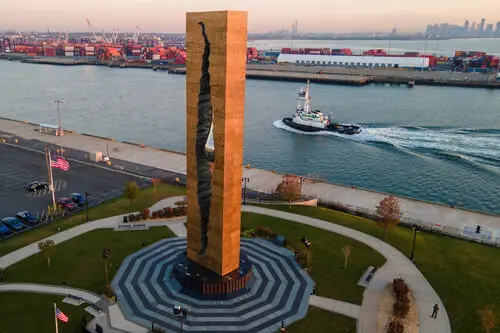
Bayonne has prime access to New York Harbor, but its coastline is cluttered with petrochemical plants and shipping terminals. Much of the waterfront isn’t somewhere you stroll—it’s more a place you drive past on the way to somewhere else. The industrial sites take up land that could have supported lively neighborhoods or parks. As a result, the town’s shoreline feels more utilitarian than scenic.
While redevelopment has begun in certain areas, it’s happening slowly and unevenly. Large parcels owned by refineries or logistics companies can be challenging to repurpose. That means many waterfront blocks still hold hulking tanks and pipes instead of homes and cafes. For now, the industrial character keeps Bayonne’s shoreline from matching its geographic potential.
5. Camden, New Jersey
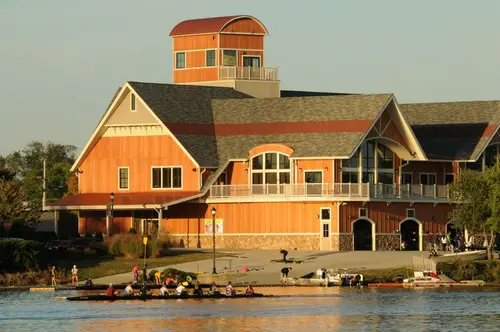
Camden sits directly across the river from Philadelphia, yet its waterfront has long struggled with disuse and underdevelopment. A few anchor attractions exist, but beyond them are empty lots and aging buildings. This creates abrupt gaps between the scenic river views and the actual experience of walking the area. Many visitors leave feeling like there’s still a missing sense of place.
The city’s financial challenges have repeatedly delayed major redevelopment. Projects start with optimism but often stall due to funding or planning issues. Much of the riverfront land also requires environmental cleanup before it can host new uses. All of that keeps Camden’s waterfront feeling like a work in progress.
6. Bridgeport, Connecticut
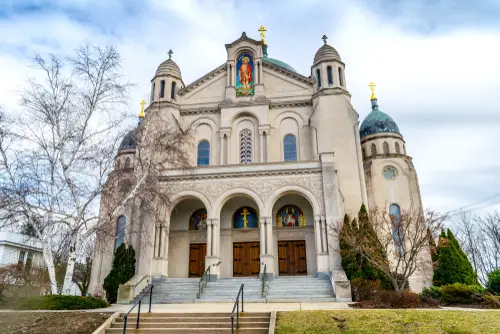
Bridgeport has an enviable spot on Long Island Sound, yet much of its shoreline is dominated by heavy industry and old power plant sites. Instead of bustling marinas or beachside districts, you’ll find fenced-off parcels and long-inactive facilities. Even locals sometimes forget just how much waterfront the city actually has. It’s often hidden behind decades of industrial buildup.
Revitalization has begun, but it’s slow because many sites need extensive remediation. Developers have shown interest, yet large projects have repeatedly taken years to launch. In the meantime, several waterfront tracts remain empty or underused. This leaves Bridgeport with a shoreline that feels disconnected from the life of the city.
7. Port Arthur, Texas
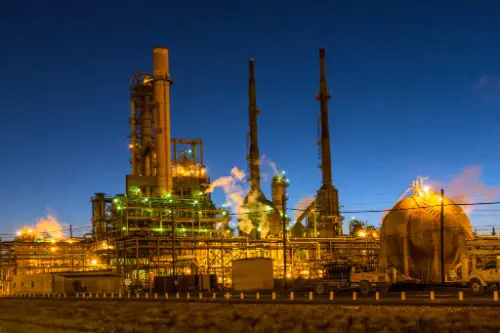
Port Arthur enjoys direct access to the Gulf, but its waterfront is dominated by enormous oil refineries. The skyline is filled with towers, flares, and tanks instead of boardwalks and restaurants. Because so much land is tied to energy infrastructure, little is left for public-facing development. The result is a waterfront that feels more industrial than coastal.
Environmental concerns have also limited recreational use along the shoreline. Many spots simply don’t lend themselves to casual walking or family outings. Even where the views are impressive, the industrial backdrop overshadows them. Port Arthur’s waterfront ends up feeling less like a seaside town and more like a working port—and not a particularly inviting one.
8. Stockton, California

Stockton sits on a deep-water channel connected to the San Francisco Bay, but much of its waterfront feels oddly empty. While there are a few revitalized areas, they’re surrounded by vacant lots and quiet stretches with little activity. The city invested heavily in redevelopment that didn’t always attract sustained crowds. That left the waterfront with ambitious structures but not enough energy around them.
Economic struggles compounded the issue, making it hard to fill commercial spaces. Some buildings remain underused or shuttered, creating a patchwork feel. Residents often say the waterfront has potential but lacks the foot traffic to make it vibrant. Instead of a lively riverfront scene, it ends up feeling sparsely populated.
9. East Chicago, Indiana
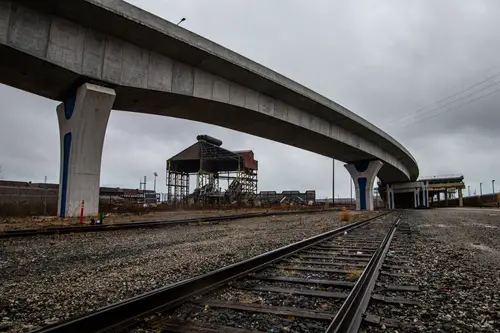
East Chicago sits on Lake Michigan but is lined with steel mills and heavy industry. The towering facilities create physical and visual barriers between residents and the water. There’s little sense of a traditional waterfront district because most shoreline land is privately controlled by industrial operators. Visitors often have trouble finding any recreational access at all.
Cleanup and remediation needs further complicate redevelopment efforts. Even small projects require significant investment to make the land usable. That leaves the city with few public-facing shoreline spaces, despite having a massive lake at its doorstep. The contrast between the potential and the reality makes the waterfront feel especially underwhelming.
10. Lorain, Ohio
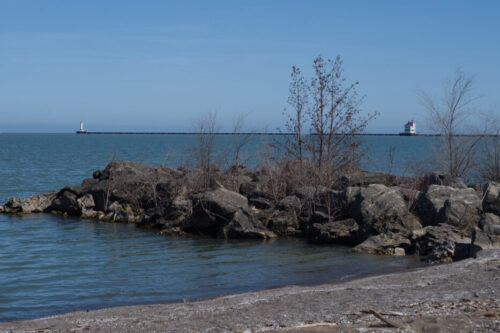
Lorain has a prime spot on Lake Erie, but much of its waterfront has long been overshadowed by a massive steel mill. For decades, the industry shaped the shoreline, leaving little room for mixed-use development or vibrant neighborhoods. When the mill declined, it left behind large underused areas. Those gaps make the waterfront feel sparse and disconnected.
Although the city has been pushing for redevelopment, progress has been inconsistent. Many properties need cleanup or complex planning before they can be repurposed. Without sustained investment, large stretches remain empty or partially fenced off. As a result, Lorain’s waterfront feels like an unrealized asset waiting for its moment.
11. Atlantic City, New Jersey
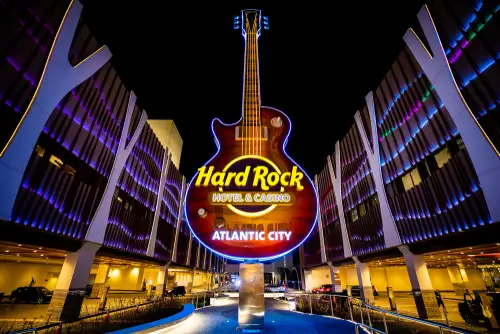
Atlantic City should have a stunning oceanfront, but much of its best land is dominated by half-empty casino complexes and windswept parking lots. Instead of inviting boardwalk-side neighborhoods, the shoreline is broken up by shuttered properties that never got redeveloped. Visitors often notice how quickly the glamour drops off once you leave the tourist core. What could be thriving beachfront blocks instead feel oddly hollow.
The town’s reliance on casinos pushed out more diverse development that might have made the waterfront feel lived-in. When gaming revenues plunged in the 2010s, many buildings simply sat vacant. That decline left long stretches of prime shoreline without restaurants, shops, or residential charm. Even today, new investment comes slowly, leaving the waterfront feeling like an unfinished project.
12. Beaumont, Texas
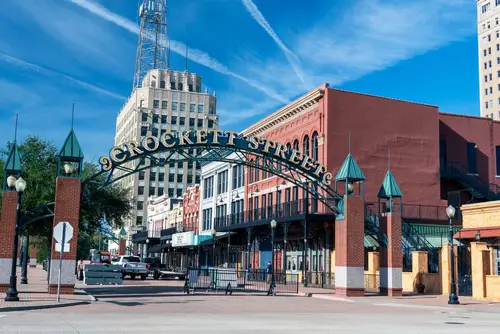
Beaumont sits on the Neches River near the Gulf, but its waterfront is heavily tied to petrochemical and shipping facilities. The industrial operations crowd out recreational uses and limit public access. Parts of the shoreline feel isolated because they’re surrounded by warehouse districts and port traffic. That makes the riverfront look more functional than welcoming.
While there have been attempts to improve certain areas, large swaths remain dominated by industrial land. Environmental concerns and ownership complexities slow progress. The result is a waterfront that doesn’t match the town’s otherwise rich cultural history. Instead of a scenic riverside hub, Beaumont’s waterfront feels like an afterthought.
This post 12 Waterfront Towns That Somehow Turned the Best Real Estate Into the Least Appealing Spaces was first published on American Charm.

