
1. Seattle, Washington
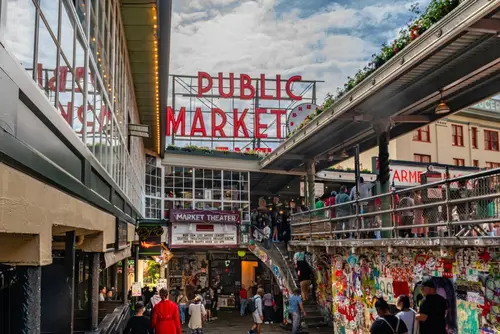
Seattle embraced Portland-style bike-friendly culture, expanding protected bike lanes across the city. But the city’s geography and booming tech population meant congestion kept getting worse anyway. Commuters often spent long stretches on I-5 despite investments in transit. So while the biking infrastructure grew, the traffic jams grew right along with it.
Seattle also adopted Portland’s love for dense, walkable neighborhoods, especially in places like Capitol Hill and Ballard. Those areas became vibrant but simultaneously strained by new residents and limited road capacity. Light rail expansions helped, but construction delays piled onto the traffic problems. In the end, the city got the vibe it wanted without solving the gridlock.
2. Denver, Colorado
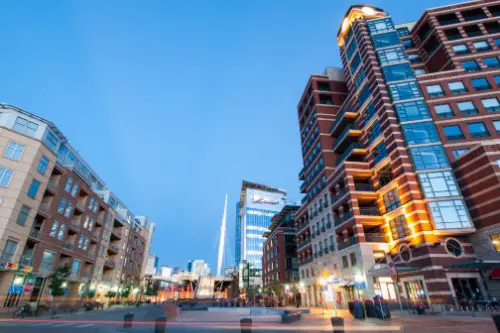
Denver leaned into urbanism, adding bike lanes and encouraging infill projects similar to Portland’s approach. The city’s population surge, however, quickly outpaced the new infrastructure. Major corridors like I-25 and I-70 remain chronically backed up during peak hours. So while the city feels more PNW-inspired, drivers still spend lots of time stuck.
Denver also expanded its regional rail network hoping to mimic Portland’s MAX Light Rail success. But the long distances between suburbs and workplaces kept many people in their cars. RTD ridership never hit the levels planners hoped for. As a result, the transit improvements didn’t offset the added congestion.
3. Austin, Texas
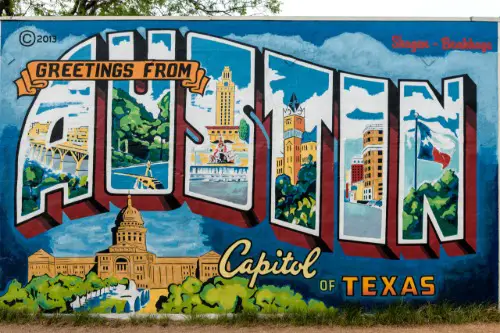
Austin embraced Portland’s craft-beer-and-bikes ethos, pouring resources into trails and bike lanes. But its population boom overwhelmed its highway system. I-35 remains one of the most congested stretches in America. So even with a more Portland-like culture, traffic still dominates daily life.
The city also doubled down on supporting dense and mixed-use developments, hoping to reduce car dependency. Yet zoning debates slowed reforms, causing walkability improvements to lag behind growth. Transit expansions like Project Connect are still years away from full impact. That left residents with Portland-style aspirations but very Texas-sized delays.
4. Salt Lake City, Utah
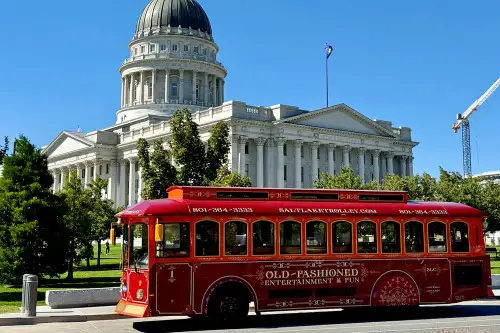
Salt Lake City boosted its TRAX light rail system inspired partly by Portland’s MAX model. The lines helped, but they couldn’t keep up with regional population increases. The Wasatch Front still funnels most commuters onto limited freeway corridors. So traffic thickened even as transit options expanded.
The city also promoted compact, sustainable development around downtown and Sugar House. Those efforts attracted more residents but added pressure to local streets. Bike lanes arrived, but car dependence remained stubborn. In the end, the Portland playbook didn’t change the driving patterns enough to ease congestion.
5. Sacramento, California
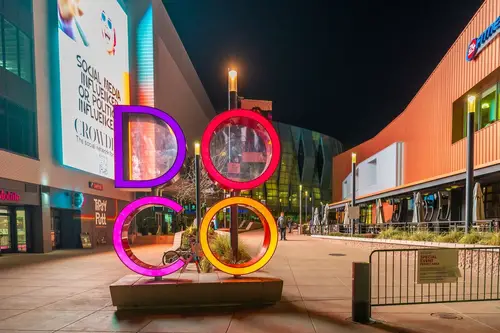
Sacramento invested heavily in its light rail system to emulate Portland’s early transit success. But sprawling suburbs still sent large numbers of commuters toward the central city. Highway 50 and I-80 remain heavily congested during rush hour. So the rail system helped, but only to a point.
Sacramento also adopted Portland’s enthusiasm for revitalized urban cores. Neighborhoods like Midtown flourished with shops and cafes, attracting more residents. That rising popularity brought more cars despite walkability goals. The end result was vibrancy mixed with persistent bottlenecks.
6. Minneapolis, Minnesota
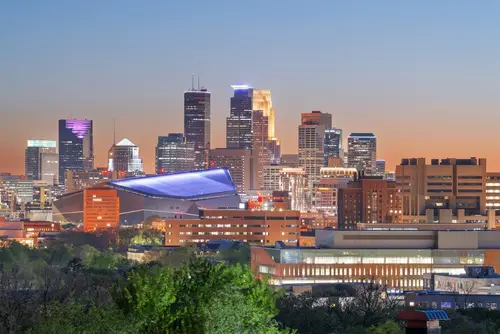
Minneapolis expanded its bike network, becoming one of the most bike-friendly cities in the country like Portland. Yet winter weather kept many commuters in cars for large parts of the year. That meant freeways like I-94 remained jammed. So the Portland-inspired cycling boom couldn’t fully solve the traffic puzzle.
The city also built out its METRO light rail lines hoping to curb driving. While ridership was solid, suburban sprawl diluted its overall impact. Job centers spread out, making transit less convenient for many. As a result, Minneapolis achieved Portland-level bike culture without Portland-level congestion relief.
7. Charlotte, North Carolina
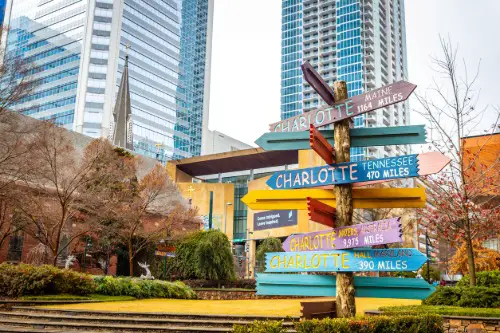
Charlotte launched its LYNX Blue Line light rail to bring a more Portland-style transit experience. Even so, the city kept growing outward, pulling commuters from car-dependent suburbs. I-77 congestion became a defining frustration for locals. So the added rail didn’t erase reliance on highways.
Charlotte also pushed for mixed-use districts, especially around South End. These areas saw booming development and rising popularity. But the growth increased local traffic around already busy corridors. The city gained the atmosphere it wanted but also the inevitable gridlock.
8. Nashville, Tennessee
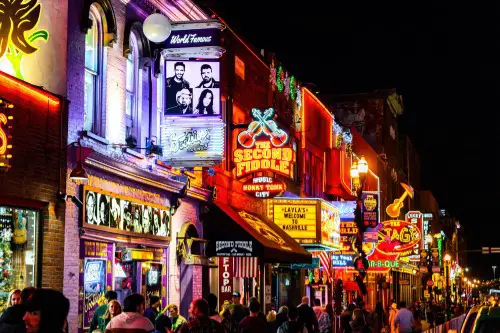
Nashville embraced urban revitalization with the same enthusiasm Portland showed decades earlier. But its rapid population growth put intense pressure on its limited freeway system. I-24 and I-65 frequently rank among the nation’s most congested. So the city’s transformation came with a side of gridlock.
Nashville’s attempts to boost transit never fully caught on, with a major transit referendum failing in 2018. As a result, car dependency remained extremely high. Walkable neighborhoods expanded, but people still drove between them. So Nashville got Portland-like style without Portland-like transit support.
9. Houston, Texas
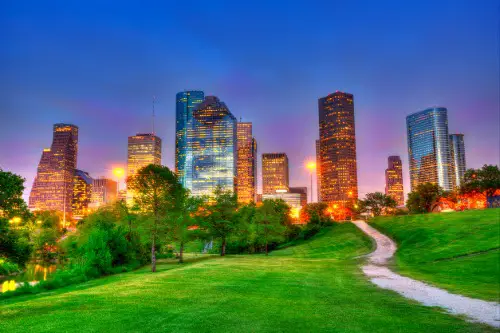
Houston invested in bike lanes and embraced complete-streets projects in an effort to feel more Portland-like. Nevertheless, its enormous size and car culture overshadowed those efforts. Freeways like I-45 continue to see heavy congestion every day. So the city’s nod to Portland didn’t lighten road traffic.
The city also revitalized inner neighborhoods such as Montrose and the Heights. Those areas attracted people who liked Portland’s quirky, creative feel. But the influx added thousands more daily car trips. The result was lively districts paired with chronically jammed roadways.
10. Atlanta, Georgia
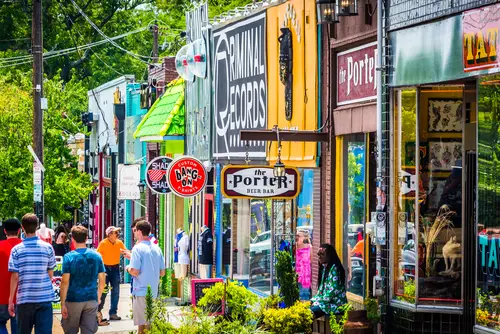
Atlanta pushed forward with the BeltLine, an ambitious project reminiscent of Portland’s urban trails. It succeeded at creating walkable corridors and new development. But the region’s car dependence still left highways like the Downtown Connector clogged. So even with Portland-inspired greenspace, traffic marched on.
Transit expansions through MARTA improved access, but they didn’t reach many sprawling suburbs. Employers remained spread out across the region. That made driving the default option for many commuters. The BeltLine added charm, but not widespread congestion relief.
11. Phoenix, Arizona
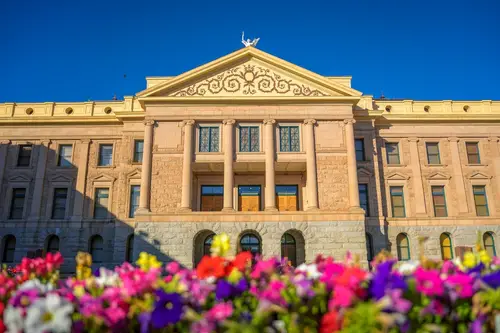
Phoenix expanded its Valley Metro Rail system to build a more Portland-style transit backbone. While the line supports downtown and ASU, the region’s vast sprawl limits its reach. Freeways like the Loop 101 still see heavy flows morning and evening. So the train helped, but not enough to cut traffic significantly.
Phoenix also added bike lanes and promoted denser development near the rail. Those efforts attracted new residents who liked walkability and transit choice. But high summer temperatures kept many people in cars eight months of the year. That ensured road congestion remained a constant.
12. Raleigh, North Carolina
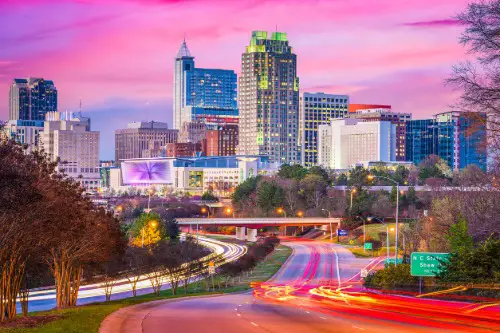
Raleigh invested in walkable districts and bike infrastructure similar to Portland’s urban model. But the Research Triangle’s growth outpaced those improvements quickly. I-40 and US-1 became notoriously slow during peak hours. So even as Raleigh grew more modern and livable, traffic stayed a major issue.
The city also expanded bus transit and planned commuter rail for the region. Progress came slowly compared to population growth. Job centers remained spread across Raleigh, Durham, and RTP. That kept drivers on the road and made Raleigh yet another city capturing Portland’s charm—minus its congestion solutions.
This post 12 Cities That Tried To Copy Portland and Only Ended Up Copying Its Traffic was first published on American Charm.

