
1. Tampa, Florida
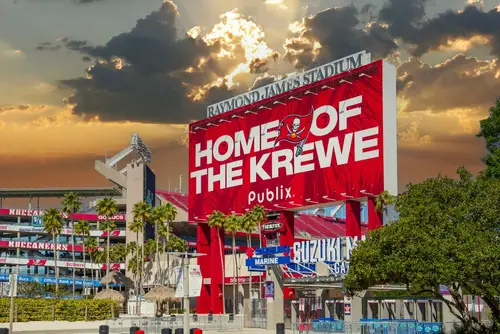
Tampa has been one of Florida’s fastest-growing metros, and 2026 may bring even more arrivals seeking warm weather and lower taxes. But the region’s vulnerability to hurricanes and flooding creates long-term infrastructure challenges that accelerated growth complicates. Insurance costs have skyrocketed, which could hit new residents hard. The more people Tampa adds, the harder it becomes to protect everyone during extreme weather.
Road congestion is already a problem, and the region lacks the kind of robust transit system a growing metro typically needs. Schools and hospitals may feel the strain as populations rise in areas without adequate services. Development has also pushed into flood-prone zones, raising safety and cost concerns. Tampa may hit a point where risk and reward collide.
2. Boise, Idaho
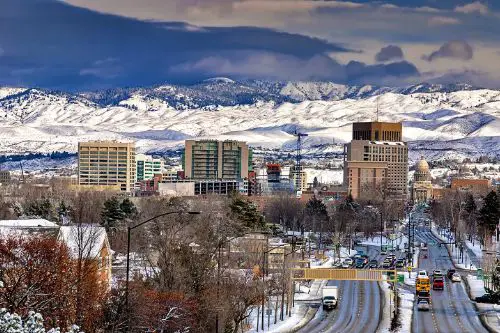
Boise’s population has been climbing at breakneck speed, and 2026 may mark yet another wave of people seeking affordability and scenic living. But the city’s small size means even moderate growth hits hard, especially when it comes to housing availability. Locals have already voiced concerns about sprawl eating into natural spaces. If growth keeps accelerating, Boise might struggle to maintain both its charm and its price point.
The influx also complicates infrastructure planning, because Boise hasn’t historically needed big-city systems. Traffic congestion is already becoming a problem, and public transit remains limited. Schools and healthcare facilities may find themselves stretched thin as more families arrive. The city may need upgrades far beyond what it currently budgets for just to keep pace.
3. Nashville, Tennessee
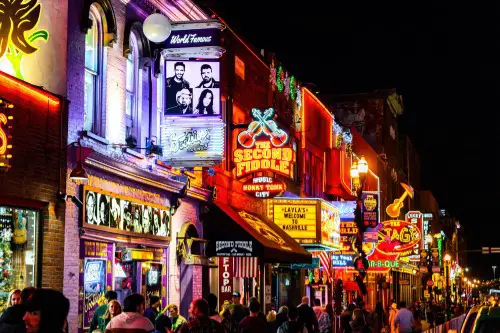
Nashville’s popularity shows no sign of slowing, and 2026 could bring another surge of people chasing job opportunities and entertainment culture. But the city’s roads are notoriously congested, and transit options haven’t expanded quickly enough. Housing prices have risen steeply, which frustrates both newcomers and longtime residents. Without major investment, Nashville may feel gridlocked both literally and figuratively.
The city is also grappling with flooding issues that become more significant as development paves over green space. Rapid growth often intensifies climate-related challenges by stressing water systems and emergency services. If more residents arrive without corresponding upgrades, response times and resilience could suffer. Nashville may reach a tipping point where popularity starts working against it.
4. Raleigh, North Carolina
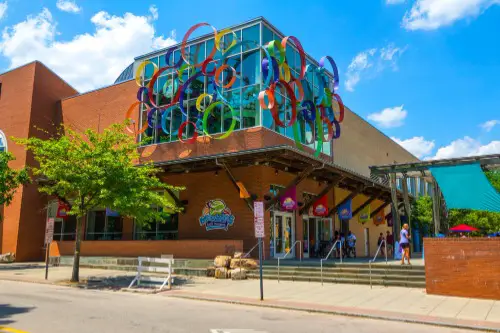
Raleigh’s tech and research sectors are magnets for new residents, and 2026 could become another heavy-growth year. While jobs keep coming, housing isn’t keeping pace, and affordability is slipping. Suburban sprawl is stretching the Triangle region, making commutes longer and more frustrating. Without a more robust transit network, the area may become increasingly car-dependent and congested.
Schools throughout the region are already feeling enrollment pressure, and more families moving in will only intensify that. Water and power infrastructure may also need major upgrades to support a rapidly expanding population. If the Triangle grows faster than expected, coordination between Raleigh, Durham, and surrounding counties becomes crucial. Otherwise, the region risks uneven development and rising tension over limited resources.
5. Phoenix, Arizona
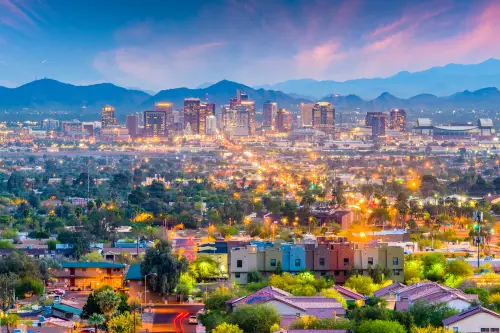
Phoenix continues to attract residents fleeing higher-cost states, and that trend is unlikely to slow by 2026. The challenge is that Phoenix is built on a fragile desert ecosystem with tight water constraints. Even with conservation efforts, increased population puts more pressure on the Colorado River supply. Rising temperatures only add more strain to cooling systems and energy use.
The city spreads outward more than upward, which creates long commutes and heavier road congestion. Public transit remains limited for a metro of its size, making car dependence unavoidable for most residents. Healthcare systems could feel pressure as extreme heat puts more people at risk. If Phoenix doesn’t dramatically scale infrastructure, growth may collide with environmental reality.
6. Denver, Colorado
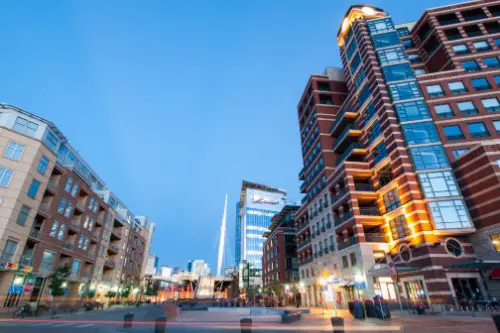
Denver’s appeal isn’t fading, but its capacity is being tested, and 2026 could push it further. Housing shortages have become a defining feature of life there, with many priced out of the market. As more remote workers look for mountain-adjacent cities, demand keeps rising. Yet the city still struggles with balancing density against neighborhood resistance to development.
Denver’s transportation infrastructure also hasn’t kept up with growth. The region’s highways clog regularly, and transit expansions have been slower and more expensive than expected. Water supply is another looming concern in a warming climate. If growth continues at its current pace, Denver may be forced into tough decisions about sustainability and expansion.
7. Austin, Texas
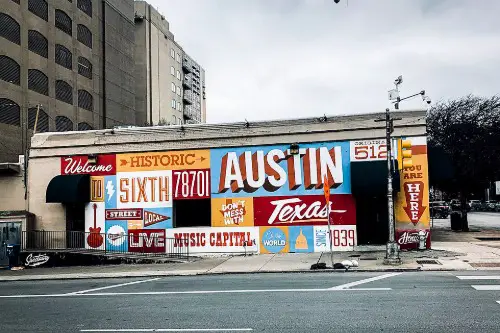
Austin has been booming for years, but by 2026 the city may hit a point where growth outpaces what its infrastructure can reasonably support. The tech sector keeps pulling in newcomers, which sounds great until you realize the roads haven’t grown with the population. Housing costs continue to climb because supply keeps lagging behind demand. Add in strained utilities and an overstretched transit system, and Austin may feel the pinch sooner than residents expect.
The city also faces pressure from its shifting identity, as longtime locals worry Austin is becoming too expensive and too crowded. A fresh wave of arrivals in 2026 could intensify that tension, especially in neighborhoods already transformed by rapid development. If the city can’t balance growth with livability, frustration could rise on all sides. And with climate concerns like drought and extreme heat worsening, the city’s capacity to adapt may be tested in real time.
8. Charleston, South Carolina
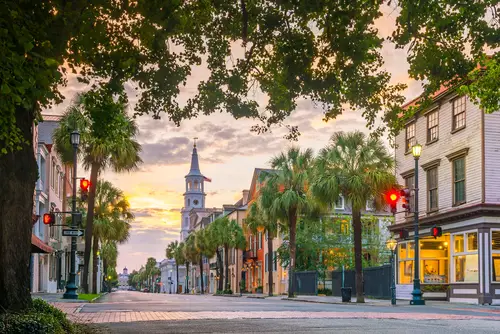
Charleston keeps attracting newcomers thanks to its historic beauty and coastal lifestyle, and 2026 looks like another big influx year. The challenge is that the city’s geography limits how much it can expand outward. Rising sea levels and chronic flooding already complicate daily life. Adding more residents without massive infrastructure upgrades could prove risky.
Charleston’s narrow streets and older neighborhoods simply weren’t built for modern traffic volumes. Housing has become increasingly expensive, squeezing out locals and workers in service-heavy industries. Tourism adds another layer of strain that a growing population amplifies. By 2026, the city may need to rethink development from the ground up.
9. Salt Lake City, Utah
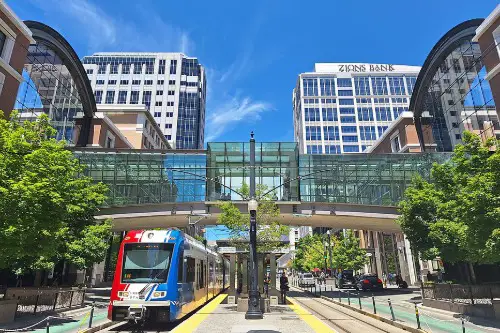
Salt Lake City’s population boom has been steady, and 2026 could continue that trajectory. Tech jobs and outdoor recreation make it appealing to younger movers. But the city faces air-quality challenges, especially during winter inversions. More cars and more development could worsen pollution levels.
Water scarcity is another major issue, with the Great Salt Lake shrinking alarmingly in recent years. As the region grows, water demand rises, putting pressure on an already fragile watershed. Housing availability has also tightened, pushing prices upward. Salt Lake may need aggressive planning to stay livable as more people arrive.
10. Columbus, Ohio
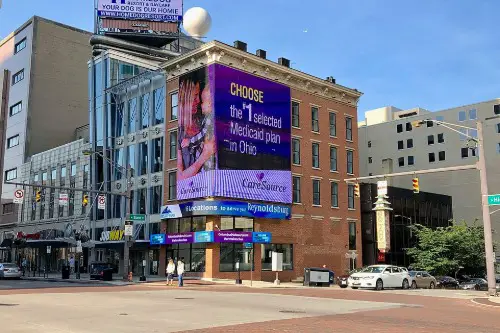
Columbus is a rising star in the Midwest, and the 2026 population shift may boost it even further. The tech and semiconductor industries are bringing in new workers faster than infrastructure can adapt. Housing demand is increasing, and some neighborhoods are already seeing affordability slip. Growth could expose weaknesses that a steady-but-modest city like Columbus isn’t used to confronting.
Traffic congestion is becoming more common, and transit options remain limited for a city of its size. Schools may feel pressure as families move in for job opportunities. Public utilities and road systems also need upgrades to handle a bigger population. If Columbus grows quickly, the transition from mid-sized city to major metro could be bumpy.
11. Las Vegas, Nevada
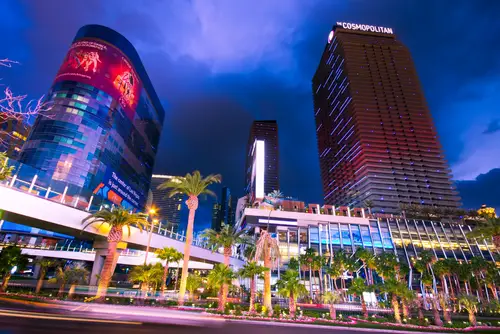
Las Vegas is drawing new residents thanks to expanding industries and relative affordability, and 2026 could accelerate that trend. But Nevada’s water issues are becoming increasingly urgent, and Vegas is at the center of that challenge. The city has done well with conservation, but population growth may push limits. Energy demand in extreme heat also continues rising.
The city’s rapid expansion often outpaces infrastructure, leaving some suburbs with long commutes and limited services. Healthcare capacity is a growing concern as the metro area becomes more family-oriented rather than tourist-centric. Tourism fluctuations also impact tax revenue that funds public projects. By 2026, Vegas could face a balancing act between growth and environmental constraint.
12. Charlotte, North Carolina
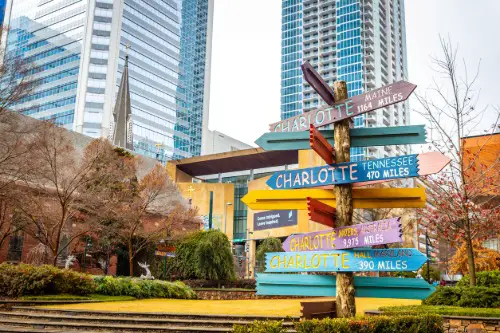
Charlotte has been a top relocation destination for years, and 2026 could bring another wave of job-seekers. The city’s booming finance and logistics sectors are attractive but put pressure on housing availability. Congestion on major roads has been worsening, and the light-rail system hasn’t expanded fast enough. Growth could amplify these weak spots.
Schools have reported overcrowding in several districts, a problem likely to intensify with more families arriving. As suburbs expand outward, public services stretch thinner. Water and power infrastructure will also need upgrades to keep pace. Without careful planning, Charlotte risks outgrowing its systems.
13. Sacramento, California
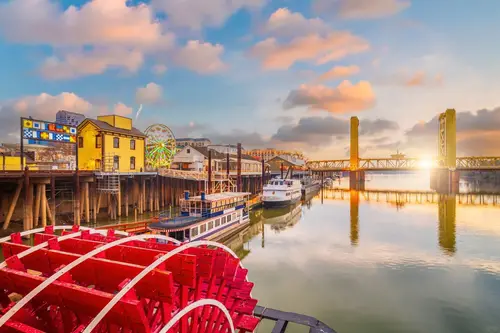
Sacramento has become a refuge for people priced out of the Bay Area, and that trend may spike again in 2026. But the city’s infrastructure wasn’t designed for such rapid expansion, and housing development has struggled to keep up. Traffic has worsened significantly over the past decade. If more residents arrive, the strain could deepen.
Sacramento also grapples with wildfire-related air-quality issues, which more development can exacerbate. Water availability is another challenge as the region faces recurring droughts. Schools and healthcare systems may feel additional pressure if families relocate en masse. The city could find itself needing large-scale upgrades fast.
14. Huntsville, Alabama
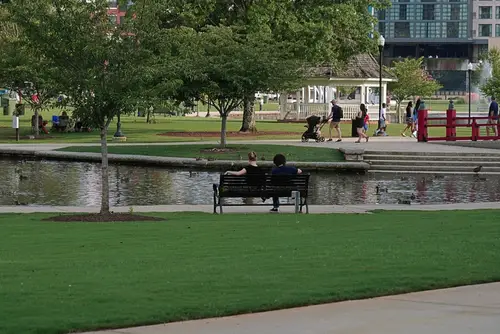
Huntsville has surged in popularity thanks to aerospace and tech jobs, and 2026 is likely to bring even more newcomers. But the city’s infrastructure is still catching up to its rapid transformation. Housing supply has tightened, and prices have climbed faster than expected. Roads and public services may struggle as the population keeps expanding.
The city’s identity is also shifting from small Southern hub to major science-driven metro. That transition requires long-term planning that may not be keeping pace with actual growth. Schools could feel pressure as more families move for job opportunities. Huntsville might reach a point where its rapid rise becomes its biggest challenge.
This post 14 American Cities Expecting a 2026 Population Shift They Aren’t Built to Handle was first published on American Charm.

