1. Russia
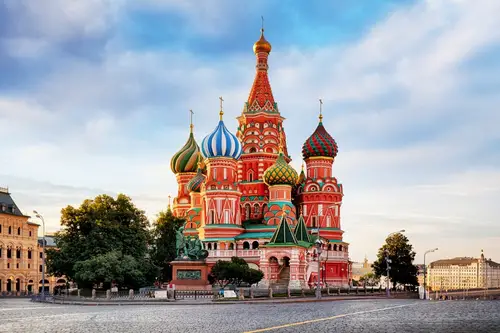
Americans often find Russia’s visa process lengthy, expensive, and bureaucratic, which can feel unwelcoming from the very start. Paperwork requirements are strict, and mistakes can lead to delays or denials. Once in the country, rules about registration with local authorities can confuse first-time visitors. Many travelers report that this administrative heaviness makes the experience feel less relaxed.
In daily interactions, people are generally polite but reserved, which some Americans interpret as standoffish. English is not widely spoken outside major cities, adding another layer of difficulty. Visitors sometimes mention that customer-service culture feels curt compared to what they’re used to. All of this can leave Americans feeling like outsiders.
2. China
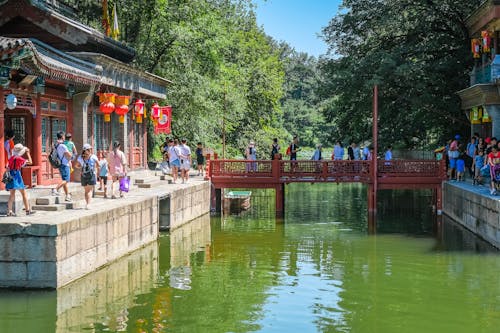
Securing a Chinese visa can be time-consuming, and the process sometimes requires in-person appointments and extensive documentation. Requirements may change suddenly, making planning more stressful. Americans also face strict limitations in certain regions, which can create a sense of being carefully monitored during travel. This logistical complexity often sets the tone for the entire trip.
Many locals are warm and helpful, but cultural differences in personal space and communication can be surprising. Crowded cities and fast-paced environments can make visitors feel overwhelmed. Some travelers mention that they sense curiosity rather than friendliness from strangers, which can feel awkward. These factors combined may make Americans feel less welcome.
3. Saudi Arabia
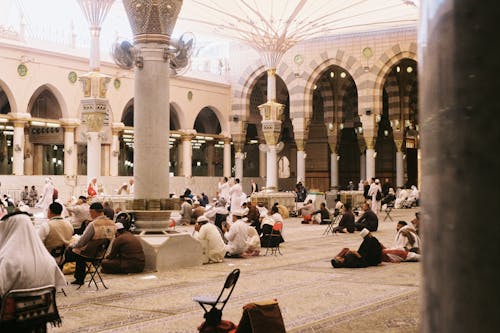
Although tourism has expanded, the Saudi visa system still feels strict and rule-driven to many Americans. Dress codes, behavioral expectations, and compliance with local customs can be intimidating. Travelers often worry about accidentally violating a regulation they didn’t fully understand. This heightened awareness can make the visit feel tense rather than carefree.
Social interactions tend to be formal, and gender norms may feel unfamiliar. Outside hospitality venues, locals may keep their distance out of cultural preference rather than rudeness. Americans sometimes misread this formality as disinterest. Consequently, many leave feeling they never fully connected with the place.
4. Iran
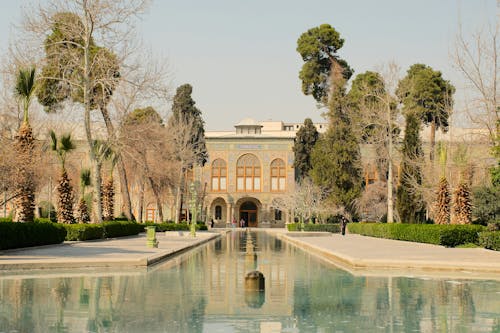
Iran requires Americans to travel with a government-approved guide and a pre-arranged itinerary, which limits independence. The process for securing authorization can take months and involves heavy documentation. This structured approach makes spontaneous exploration impossible, something many U.S. travelers dislike. The rigidity alone can feel unwelcoming.
Socially, Iranians are known for hospitality, but Americans may still feel cautious due to unfamiliar etiquette. English is not as common in smaller cities, increasing communication barriers. Some visitors describe feeling watched simply because guided tours follow tight schedules. While many interactions are kind, the overall structure can create emotional distance.
5. Algeria
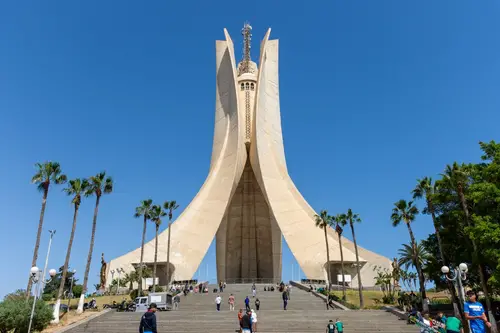
Algeria’s visa requirements are among the strictest in North Africa, often requiring invitation letters and detailed itineraries. Processing times can be unpredictable, frustrating travelers. Americans frequently note confusion about what documents are required. This uncertainty makes planning stressful.
In addition, tourism infrastructure varies widely, and Americans sometimes feel out of place. Some locals may be curious but reserved around foreigners. Limited English proficiency in many areas can also make communication tricky. These small frictions can collectively feel unwelcoming.
6. Pakistan
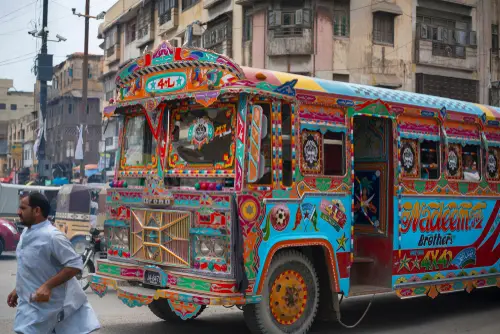
Americans face a multi-step visa process for Pakistan, sometimes including interviews and background details that feel intrusive. Approval times can fluctuate, making planning difficult. Certain regions require special permits, complicating itineraries further. All of these procedural hurdles add an uninviting layer for travelers.
On the ground, many locals are friendly, but cultural differences in conversation and pace of life can feel overwhelming. Americans may find attention from curious onlookers surprising or uncomfortable. Navigating crowded marketplaces and busy traffic can increase stress. These conditions may make it harder to feel at ease.
7. Turkmenistan
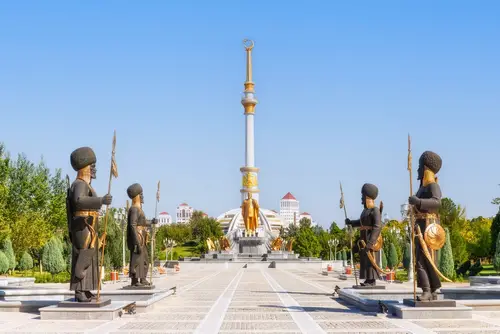
Turkmenistan is known for being one of the hardest countries in the world to visit, and Americans aren’t exempt. Most travelers need a guided tour or an approved visa program, leaving little independence. Rejections are common without clear explanations. This unpredictability alone makes the country feel closed off.
Once there, strict rules about photography and movement surprise many visitors. Interactions with locals can feel limited simply because people are cautious around tourists. English is rare, adding language friction. As a whole, the rigid environment feels less than welcoming.
8. Belarus
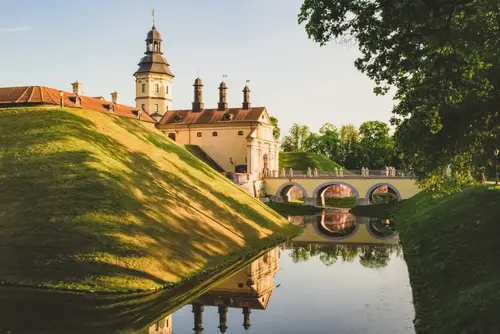
Belarus still has a reputation for complicated regulations and unpredictable visa changes. Americans often need to plan carefully and stay updated to avoid missteps. Even small errors in paperwork can create setbacks. This emphasis on procedural precision can feel intimidating.
Locals tend to be private and reserved, especially with strangers. Americans used to chatty conversation may interpret this neutrality as coldness. Customer-service norms can also feel blunt or hurried. These cultural differences sometimes leave visitors feeling unwelcome.
9. Cuba
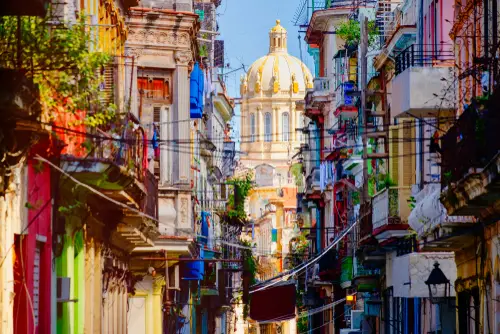
Americans face unique restrictions on travel categories and documentation when visiting Cuba. The rules require travelers to carefully justify their purpose, which can feel restrictive. Changes in regulations over the years have caused confusion, adding to planning anxiety. This constant uncertainty affects perceptions of welcome.
On the island, locals are usually kind, but some Americans report feeling targeted by aggressive street vendors. Dual-currency systems and tourist pricing can make visitors feel singled out. Limited internet access can further frustrate travelers. These elements can create a sense of friction.
10. Nigeria
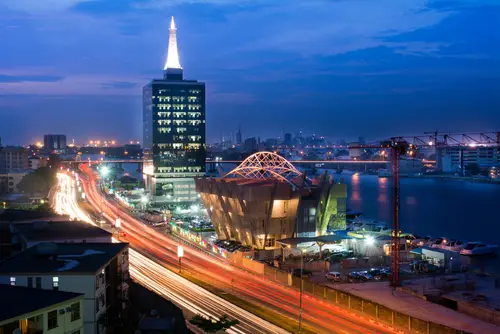
Nigeria’s visa-on-arrival system for Americans requires pre-approval and fees that can be confusing. Requirements vary depending on entry point and purpose, and U.S. travelers often find the instructions unclear. Processing can be slow, especially during busy periods. This administrative complexity makes the experience feel uninviting from the start.
Urban environments can feel intense to travelers unfamiliar with large, bustling cities. Locals are friendly, but cultural differences in negotiation and social interaction may surprise Americans. Some visitors feel overwhelmed by persistent sales approaches in markets. Together, these factors can make Americans feel uneasy.
11. India
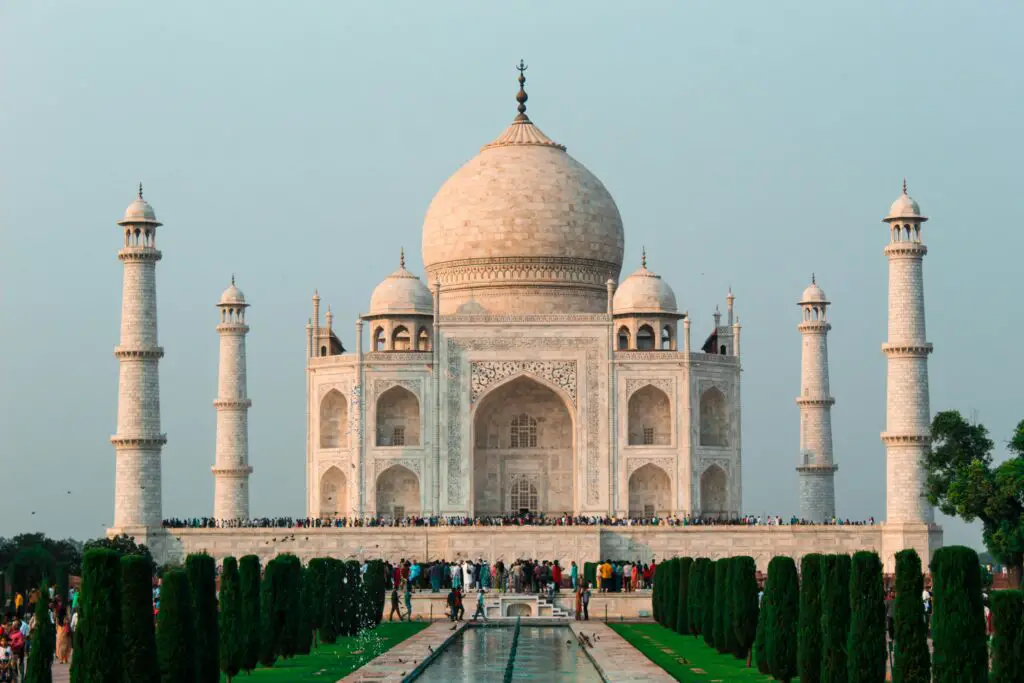
Americans need an e-visa or traditional visa, and while the system has improved, glitches and delays still happen. Travelers sometimes encounter last-minute approvals that complicate scheduling. The detailed application questions can feel excessive. These elements combine to create frustration before arrival.
Once in India, the sensory intensity can feel overwhelming to some Americans. Crowds, noise, and different social norms around personal space can cause fatigue. Some visitors also find bargaining culture uncomfortable. Even with the country’s warmth, these factors make comfort harder for some.
12. Myanmar
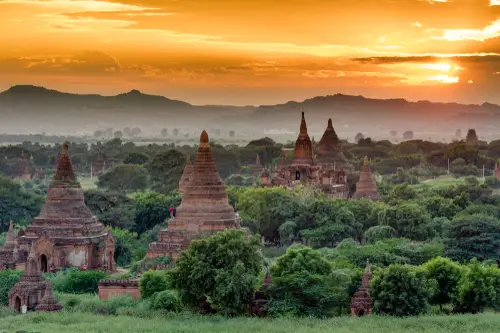
Myanmar’s visa system can shift due to internal administrative changes, making planning uncertain. Americans sometimes face unexpected documentation requests. Travelers often feel unsure whether regulations will change before their trip. This unpredictability leads to anxiety and hesitation.
In daily interactions, locals are often friendly but cautious. Americans may find communication tricky due to limited English outside major cities. Infrastructure varies widely, making navigation stressful. These combined frictions can create a sense of not fully belonging.
13. Qatar
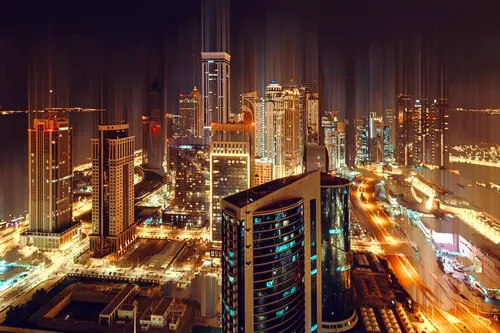
Qatar’s entry rules for some travelers are straightforward, but Americans sometimes find the documentation checks strict. The cultural expectations around dress and public behavior may add stress for those unfamiliar with them. The formal tone of official interactions can feel intimidating. These elements create a sense of guardedness.
Locals tend to be polite but very private, which Americans may misinterpret as aloofness. The expatriate-heavy population also means visitors may struggle to connect with Qatari culture. Some travelers feel they remain on the outside of local life. This dynamic can make Americans feel less welcome than expected.
14. Uzbekistan
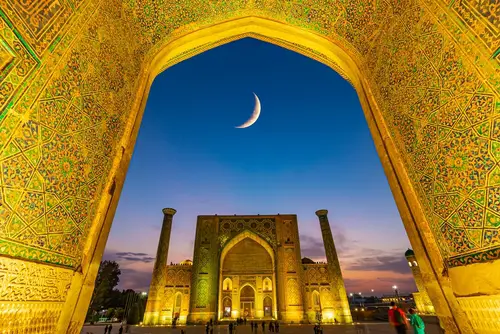
While Uzbekistan has made tourism easier, Americans still report occasional inconsistencies in visa procedures. Requirements may differ depending on consulates or online systems. Travelers sometimes need to provide hotel confirmations or detailed itineraries. These small hoops can feel discouraging.
On the ground, social interactions are polite but reserved. Americans accustomed to direct communication may find conversations slower or more formal. English is limited outside cities, which can lead to misunderstandings. These elements can create a sense of distance.
15. Kuwait
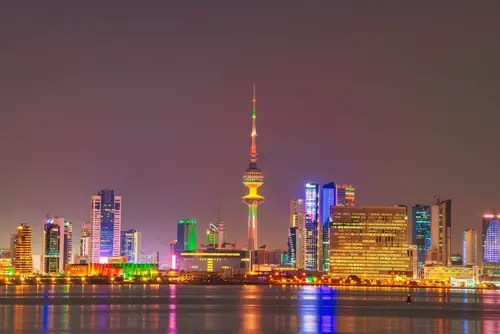
Kuwait’s visa requirements for Americans can feel strict, especially for certain visit categories. The process often includes sponsorships or invitations that complicate casual travel. Approval times sometimes vary unexpectedly. This level of oversight can feel unwelcoming.
In social spaces, cultural formality is the norm, and locals may avoid conversation with strangers. Americans who value casual small talk may feel out of place. The pace of public life is modest and structured, which can feel unfamiliar. These cultural gaps can make visitors feel less embraced than they hoped.
This post 15 Countries Where Americans Will Not Feel Welcome in 2026 was first published on American Charm.