
1. Florida
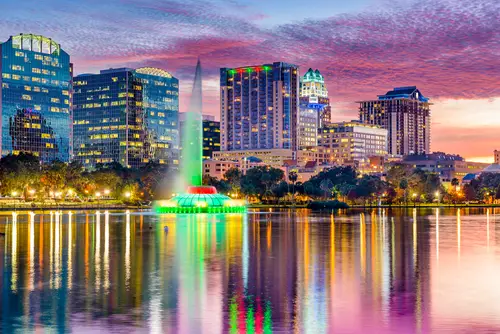
Florida’s tourism engine has lost serious momentum, with millions fewer visitors than the year before. That sudden dip has hit theme parks, hotels, and coastal businesses especially hard, leaving many operators scrambling. The slowdown also means fewer jobs and shrinking revenue for communities that rely almost entirely on visitors. It’s a tough reality check for a state that’s built so much of its identity on being the country’s go-to vacation spot.
As travelers cut back and international tourism softens, Florida is discovering how vulnerable its economy really is. Many small businesses now face slimmer margins as visitor spending drops. Even major attractions are rethinking operations as attendance shrinks. If the trend doesn’t reverse going into 2026, the financial strain could become long-term.
2. Nevada
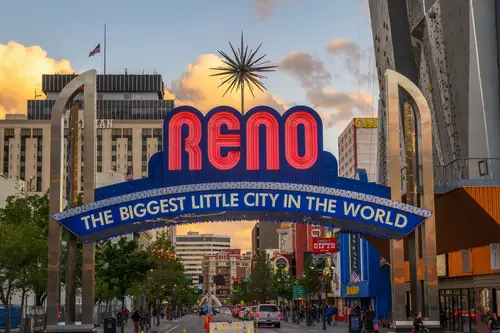
Nevada, especially Las Vegas, is often viewed as America’s tourism pulse — but that pulse is slowing. Visitor declines have left casinos, entertainment venues, and resorts noticeably quieter. Hotel occupancy has dipped, and spending on shows, dining, and nightlife has followed. It’s an unfamiliar position for a state that’s usually booming with travelers around the clock.
Because so much of Nevada’s economy depends on a steady flow of guests, even a modest drop can snowball fast. Tax revenue takes a hit, which puts pressure on public services. Businesses that thrive on foot traffic are seeing slower nights and fewer big-spending customers. All signs point to a challenging year ahead if tourism doesn’t rebound soon.
3. California
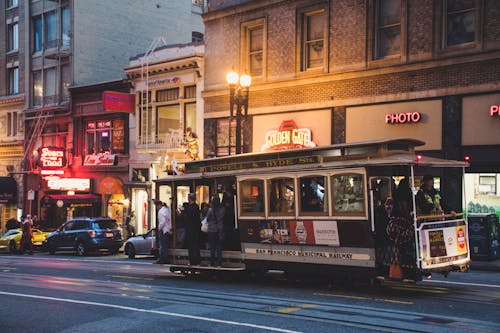
California’s decline in international tourism has been especially painful because those travelers typically spend the most. Cities like Los Angeles and San Francisco are reporting softer demand across hotels, attractions, and convention spaces. Even national parks and beaches, which usually stand strong during downturns, have felt the slowdown. The state’s massive tourism infrastructure simply isn’t getting the traffic it’s built for.
With fewer overseas visitors and economic uncertainty affecting domestic travel, California is bracing for tighter budgets. The ripple effect hits everything from transportation systems to small retail districts. Businesses that depend on heavy seasonal crowds are seeing shorter lines — and smaller profits. It’s a reminder of how much California relies on global attention.
4. New York
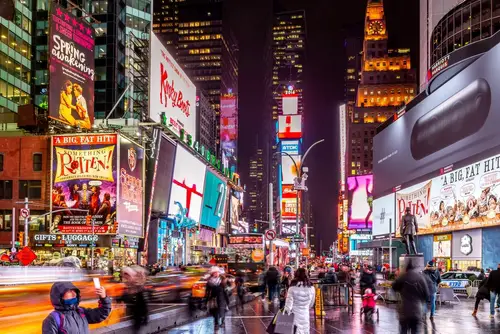
New York is feeling the sting of a major drop in international arrivals, especially in New York City. Hotels and Broadway theaters are reporting thinner crowds, and restaurants are seeing fewer high-spending tourists. Visitor traffic through airports has slowed noticeably, denting revenue across hospitality and entertainment. For a city built around tourism energy, the emptier streets signal a tough shift.
The drop also threatens small businesses that depend heavily on tourism, from souvenir shops to local cafes. Cultural institutions are seeing fewer tickets sold, which puts pressure on already tight budgets. Even public transportation systems feel the effects when ridership dips. Heading into 2026, the city is grappling with how to bring those visitors back.
5. Colorado
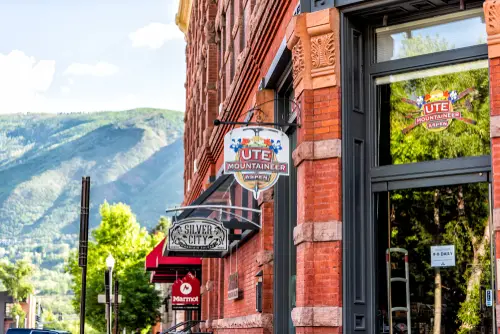
Colorado’s mountain destinations are feeling a sharp decline in international travel. Many resorts that rely on overseas skiers and summer adventurers have seen fewer bookings. Small mountain towns are reporting weaker retail sales and quieter restaurants during peak seasons. The loss of foreign visitors has disrupted what used to be reliably busy travel periods.
As tourism cools, these communities are dealing with shrinking tax revenue and seasonal job cuts. Outdoor-recreation businesses are scaling back operations to cope with reduced demand. Hotels and rental properties are lowering prices in hopes of attracting more domestic travelers. For areas that depend on tourism for survival, the downturn is hitting hard.
6. Montana
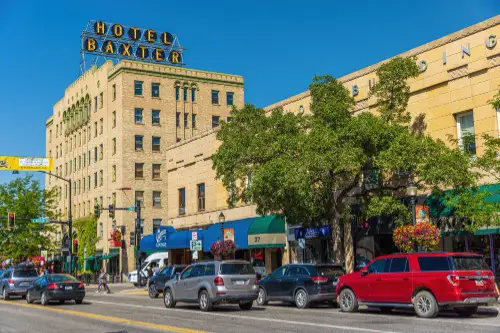
Montana’s tourism slump is especially visible near popular destinations like Glacier National Park. Visitor spending has softened, hurting outfitters, hotels, and local shops that rely heavily on seasonal tourists. Fewer travelers from Canada have made a noticeable dent in cross-border activity. For rural communities, even small declines can have an outsized effect.
With tourism being such a critical lifeline, the slowdown is reshaping local economies. Businesses that depend on summer crowds are cutting hours and reducing staff. Restaurants and lodges have reported lower sales during periods that used to be reliably packed. If the trend continues into 2026, some communities may struggle to stay afloat.
7. Texas
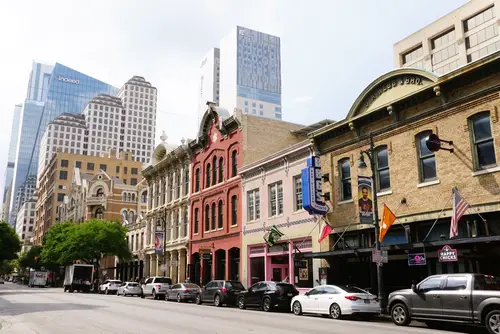
Texas has gone from record-breaking tourism numbers to a noticeable downturn. Major cities like Austin, Houston, and San Antonio are seeing softer hotel occupancy and fewer big events. Conventions and festivals — once steady revenue generators — aren’t drawing the same crowds. Even the state’s popular road-trip destinations are reporting slower seasons.
The drop is squeezing businesses that rely on visitor spending, from restaurants to entertainment venues. Tourism-driven revenue is a big part of the state’s economic health, so the slowdown is widely felt. Smaller communities that depend on weekend travelers are especially vulnerable. Without a rebound, Texas could face a prolonged period of reduced tourism activity.
8. Hawaii
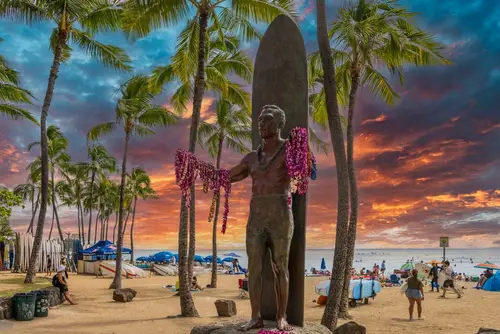
Hawaii’s visitor numbers have taken a step back, and the impact is clear across its islands. Hotels are seeing fewer bookings, and daily tourist spending has slipped. Even traditionally strong destinations like Maui and Oahu are reporting softer demand. For a place where tourism is woven into nearly every job sector, the slowdown is alarming.
The drop affects everything from local tour operators to retail workers. Higher costs and global economic uncertainty have made some travelers hesitate, leaving businesses with slimmer margins. Resorts have begun scaling back amenities to adjust for reduced occupancy. If Hawaii can’t stabilize visitor numbers soon, its economy could feel long-term strain.
9. Michigan

Michigan is feeling the pinch as fewer travelers make their way to lakeshore towns and outdoor recreation hubs. Seasonal businesses that depend on summer crowds have noticed quieter weekends. Hotel stays, dining traffic, and local attraction visits are all trending downward. The decline is a blow to small communities built around warm-weather tourism.
With fewer visitors, local economies are losing out on revenue they’ve traditionally relied upon. Many family-owned shops and restaurants are struggling to manage higher costs with lower sales. Attractions that depend on steady foot traffic are rethinking staffing and operations. The state is entering 2026 with uncertainty about whether those crowds will return.
10. Illinois
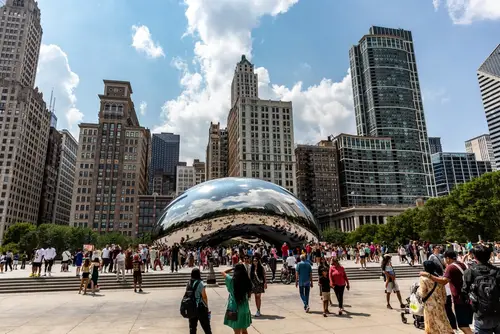
Illinois, and Chicago in particular, has been hit by declining international travel. Hotels and museums are reporting fewer visitors, and major events aren’t drawing the usual out-of-town crowds. Restaurants that benefit from tourism-heavy neighborhoods are seeing slower nights. The city’s tourism ecosystem depends on global interest, and that interest has slipped.
This shift is straining budgets for cultural institutions and event venues that depend on steady attendance. Convention business has softened, affecting everything from transportation to retail. Smaller hospitality businesses are adjusting to lower demand and tighter margins. It’s becoming clear that the state can’t rely on its usual streams of international visitors to carry it forward.
11. Massachusetts
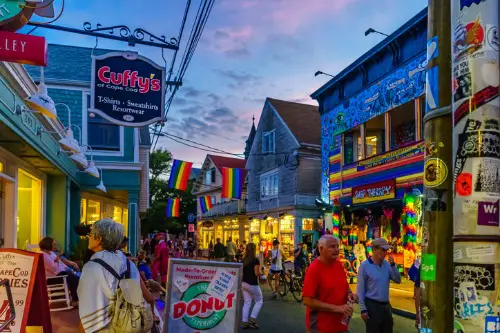
Massachusetts is also grappling with reduced tourism, particularly from international travelers. Historic sites, museums, and coastal towns have seen noticeable drops in foot traffic. Even Boston’s typically reliable visitor season hasn’t delivered its usual numbers. For a state that leans heavily on cultural and seasonal travel, the slowdown is significant.
With fewer tourists, businesses that rely on busy summers and fall foliage season are feeling the strain. Local shops and restaurants have experienced softer sales across multiple peak periods. Attractions are having to scale back offerings due to shrinking revenue. As 2026 approaches, many communities are hoping for a turnaround that hasn’t yet materialized.
This post Tourism Just Collapsed – These 11 U.S. States Are in Trouble Going Into 2026 was first published on American Charm.

