1. New York

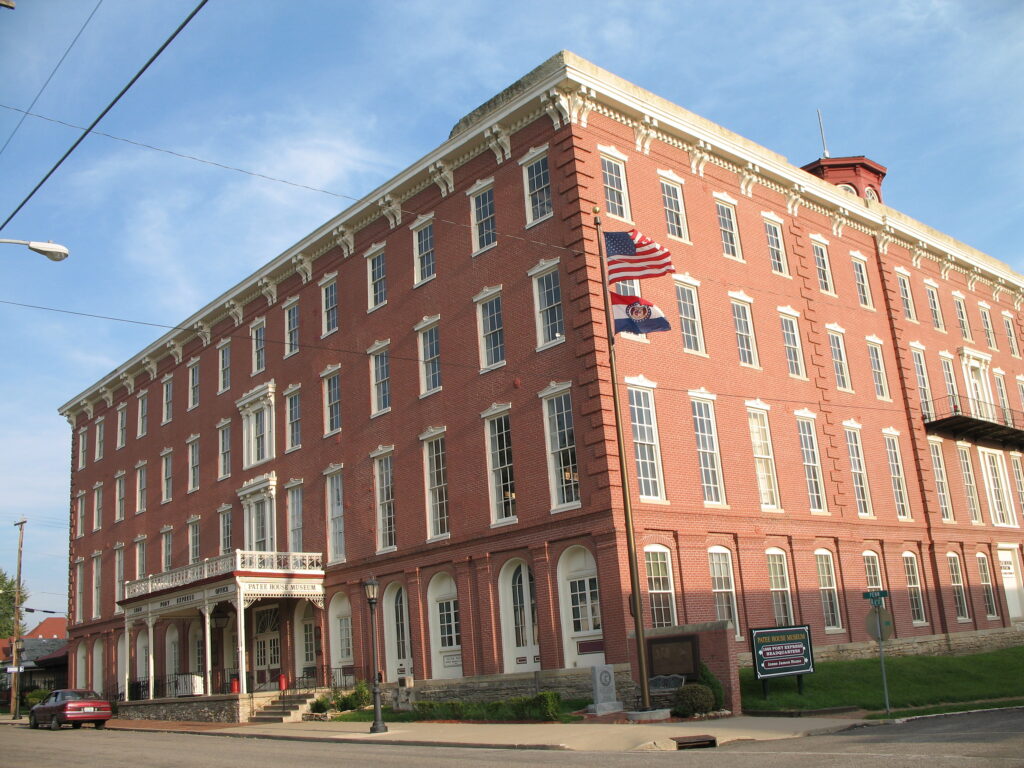
New York’s out-migration remains among the highest in the country, and the cost of living is a major reason people are packing up. Housing is expensive not just in Manhattan, but in outer boroughs and suburbs too. Taxes and infrastructure frustrations make the financial burden even heavier. For many, the math simply doesn’t favor staying.
Residents also cite a desire for more space and a slower pace, something they feel New York can’t offer anymore. Younger professionals often leave for emerging job hubs where salaries stretch further. Retirees, meanwhile, are heading to states with friendlier tax environments. The trade-off between city energy and personal comfort is starting to tilt in favor of leaving.
2. California

California continues to lose more residents to other states than it gains, largely because the cost of living has become overwhelming. Many families say housing prices are the main breaking point, especially in coastal metros where even modest homes feel out of reach. Taxes and everyday expenses add to that pressure, making the state feel financially exhausting. For a lot of people, leaving California means choosing stability over prestige.
Climate stress is another factor that keeps coming up in migration reports, particularly when it comes to wildfires and long-term drought. Some residents also feel burned out by congestion and hour-long commutes. Younger people and retirees alike are calculating whether their quality of life could be better elsewhere. Increasingly, the answer they land on is yes.
3. Illinois

Illinois continues to see significant population loss, with high property taxes being one of the most commonly mentioned reasons. The state’s long-standing budget challenges have created uncertainty that makes some residents uneasy about long-term financial stability. Many homeowners feel squeezed between rising costs and stagnant wages. That pressure sends people looking for states where they can get more value for their money.
There’s also a noticeable trend of young workers moving away for stronger job markets, especially in states experiencing faster economic growth. Some families say they want to escape what feels like an endless financial grind. Others want better prospects for their children in regions with expanding industries. The combined effect is a steady stream of people heading out.
4. New Jersey

New Jersey has been losing residents for years, and the story usually starts with property taxes. They’re among the highest in the country, and paired with expensive real estate, they make it tough for many families to stay put. Commuters working in New York or Philadelphia also report burnout from long, stressful travel. When people weigh the cost against the benefit, the balance often tips toward leaving.
Many residents are looking for more space at a price that feels sane, something they increasingly find in other states. Others are pursuing a slower lifestyle that’s hard to capture in densely packed suburbs. Younger adults in particular are drawn to cities with lower living costs and growing job sectors. It’s a financial decision, but also an emotional one.
5. Massachusetts

Massachusetts has been seeing domestic out-migration driven mainly by its extremely high housing prices. Even well-paid workers say the cost of living feels unsustainable, especially around Boston. Taxes and day-to-day expenses add to the crunch, making cheaper states more tempting. The result is a slow but steady stream of residents heading elsewhere.
Some families leave because their dollars simply go further in the South or Mountain West. Others want a lifestyle with less crowding and easier access to space. Younger residents also report feeling priced out before they can even establish themselves. In many ways, people love the state—but they can’t always afford it.
6. Louisiana

Louisiana’s out-migration trends are shaped by a mix of economic and environmental pressures. Some parts of the state struggle with job stagnation, making it difficult for residents—especially young adults—to build long-term careers. High insurance and storm-related costs add another layer of difficulty. For many, the long-term risks outweigh the benefits of staying.
Hurricane vulnerability and flood concerns are long-standing issues that push some families to look for greater stability elsewhere. Others leave because they feel opportunities are limited compared to faster-growing states. The emotional toll of repeated natural disasters also factors into relocation decisions. As a result, more residents are choosing to start fresh in areas with fewer climate challenges.
7. Hawaii

Hawaii consistently loses residents to the mainland, and the driving reason is cost. Housing is extraordinarily expensive, and basic goods cost more due to shipping and limited supply. Many younger people say they simply can’t afford to build a future there. That financial strain pushes locals to consider leaving despite deep cultural roots.
The distance from the mainland adds another challenge, making travel, career mobility, and family logistics harder. Some residents also express concern about long-term climate vulnerability. Others leave for broader job options or more affordable real estate. For many, the decision isn’t about wanting to go—it’s about feeling they have to.
8. Michigan

Michigan’s population loss is tied to long-term economic shifts, especially in areas outside its revitalizing cities. Some regions continue to struggle with limited job growth, which prompts younger workers to look elsewhere. Families often move seeking more dynamic employment opportunities. That gradual migration shapes the state’s demographic trends.
The weather doesn’t help either—long, harsh winters are a common reason people give for leaving. Others want more access to outdoor recreation in warmer states with booming economies. Some residents also prefer lower-tax environments found in parts of the South. Altogether, these factors keep Michigan on the out-migration list.
9. Maryland

Maryland sees steady out-migration driven by its high cost of living and significant tax burden. Housing around the D.C. metro area is pricey, which makes long-term affordability a struggle for many families. Commuters often face heavy traffic and high transportation costs. Over time, those stresses add up.
Some residents leave for nearby states with lower costs but similar access to urban job markets. Others head farther away in search of more space or a different pace of life. Younger professionals in particular gravitate to regions with faster growth and more attainable housing. As a result, Maryland steadily loses more people than it gains.
10. West Virginia
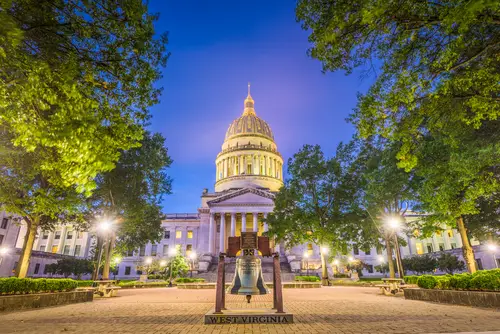
West Virginia continues to experience population decline tied to limited economic diversification. Many younger residents feel they need to leave to pursue education or career opportunities not readily available at home. As they move away, the state faces an aging population and slow workforce replacement. This creates a cycle that makes growth harder to sustain.
Some families relocate seeking more stable job markets with upward mobility. Others are drawn to states offering better long-term financial prospects. The rural charm remains, but it isn’t always enough to outweigh practical concerns. Over time, these trends compound into consistent net out-migration.
11. Alaska

Alaska’s population loss is driven by its isolation, high cost of living, and limited economic diversity. Food, utilities, and everyday necessities cost more due to transportation logistics. Combined with a challenging climate, these factors make long-term residency difficult for some. Many who leave say they want a more predictable lifestyle.
Climate conditions—especially extreme cold and seasonal darkness—also influence decisions to move. Others seek more career flexibility than the state’s economy can consistently provide. Younger adults in particular tend to head to the Lower 48 where opportunities feel broader. While Alaska is uniquely beautiful, practicality often wins out.
This post Top 11 States Everyone Is Fleeing in 2026 was first published on American Charm.