
1. Heelys

Heelys hit peak visibility in the mid-2000s, but their biggest cultural saturation was the summer of 2007. Kids glided through malls and parking lots on their sneaker-embedded wheels. The shoes looked like regular sneakers until the wearer suddenly started rolling. Every kid who didn’t have them desperately wanted a pair.
Safety concerns quickly cooled the trend. Malls, airports, and schools banned them after a rise in minor injuries. Without places to use them freely, the excitement tapered off. They still exist, but the cultural takeover never returned.
2. Fidget Spinners
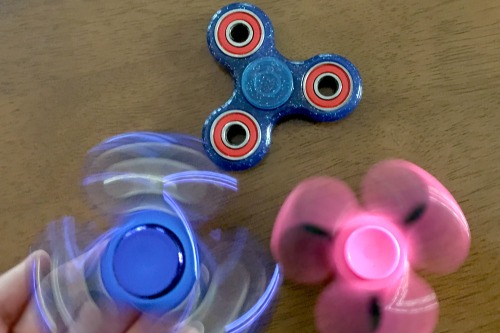
Fidget spinners exploded in popularity during the spring and summer of 2017, showing up in classrooms, offices, and just about every checkout aisle. They were marketed as focus tools, but most people used them simply because they were fun to flick around. Their sudden rise was helped by social media videos showing tricks and collecting rare designs. By the end of the summer, enthusiasm faded as quickly as it appeared.
Schools began banning them, novelty wore off, and production outpaced demand almost instantly. Many people who bought them ended up with drawers full of unused spinners. Toy companies quickly pivoted to new trends when sales tanked. Today, they’re a nostalgic reminder of a very specific moment in the late 2010s.
3. Pokémon Go
Pokémon Go took over American streets in the summer of 2016, turning parks and sidewalks into massive public gathering spots. It got people outside in a way few mobile games ever had, thanks to its location-based gameplay. Local businesses even capitalized by advertising nearby PokéStops and lures. For a few months, nearly everyone seemed to be hunting digital creatures in the real world.
The game didn’t disappear entirely, but that communal, national-level craze truly lasted just that first summer. Player numbers dipped as the novelty wore off and technical issues frustrated some users. Later updates added depth, but they couldn’t recreate that initial frenzy. Most people remember it as a lightning-in-a-bottle moment.
4. Silly Bandz
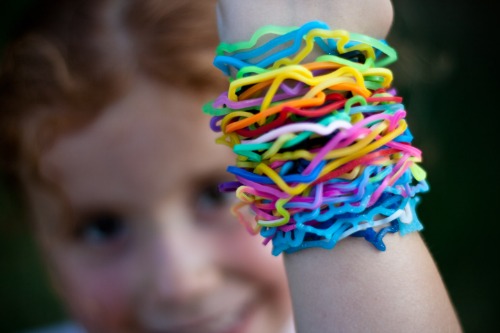
Silly Bandz bracelets were everywhere in the summer of 2010, traded by kids like currency. Their appeal came from the novelty of shapes—animals, letters, and even themed packs tied to pop culture. Stores couldn’t keep them in stock as kids collected, traded, and stacked them up their arms. Parents found them scattered around houses like colorful rubber confetti.
By the end of the summer, the trend had clearly peaked. Schools banned them because they were distracting, which ironically helped fuel their initial popularity. Once the bans became widespread, interest waned instead of growing. Today, they pop up mostly as nostalgic items rather than real fashion.
5. Hoverboards
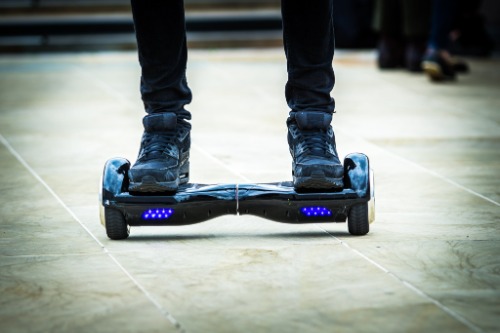
Hoverboards—those two-wheeled self-balancing scooters—ruled the summer of 2015. Videos of people effortlessly gliding around on them spread rapidly on social media. Celebrities posted clips, boosting the trend even further. Kids begged for them despite their high price tags.
Then the safety concerns hit hard. Reports of battery fires caused major recalls, making consumers wary. Many public places banned them, limiting where they could be used. The combination of safety issues and bans made the craze collapse almost overnight.
6. Croc Charms (First Wave)

Before Crocs had their second cultural renaissance, the summer of 2007 saw a brief obsession with Jibbitz charms. Kids decorated their clogs with tiny shapes and icons to show off personality. Stores sold out of popular designs, turning them into mini collectibles. For a few months, they were one of the biggest playground accessories.
The excitement didn’t last, partly because Crocs themselves fell out of fashion shortly after. Without the shoes in the spotlight, the charms faded too. Only years later—when Crocs made a trend comeback—did charms return in a more sustainable way. But that first wave was pure one-summer hype.
7. Razor Scooters
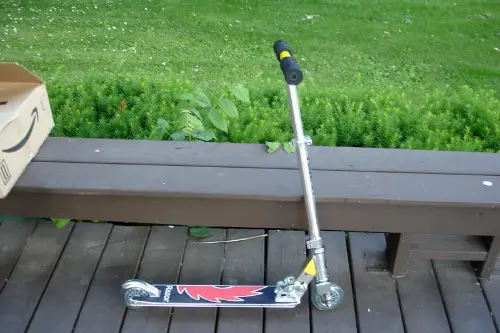
Razor scooters became a sensation in the summer of 2000 after their U.S. release. Kids zipped around neighborhoods, and the scooters’ shiny aluminum frames became instantly recognizable. They were lightweight, easy to fold, and incredibly fun during those warm months. Sales skyrocketed so fast that retailers struggled to keep them in stock.
But by fall, the craze had cooled. Kids moved on to other toys, and the scooters became more of a background item than a must-have trend. They remained popular, but not culturally dominant. Only that summer carried the energy of a full-blown fad.
8. Beanie Babies (Final Surge)
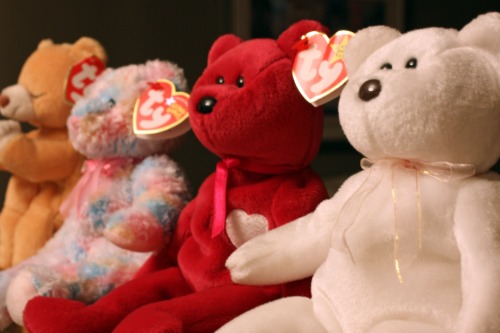
Although Beanie Babies were a 1990s craze, their final big surge happened in the summer of 1998. Collectors believed certain releases would become valuable, causing people to rush stores. Families hunted for rare tags and misprints, treating trips like treasure hunts. The hype around “retirement” announcements intensified the frenzy.
By early fall, the bubble showed signs of bursting. Secondary market prices dropped as new supply kept appearing. People realized most weren’t going to become investment pieces. That summer marked the last time they felt culturally explosive.
9. The ALS Ice Bucket Challenge

The Ice Bucket Challenge took over social media in the summer of 2014. Videos of people dumping freezing water on themselves spread with unprecedented speed. Celebrities, athletes, and even politicians joined in, amplifying the reach. Donations to ALS research surged beyond expectations.
The challenge worked but was clearly tied to that single summer window. Attempts to revive it in later years never matched the original momentum. It wasn’t designed for longevity, and people quickly moved on after the novelty passed. Still, it remains one of the most successful viral charity moments ever.
10. Livestrong Bracelets

Livestrong bracelets became nearly universal in the summer of 2004. The yellow silicone bands symbolized cancer awareness and support for the Livestrong Foundation. Their low cost and high visibility made them an easy accessory to adopt. For months, they were everywhere—schools, stadiums, and even workplaces.
But after that summer, the craze began slowly fading. Other charity bracelets appeared, diluting the appeal. Later controversies surrounding Lance Armstrong further reduced their cultural presence. The original craze never returned to its early-summer peak.
11. Tamagotchis (U.S. Wave)
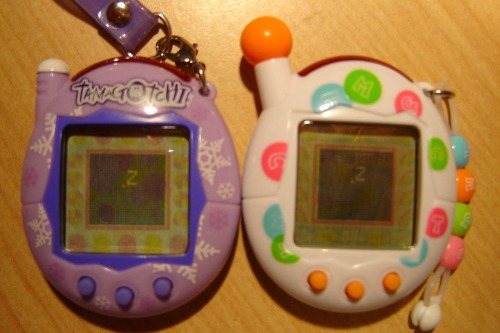
Tamagotchis had their biggest American moment in the summer of 1997. Kids cared for digital pets and panicked when the devices beeped unexpectedly. They became playground talk and fueled friendly competition over who kept theirs alive the longest. Stores struggled to restock them, leading to long lines in some places.
By the end of summer, many kids had burned out on the constant attention the pets required. Newer virtual toys and game consoles diverted interest. While Tamagotchis still exist, they’ve never again hit the same nationwide saturation. That single summer stands out as their true cultural peak.
12. Mood Rings (1970s Reissue)
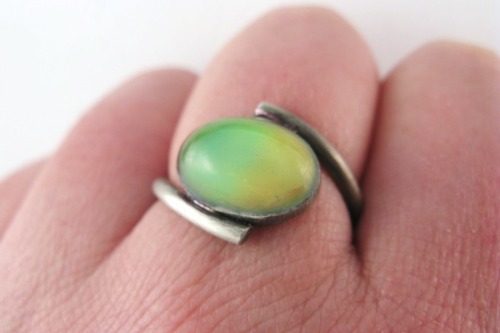
Mood rings saw a massive resurgence in the summer of 1997 when ‘70s nostalgia swept through teen culture. The idea that a ring could change color based on your emotions felt magical and quirky. Retailers capitalized by selling them at malls, fairs, and boardwalk gift shops. Teens compared colors like it was a personality test.
By fall, the novelty wore off as people realized the rings mostly responded to temperature. Other nostalgia-driven accessories replaced them. They continued selling, but only as small novelties rather than a mainstream craze. Their brief, colorful comeback belonged to one memorable summer.
This post 12 Fads That Dominated American Life for One Summer and Never Returned was first published on American Charm.

