
1. Watching a TV Show Together

Before everyone had their own screens, families often watched whatever was on one shared television. This meant gathering at a set time to catch a favorite weekly show. Even commercials became part of the experience, giving everyone a chance to talk or grab snacks. It mattered because it created a shared rhythm in the household.
Shows became a reference point for inside jokes or recurring conversations. Kids and parents could connect over storylines without feeling pressure to keep up with dozens of streaming options. Waiting a full week for the next episode built anticipation in a way that felt communal. Now, binge-watching alone has replaced much of that collective excitement.
2. Sitting Down for a Family Dinner
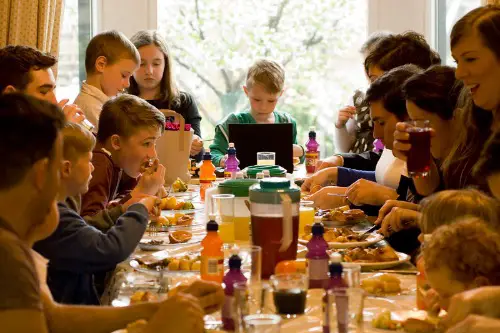
Family dinners used to be a predictable nightly ritual, often happening at the same time every evening. Parents and kids would gather without phones or TV competing for attention. It created a natural space for checking in on each other’s day. It mattered because it strengthened routines that helped families feel connected.
These meals also taught kids basic social skills like sharing food and taking turns talking. Many families remember simple dishes that became staples week after week. Those repeated meals helped build a sense of tradition without anyone really planning it. Today, shifting schedules often make shared dinners a rare event.
3. Weekend Errands as a Group

Running errands used to be something families did together simply because it was practical. Kids would pile into the car for grocery runs, hardware store visits, or pharmacy trips. It wasn’t glamorous, but it created unplanned pockets of time to talk. It mattered because small shared moments often become the most memorable.
These outings also helped kids learn how everyday tasks worked. They saw how parents compared prices, kept lists, and planned household needs. Over time, errands taught responsibility in a subtle way. Today, quick online orders have replaced many of these opportunities.
4. Playing Board Games on Quiet Evenings
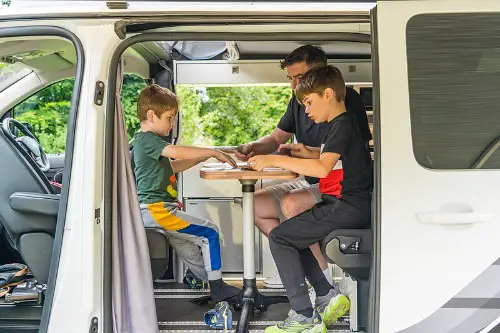
Board games once served as an easy go-to activity when families wanted something low-key. They didn’t require planning—just pulling a box off the shelf. Everyone could join in regardless of age or skill. It mattered because it offered entertainment that encouraged conversation instead of distraction.
The games also taught patience and strategy without anyone calling it “learning.” Kids practiced taking turns and handling winning or losing with grace. Parents got a rare chance to slow down and be playful. With screens everywhere now, spontaneous game nights happen far less often.
5. Attending School Events Together
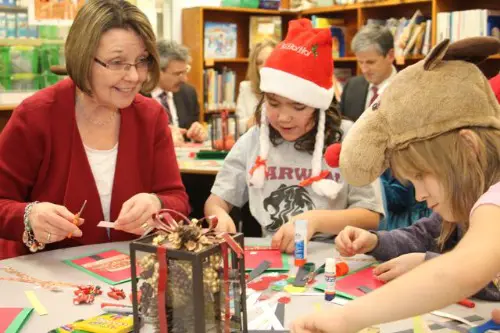
Whether it was a choir concert, science fair, or sports game, school events once drew whole families. These gatherings helped parents stay connected to their child’s world. Kids felt supported when they looked into the audience and saw familiar faces. It mattered because it reinforced the idea that achievements were worth celebrating.
These events also strengthened ties within the broader community. Parents met teachers, neighbors, and classmates’ families in an easy, informal way. Those interactions helped build relationships that made neighborhoods feel like networks. Today, overscheduled calendars make attending every event harder than it used to be.
6. Going for Sunday Drives
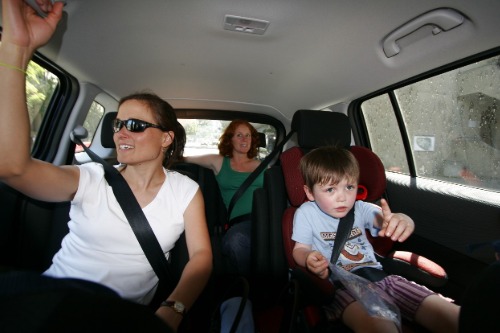
Many families once took casual weekend drives with no specific destination. It was an inexpensive way to relax and get fresh air. Kids stared out windows, spotting landmarks or counting passing cars. It mattered because it created unhurried time that invited conversation.
These drives also let parents decompress without feeling they were wasting time. Families explored new areas without needing a plan or reservation. Sometimes they stopped for ice cream or a small treat along the way. With modern commitments, people rarely take aimless drives just to enjoy being together.
7. Sharing a Newspaper in the Morning

Before news went digital, a single newspaper often circulated around the breakfast table. Parents read headlines while kids scanned comics or puzzles. Passing the paper from one person to another became an unofficial routine. It mattered because it offered a shared window into the world.
This ritual also sparked conversations about current events. Kids learned how to ask questions and form opinions in a relaxed setting. Parents could explain things at their own pace without rapid updates flashing across screens. Now, individual news feeds have replaced the communal experience.
8. Helping with Seasonal Yard Work

Raking leaves, shoveling snow, or planting in spring used to involve the whole family. These tasks turned chores into mini bonding sessions. Everyone contributed something, even if kids only helped for short bursts. It mattered because it created teamwork and a sense of accomplishment.
Seasonal work also taught practical skills that carried into adulthood. Kids learned how weather shaped routines and responsibilities. Parents had chances to model organization and effort. Today, busy schedules—and sometimes hired services—have made these shared tasks less common.
9. Visiting Relatives on Holidays
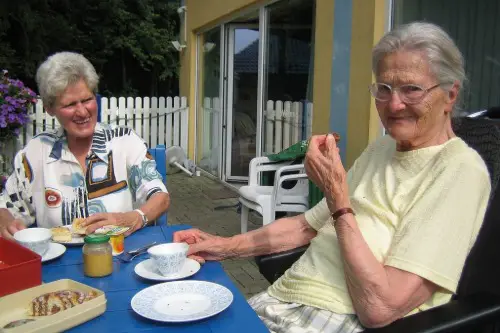
Holiday travel used to revolve around visiting grandparents, aunts, uncles, and cousins. These gatherings created reliable traditions that anchored the year. Kids saw the same faces and heard the same stories season after season. It mattered because it reinforced family identity across generations.
These visits also helped adults reconnect with their own roots. Meals, games, and conversations flowed naturally because everyone shared history. Kids learned family customs just by being present. With families now spread out and time limited, these gatherings often happen less frequently.
10. Browsing Stores Just for Fun

Before online shopping, browsing stores was a casual family pastime. People walked through malls or local shops just to look around. Kids wandered toy aisles while parents compared items they didn’t necessarily plan to buy. It mattered because it created low-stakes time together.
These outings also gave families a chance to talk about wants versus needs. Kids learned how to make choices without instant one-click gratification. Parents could guide decision-making in real time. Now, most shopping happens quickly and privately on screens.
11. Cooking a Big Weekend Breakfast

Saturday or Sunday mornings once meant pancakes, eggs, or homemade waffles. Families gathered in the kitchen, helping with small tasks like stirring batter. The meal often took longer than a weekday breakfast, and that was part of the charm. It mattered because it set a relaxed tone for the day.
Cooking together also taught kids simple kitchen skills without pressure. Smells and sounds created sensory memories that stuck for years. Parents enjoyed watching their kids take small steps toward independence. With rushed mornings, these slow meals often get skipped.
12. Writing and Receiving Actual Mail

Sending letters or postcards used to be a normal part of family life. Kids wrote thank-you notes or pen pal letters with parental guidance. Checking the mailbox felt exciting because surprises arrived there regularly. It mattered because it taught patience and thoughtfulness.
Mail also created tangible keepsakes that families sometimes saved for decades. Kids learned how to communicate clearly on paper. Parents modeled gratitude and follow-through by sending their own notes. Today, quick texts have replaced the slower, more intentional experience of handwritten mail.
This post 12 Moments Every American Family Used to Share Before Life Got Too Busy was first published on American Charm.