
1. Deadwood, South Dakota
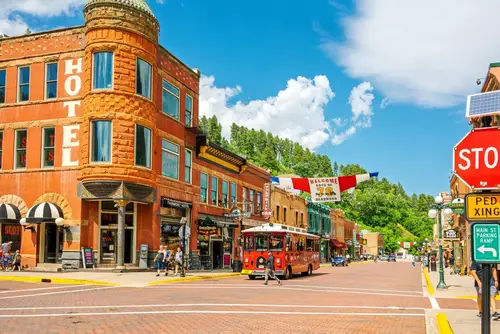
Deadwood is famous for its Wild West history, and the town proudly plays the role without blinking. Wooden boardwalks, period signage, and reenactments make it feel like you’ve stepped into the 1880s. That’s fun for a weekend but a bit surreal when you live there year-round. The tourism machine keeps the frontier vibe alive, even when modern life tries to peek through.
People move here expecting rugged mountain tranquility, but the constant historic performance can wear thin. The economy leans heavily on casinos and reenactments, so life revolves around visitors’ expectations more than locals’ needs. Even new construction often mimics 19th-century architecture, reinforcing the sense that time hasn’t moved on. Deadwood is beautiful, but it can feel less like a functioning town and more like an immersive museum.
2. Bisbee, Arizona
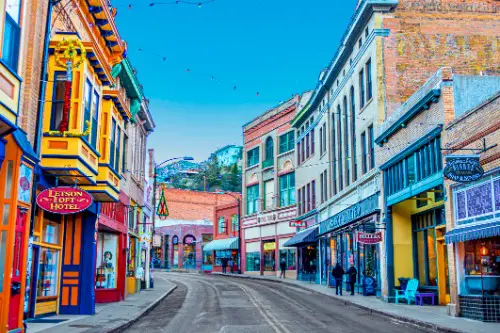
Bisbee feels like someone pressed pause in the 1910s copper-boom era and never quite hit play again. Its steep hills are still lined with Queen Anne–style homes built for miners who long ago moved on. Walking through town, you see antique shops and preserved saloons that look more like film sets than functioning businesses. It’s charming, but you can’t escape the sense that the place is living inside its own scrapbook.
What pulls people in is the promise of quirky art life and quiet desert mornings, but the slower pace can feel frozen rather than peaceful. New residents often expect a bohemian revival but instead find a community cautious about change. The big mining pit—now a tourist attraction—remains the town’s defining landmark, almost refusing to let the past go. Bisbee thrives on nostalgia, but that same nostalgia limits how much it can evolve.
3. Virginia City, Nevada
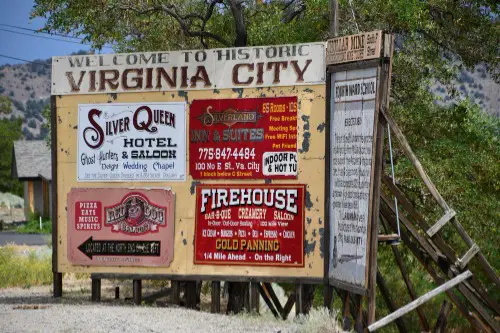
Virginia City, once a booming mining town, still looks remarkably like it did during the Comstock Lode days. Wooden sidewalks, old saloons, and preserved storefronts define the main street. The charm is undeniable, but the lack of change makes it feel more like a stage than a hometown. Even the school and churches look almost untouched by modern design.
People come for the promise of a quiet mountain escape, but the tourist-first atmosphere shapes daily life. Locals often juggle seasonal crowds and an economy that relies on historical spectacle. The preservation is impressive, yet it stalls the town’s ability to modernize meaningfully. It’s a place where the past doesn’t just linger—it dominates.
4. Helena, Montana (Reeder’s Alley)
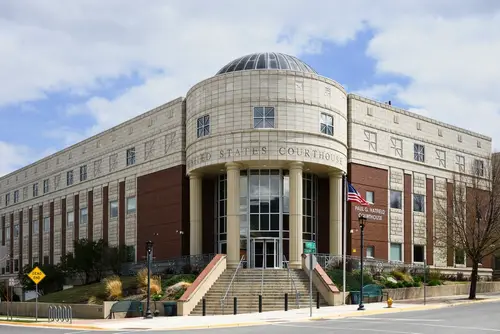
Helena overall is modern, but Reeder’s Alley feels like you stepped directly into the 1870s mining camp era. The brick row houses and narrow passages were built for miners with simple needs and short expectations for comfort. Today, they remain largely unchanged, preserved as a historical pocket within the city. It’s fascinating to visit but oddly disjointed for anyone expecting seamless small-city life.
People sometimes move to Helena imagining Montana modernity mixed with rustic charm, but Reeder’s Alley reminds you how much of the past is intentionally preserved. The area’s businesses are primarily visitor-oriented, leaving it quieter and more static outside peak seasons. Because it’s protected, even subtle updates require negotiation with preservation efforts. It’s a picturesque corner that resists the passage of time, for better or worse.
5. Harpers Ferry, West Virginia
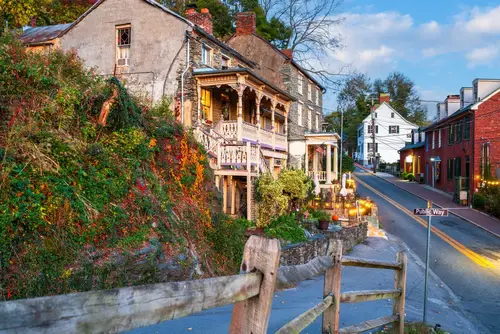
Harpers Ferry sits at the crossroads of American history, and it leans into that identity hard. The historic lower town looks almost exactly as it did during the Civil War era. Many buildings remain frozen in the National Park Service’s interpretation of the 19th century. It’s stunning, but daily life feels overshadowed by its museum-like layout.
Newcomers expect a riverside town with outdoor adventure at the forefront, but the historic rules limit what can change. Businesses often must fit strict aesthetic guidelines, which slows any kind of modern growth. Tourism dominates the rhythm of the place, and quiet months can feel eerily paused. Living there means coexisting with history in a very literal sense.
6. Solvang, California
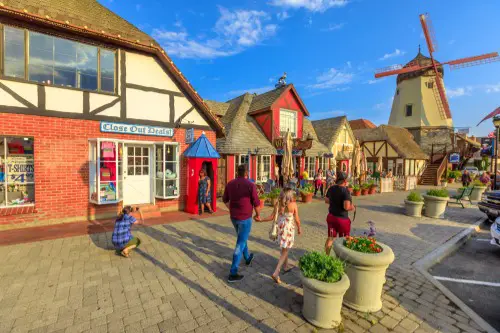
Solvang’s Danish village theme is charming, but it also makes the entire town feel like a postcard from another continent. The half-timbered buildings and windmills were built to mimic a nostalgic European aesthetic. Visitors love it, but long-term living can feel oddly artificial. The themed design is carefully maintained, giving the impression that no new era is allowed to begin.
People imagine a wine-country paradise with European flair, yet the town’s identity revolves around preserving its constructed fantasy. Modern architecture has to blend with the old-world look, which limits growth. Seasonal tourism drives most activity, making the slower months feel frozen. It’s beautiful but carefully curated to stay exactly as it is.
7. Eureka Springs, Arkansas
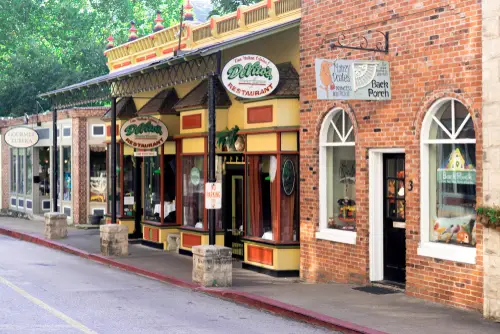
Eureka Springs is famous for its Victorian architecture, and nearly the entire downtown is on the National Register of Historic Places. The winding streets and ornate homes create an atmosphere that feels untouched by the last hundred years. Many buildings can’t be significantly altered, which keeps the town visually stuck in time. For visitors, it’s magical; for residents, it can feel restrictive.
People often move in seeking an artsy mountain community, but preservation rules shape almost every decision. Businesses must work around strict guidelines that favor aesthetics over convenience. The terrain itself—steep and narrow—makes updates difficult even without historical constraints. Eureka Springs stays charming because so little has changed.
8. St. Augustine, Florida (Historic District)
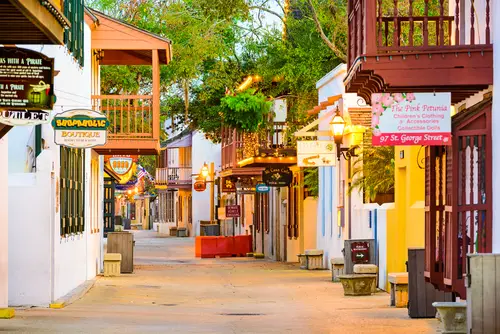
The historic district of St. Augustine leans heavily on its Spanish colonial roots. Cobblestone streets, preserved fort walls, and old mission-style buildings create a setting that feels centuries old. It’s enchanting for visitors but can feel like a time loop for locals navigating crowds and strict design codes. Much of the area is curated to maintain a particular historic narrative.
People come expecting coastal living with a touch of history, but the district’s preservation laws dominate everything. Modern updates are slow to approve, and businesses must maintain specific appearances. The tourism flow rarely slows, making the “lived-in” parts of town feel secondary. It’s beautiful but often feels more like a heritage park than a neighborhood.
9. Bodie, California (State Historic Park Area)
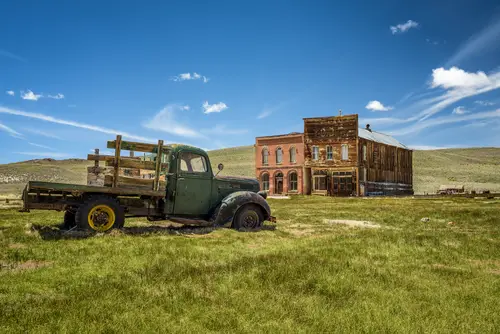
Though technically a ghost town, Bodie sits near communities that rely on its frozen-in-time allure. The town itself has been preserved in “arrested decay,” meaning nothing is restored—just maintained. It’s a rare place where even broken windows stay broken by design. The surrounding region feels tethered to that identity, shaping the culture of nearby towns.
New residents in the area often come looking for quiet Sierra Nevada living but find that everything ties back to Bodie’s story. Tourism is highly seasonal, influencing business cycles and job availability. The preservation approach makes modernization impossible within the town and slow outside it. The sense of time standing still is literal, not metaphorical.
10. Galena, Illinois
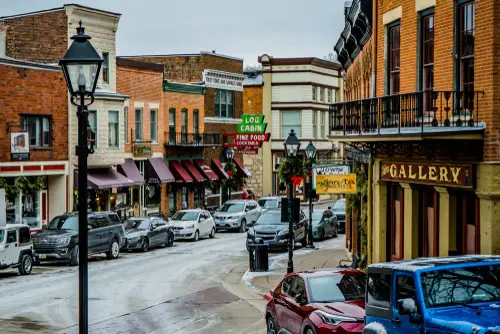
Galena’s 19th-century architecture is so heavily preserved that the downtown looks much as it did during Ulysses S. Grant’s era. The red-brick storefronts and historic homes create a cohesive old-town look. It’s undeniably picturesque but can feel overly curated. Even small updates must align with preservation guidelines.
People anticipate small-town Midwestern life with a creative streak, but the tourism-driven preservation defines the pace. The town’s economy leans on weekend visitors and historic tours, which can make everyday life feel secondary. Residents often find that modern amenities progress slowly or meet resistance. Galena is lovely, but it clings tightly to its past.
11. Leadville, Colorado
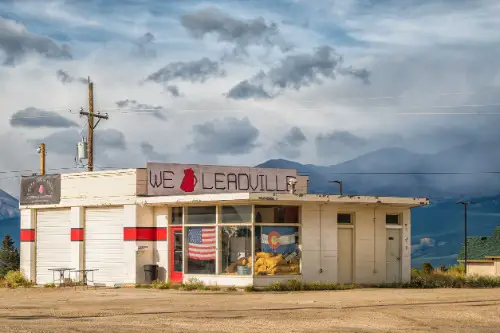
Leadville sits at a high altitude and an even higher concentration of 19th-century mining history. The colorful Victorian buildings stand tall against the mountain backdrop, looking nearly unchanged from the silver boom. Preservation efforts have kept much of the town center frozen in that era. It brings charm but also reinforces its identity as a relic.
People imagine mountain living with modern convenience, but Leadville’s slow-growth economy and historic focus shape reality. Winters are long, and infrastructure updates take time. Much of the town’s branding leans heavily on its mining past, influencing what does and does not get developed. Living here often means embracing a pace reminiscent of earlier days.
12. New Harmony, Indiana
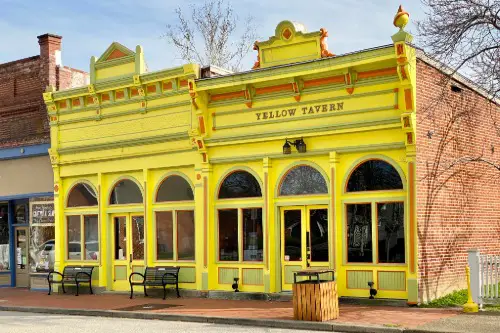
New Harmony was founded as a utopian experiment, and its historic core preserves that legacy carefully. Many buildings date back to the early 19th century, reflecting the town’s idealistic origins. Walking its streets can feel like stepping into a preserved social experiment. The emphasis on heritage keeps the town peaceful but also static.
People driven by the promise of utopian ideals or artistic retreat often find limited economic opportunities. Preservation efforts maintain the old-world tranquility but hinder meaningful modernization. Cultural institutions remain central to life, reinforcing the historical narrative. It’s inspiring, but it also resists change by design.
13. Mackinac Island, Michigan
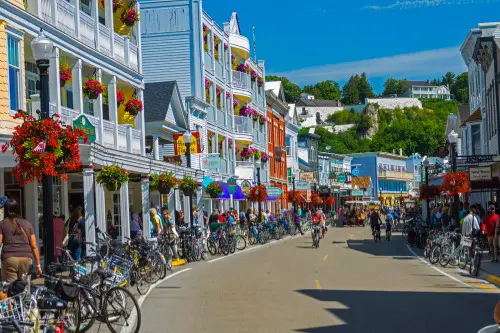
Mackinac Island famously bans most motor vehicles, contributing to its turn-of-the-century atmosphere. Horse-drawn carriages and bicycles dominate the streets, which already look frozen in Victorian summer-resort style. Many buildings have been meticulously preserved to maintain the island’s historic charm. It’s delightful to visit but can feel like living inside a reenactment.
People dream of peaceful island life, but the logistics of daily tasks become complicated without cars. Tourism drives everything, influencing job availability and seasonal rhythms. The historic rules limit modern conveniences and infrastructure updates. Mackinac Island thrives on nostalgia, but that nostalgia runs the show.
14. Natchitoches, Louisiana
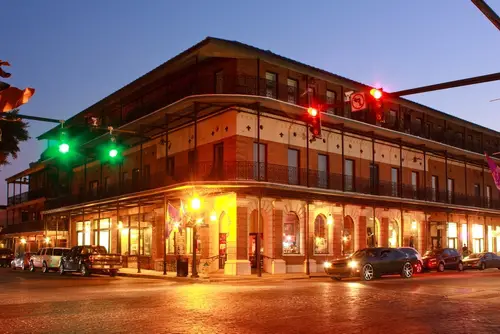
Natchitoches is the oldest permanent settlement in the Louisiana Purchase territory, and its historic district reflects centuries of preserved Creole architecture. The riverfront buildings and brick streets feel anchored in the 1700s and 1800s. Visitors love the slow-paced charm, but the preservation mindset keeps things tightly controlled. It’s a beautiful place that resists modern architectural changes.
People often move for the promise of Southern warmth and historical beauty but encounter a town defined by strict heritage protections. Business development tends to focus on tourism rather than new industries. Infrastructure updates can move slowly under preservation scrutiny. The result is a town that feels intentionally paused.
15. Jerome, Arizona
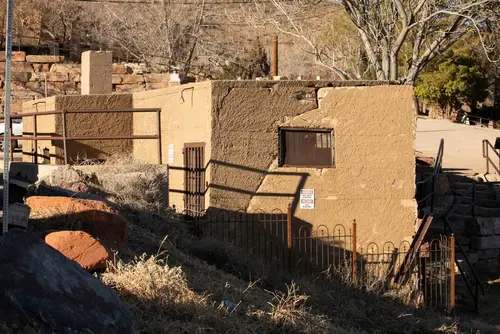
Jerome is perched on a mountainside and still carries the ghostly energy of its mining boom days. Many buildings look almost exactly as they did when the population collapsed in the mid-20th century. The narrow streets and preserved facades give it a suspended-in-time vibe. It’s intriguing, but it can feel like the town never fully recovered or moved forward.
People attracted by its artsy reputation often find the rugged terrain and limited growth challenging. The historic buildings require costly upkeep and can’t be easily modernized. Much of the town’s economy revolves around its haunted and historic branding. Jerome thrives on its past, but that past shapes every part of daily life.
This post 15 U.S. Towns That Promised a Perfect Life but Feel Like Open-Air Time Capsules was first published on American Charm.

