
1. Naples, Florida
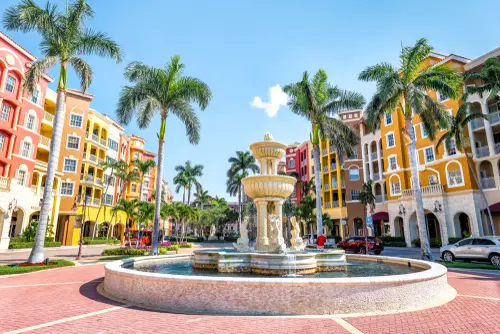
Naples became synonymous with luxury coastal living marketed as accessible to anyone seeking sunshine. Buyers often expected calm beaches, upscale amenities, and manageable housing prices. Instead, they encountered some of the highest real estate costs on Florida’s west coast. Crowds during tourist season also disrupted the serene lifestyle many hoped for.
Some newcomers were surprised by limited affordable options for dining and entertainment. Others found hurricane preparation and insurance costs more burdensome than anticipated. While the natural beauty was undeniable, it wasn’t always enough to justify the expense. Many realized the “dream town” pitch came with more fine print than expected.
2. Austin, Texas
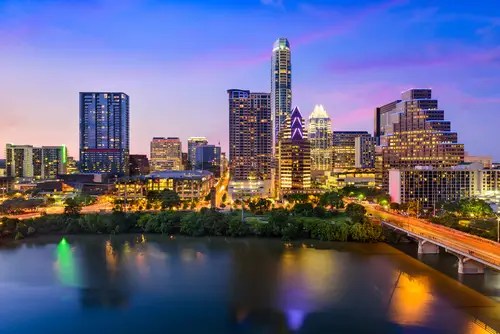
Austin’s brand as an artsy, affordable tech hub brought in waves of new residents. People imagined a walkable, quirky city full of live music available on every corner. Instead, many ran into a cost-of-living spike that outpaced wage growth in several fields. Heavy traffic and long commutes also contradicted the easygoing image.
The tech boom delivered high-paying jobs, but it also pushed housing further out for everyone else. Some residents realized they were living far from the cultural pockets that made Austin famous. The music scene remained strong but more expensive to participate in. In the end, many felt the marketing highlighted the charm but glossed over the growing pains.
3. Bend, Oregon
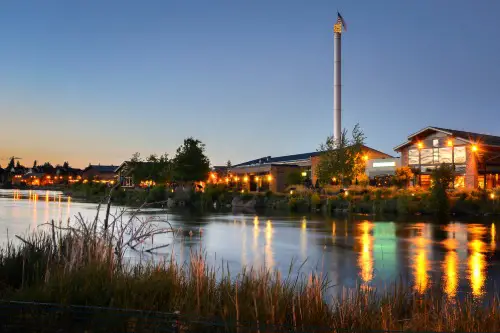
Bend attracted national attention as a picturesque mountain town where outdoor lovers could “live the dream.” Real estate ads emphasized ski access, craft breweries, and endless sunshine. But people soon found that the booming popularity created steep housing prices and limited available inventory. Service industry workers especially struggled to find affordable places to live.
Tourism, while beneficial, also meant crowded trails and busy downtown streets during peak seasons. Some newcomers noticed that job opportunities outside tourism and healthcare were limited. Winter recreation remained excellent, but it wasn’t always as convenient as advertised. Many realized the lifestyle sold to them required more money and patience than expected.
4. St. George, Utah
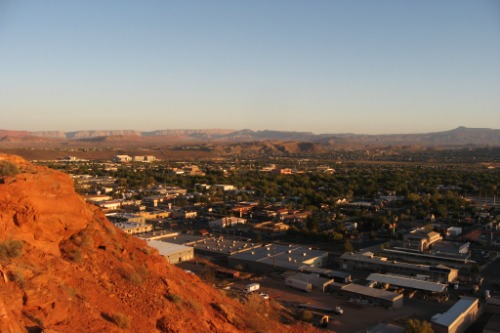
St. George became a magnet for retirees and families seeking warm weather and scenic red-rock landscapes. Marketing highlighted its affordability and easy access to outdoor recreation. But rising demand pushed prices well above what many incoming residents anticipated. Summers also proved far hotter than the promotional materials suggested.
Some new residents were surprised by water usage restrictions tied to the region’s arid climate. Limited job variety also caught younger professionals off guard. While the scenery was stunning, it wasn’t always enough to offset daily challenges. As a result, the town’s “affordable paradise” branding didn’t match everyone’s experience.
5. The Villages, Florida
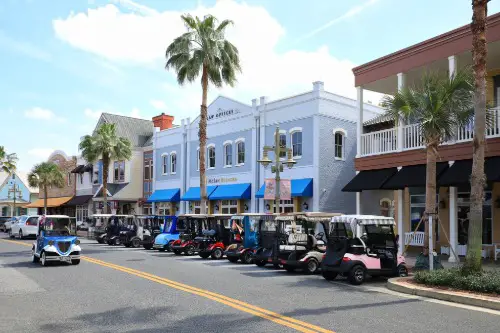
The Villages often advertised itself as an active-adult utopia with endless entertainment. Many imagined nonstop golf, events, and a tight-knit social scene. While those amenities exist, new residents sometimes found the pace overwhelming or repetitive. The community’s rapid expansion also introduced traffic issues and higher costs.
Some buyers didn’t realize how dependent the area is on golf carts and car travel for basic errands. Others noted limited access to medical specialists without driving to larger cities. The community rules, presented as helpful, felt restrictive to some. While still appealing to many, the marketing didn’t always match newcomers’ day-to-day reality.
6. Scottsdale, Arizona
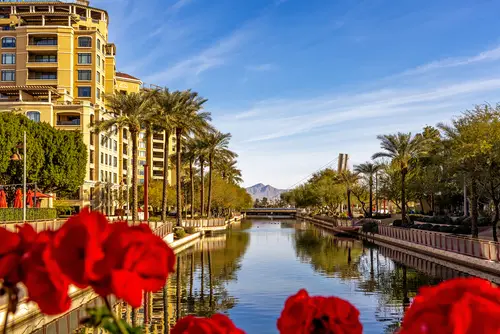
Scottsdale marketed itself as a chic desert destination with resort living for everyday people. Real estate ads promised spa-like neighborhoods, trendy dining, and constant sunshine. But newcomers often discovered that the cost of living was significantly higher than nearby cities. Seasonal tourism also made popular areas crowded and expensive.
Heat proved another surprise, with summer temperatures regularly exceeding what brochures implied. Some residents felt the nightlife and luxury experiences were geared more toward visitors than locals. Job opportunities were solid but concentrated in specific sectors like hospitality and healthcare. The polished image didn’t fully capture the practical drawbacks of living there year-round.
7. Boise, Idaho
Boise exploded in popularity during the late 2010s as remote workers and outdoor enthusiasts rushed in. Buyers often expected a small-city paradise with low prices and little congestion. Instead, housing costs rose sharply, and traffic increased along major corridors like I-84. Many newcomers were surprised to find that the once-quiet vibe had shifted into full-on growth pains.
Marketing often spotlighted Boise’s trail access and friendly culture, which are real but sometimes oversold. Some arrivals discovered limited job diversity outside government, healthcare, and tech-adjacent roles. Others found that the outdoor scenery required long drives rather than being steps from downtown. Between rising costs and a more crowded feel, enthusiasm cooled for those seeking the “undiscovered gem” they’d been promised.
8. Raleigh, North Carolina
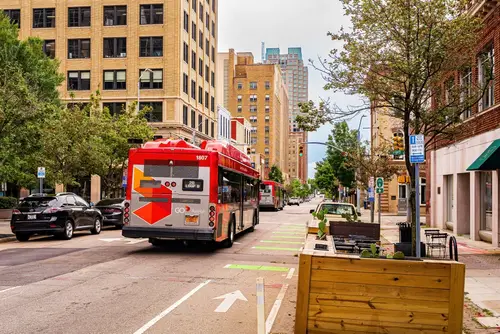
Raleigh’s reputation as a tech-friendly, affordable alternative to larger East Coast cities drew swarms of new buyers. Brochures and rankings touted job growth, safety, and green spaces. But rapid migration pushed housing competition to levels newcomers didn’t expect. Commutes increased as development spread out across the Triangle.
Some residents found that cultural amenities were more distributed than advertised, requiring longer drives. Others felt the job market was strong but heavily centered around tech and research sectors. The suburban sprawl also clashed with the walkability narrative often presented. Many discovered the city was promising, but not quite the streamlined success story they’d been sold.
9. Colorado Springs, Colorado
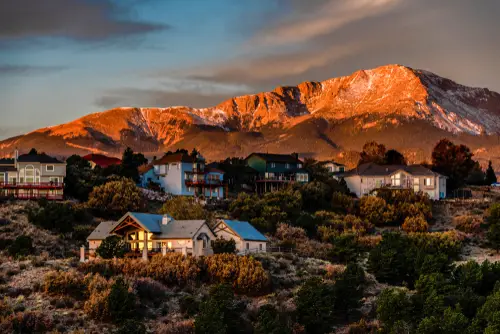
Colorado Springs marketed itself as the affordable alternative to Denver with the same mountain views. Many expected easy access to trails, low housing costs, and a slower pace. But demand quickly pushed prices close to major metro levels. Traffic congestion also increased along key routes like I-25.
Some new residents found that job opportunities lagged behind the city’s rapid population growth. Others realized that outdoor access often meant crowded trailheads, especially on weekends. The city’s spread-out layout conflicted with expectations of a compact mountain town feel. The reality proved more suburban and less idyllic than the marketing suggested.
10. Las Vegas Suburbs, Nevada
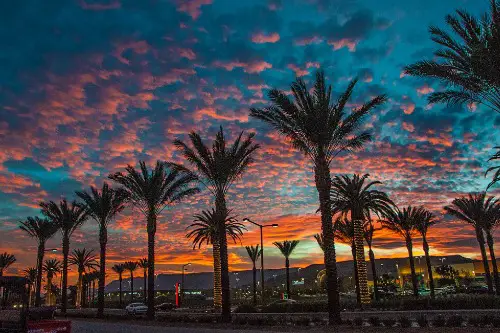
Suburbs like Henderson and Summerlin promised reasonable housing and a relaxed lifestyle away from the Strip. Marketing emphasized master-planned communities with parks and mountain views. But many arrivals discovered rising prices and HOA fees that added unexpected costs. Water restrictions also shaped daily life more than promotional materials indicated.
Some newcomers were surprised by long commutes across the valley. Others found that outdoor activities were limited during extreme summer heat. Job opportunities remained strong in hospitality but more limited in other sectors. The suburbs were attractive, but not always the easy-living bargain people expected.
11. Charleston, South Carolina
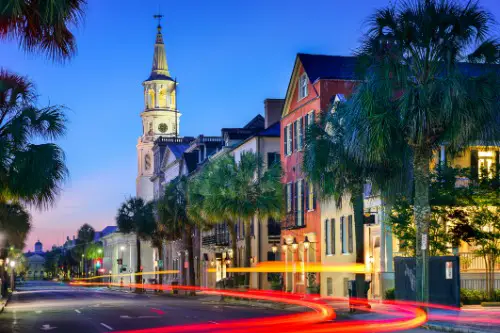
Charleston drew national attention for its historic charm, coastal scenery, and foodie reputation. Real estate marketing sold it as a picturesque, walkable city with endless Southern hospitality. However, new residents quickly confronted flooding issues in several neighborhoods. Growing tourism also made central areas crowded nearly year-round.
Some buyers underestimated the cost of maintaining older homes. Others didn’t expect long drive times to reach beaches or job centers. While the culture and history were rich, they didn’t fully offset infrastructure challenges. The polished ads didn’t always reflect the practical realities of living in a high-demand coastal city.
12. Phoenix, Arizona
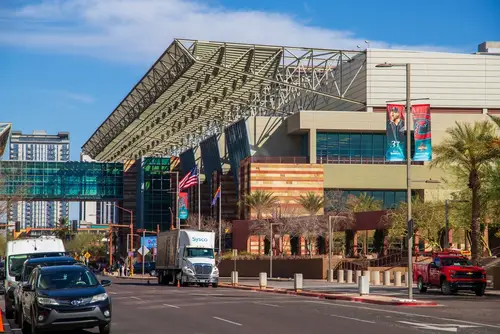
Phoenix marketed itself as an affordable metro with big-city amenities and low taxes. Many imagined endless sunshine paired with manageable living expenses. Instead, housing prices rose sharply, especially during the pandemic migration wave. Water concerns also surprised residents unfamiliar with desert resource issues.
Some discovered that the heat limited outdoor activities for months at a time. Others found the city’s sprawl made commuting longer and more tiring than anticipated. While job growth was strong, it varied widely between industries. Phoenix remained attractive, but not always the budget-friendly haven newcomers expected.
13. Tampa, Florida
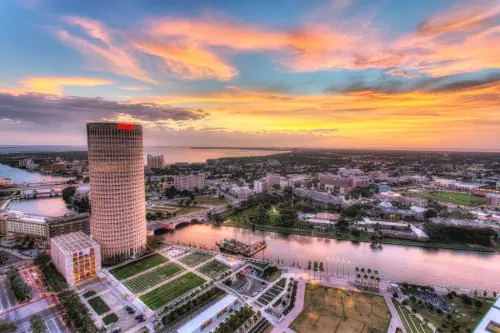
Tampa promoted itself as a vibrant city with beaches, nightlife, and rapid growth. Buyers expected coastal charm without the high costs of Miami. But insurance premiums and hurricane preparedness expenses quickly added up. Traffic also increased as development expanded across the metro.
Some residents found that beach access required more travel than they assumed. Others realized the job market, though improving, didn’t match the hype in certain fields. Summer humidity proved tougher than brochures implied. Tampa offered plenty to enjoy, but not always the effortless coastal life buyers envisioned.
14. Greenville, South Carolina
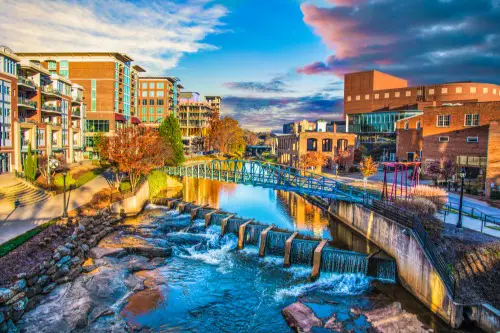
Greenville gained attention as a revitalized small city with a charming downtown and strong business climate. Promotional material highlighted walkability, affordability, and scenic mountain access. Yet many newcomers found that housing costs climbed rapidly as demand surged. Traffic congestion around popular corridors also became a growing frustration.
Some residents discovered job variety was more limited outside manufacturing and healthcare. Others felt the promised walkability mostly applied to the immediate downtown area. Outdoor access required more driving than expected for many. The city remained appealing, but its marketing sometimes exaggerated how seamlessly it all came together.
15. Albany, New York
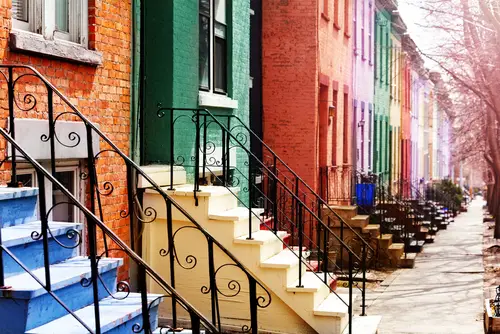
Albany was marketed as an overlooked city with stable government jobs and affordable living. People expected a balanced lifestyle close to the Adirondacks and major East Coast hubs. But newcomers often found the job market narrower than advertised outside state and education sectors. Winters also surprised many with their length and intensity.
Some noticed the downtown area was quieter than they assumed based on promotional imagery. Others found cultural events solid but less frequent than in nearby larger cities. While affordability was better than some metros, rising costs still challenged new residents. The “up-and-coming” pitch didn’t always match the slower pace of actual change.
This post 15 Former Boomtowns Americans Bought Into Before Realizing the Hype Was Just Marketing was first published on American Charm.

