
1. Empire, Nevada
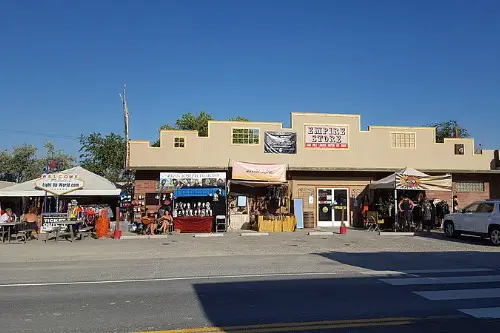
Empire began as a company town supporting a gypsum mine and manufacturing plant. For decades, it thrived as an isolated but steady community with its own school and local services. However, when the mine closed in 2011, the entire town was effectively shut down and residents had to leave. This ended the long-standing vision of Empire as a sustainable industrial settlement.
Although the mine later reopened and some activity returned, the town never recovered its former life. The closure exposed how fragile single-industry towns can be. Empire’s story shows what happens when a town’s future is tied to one economic lifeline. Even today, it remains far quieter than its developers once imagined.
2. Salton City, California
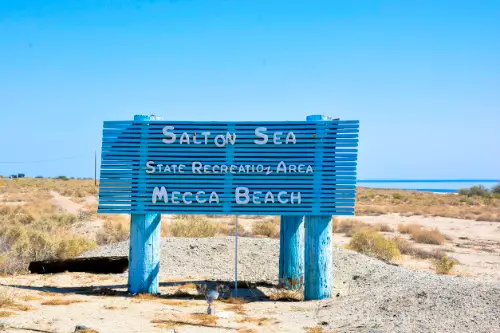
Salton City was promoted in the 1950s and 1960s as a waterfront paradise on the shores of the Salton Sea. Developers envisioned marinas, resorts, and vacation homes transforming the desert into a thriving recreation hub. But rising salinity, pollution, and receding water levels turned the sea into an environmental disaster. As the shoreline moved, many plots lost their promised “waterfront” status entirely.
People did buy lots, and a small community still exists, but most of the gridded subdivision was never fully built. Streets stretch out over the desert with only occasional homes and scattered signs of stalled development. The area now has an eerie, half-finished feel that hints at the tourism boom that never came. In many ways, it’s become a case study in over-optimistic real estate speculation.
3. California City, California
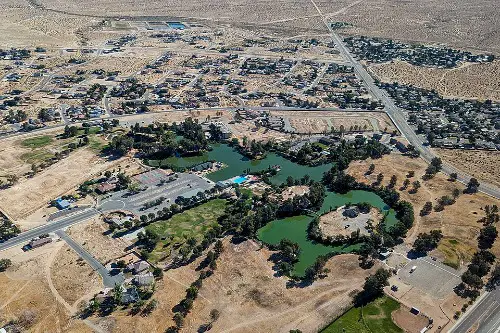
California City was laid out in the late 1950s with the dream of becoming the next Los Angeles. Developers carved out a massive grid of roads across the Mojave Desert, expecting millions of new residents. But the boom never arrived, leaving most of those roads empty and unused. Today, it’s one of the largest U.S. cities by land area, yet only a small portion is actually occupied.
Walking through California City can feel surreal because you’ll see neatly surveyed streets with no houses around them. People still move there for inexpensive land, but the grand suburban metropolis never materialized. The town remains a curious patchwork of built neighborhoods surrounded by desert. It stands as one of the country’s most striking examples of unrealized ambition.
4. Cairo, Illinois
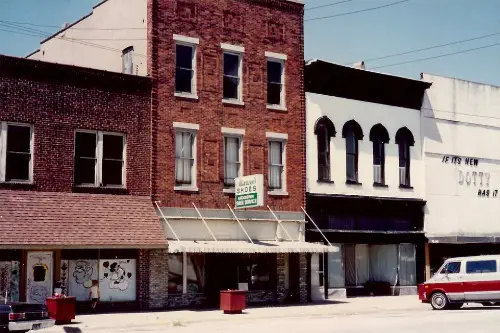
Cairo was positioned at the meeting of the Ohio and Mississippi Rivers, and 19th-century boosters thought it would become a major inland port city. For a time, that idea looked promising as river commerce grew. But competition from other cities, racial conflict, and later highway development all undermined its growth. Instead of blossoming into a transportation powerhouse, Cairo steadily declined.
Walking through Cairo now reveals a town with many empty buildings and far fewer residents than planners expected. The grand vision of a bustling river metropolis never materialized. Economic struggles and depopulation have defined its modern story. It remains one of the most striking examples of a future that simply slipped away.
5. Centralia, Pennsylvania
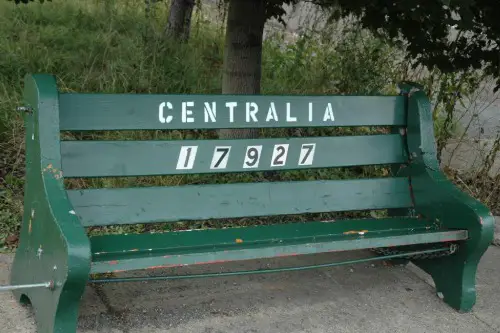
Centralia wasn’t meant to fail; it was a normal mining town that envisioned a long future supported by anthracite coal. But an underground mine fire that ignited in 1962 changed everything. The fire spread beneath the town, making parts of it unsafe due to toxic gases and ground instability. Over time, most residents were relocated and buildings were demolished.
While Centralia still technically exists, almost nothing remains of the town as it once was. The future residents imagined—one where mining sustained a stable community—never came to pass. Instead, it became a nearly empty landscape marked by a long-burning catastrophe. Its story is a reminder of how quickly circumstances can rewrite a town’s destiny.
6. Gary, Indiana
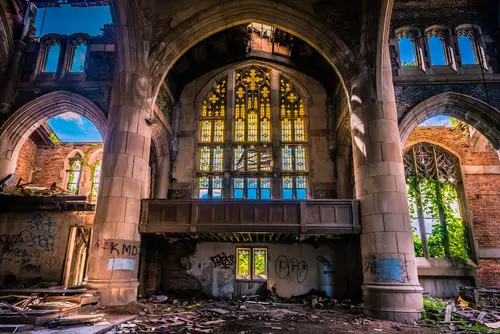
Gary was founded in 1906 as a model steel city built by U.S. Steel. At its peak, it bustled with tens of thousands of workers and vibrant neighborhoods. But as American steel production declined in the late 20th century, Gary’s population and industry collapsed. The massive growth its founders imagined simply didn’t survive global economic shifts.
Today, Gary is known for its many abandoned buildings and large population loss. Residents continue to work toward revival, but the city is far from its intended industrial might. The disconnect between its early promise and current reality is stark. Gary stands as a symbol of how even big, well-funded dreams can falter.
7. Johnsonville, Connecticut
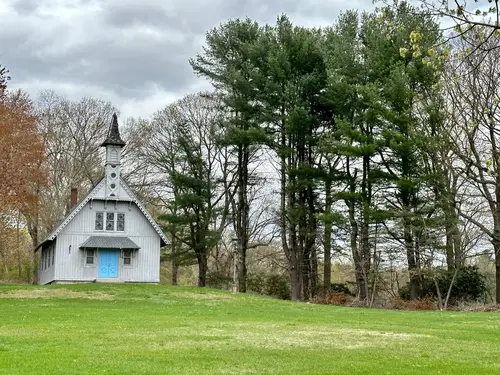
Johnsonville began as a mill village in the 19th century and later became a Victorian-style attraction under private ownership. Its owners hoped to turn it into a tourist destination with weddings, events, and heritage experiences. But repeated attempts to fully revitalize it fell through, and the property changed hands multiple times. As a result, the grand plans for a lively visitor hub never quite took shape.
The village’s ornate buildings still stand, lending the area an atmospheric, frozen-in-time look. Though occasionally used for photography and film, it remains largely undeveloped. The dream of turning Johnsonville into a thriving cultural site drifted out of reach. It’s one of those places where the potential is obvious, but the execution never landed.
8. Terlingua, Texas
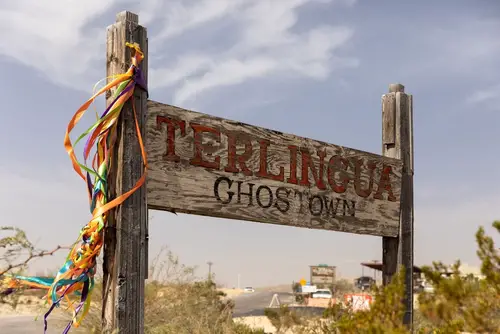
Terlingua grew rapidly in the early 1900s thanks to its cinnabar (mercury ore) mining operations. Developers and investors imagined a prosperous, long-term mining center. But when mercury prices crashed after World War II, the industry dried up abruptly. Residents left, and the town became largely abandoned.
In recent decades, Terlingua has experienced a quirky partial comeback with artists and small businesses. Still, it never regained anything close to its original population or mining importance. The original vision of a booming industrial settlement faded long ago. Today, it’s better known for desert charm and chili cook-offs than for mining wealth.
9. Calico, California
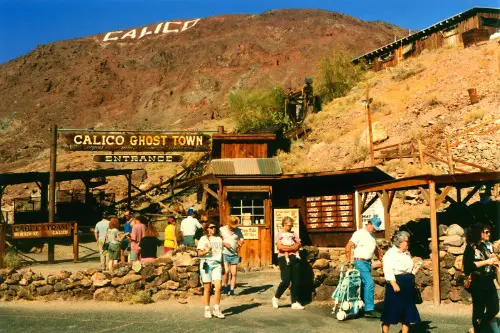
Calico sprang up in the 1880s as a booming silver mining town. For a few years, it thrived with stores, schools, and hundreds of miners. But once silver prices collapsed in the 1890s, residents left almost overnight. The community couldn’t survive without its one primary industry.
Calico was later restored as a historical attraction, but it never again functioned as a real, growing town. The dream of a prosperous mining hub evaporated as quickly as it appeared. Today, it stands mainly as a preserved reminder of mining-era optimism. The future its founders imagined simply vanished along with the silver market.
10. Bodie, California
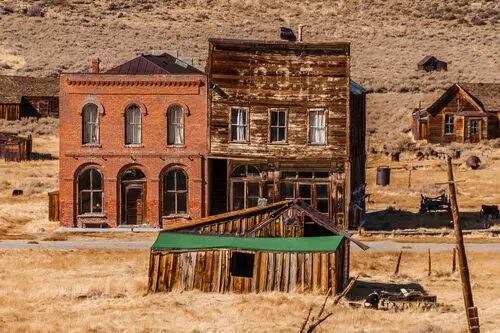
Bodie became one of the West’s biggest gold boomtowns after major strikes in the late 1870s. For a time, it was busy, crowded, and full of promise, with thousands of residents. But as ore production declined in the 1880s and fires struck key buildings, its fortunes reversed. The town slowly emptied out as people chased new opportunities elsewhere.
Now a state historic park, Bodie is maintained in a condition known as “arrested decay.” Visitors can see intact buildings but no active community. The thriving long-term settlement its founders envisioned disappeared with the fading of the mines. Bodie’s frozen-in-time appearance underscores how brief boomtown futures can be.
11. St. Elmo, Colorado
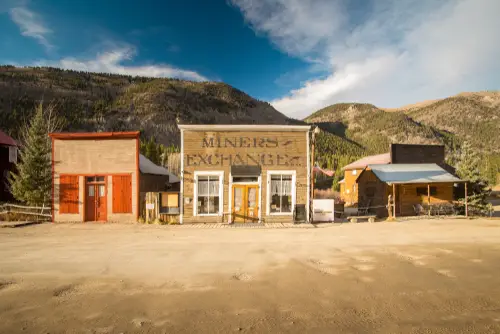
St. Elmo was built around the promise of rich gold and silver deposits in the Sawatch Range. In the late 19th century, it buzzed with hotels, saloons, and a busy railroad line. But as mining profits dwindled in the early 20th century, people departed rapidly. The prosperity expected from long-term mining prospects evaporated almost immediately.
Today, St. Elmo is one of Colorado’s best-preserved ghost towns. Wooden storefronts and cabins remain, but the vibrant community is gone. Tourism brings visitors, yet it’s far from the bustling mining town it once hoped to remain. The future imagined by early residents was overtaken by economic reality.
12. Kennecott, Alaska
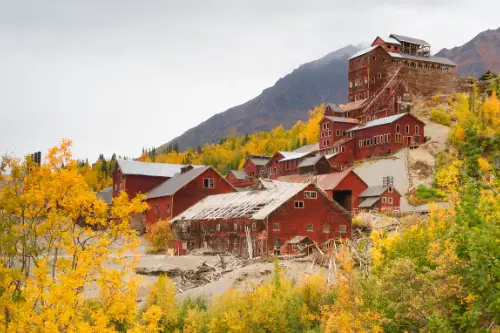
Kennecott was founded after extraordinarily rich copper deposits were discovered in the early 1900s. The mining company built a full town, complete with a hospital, school, and towering processing facilities. But when the copper ran out in 1938, the company shut down operations entirely. Workers left almost immediately, and the site was abandoned.
Today, Kennecott is a protected historic landmark within Wrangell–St. Elias National Park. Visitors can tour the massive red mill building and other remnants. But the thriving long-term copper center imagined by its founders lasted only about three decades. Its sudden collapse shows how quickly resource-based futures can disappear.
13. Pullman, Illinois
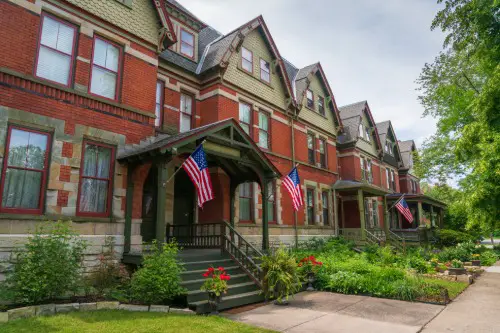
Pullman was established in the 1880s as a model company town for workers of the Pullman Palace Car Company. Its founder aimed to create a harmonious, orderly community combining industry and idealized living conditions. But labor disputes, high rents, and social controls quickly strained the experiment. After the 1894 Pullman Strike, the concept of a utopian company-run future essentially collapsed.
Today, Pullman is a Chicago neighborhood with preserved historic buildings. While culturally important, it never became the model city that George Pullman intended. The controlling social blueprint proved unworkable in practice. Its legacy is more cautionary tale than realized vision.
14. Eagle Mountain, California

Eagle Mountain was founded in 1948 as a company town for Kaiser Steel’s iron mining operations. It had homes, schools, and amenities designed to support a long-term, stable workforce. But as U.S. steel production struggled in the 1970s and 1980s, the mine shut down in 1983. The closure ended any hope of the town’s continued growth.
Since then, Eagle Mountain has remained largely abandoned, with only partial use for storage and proposed projects that never fully materialized. Attempts to repurpose it, including as a landfill and a correctional facility, didn’t develop as planned. Its empty streets and buildings are reminders of ambitions tied to a vanished industry. The town exists now primarily as a relic of mid-century industrial optimism.
15. Glenrio, New Mexico/Texas
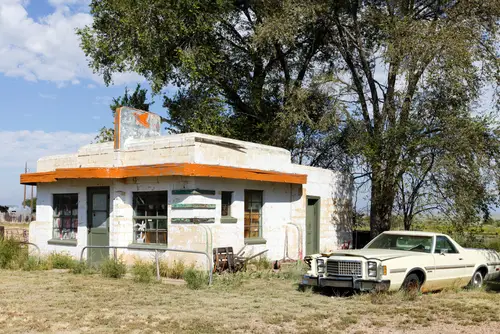
Glenrio straddles the border of New Mexico and Texas and flourished in the mid-20th century along historic Route 66. It offered motels, diners, and gas stations to the steady flow of travelers. But when Interstate 40 bypassed the town in the 1970s, traffic vanished almost overnight. Businesses closed, and the town’s future as a busy roadside stop evaporated.
What remains is a scattering of abandoned buildings that hint at Glenrio’s once-lively atmosphere. Film crews occasionally use the town for its photogenic emptiness. But the bustling future tied to highway travel never returned. It stands as a quiet monument to how quickly a road can make—or break—a town’s destiny.
16. Riverton, Wyoming

Riverton was founded with the hope that federal irrigation projects would spark a thriving agricultural empire on the high plains. Early boosters believed that water management and newly opened lands would draw large numbers of settlers. While some farms succeeded, much of the anticipated population boom never arrived. As a result, the grand transformation from open prairie to bustling farming hub fell short of expectations.
The town grew modestly, but not in the sweeping, region-defining way its planners envisioned. Large tracts remained underused, and many settlers moved on when yields proved inconsistent. Riverton today is a stable community, though far quieter than the agricultural powerhouse once predicted. Its story reflects the limits of optimism when nature doesn’t fully cooperate.
17. Valmeyer, Illinois
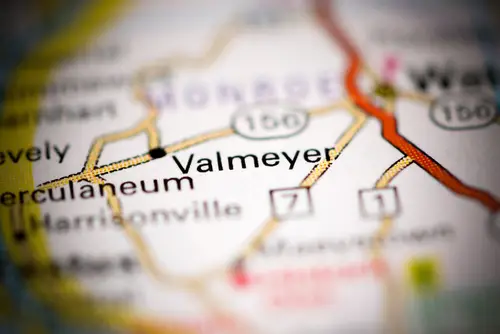
Valmeyer originally thrived as a small river town, but the devastating 1993 Mississippi River flood forced a near-total relocation. Leaders used the disaster as an opportunity to design a modern, elevated community on higher ground. They imagined a model town rebuilt with resilience, growth, and cutting-edge planning principles. Although the relocation succeeded logistically, the expected influx of new residents never happened.
The new Valmeyer remains sparsely populated compared to the ambitious plans sketched after the flood. High costs, limited economic opportunities, and shifting demographics slowed the envisioned revival. The futuristic concept of a reborn, flood-proof town never fully materialized. Instead, the community stands as a quieter example of how even bold rebuilding efforts have uncertain outcomes.
18. Greenhills, Ohio
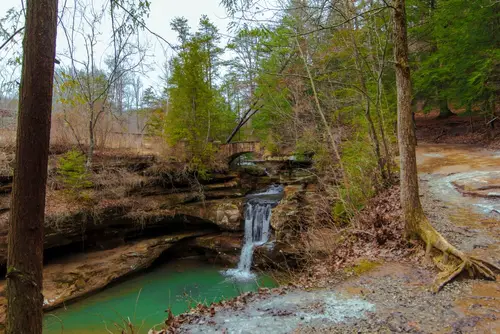
Greenhills was created in the 1930s as one of the federal government’s “Greenbelt Towns,” meant to demonstrate a new vision of suburban living. Planners imagined walkability, shared green spaces, and carefully balanced residential and commercial zones. It was supposed to serve as a prototype for future American communities. But the experimental model didn’t scale, and many expected developments never came to fruition.
Though Greenhills still exists, it retains only fragments of the innovative layout envisioned during its creation. Over time, changing housing trends pulled residents toward newer suburbs instead. The town never became the national template its designers hoped for. Today, it stands as a reminder of a planning future that fizzled rather than flourished.
19. New Rome, Ohio
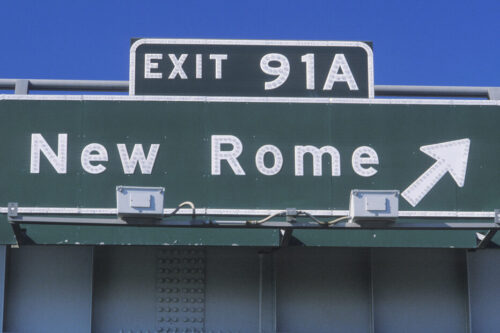
New Rome was once intended to develop into a tidy, small suburb with orderly streets and well-managed local services. But governance problems and internal mismanagement gradually undermined those aspirations. Over the years, the town became more known for controversies and dysfunction than growth. The promise of a stable, well-run community faded as population and revenue dwindled.
Ultimately, New Rome was dissolved by the state in 2004, ending its already faltering future. Its tiny size and persistent administrative issues prevented meaningful development. What was meant to be a modest but thriving suburb instead became a cautionary tale. The planned future never arrived, leaving only a footnote in Ohio’s municipal history.
20. Scotia, California
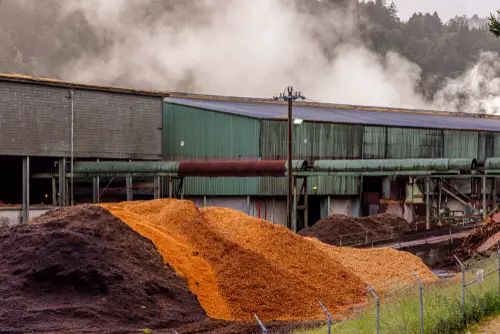
Scotia was built as a fully functioning company town centered on the vast timber operations of the Pacific Lumber Company. Its planners envisioned a long-term forestry powerhouse that would sustain jobs for generations. The town had its own services, community buildings, and a carefully controlled environment. But shifts in environmental regulations and industry economics began eroding its foundation in the late 20th century.
As the timber industry shrank, Scotia’s identity as a flourishing company enclave unraveled. The town eventually transitioned to private ownership, but not as part of the carefully managed future once imagined. Many of its early promises of stability were tied too tightly to the fate of the lumber industry. What remains is a quieter community shaped more by survival than by grand planning.
21. Primm, Nevada
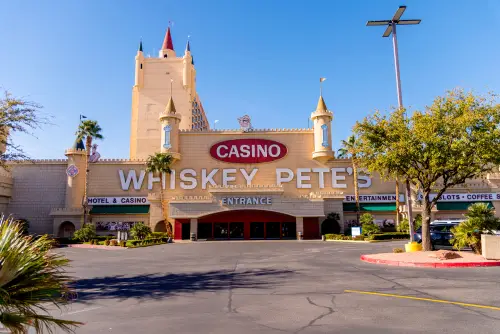
Primm grew up along the Nevada–California border with the promise of becoming a major leisure and gaming stopover. Developers envisioned a desert entertainment district drawing steady streams of travelers between Los Angeles and Las Vegas. For a while, outlet malls, casinos, and thrill attractions suggested that growth might continue indefinitely. But competition from larger destinations gradually overshadowed its early momentum.
Today, Primm feels like a scaled-down version of the bustling resort future once advertised. Visitor traffic fluctuates, and several attractions have struggled to remain relevant. The shimmering desert gateway imagined by developers never fully matured. Its built environment now hints at ambitions that exceeded long-term demand.
22. Chandler, Oklahoma
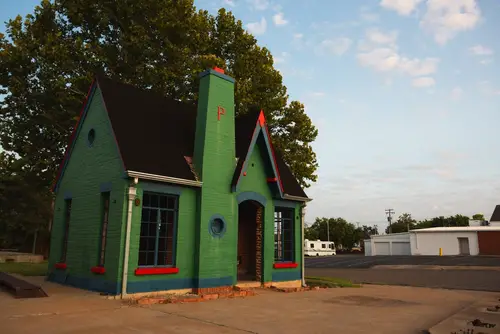
Chandler was designed in the 1890s as a key commercial center along what would later become a major Route 66 corridor. Civic leaders imagined steady expansion supported by transportation, agriculture, and tourism. While the town did grow, it never reached the transformative scale envisioned in its early boosters’ plans. Roadway shifts and regional competition gradually limited its prospects for major development.
Modern Chandler is a pleasant small town with historic charm, but not the booming crossroads once forecast. Many structures from past eras remain, quietly marking ambitions that history passed by. The future imagined for Chandler was one of rapid expansion and regional prominence. Instead, it settled into a slower, more modest path than its founders hoped.
This post 22 U.S. Towns Built for a Future That Never Happened was first published on American Charm.

