1. Atlantic City, New Jersey
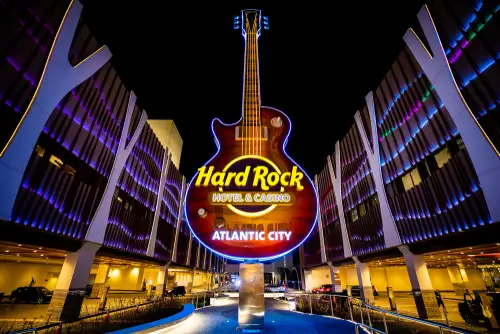
Atlantic City poured hundreds of millions into new casinos, a massive convention center expansion, and various boardwalk upgrades aimed at recapturing its mid-century tourism heyday. The problem was that competition from regional casinos in Pennsylvania, New York, and Delaware exploded at the same time. By the late 2010s, several casinos closed, leaving shiny facilities that never hit their projected numbers. The city kept spending, but the visitor boom just didn’t materialize at the scale planners expected.
Even well-intentioned projects like the Atlantic City Gateway redevelopment and the Gardner’s Basin upgrades underperformed. These spaces drew some local interest, but not the destination-level crowds the city had banked on. Tourism didn’t stop, but it stalled compared to the massive investment. The town is still fighting to reinvent itself despite years of underused infrastructure.
2. Branson, Missouri
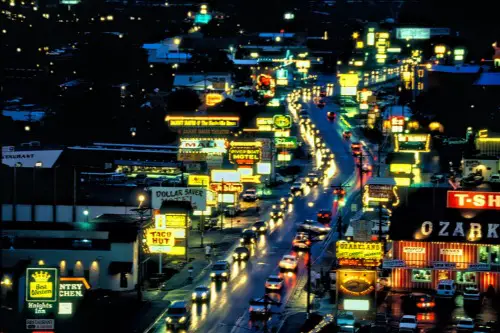
Branson spent heavily on theaters, shopping districts, and entertainment complexes during the 1990s and 2000s, expecting constant growth in family tourism. While the town remains popular, some of the more ambitious projects never became the blockbuster attractions developers envisioned. Several large theaters closed or went dark for long stretches due to inconsistent demand. The town built for far more peak-season visitors than it consistently receives.
The Branson Landing development was intended to be a year-round magnet, but seasonal tourism makes it difficult to sustain nonstop traffic. As a result, some expensive facilities sit partially filled even during peak months. The town continues adding attractions, but not all of them earn back their investment. Locals sometimes joke that Branson “overbuilt faster than it grew.”
3. Lake Havasu City, Arizona

Lake Havasu City famously spent millions relocating and reconstructing the London Bridge as a tourist anchor. While the bridge draws visitors and remains iconic, the surrounding commercial infrastructure has long struggled to meet its lofty expectations. Development around the bridge lagoon never reached the density planners envisioned. Many shops and restaurants rotate frequently due to fluctuating foot traffic.
The city also invested heavily in waterfront improvements meant to transform it into a major resort zone. These upgrades helped visually, but they didn’t generate the year-round tourist rush needed to sustain premium prices. Summers still attract crowds, but shoulder seasons fall short of supporting the build-out. The town’s tourism infrastructure consistently exceeds actual demand.
4. Pigeon Forge, Tennessee

Pigeon Forge built large-scale family attractions well beyond Dollywood, expecting travelers to spend entire vacations there instead of using it as a quick-stop destination. Multi-million-dollar museums, dinner theaters, and entertainment complexes often struggled to stay full outside peak months. The Island development eventually gained traction, but many earlier projects fizzled or sat half-empty. Town planners simply assumed continuous growth that never quite matched reality.
Local roads and parking expansions were designed for much higher traffic volumes than the actual year-round turnout. Some complexes have been repurposed multiple times due to inconsistent visitation. The town still thrives, but not every ambitious attraction earned its keep. It’s a classic case of overbuilding during a tourism boom.
5. Galveston, Texas
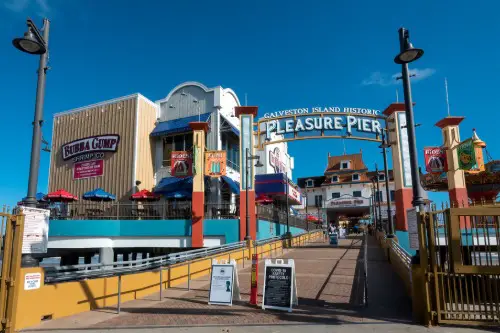
Galveston invested heavily in cruise terminals, a rebuilt Pleasure Pier, and extensive beachfront improvements. But cruise fluctuations and unpredictable Gulf Coast weather meant the tourist numbers weren’t stable enough to justify all the costs. Several facilities are busy only during specific seasons or when cruise schedules peak. Much of the infrastructure ends up quieter than intended for long stretches.
The Pleasure Pier, despite its high price tag, never consistently hit the visitor benchmarks predicted during planning. Major storms also disrupt tourism and cause expensive repairs. As a result, Galveston’s investments often feel like they’re playing catch-up with unpredictable conditions. The town remains popular, but its infrastructure regularly outpaces the demand.
6. Myrtle Beach, South Carolina
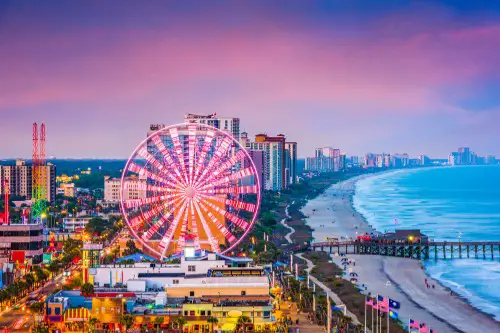
Myrtle Beach poured money into boardwalk upgrades, massive shopping districts, entertainment pavilions, and transportation improvements. Yet many developments, like the Hard Rock Park theme park, failed to attract the sustained tourist traffic expected. Hard Rock Park closed after just one season, leaving behind infrastructure that had cost hundreds of millions. The city couldn’t convert it into the long-term flagship attraction it hoped for.
Other large-scale entertainment centers also struggled with occupancy outside the summer rush. The town has popularity, but not the year-round numbers needed to sustain its most ambitious projects. As a result, Myrtle Beach has a history of overbuilding and underutilizing major tourist sites. It’s a destination where demand has always been boom-and-bust.
7. Orlando, Florida (Non-Disney/Universal Zones)
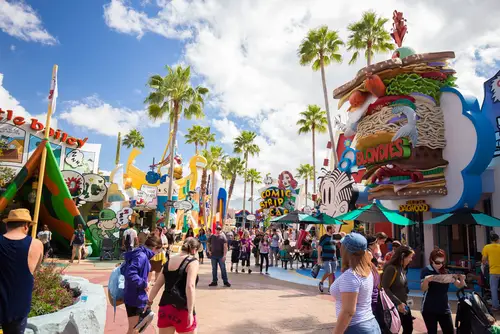
Outside the major theme parks, Orlando invested enormously in International Drive attractions that never came close to matching the success of Disney and Universal. Giant observation wheels, themed dinner shows, and boutique amusement parks often struggled to stay full. Many attractions changed ownership repeatedly or closed quietly. The city built these zones expecting spillover from the mega-parks that didn’t consistently happen.
The Orlando Eye area (now ICON Park) was envisioned as a bustling entertainment district on par with major city hubs. But foot traffic varies wildly, and large sections remain underused compared to their capacity. Developers assumed tourists wanted more non-park entertainment than they actually did. The mismatch left Orlando with pockets of expensive but underperforming infrastructure.
8. Tampa, Florida (Channelside/Waterfront Area)
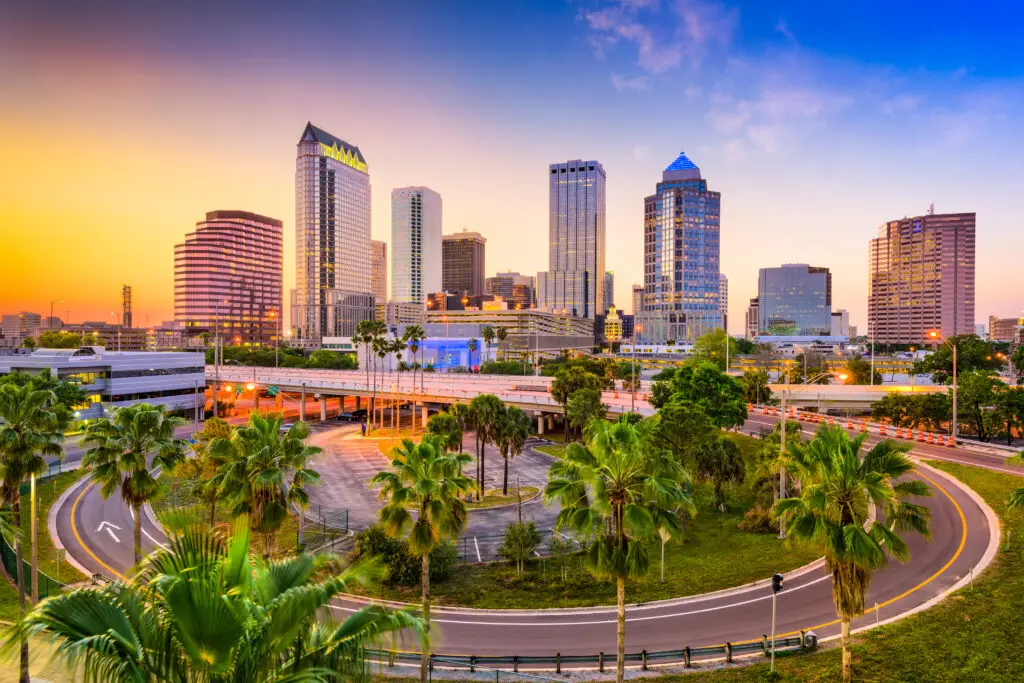
Tampa spent heavily revitalizing Channelside, including renovations to cruise terminals, entertainment districts, and waterfront promenades. The expectation was that cruise visitors would flock to the area before and after sailing. Instead, many passengers went straight to hotels or airports, leaving the district quieter than developers predicted. Some venues cycled through multiple concepts due to weak foot traffic.
The Tampa Bay History Center performed steadily, but not at the blockbuster levels the district hoped for. Channelside invested in premium retail that locals didn’t consistently support. Tourism helped a bit, but not at the scale required for sustainability. The area remains scenic but still underutilized relative to its cost.
9. Reno, Nevada
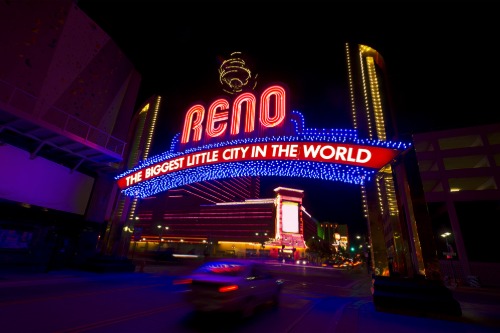
Reno built new hotel towers, upgraded casinos, and expanded its events center to reposition itself as a year-round entertainment hub. But competition from Las Vegas and tribal casinos across several states limited the tourist surge it hoped for. Many larger resorts struggled to fill rooms except during specific conventions or tournaments. The city had planned for much stronger growth than it received.
Efforts to rebrand as an outdoor-adventure gateway also required infrastructure that hasn’t paid off consistently. Trails, riverfront improvements, and public plazas are nice but rarely packed. Reno keeps reinventing itself, but not every investment has resonated with travelers. It’s become a cautionary tale in overestimating tourism potential.
10. Saint Louis, Missouri (Downtown Redevelopment)
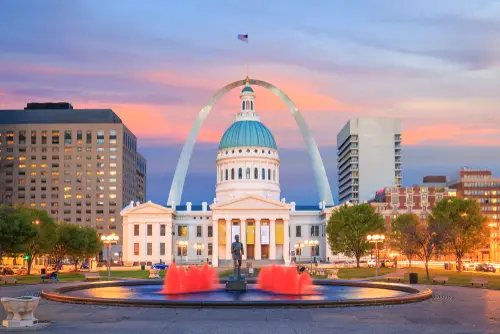
Saint Louis spent big on downtown projects like Ballpark Village, the renovated Arch grounds, and new transit and hotel upgrades. While the Arch still draws tourists, many surrounding entertainment areas didn’t hit their projected numbers. Ballpark Village, for example, thrives mainly during baseball season. Off-season visits remain far below expectations.
Large hotels and shopping complexes built for a tourism rebound often struggled to stay full. Meeting and convention traffic also never reached the levels boosters predicted. Much of the infrastructure is impressive but underused. The city continues to refine its strategy, but the gap between investment and actual visitor behavior remains wide.
11. Kansas City, Missouri (Power & Light District)
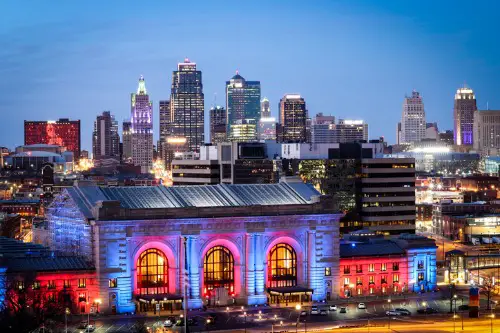
Kansas City funneled hundreds of millions into the Power & Light District, expecting it to become a premier tourism and nightlife magnet. For years, the city had to subsidize the bonds because the district didn’t generate the predicted revenue. Tourism played a role in the shortfall, with visitors not flocking to the district as heavily as hoped. Many tenants struggled in the early years due to limited foot traffic outside events.
Even after improvements, the district still fails to consistently meet its most ambitious usage projections. Convention visitors help, but not at the volume originally planned. The result is a beautiful development that doesn’t fully pay for itself. Locals often use it more than tourists, which wasn’t the original goal.
12. Phoenix, Arizona (Downtown Convention District)
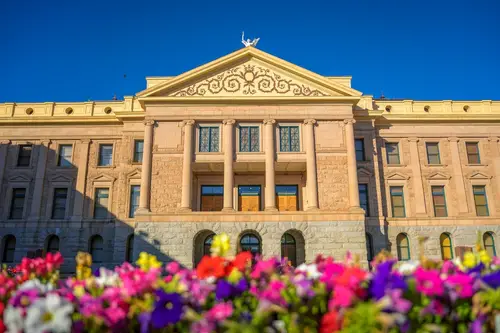
Phoenix invested heavily in expanding the convention center, building new hotels, and revitalizing the downtown area to capture more business travel. But the city overestimated the number of large conventions that would shift to Phoenix from other markets. Several hotels faced lower-than-anticipated occupancy during non-event weeks. The infrastructure itself is impressive but rarely maximized.
Restaurants and entertainment venues built around the convention area also struggled to maintain predictable traffic. The neighborhood feels lively during events but noticeably quiet otherwise. Planners expected nonstop convention churn that never fully arrived. Phoenix continues to adapt, but the mismatch persists.
13. Milwaukee, Wisconsin (The Brewery District & Potawatomi Area)
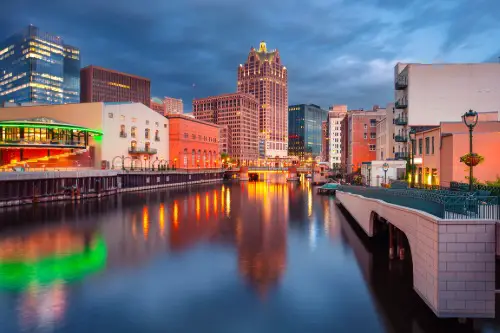
Milwaukee redeveloped its former brewery district with hotels, event spaces, and entertainment venues aimed at capturing more out-of-town visitors. But visitor demand didn’t rise at the pace needed to support all the new construction. Some venues changed hands or pivoted to local audiences to stay afloat. The city realized it built for a higher tourism tier than it actually had.
The nearby casino and entertainment corridor also received major investment. Yet the anticipated tourism synergy between the casino, the brewery district, and downtown never fully materialized. As a result, parts of the area remain underutilized. It’s a visually polished district that didn’t get the tourist numbers it banked on.
14. Hartford, Connecticut
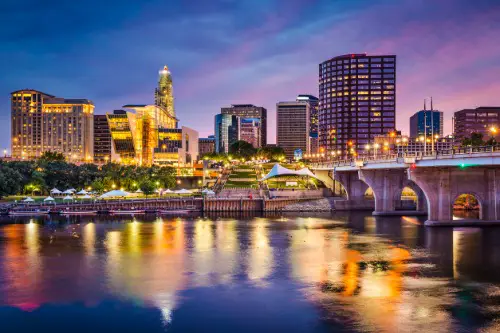
Hartford invested in the Adriaen’s Landing project, which included a convention center, shopping complex, science museum, and large hotels. It was meant to transform the city into a regional tourist hub. While some pieces performed reasonably, the overall development never drew the crowds needed to support its cost. The shopping center in particular underperformed and faced high vacancy.
The city had hoped for a steady flow of weekend tourists, but visitation largely remained tied to specific events. Hotels also struggled to maintain occupancy outside convention dates. The infrastructure is still there, but the foot traffic hasn’t matched projections. Hartford continues to grapple with how to activate the district.
15. Baltimore, Maryland (Inner Harbor 2.0)
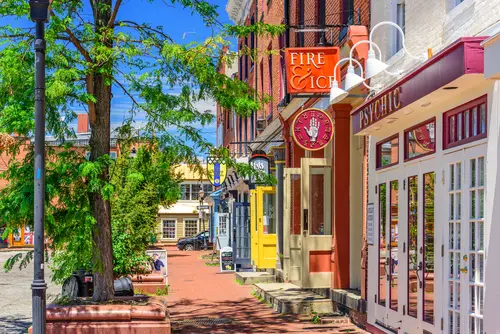
Baltimore doubled down on Inner Harbor redevelopment with massive upgrades, new pavilions, and expanded attractions. But tourism patterns changed, and newer retail and entertainment concepts didn’t resonate as strongly as the original 1980s-era development. Several major stores and attractions closed or scaled back. Large parts of the harbor remain quieter than planned except during major events.
Hotel and restaurant capacity expanded based on outdated tourism models that assumed constant growth. Instead, the area saw declining visitor numbers and shifting traveler habits. The city now faces high-maintenance infrastructure that doesn’t always pay for itself. Locals still enjoy it, but the national draw isn’t what planners envisioned.
16. Niagara Falls, New York (U.S. Side Redevelopment)
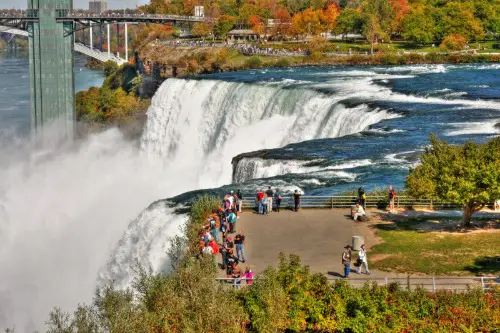
Niagara Falls poured millions into hotels, indoor water parks, observation towers, and pedestrian corridors meant to keep visitors overnight on the U.S. side. Planners assumed tourists would linger instead of crossing quickly into Canada. In reality, many visitors still treat the American side as a brief stop. Large facilities were built for longer stays that rarely materialized.
Several attractions operate far below capacity outside summer weekends. Retail and dining spaces cycle through tenants due to inconsistent foot traffic. Public investments improved appearances but not visitor behavior. The infrastructure remains impressive but chronically underused.
17. Deadwood, South Dakota
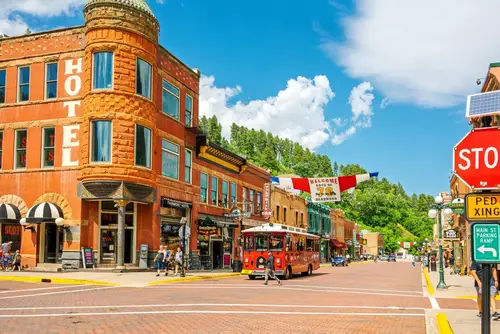
Deadwood invested heavily in casinos, parking structures, museums, and historic-themed attractions to become a major Black Hills tourism anchor. Officials expected gambling to drive year-round visitation at a much larger scale. Instead, traffic remained seasonal and heavily event-driven. Many facilities were sized for crowds that only show up a few weeks per year.
Hotels and gaming floors struggle to maintain occupancy during shoulder seasons. Museums and attractions often feel empty despite their expansion costs. The town still attracts tourists, but not at the volume planners forecast. Deadwood ended up building for peak moments rather than average reality.
18. Tunica, Mississippi
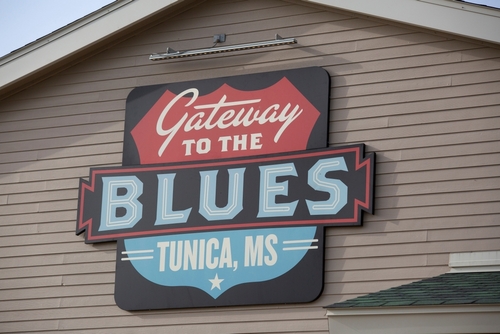
Tunica spent enormous sums developing casinos, resorts, and highway access to rival Las Vegas-style destinations. For a brief period, tourism surged, reinforcing confidence in even more expansion. Then regional competition exploded and visitation flattened. Entire resort complexes were left operating far below capacity.
Some casinos closed completely, leaving behind massive unused structures. Infrastructure built for nonstop traffic now feels oversized and outdated. The town’s tourism economy never diversified as expected. Tunica remains one of the starkest examples of overbuilt tourist infrastructure.
19. Bethlehem, Pennsylvania, Atlantic City–Style Expansion
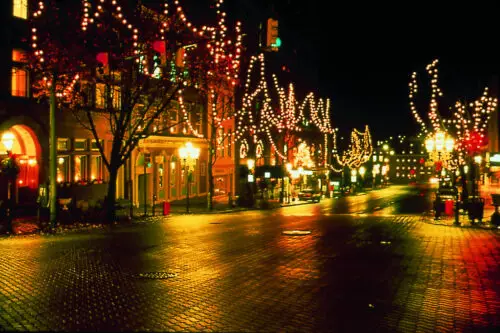
Bethlehem invested heavily around its casino and SteelStacks redevelopment to become a regional tourism destination. Large event spaces, hotels, and cultural venues were designed for sustained visitor inflow. While popular during festivals, the area struggles on normal weekdays. Infrastructure assumed steady crowds that rarely appear outside scheduled events.
Parking, retail, and dining capacity far exceeds everyday demand. Many businesses rely heavily on local traffic instead of tourists. The investments improved the city’s image but not tourism volume. Much of the build-out remains underutilized most of the year.
20. Gary, Indiana (Lakefront Redevelopment)
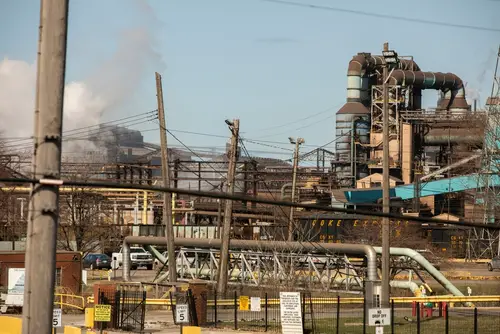
Gary poured millions into lakefront access, convention facilities, and casino-adjacent development to revive tourism. Officials hoped proximity to Chicago would drive consistent visitor traffic. Instead, safety perceptions and competition kept numbers low. Large facilities were constructed without a dependable tourism base.
Convention spaces rarely reach intended usage levels. Hotels struggle to fill rooms outside niche events. The lakefront improvements are attractive but quiet. The city built infrastructure before demand truly existed.
21. Duluth, Minnesota (Canal Park Expansion)
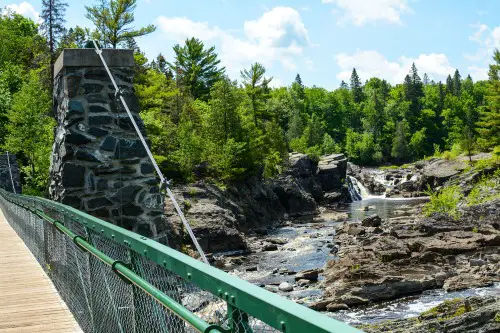
Duluth expanded Canal Park with hotels, attractions, and waterfront improvements aimed at boosting destination tourism. Summer crowds supported the vision, but winter and shoulder seasons did not. Infrastructure was scaled for peak months rather than year-round reality. Many spaces feel oversized once temperatures drop.
Hotels and attractions operate far below capacity most of the year. Retail relies heavily on weekend visitors instead of steady traffic. Public spending improved aesthetics but not utilization rates. Duluth remains popular, just not enough to justify its build-out.
22. Laughlin, Nevada
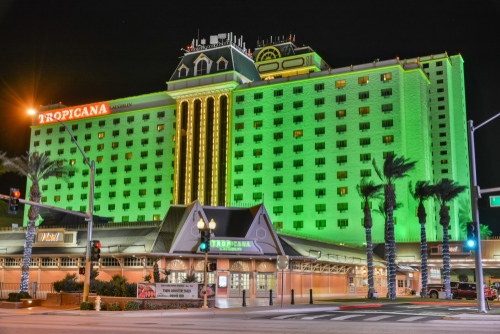
Laughlin invested millions in casinos, riverwalks, amphitheaters, and resort infrastructure along the Colorado River. Developers expected it to become a permanent alternative to Las Vegas. Instead, visitation plateaued and skewed heavily toward older, repeat visitors. Much of the infrastructure was built for broader appeal that never arrived.
Large resorts struggle to fill rooms outside special events. Entertainment venues frequently sit empty. The riverfront improvements look impressive but feel quiet. Laughlin’s tourism footprint consistently exceeds its actual demand.
23. Brainerd, Minnesota (Resort Corridor Overbuild)
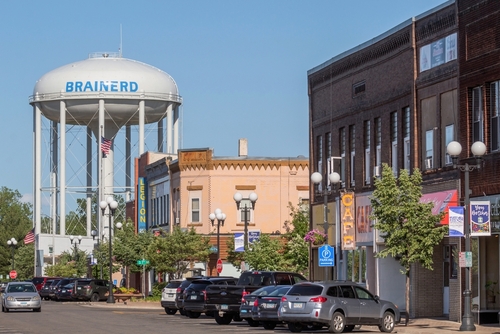
Brainerd-area towns invested heavily in expanded resorts, golf complexes, and entertainment facilities. Planners assumed consistent growth in Midwest destination tourism. Instead, visits remained seasonal and weather-dependent. Infrastructure built for full summers now sits idle much of the year.
Roads, parking, and resort amenities exceed actual usage. Some developments rely heavily on discounts to attract guests. Tourism never collapsed, but it never scaled as predicted. The region built big for a demand curve that flattened early.
24. Shreveport, Louisiana
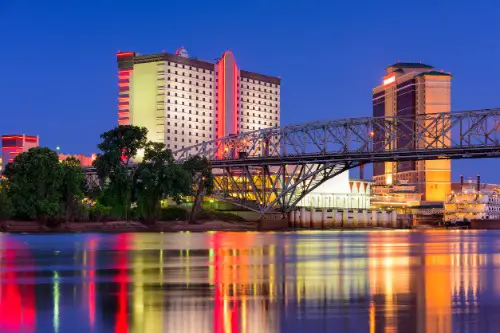
Shreveport poured money into riverfront casinos, convention spaces, and downtown revitalization to drive tourism. Officials expected gaming to anchor a broader visitor economy. Competition from neighboring states limited growth. Large facilities struggled to maintain steady traffic.
Hotels and entertainment venues depend on sporadic events. Retail never filled out as planned. The riverfront infrastructure remains underutilized. Shreveport invested as if demand was guaranteed, but it wasn’t.
25. South Bend, Indiana (Downtown Visitor Push)
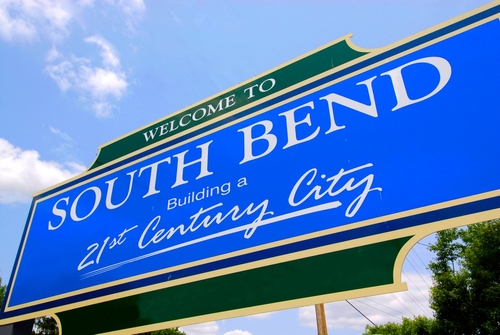
South Bend invested heavily in downtown hotels, convention upgrades, and riverfront amenities to boost tourism. Planners expected university-related travel to spill over year-round. Instead, visitation stayed tied closely to football weekends and graduations. Infrastructure built for constant activity often feels empty.
Hotels face long off-season lulls. Convention traffic never reached projected levels. The riverwalk and public spaces are attractive but quiet. South Bend’s investments outpaced how visitors actually use the city.
This post 25 U.S. Towns That Poured Millions Into Tourist Infrastructure Tourists Never Really Used was first published on American Charm.