
1. EMT
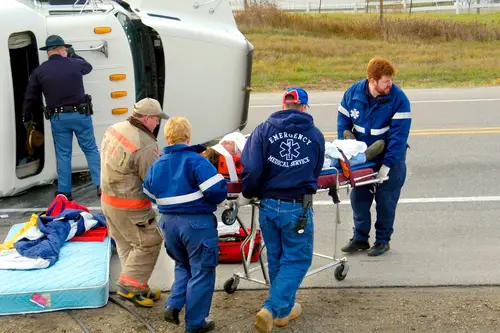
High schools used to offer basic first-responder courses that local departments accepted. Now, Emergency Medical Technicians must complete state-approved programs and pass national exams. Medical protocols and equipment have grown more advanced, requiring formal knowledge. Public safety needs pushed the role far beyond high-school-level skills.
Today’s EMTs must understand anatomy, pharmacology, and emergency procedures. Certification ensures they can perform lifesaving tasks safely. Mistakes in emergency care can be fatal, so the bar for entry rose significantly. As a result, teens can no longer jump directly from class to the ambulance bay.
2. Auto Mechanic
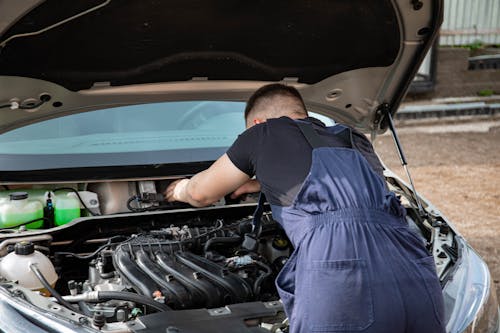
Plenty of high school shop classes once prepared students to go straight into entry-level mechanic work. These days, employers increasingly expect certifications like ASE (Automotive Service Excellence). Modern cars rely heavily on computers and complex electrical systems, so specialized training has become essential. That shift raised the barrier to entry beyond what high schools can typically provide.
The move toward certification is meant to ensure mechanics can safely navigate advanced diagnostics and repairs. Incorrect handling can cause expensive damage or even safety hazards on the road. Insurance companies also prefer shops that employ certified techs, adding another layer of pressure. As a result, aspiring mechanics often need postsecondary training to stay competitive.
3. Electrician
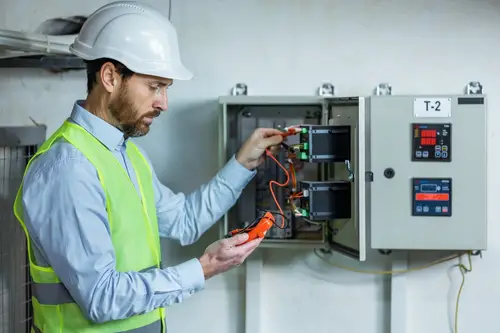
High school shop classes once served as a stepping stone to basic electrical work. Now, becoming an electrician requires apprenticeships, thousands of supervised hours, and a state license. Electricity is hazardous, so unsupervised beginners are no longer permitted to jump in as easily as before. States tightened standards to reduce accidents and code violations.
These rules ensure electricians understand complex building codes and safety procedures. High-voltage mistakes can cause fires, shocks, or structural damage. Formal training also ensures consistent quality across the industry. What used to be a learn-as-you-go trade is now tightly regulated for public safety.
4. Plumber
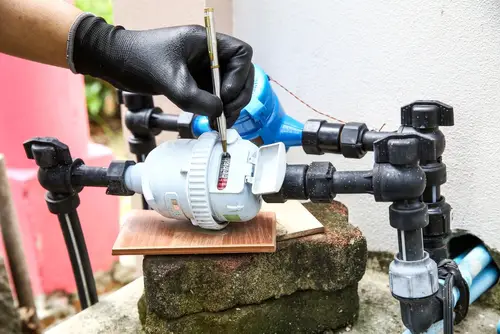
High school shop programs often gave students enough foundation to assist plumbers or take on simple tasks. Today, plumbers must complete state-approved apprenticeships and pass licensing exams. Plumbing involves far more than pipes—it ties into sanitation laws and water safety standards. Because of that, regulators expanded requirements over time.
Modern plumbing rules help prevent contamination of drinking water and protect building integrity. Insurance companies tend to refuse coverage for unlicensed plumbing work, adding another barrier. Many tasks that were once “good enough” with basic training now require verified expertise. It’s why plumbing has shifted fully into a licensed profession.
5. Welder
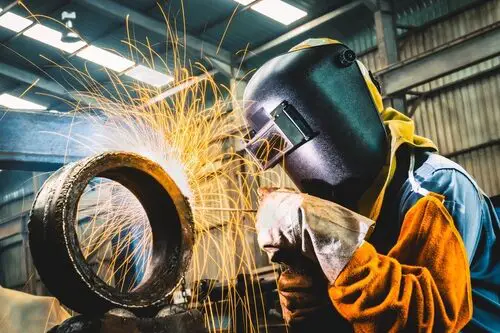
Welding was once taught widely in high schools as a career-ready skill, and teens could enter the workforce straight away. But with stricter industry standards, most employers now expect certifications from organizations like the American Welding Society. Different materials and environments require specific credentials. That means hands-on school training is no longer sufficient by itself.
These certifications help reduce on-the-job accidents and ensure welds meet structural requirements. Poor welds can cause catastrophic failures in buildings, pipelines, and machinery. Insurance liability for welders has also increased, motivating companies to require certification. As a result, the training pipeline has become much more formalized.
6. Carpenter

High school woodshop once prepared students to jump into carpentry jobs or apprenticeships easily. But modern construction standards now require formal logging of hours and verified skill levels. Many states require licensing for general contractors or certain types of carpentry work. The job simply became more regulated as building codes got more complex.
These regulations help keep construction sites safer and buildings compliant. Carpenters now deal with engineered materials, advanced tools, and exacting code requirements. Insurance companies demand licensed workers to limit liability. That means carpenters today need far more documented training than their predecessors.
7. HVAC Technician

Schools used to teach basic refrigeration or mechanical skills that fed directly into HVAC work. Today, technicians must complete EPA Section 608 certification to handle refrigerants legally. Many employers also require completion of accredited programs. This shift reflects the technical and environmental risks associated with modern HVAC systems.
Refrigerants can harm the environment if handled improperly, making certification essential. HVAC systems also involve electrical components and pressurized gases, increasing safety concerns. Formal training ensures techs understand modern efficiency standards and regulations. Because of that, the job now requires more than just hands-on aptitude.
8. Truck Driver
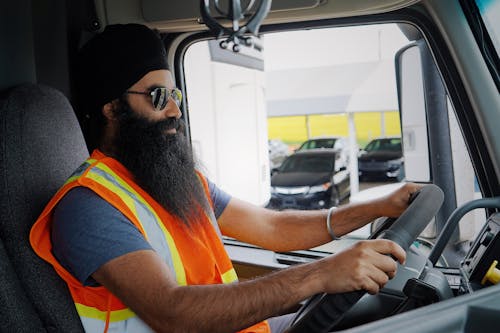
Teens could once graduate high school, take a quick skills test, and head straight into trucking. But the introduction of the FMCSA’s Entry-Level Driver Training (ELDT) rules changed that. Now, drivers must complete training at an approved provider before getting a commercial license. The industry pushed for this due to safety concerns and rising accident rates.
Large commercial vehicles require advanced handling skills, especially with modern logistics demands. Formal training reduces risks for everyone on the road. Insurance companies typically demand higher training standards for new drivers. So what was once a fast transition from school to career now takes much longer.
9. Landscaper
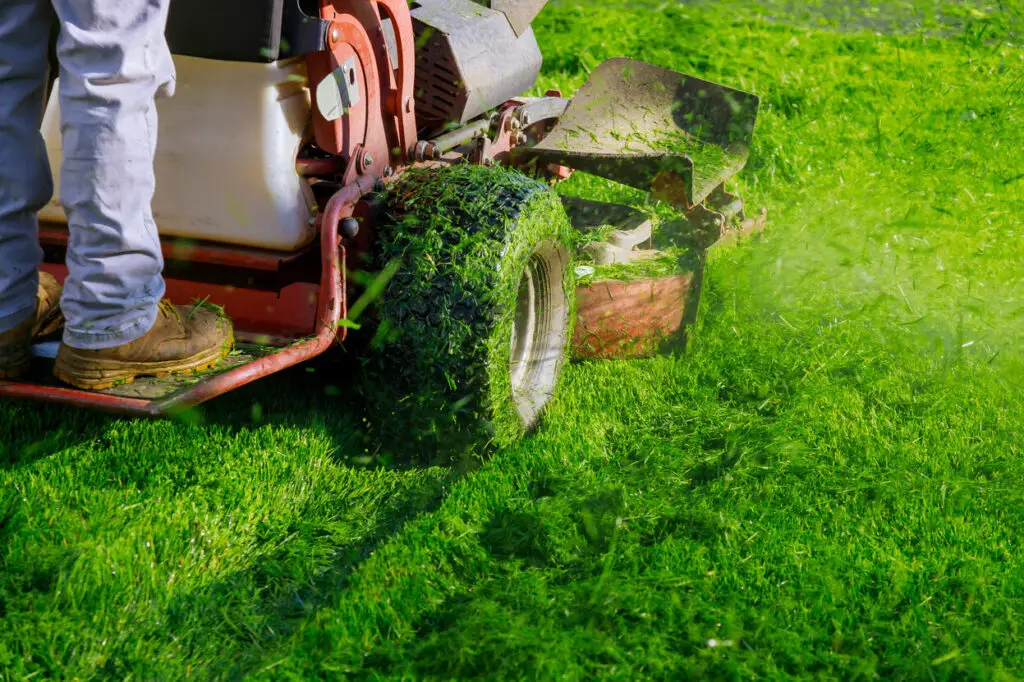
High school agricultural programs often prepared students to work in landscaping right after graduation. Today, many landscaping specialties—particularly those involving chemicals—require pesticide applicator licenses. Equipment has also become more powerful, requiring safety training. As environmental rules tightened, so did the expectations for workers.
These licenses prevent misuse of chemicals that can harm people, pets, and ecosystems. Regulators want workers to understand runoff risks and proper handling procedures. Insurance companies also push for formal credentials in higher-risk landscaping areas. So while teens can still start with lawn mowing, the professional side now requires verification.
10. Cosmetologist

High school cosmetology programs once allowed students to take on clients shortly after graduation. Now, states typically require 1,000 to 1,500 hours of formal training plus a licensing exam. The job expanded far beyond basic hairstyling, incorporating chemical treatments and safety protocols. Regulations grew to reflect those risks.
These rules help protect clients from burns, infections, and chemical damage. Formal training ensures cosmetologists can safely perform advanced techniques. Insurance coverage for salons also hinges on using licensed professionals. That shift moved cosmetology firmly into a regulated field.
11. Dental Assistant
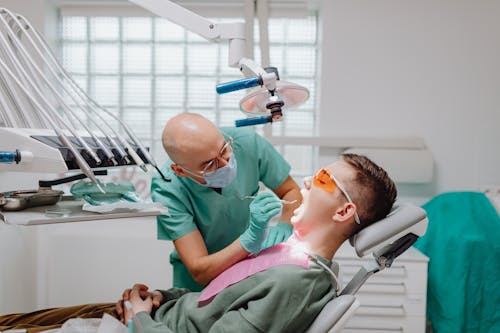
Some high schools once offered vocational programs that fed directly into dental offices. But many states now require formal dental assisting certifications or radiography permits. This is especially true for anyone handling X-rays or specialized instruments. The increased standards reflect the health and safety risks in dental care.
Licensing ensures assistants know sterilization protocols and understand patient safety. Mistakes can lead to infections or radiation overexposure. Many dental practices also face insurance pressures to hire certified assistants. That’s why the job now includes more structured training than in the past.
12. Barber
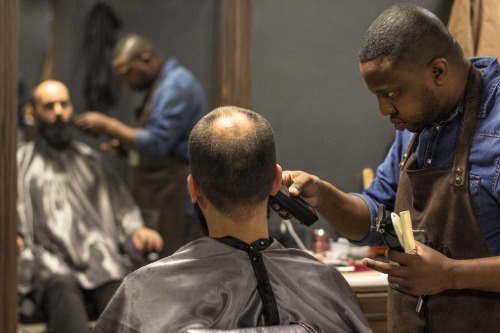
Back in the day, plenty of teens learned basic haircutting skills in high school cosmetology programs and started earning money right away. Today, nearly every state requires barbers to complete a formal training program of around 1,000 hours or more. Many also require state exams to prove sanitation and safety knowledge. It’s a far cry from the more informal training that used to be enough to get started.
These requirements exist because barbers work with sharp tools and directly on clients’ skin and hair. Proper licensing helps prevent infections and ensures barbers know sanitation rules. Training also covers chemical processes that weren’t always part of the job in earlier decades. So while the skill may start in high school, getting licensed is now non-negotiable.
13. Bookkeeper

High school accounting classes once provided enough background for students to help run small business books. But with stricter tax rules and digital accounting systems, employers now expect specialized training or certification. Many bookkeepers pursue credentials like the Certified Bookkeeper designation. This shift reflects the risk of costly financial errors.
Training helps ensure bookkeepers understand compliance, payroll laws, and reporting standards. Mistakes can trigger audits or legal issues. Insurance coverage for financial services often requires proven competency. That’s why bookkeeping now demands more than just a knack for numbers learned in school.
This post 13 Jobs Americans Used to Learn in High School That Now Require Licenses, Training, and Insurance was first published on American Charm.

