
1. Reddi-wip Whipped Cream
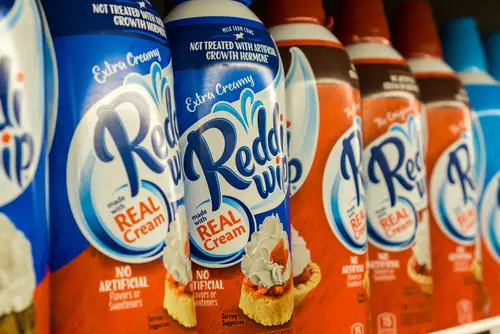
Before aerosol whipped cream, making whipped cream meant whipping heavy cream by hand or with a mixer, which took time and strong arms. The invention of Reddi-wip in 1948 meant you could have fresh whipped cream instantly with just the press of a button. The novelty of cream coming out of a can in perfect swirls felt like pure magic and modernity. Being able to top pies, hot chocolate, or Jell-O with a professional-looking dollop made every dessert special.
The pressurized can was space-age technology that made home cooks feel like they had restaurant capabilities right in their own kitchens. Real whipped cream was associated with fancy restaurants and special occasions, so having it readily available elevated everyday desserts. The convenience meant you could decide to make dessert fancy at the last minute without extra planning. Your grandmother probably felt quite sophisticated pulling out that red can and decorating her desserts with beautiful rosettes of cream.
2. Jell-O Salad
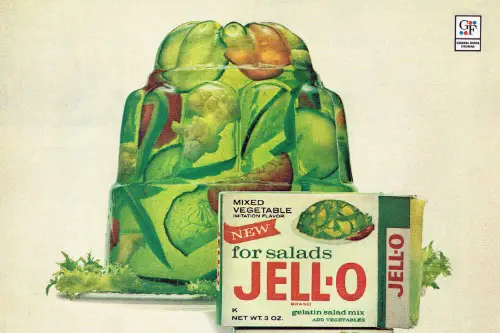
Back in the 1950s and 60s, serving a molded Jell-O salad at dinner was the ultimate sign of sophistication. Your grandmother probably had special copper molds in her kitchen just for creating these colorful creations. The fancy part wasn’t just the wobbly dessert itself, but the suspended fruits, vegetables, or even seafood floating inside like edible art. If you brought a Jell-O ring to a potluck, you were basically showing off your homemaking prowess.
The reason these gelatinous dishes were so special is that Jell-O was relatively expensive and required refrigeration, which not all families had reliable access to in the early 20th century. Making a layered Jell-O salad took time and planning, which showed you cared enough about your guests to put in the effort. Recipes with names like “Perfection Salad” or “Crown Jewel” appeared in magazines and cookbooks as aspirational dishes. Today we might find lime Jell-O with shredded cabbage a bit puzzling, but back then it was the height of modern, elegant entertaining.
3. Iceberg Lettuce Wedge Salads
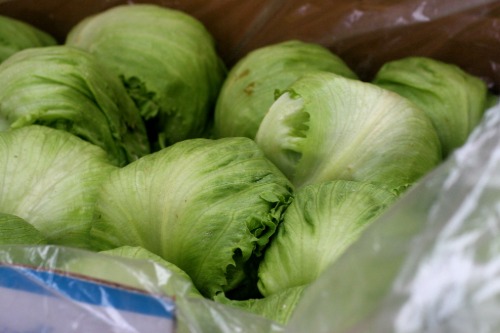
Before the days of spring mix and arugula, iceberg lettuce was considered the premium salad green. A cold, crisp wedge of iceberg lettuce served on a chilled plate was a restaurant-style starter that fancy home cooks replicated for dinner parties. The perfectly formed wedge shape itself was part of the presentation, showing you knew how to serve food properly. Topping it with blue cheese dressing and bacon bits made it even more special.
Iceberg lettuce had to be kept properly refrigerated and used quickly, which meant having a good icebox or refrigerator and the means to shop regularly. The crunch and the cold were signs of freshness that people really valued. Salads weren’t the everyday health food they are now; they were more of a sophisticated course that showed refinement. Your grandmother probably felt quite elegant serving these wedges before her Sunday pot roast.
4. Frozen Orange Juice Concentrate
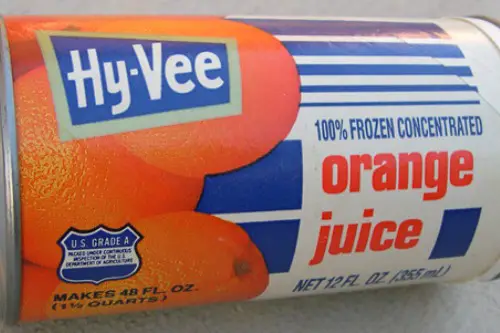
When frozen concentrated orange juice first appeared in the 1940s, it was revolutionary technology that felt incredibly futuristic. Your grandparents could suddenly have orange juice year-round without squeezing oranges or paying premium prices for fresh juice. The small cylindrical can represented modern convenience and progress in food science. Mixing it with water from those little cardboard cans was like performing a small kitchen magic trick.
Fresh oranges and orange juice had previously been expensive and seasonal, often associated with warm climates like Florida and California. Being able to serve orange juice at breakfast was a sign that a family was doing well financially and keeping up with modern times. The bright color and sweet-tart taste made breakfast feel special rather than just utilitarian. Those little cans stacked in the freezer were a source of pride for homemakers trying to provide the best for their families.
5. Instant Coffee
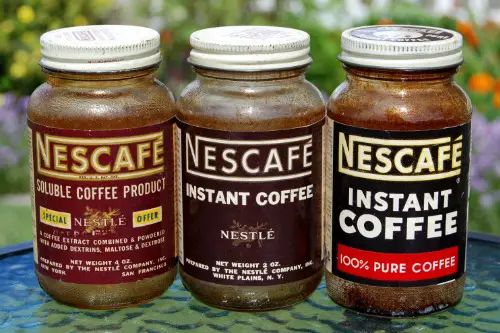
Before instant coffee came along, making coffee required time, equipment, and a certain amount of skill to get it just right. Brands like Maxwell House and Folgers introduced instant crystals that let anyone make a decent cup with just hot water. Being able to offer coffee to guests quickly without fussing over a percolator felt modern and gracious. A jar of instant coffee in the cupboard meant you were always ready for company.
The convenience factor made instant coffee feel luxurious in its own way, even though we now think of it as the cheaper option. During World War II, instant coffee was given to soldiers, which gave it an association with being special and important. Advertisements marketed it as sophisticated and time-saving, appealing to busy housewives who wanted to be good hostesses. Your grandmother might have served it in her best china cups, making even instant coffee feel like an occasion.
6. Canned Cranberry Sauce

Jellied cranberry sauce that slid out of the can with those distinctive ridges was a Thanksgiving staple that signaled you were serving a proper holiday meal. Ocean Spray made cranberries accessible to families who lived nowhere near the bogs where they grew. The perfectly shaped cylinder of deep red jelly looked elegant sliced on a plate next to turkey and stuffing. Nobody thought twice about serving it straight from the can because that was the fancy way to have cranberry sauce.
Fresh cranberries were regional and seasonal, and making cranberry sauce from scratch required sugar and cooking time that not everyone could spare. The canned version was consistent, reliable, and represented modern food processing at its best. Serving brand-name canned goods was actually a status symbol because it showed you could afford convenient prepared foods. That wobbly, sweet-tart jelly was as essential to a proper holiday table as the turkey itself.
7. TV Dinners
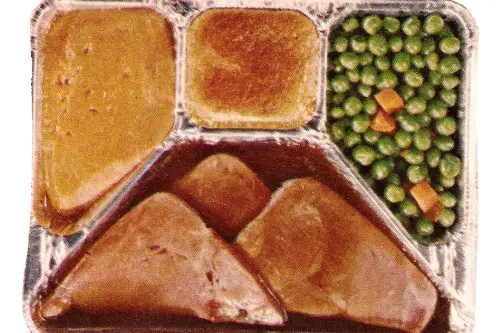
When Swanson introduced the first TV dinner in 1953, it was a marvel of modern convenience that made families feel like they were living in the future. The compartmentalized aluminum tray with a complete meal that just needed heating was revolutionary. Having turkey, cornbread dressing, peas, and sweet potatoes all portioned out and ready to go was incredibly fancy for its time. The idea that you could eat a full meal while watching television felt luxurious and modern.
TV dinners weren’t cheap when they first came out, so serving them meant your family could afford this convenient new product. The novelty of the packaging and the variety of options made them exciting rather than the sad microwave meals we think of today. Advertisements showed happy families enjoying these modern meals together, making them aspirational. Your grandparents might have served them for a special casual dinner or when they wanted a break from cooking without sacrificing a proper meal.
8. Maraschino Cherries
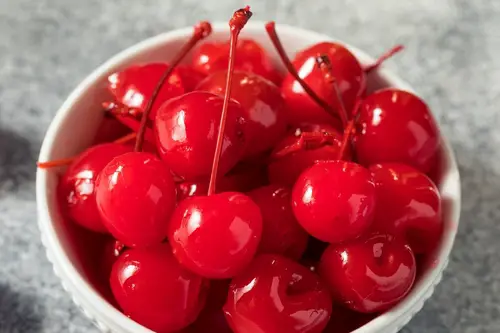
Those bright red cherries in a jar were the ultimate garnish that made any dessert or drink look fancy and festive. They topped ice cream sundaes, decorated cakes, sat in the center of pineapple rings, and perched on the edge of cocktail glasses. The unnaturally vivid color and sweet syrupy flavor made them feel special and different from regular fruit. Having a jar in your refrigerator meant you could elevate simple desserts into something company-worthy.
Maraschino cherries were processed specialty items that cost more than fresh cherries and lasted much longer. The red dye and almond flavoring made them seem exotic and sophisticated rather than artificial. They were associated with fancy cocktails, ice cream parlors, and restaurant desserts, so using them at home brought that glamour to your own table. Your grandmother probably used them sparingly because they were too special to waste on everyday meals.
9. Velveeta Cheese
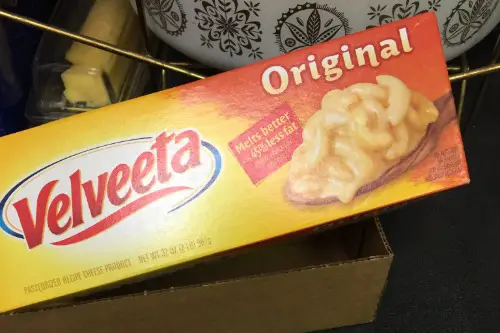
Velveeta was marketed as a modern, scientific improvement over regular cheese that melted smoothly and never got grainy. The distinctive gold foil box and the smooth, creamy texture made it feel like a premium product. Using Velveeta in recipes like cheese sauce, dips, or casseroles was a sign you were a modern cook who used quality ingredients. The fact that it didn’t need refrigeration before opening made it seem like space-age technology.
Regular cheese could be unpredictable in cooking, separating or becoming oily, but Velveeta promised consistent results every time. Recipes using Velveeta appeared in magazines and on recipe cards as sophisticated dishes worthy of serving to guests. The price point was higher than basic cheese, making it a special purchase rather than an everyday staple. Your grandmother’s famous mac and cheese or broccoli casserole probably featured Velveeta as the secret ingredient that made it company-ready.
10. Canned Mushrooms
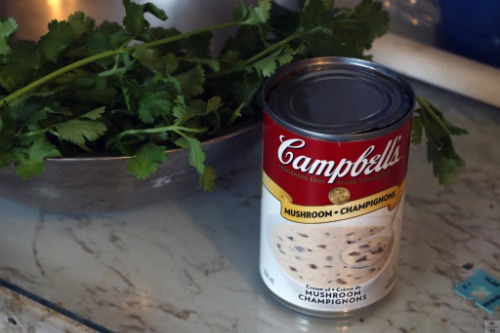
Fresh mushrooms were exotic and expensive in most of America until relatively recently, available mainly in big cities or specialty stores. Canned mushrooms brought this sophisticated ingredient to home cooks everywhere who wanted to make their dishes more elegant. Adding mushrooms to beef stroganoff, green bean casserole, or chicken dishes instantly elevated them to company-quality meals. The earthy flavor and meaty texture made ordinary dinners feel more gourmet.
Mushrooms had European associations with fancy French cooking, so using them showed culinary ambition and sophistication. The canned version was convenient and shelf-stable, letting cooks have them on hand whenever needed. Opening a can of sliced mushrooms meant you were making something special, not just another Tuesday night dinner. Your grandmother probably kept several cans in her pantry specifically for when she wanted to impress guests or make a holiday meal memorable.
11. Spam
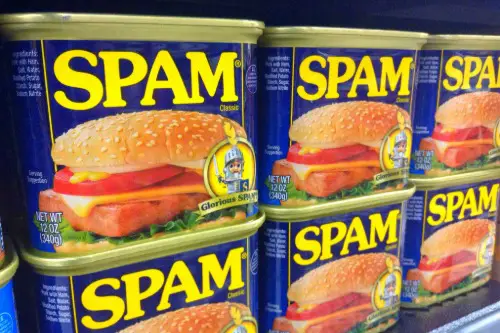
During and after World War II, Spam became associated with American ingenuity and making do with style. The canned meat was shelf-stable, required no refrigeration, and could be transformed into dozens of different dishes. Slicing it, frying it up, and serving it for breakfast or dinner was considered a modern, convenient way to put protein on the table. The fact that it was a Hormel brand-name product gave it an air of quality and reliability.
Spam wasn’t seen as the punchline it is today; it was actually a relatively expensive convenience food that showed you could afford prepared meats. Recipes for Spam casseroles, Spam sandwiches, and even Spam fritters appeared in magazines and cookbooks as legitimate entertaining options. The meat came fully cooked and seasoned, saving time and effort while still providing a substantial meal. Your grandparents might have served it proudly, especially if they’d lived through rationing and remembered when any meat was precious.
12. Canned Pineapple
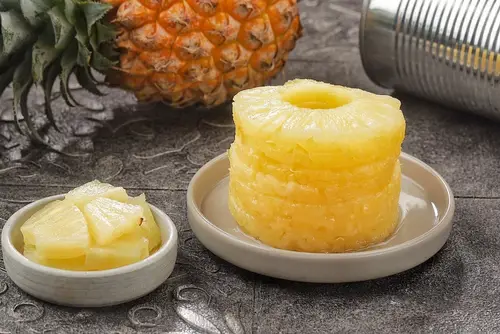
When your grandparents were young, fresh pineapple was an exotic luxury that most Americans had never tasted. Canned pineapple rings changed everything by making this tropical fruit accessible to families across the country. Opening a can of those perfectly golden circles was like bringing a taste of Hawaii right to your dinner table in Iowa or Pennsylvania. The fact that it came in a can and lasted on the shelf made it feel modern and convenient.
Pineapple rings became a staple of fancy dishes, especially the famous pineapple upside-down cake that graced special occasion tables everywhere. Placing a maraschino cherry in the center of each ring was the decorator’s touch that elevated a simple dessert to something company-worthy. Ham studded with pineapple rings and cloves became a showpiece for holiday dinners. What we now grab without thinking at the grocery store was once saved for celebrations and Sunday suppers.
13. Cocktail Onions

Those tiny white pearl onions in a jar were an essential ingredient for the Gibson cocktail and other sophisticated drinks. Having cocktail onions on hand meant you were equipped to make proper adult beverages for company. They represented the cocktail culture that flourished in the postwar era when home entertaining became more elaborate. The miniature size and the special packaging made them feel far fancier than regular onions.
Cocktail onions had to be perfectly pickled and uniformly small, which made them a specialty item rather than something you’d make yourself. Serving martinis or Gibsons at home parties showed you knew about current drinking trends and sophisticated entertaining. The little jar in the refrigerator door was a badge of honor that said you were worldly and prepared to host properly. Your grandparents might have displayed them on a bar cart along with other cocktail ingredients, creating an impressive setup for their evening guests.
This post 13 Grocery Store Items Our Grandparents Considered Fancy was first published on American Charm.

