
1. Depeche Mode
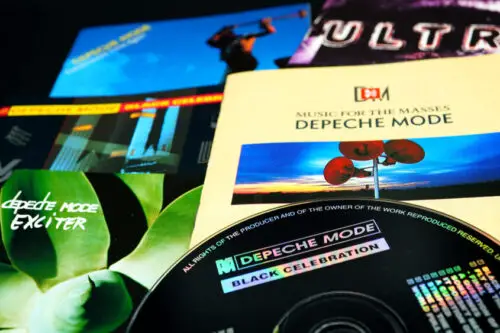
Boomers debated whether electronic bands like Depeche Mode could be considered “real rock.” Millennials appreciated key hits but often saw them as darkwave icons rather than mainstream rock figures. Gen Z, however, has embraced their synth-heavy style thanks to the resurgence of retro-futuristic aesthetics. Tracks like “Enjoy the Silence” trend regularly in vaporwave and cyber-inspired edits.
Younger fans admire how the band blended brooding lyrics with danceable beats. Their minimalist yet emotional songwriting resonates with online creators. Gen Z also loves the band’s fashion and visual identity, which fits well with current alt styles. This renewed attention has introduced the group to audiences far beyond their original fanbase.
2. The Beach Boys
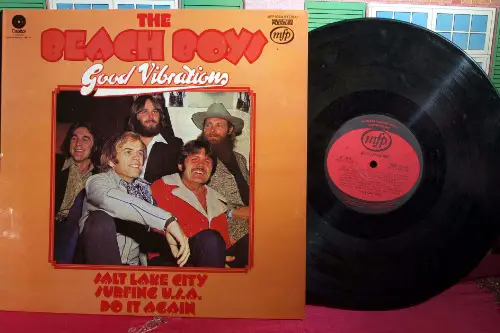
For boomers, The Beach Boys were a cultural lightning rod—some adored their clean-cut surf image while others dismissed them as lightweight compared to the rising hard-rock scene. Millennials often knew only “Good Vibrations” and “California Girls,” rarely digging deeper into the more experimental Pet Sounds. Gen Z, however, has rediscovered Brian Wilson’s arrangements through TikTok clips highlighting the album’s harmonies. Their renewed interest has pushed younger listeners to stream full albums rather than singles.
Gen Z’s fascination partly comes from the growing nostalgia trend around 1960s West Coast culture. Clips about Wilson’s meticulous studio process have also inspired young bedroom producers. The band’s layered vocal stacks resonate well with modern indie aesthetics. As a result, The Beach Boys now appear regularly on curated “vintage vibes” playlists.
3. Fleetwood Mac
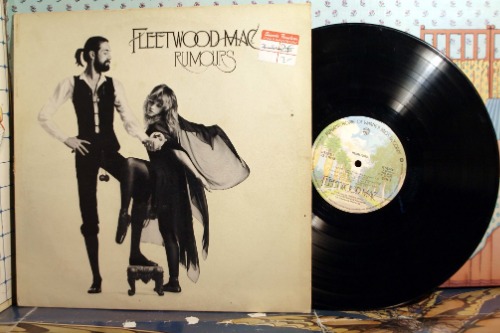
Boomers debated Fleetwood Mac’s many lineup changes and internal drama, especially during the late 1970s. Millennials generally knew Rumours as a breakup-album classic but didn’t go much beyond the hits. Gen Z revived interest dramatically after “Dreams” went viral thanks to a longboarding TikTok video. Streams for the song surged, introducing the band to millions of new listeners.
Younger fans often connect with the raw emotional storytelling in their lyrics. Many appreciate how the band navigated complex personal relationships while producing polished, radio-ready music. TikTok creators frequently analyze their harmonies and production choices. As a result, Fleetwood Mac’s albums keep re-entering streaming charts.
4. Talking Heads
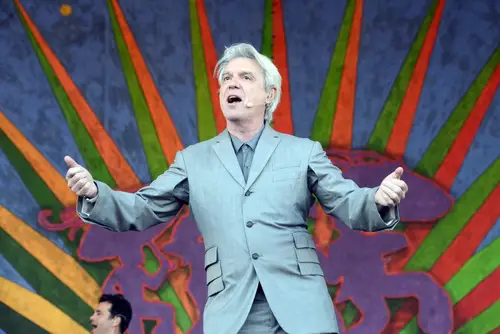
Talking Heads were the quirky, intellectual band boomers debated—too artsy for some, visionary for others. Millennials tended to know “Once in a Lifetime,” but the band’s deeper catalog often stayed off their radar. Gen Z discovered them through the re-release of Stop Making Sense and accompanying social media buzz. Suddenly, David Byrne’s angular dance moves became memeable content.
Young listeners appreciate the band’s genre-blending approach. Their mix of post-punk, funk, and worldbeat feels fresh in today’s eclectic music landscape. Gen Z also gravitates toward the existential humor in their lyrics. This combination has made Talking Heads unexpectedly trendy again.
5. The Cure

Boomers sometimes saw The Cure as too gloomy compared to mainstream rock. Millennials respected their influence but often associated them with a narrow “goth” stereotype. Gen Z has embraced The Cure for their emotional range, from melancholy ballads to bright, jangly pop. Songs like “Just Like Heaven” now serve as soundtracks for dreamy aesthetic videos.
Younger audiences connect with the vulnerability in Robert Smith’s songwriting. Their music fits neatly into Gen Z’s fascination with nostalgia and mood-driven playlists. TikTok edits have also made tracks like “Lovesong” resurface. The band’s timeless production makes them feel surprisingly contemporary.
6. Jefferson Airplane

Boomers fiercely debated the merits of Jefferson Airplane’s psychedelic sound. Millennials mostly remembered them for “Somebody to Love” and “White Rabbit” but rarely dived deeper into their catalog. Gen Z discovered them through film and series soundtracks that highlight the counterculture era. Their explosive vocals and surreal imagery feel dramatic enough for modern edits.
Young listeners appreciate Grace Slick’s powerful presence. The band’s bold experimentation appeals to audiences interested in the history of musical rebellion. Many Gen Z creators use their songs for clips referencing the late 1960s political climate. As a result, Jefferson Airplane has become a gateway to exploring classic psych-rock.
7. The Clash
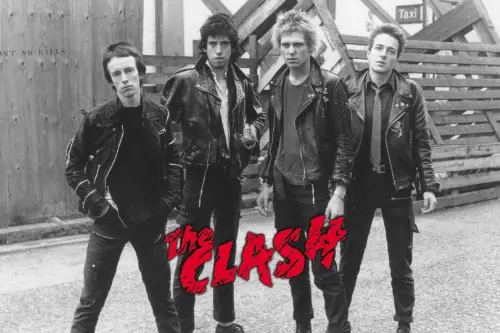
Boomers had mixed feelings about punk in general, and The Clash’s political stance stirred plenty of debate. Millennials respected their influence but often associated them only with “Should I Stay or Should I Go.” Gen Z revived interest when “London Calling” and “Clampdown” began circulating in political commentary videos. Their anti-establishment energy resonates strongly with younger activists.
The band’s fusion of punk, reggae, and rock has impressed a generation raised on genre-fluid playlists. Gen Z listeners admire their willingness to challenge norms. Documentary clips highlighting Joe Strummer’s interviews have also fueled renewed fascination. The Clash now feels both retro and urgently relevant.
8. Blondie
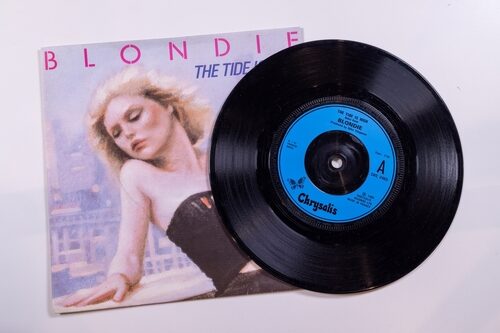
Boomers argued over whether Blondie belonged to punk, new wave, or pop. Millennials often saw them as a fun, retro act anchored by Debbie Harry’s charisma. Gen Z has rediscovered Blondie thanks to the renewed popularity of disco-infused styles and 1980s fashion. Songs like “Heart of Glass” frequently return in viral dance clips.
Younger audiences admire the band’s fearless blending of genres. Debbie Harry’s image resonates with current trends in bold, expressive individuality. Gen Z has embraced her as an early icon of alt-glam aesthetics. This surge of interest has brought new attention to the band’s later albums as well.
9. The Zombies
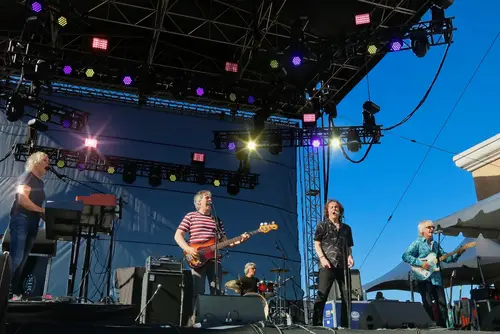
Boomers found The Zombies’ baroque pop sound both sophisticated and divisive. Millennials mostly recognized “Time of the Season” without exploring their influential album Odessey and Oracle. Gen Z encountered them through music-history accounts and lo-fi sample culture. Their lush harmonies and psychedelic arrangements feel tailor-made for modern indie tastes.
Many new listeners appreciate how ahead of their time their production techniques were. Gen Z musicians often cite them as inspiration for dreamy bedroom-pop projects. Clips breaking down their chord progressions circulate widely online. Their resurgence demonstrates how well 1960s experimentation fits current DIY music culture.
10. The Ramones
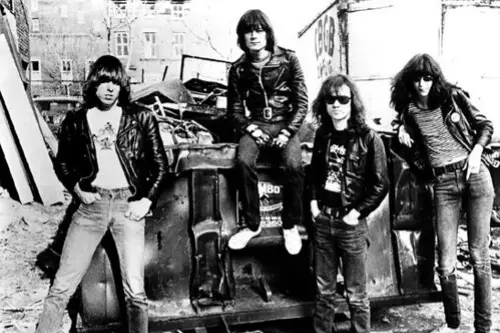
Boomers debated whether The Ramones’ simplicity was innovative or just noisy. Millennials acknowledged their importance but often saw punk as niche. Gen Z found them through fashion revivals and the return of minimalist, high-energy rock. Their short, punchy tracks work well for quick-cut edits and skateboarding clips.
The band’s playful attitude appeals to younger audiences seeking authenticity. Many admire how The Ramones proved that raw passion could outweigh polished production. Their influence on DIY culture fits seamlessly into Gen Z’s creative mindset. As a result, their logo shirts are no longer just retro merch—they’re statements of musical identity.
11. Sonic Youth

Boomers sometimes found Sonic Youth’s experimental noise-rock approach alienating. Millennials respected their indie legacy but often preferred more accessible alt-rock. Gen Z discovered them through creators who highlight unusual guitar tunings and avant-garde techniques. Songs like “Teen Age Riot” now appear in clips celebrating alternative subcultures.
Younger listeners appreciate the band’s boundary-pushing ethos. Their willingness to disrupt traditional song structure resonates with audiences drawn to the unconventional. Many Gen Z guitarists experiment with their tuning methods after seeing educational content online. This has given Sonic Youth a second life as a gateway to experimental rock.
12. King Crimson
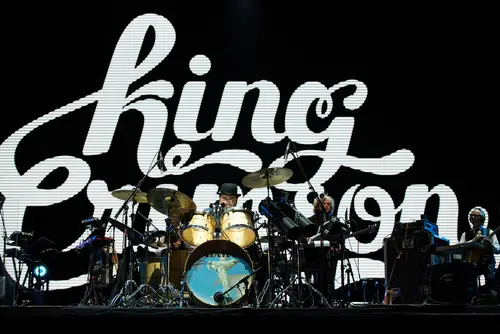
Boomers debated King Crimson intensely because of their challenging, progressive sound. Millennials largely overlooked them except for musicians and prog enthusiasts. Gen Z revived interest via memes and edits using “21st Century Schizoid Man,” especially after its high-profile sampling in modern hip-hop. Their complex rhythms and dramatic intensity lend themselves well to cinematic online content.
Younger fans admire the band’s technical precision. Many are fascinated by Robert Fripp’s disciplined approach to music-making. Clips from his “Music for Quiet Moments” series have also circulated widely. This renewed attention has drawn fresh listeners to their sprawling, decades-long catalog.
This post 12 Rock Bands Boomers Fought Over, Millennials Ignored, and Gen Z Just Resurrected was first published on American Charm.

