
1. Welding

Welding used to be seen as dangerous and limited to shipyards or factories. Today, it’s essential for industries like aerospace, construction, pipelines, and metal fabrication. Specialized welders—such as underwater or high-pressure welders—can earn especially high pay. Demand has increased as infrastructure ages and major projects roll out nationwide.
Welding also offers clear upskilling paths, each tied to higher compensation. Certifications allow workers to move into niche fields with strong pay bumps. Flexible job opportunities span from local shops to international project sites. It’s become a career where technical mastery pays off quickly.
2. Electricians

Many Americans once avoided electrician work because it felt too physically demanding and not “future-proof.” Today, building electrification, data centers, and EV charging infrastructure have made electricians some of the most consistently in-demand workers. Pay has risen steadily, and licensed electricians now routinely earn strong middle-class incomes with overtime opportunities. Apprenticeships also reduce student-loan pressure, which makes the field more attractive than ever.
Electricians also benefit from work that can’t be outsourced or easily automated. As buildings age, skilled labor becomes even more critical, keeping job security high. The rise of renewable energy installations adds another revenue stream for experienced pros. Suddenly, the “old-school” trade career has become surprisingly modern—and surprisingly lucrative.
3. HVAC Technicians

HVAC work used to be dismissed as seasonal or unglamorous. But modern climate-control systems are increasingly complex, and technicians who can maintain or install them earn solid pay. Extreme weather patterns have also created nonstop demand for service calls. Commercial HVAC techs, in particular, see strong salaries due to the sophistication of large systems.
The rise of smart thermostats and high-efficiency units means technicians now handle both mechanical and digital tasks. This technical crossover boosts their value on the job market. Many employers also offer bonuses during peak seasons. It’s a role where expertise directly translates to income stability.
4. Commercial Driving (CDL)

Trucking was once considered a harsh and thankless job. Yet persistent driver shortages and supply-chain pressures have pushed wages to highly competitive levels. Long-haul drivers, especially those with hazmat or tanker endorsements, earn impressive compensation. Companies have also improved benefits to attract and retain drivers.
Technology in modern trucks has made the job more manageable and safer. Short-haul and regional routes offer more predictable schedules than people expect. Freight growth across e-commerce keeps demand steady. Driving has shifted from a last-choice job to a financially viable career.
5. Manufacturing Technicians

Manufacturing once carried a stigma of declining factories and unstable employment. But advanced manufacturing now relies on robotics, quality control systems, and precision equipment, leading to higher-skilled, higher-paid roles. Semiconductor and aerospace facilities in particular pay competitively. Federal incentives for domestic manufacturing have added even more momentum.
Workers today operate advanced machines rather than performing repetitive manual tasks. This shift has increased the need for technical training and boosted wages accordingly. Many plants offer strong benefits packages, including tuition reimbursement. It’s a modern career hiding inside an old stereotype.
6. Construction Management

People used to consider construction work unpredictable and physically taxing. But construction management requires coordination, budgeting, and technical expertise that companies are willing to pay for. From commercial buildings to large infrastructure projects, demand for experienced managers is rising. The role blends field experience with leadership, making it especially valuable.
These managers also benefit from steady project pipelines across public and private sectors. Training programs and certifications have expanded, opening accessible paths into the field. Many professionals transition from trades into management and see significant income increases. The job has grown into a respected, financially rewarding career track.
7. Plumbing

Plumbing was once a career people sidestepped because it didn’t seem glamorous. But aging water systems, housing construction, and climate-driven infrastructure repairs have pushed pay upward. Union shops, commercial contractors, and municipal systems especially offer competitive compensation. The combination of high demand and low supply of licensed plumbers has changed the field’s reputation.
Work is steady because plumbing systems fail year-round, recession or not. Specialties like pipefitting and gas installation command even higher wages. Many plumbers eventually open their own businesses, benefiting from booming home-repair markets. The stability and earning potential make this career very appealing today.
8. Public Accounting

Accounting once looked like a grind with long hours and modest pay. Yet rising demand for financial compliance, audits, and tax expertise has strengthened salaries across the profession. CPAs, in particular, see strong earning potential due to credential shortages. Even entry-level roles often offer competitive compensation compared to many white-collar fields.
The field provides clear advancement, from staff accountant to partner track. Specialties like forensic accounting or corporate tax command premium salaries. Remote work has opened opportunities for nationwide job searches. Accounting has quietly become one of the most reliable high-income career paths.
9. Nursing

Nursing used to be viewed as emotionally draining and physically demanding, which deterred many people. But widespread shortages and retiring workforces have pushed wages up—especially for specialized nurses. Hospitals offer bonuses, tuition assistance, and residency programs to fill staffing gaps. Advanced practice roles like nurse practitioners earn particularly strong pay.
Nurses also benefit from job security in nearly every region. The field allows rapid upward mobility with additional certifications. Travel nursing can yield especially high short-term earnings. Healthcare’s long-term demand makes it a financially steady career choice.
10. Radiation Technologists

Many people once avoided radiologic technology because it sounded highly technical or intimidating. But healthcare facilities now rely heavily on skilled imaging professionals for diagnostics. CT, MRI, and radiation therapy specialists earn strong salaries due to equipment complexity. Hospitals and outpatient centers compete for certified technologists.
Advances in imaging technology have expanded the scope of these jobs. Technologists can specialize to increase income and job flexibility. Training programs are shorter than many four-year degrees yet lead to strong earning potential. It’s a career where technical skill meets steady demand.
11. Utility Lineworkers

Utility work was once seen as too risky and grueling. But lineworkers earn impressive pay because they maintain critical infrastructure and respond to storm damage. Many positions offer strong overtime and hazard pay. Utilities also provide robust benefits and apprenticeship paths.
The job remains physically demanding, but modern safety standards have improved significantly. Renewables and grid modernization create consistent work on new projects. Lineworkers often enjoy long-term job stability due to union representation. The financial rewards reflect the essential nature of the work.
12. Insurance Underwriting

Underwriting used to have a reputation as dry desk work without big growth potential. But insurers now compete for skilled analysts who can assess increasingly complex risks. Specialized underwriters in areas like cyber, commercial property, or environmental coverage earn strong salaries. Growing risk categories have elevated the profession’s value.
Technology has made underwriting more data-driven, requiring analytical skills that companies pay well for. Remote work flexibility has also helped draw in new talent. With retirements increasing, opportunities for faster advancement are more common. The field has evolved into a strategic, well-compensated role.
13. Elevator and Escalator Technicians
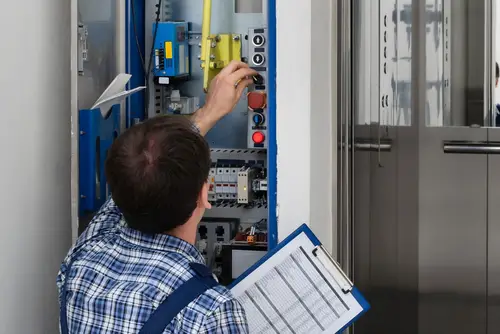
This career once seemed too niche and mechanical for many job seekers. Today, it’s one of the highest-paid skilled trades due to safety requirements and highly specialized equipment. Urban construction and modernization projects have intensified demand. Technicians often benefit from strong union wages and excellent benefits.
Because the machinery is complex, certified technicians are hard to replace. Regular maintenance ensures steady, predictable work. Apprenticeships create accessible entry points that lead to high earnings. It’s a surprisingly lucrative career hiding in plain sight.
This post 13 Careers Americans Once Fled From That Now Pay Better Than Tech was first published on American Charm.