
1. Ely, Nevada
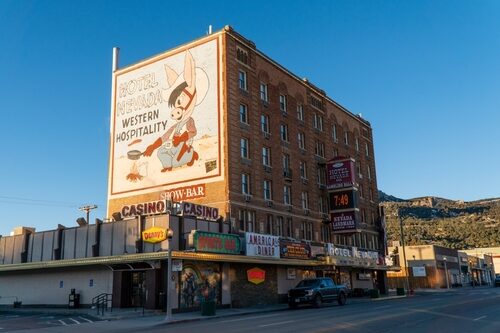
Ely grew up around copper mining and the railroad, and much of its early 20th-century character still stands. Instead of modernizing everything, residents have preserved historic hotels, train depots, and murals tied to the town’s past. The Nevada Northern Railway Museum runs century-old locomotives that still rattle down the tracks. The place feels stopped in time, and locals tend to prefer the quieter pace that comes with that.
Outdoor recreation has brought new attention, but it hasn’t changed Ely’s identity. The town remains surrounded by open desert and mountain solitude. Locals value that the nearest major city is hours away, preserving a sense of isolation. This distance gives Ely the space to maintain its heritage without pressure to expand.
2. Jerome, Arizona
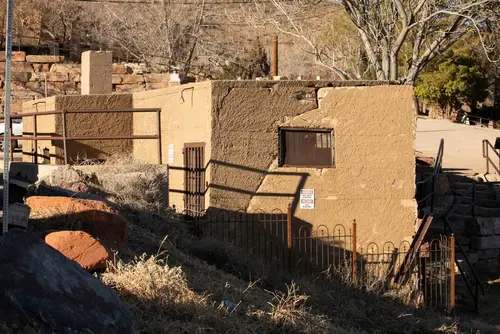
Jerome once boomed as a copper mining town, but when the mines closed in the mid-20th century, its population plummeted. Today it’s a quiet hillside community known for its preserved historic buildings and slow rhythms. Locals appreciate that tourism comes in steady trickles rather than waves, keeping things manageable. Visitors feel like they’ve stepped into a quirky Old West time capsule, which is exactly how residents like it.
Artists and small-business owners have helped revive the town without changing its soul. The winding streets still feel like they’re holding onto their mining-era layout. Many storefronts use the original structures, which adds to the sense of stepping backward in time. The community intentionally limits large development, keeping Jerome comfortably off the beaten path.
3. Wallace, Idaho
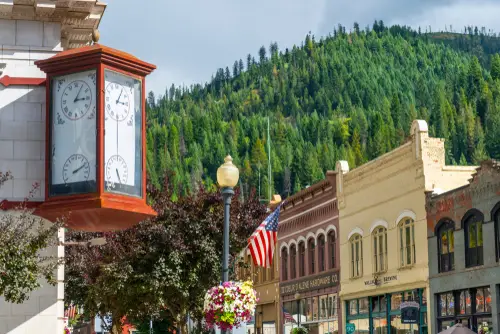
Wallace has embraced its mining past so fully that the entire town is listed on the National Register of Historic Places. This designation helped keep its early architecture intact when urban renewal projects swept through other communities. The historic downtown remains filled with brick buildings and narrow streets. Locals love that it feels like stepping into a different era.
Even the quirky claim of being the “Center of the Universe” hints at a playful pride in its uniqueness. The surrounding mountains create a feeling of separation from modern bustle. Many residents work in tourism or outdoor recreation, but growth has stayed measured. That balance helps Wallace remain charmingly out of sync with the times.
4. Cape Charles, Virginia
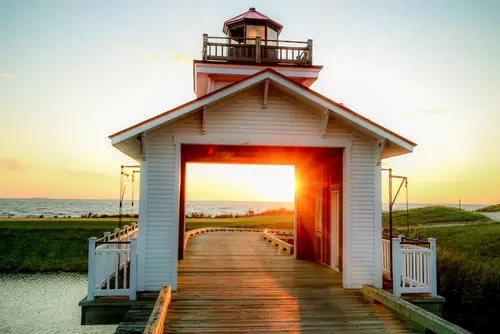
This Chesapeake Bay town nearly faded after rail and ferry operations declined in the mid-1900s. Instead of transforming into a busy beach destination, it slowly rebuilt around its historic core. The Victorian and early 20th-century homes remain central to its character. Locals appreciate that development has stayed small-scale and community-driven.
Cape Charles’ walkable streets add to its unrushed feel. The old-fashioned shops and calm shoreline keep crowds at bay compared to flashier beach towns. Residents often participate in preservation efforts for the town’s original buildings. That involvement keeps Cape Charles rooted in its past while gently moving forward.
5. Virginia City, Montana
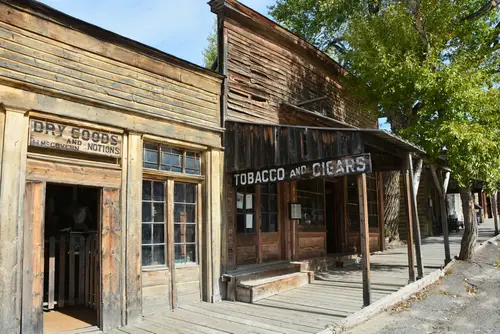
Virginia City boomed during Montana’s gold rush, then dwindled as miners moved on. Instead of disappearing, it survived as an unusually intact frontier town. Many original wooden buildings still stand and have been carefully stabilized or restored. Locals take pride in preserving the town’s mining-era identity.
Because it’s tucked into the hills, Virginia City feels remote even during tourist season. The community leans heavily on its history but avoids large commercial buildouts. The slower flow of visitors helps keep the atmosphere authentic. Residents like that the town’s charm lies in what hasn’t changed.
6. Fort Benton, Montana
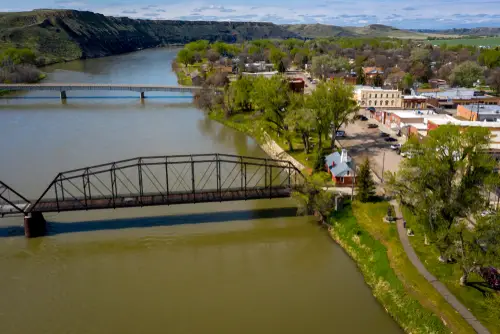
Often called the “Birthplace of Montana,” Fort Benton grew during the era of steamboats on the Missouri River. When railroads took over, the town’s prominence faded, leaving many historic structures untouched. Today its riverfront and old brick buildings give it a frozen-in-time feel. Locals embrace the quiet that came with the town’s shift away from commerce.
Museums and heritage groups have preserved important landmarks from the 1800s. Yet the town hasn’t turned itself into a polished tourist machine. Life moves slowly along the river and through the compact downtown. Residents value this steady pace and the sense of continuity it brings.
7. Winslow, Arizona
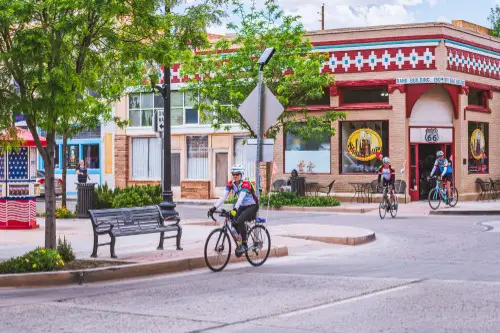
Winslow thrived during the Route 66 era but slowed when the interstate bypassed it. Instead of reinventing itself completely, the town held onto much of its mid-century character. The famous “Standin’ on the Corner” park highlights its nostalgic roots. Locals appreciate that Winslow has regained interest without losing its identity.
Historic hotels and old highway businesses still shape the main streets. The community favors restoration over modern replacement. Even as travelers come through again, the town avoids rapid change. Residents enjoy that Winslow feels like a quieter slice of the American road-trip past.
8. Grafton, West Virginia
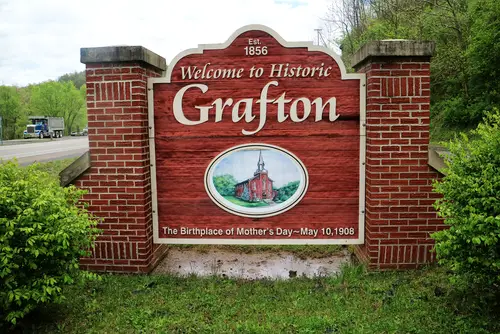
Grafton was once a thriving railroad hub, but its fortunes fell as train travel declined. Many of its historic buildings remain standing, lending the town a vintage, unhurried look. The downtown feels suspended between eras, with storefronts that hint at better days. Locals value the familiarity and continuity within their tight-knit community.
The town is known for holding the first official Mother’s Day celebration in the U.S., and that piece of history remains a point of pride. Annual events keep tradition alive without attracting overwhelming crowds. Restoration efforts are gradual, matching the town’s pace. Residents often speak of preferring a slow revival rather than dramatic change.
9. Silverton, Colorado
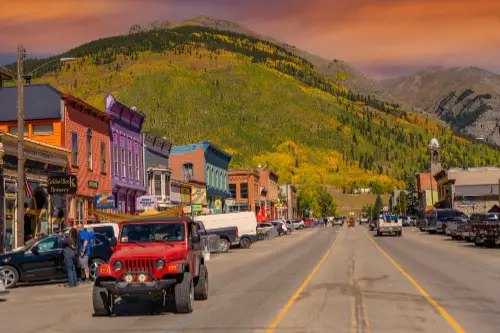
Silverton’s mining days shaped its compact downtown, and most of those buildings remain in use. The narrow-gauge railroad that connects it to Durango preserves a slice of historic travel. When the train pulls in, it’s like watching the past arrive. Locals cherish that sense of suspended time.
While tourism is important, the town’s remote mountain location naturally limits growth. Winters are harsh, keeping Silverton’s population small and self-reliant. That isolation helps maintain the rugged authenticity that residents embrace. It’s a place where history feels lived rather than curated.
10. Harpers Ferry, West Virginia
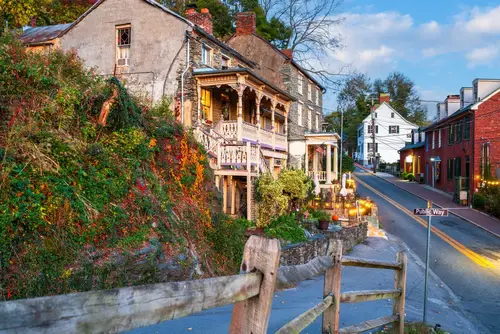
Harpers Ferry played a pivotal role in U.S. history, but its geography kept it relatively unchanged after its industrial period ended. The confluence of rivers and the steep hillsides limited modern expansion. Much of the town is preserved as part of a national historical park. Locals are accustomed to living among artifacts of the past.
The old streets, stone structures, and scenic overlooks give Harpers Ferry an almost storybook quality. While visitors come for hikes and history, the built environment remains largely untouched. Residents benefit from strict preservation efforts that keep development modest. This allows them to live quietly in a place that looks much as it did generations ago.
11. Mineral Point, Wisconsin
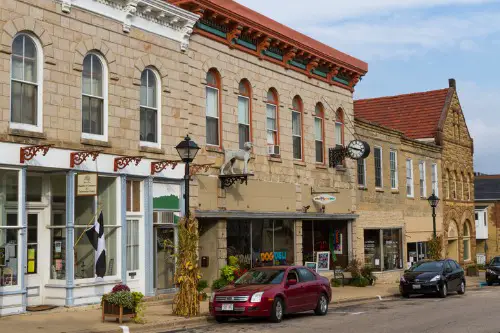
Mineral Point was founded by Cornish miners in the 1800s, and many of their stone cottages still stand. The town embraced preservation early, restoring buildings rather than replacing them. Its art community grew within those historic spaces. Locals appreciate the slower, heritage-centered culture that emerged.
Because the town leans into its past, it hasn’t rushed toward modernization. Streets remain walkable, and small shops operate out of old structures. Community events often highlight local history and craft. Residents enjoy this balance of creativity and tradition.
12. Berlin, Nevada
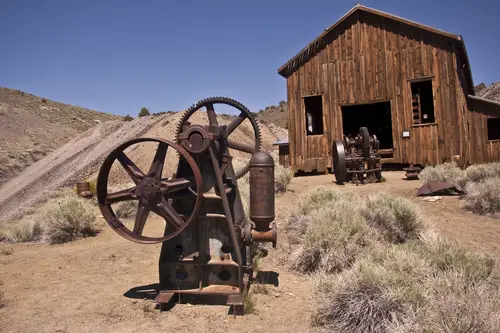
Berlin is technically a ghost town, but its remarkable state of preservation sets it apart. Abandoned in the early 1900s after mining declined, its buildings remain largely intact. The dry climate helped keep everything from assay offices to miners’ cabins standing. Locals in the region support preserving it as a historical site rather than redeveloping the land.
As part of Nevada’s state park system, Berlin is maintained but not commercialized. Visitors walk through structures exactly where residents left them over a century ago. The quiet desert surroundings add to the suspended-in-time feeling. Its preservation shows how a town can remain “forgotten” yet deeply valued.
13. Marfa, Texas
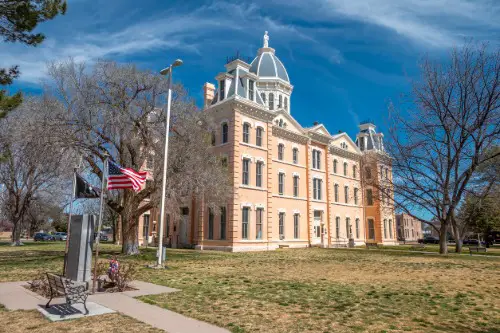
Marfa began as a railroad water stop and stayed small even as art transformed part of its identity. The town retains wide-open streets and early 20th-century buildings that frame its desert setting. While it’s known for high-profile art installations, the pace remains surprisingly slow. Locals appreciate that visitors must travel far to reach them.
That remoteness helps Marfa maintain a low-key atmosphere. Longtime residents balance preserving their heritage with welcoming a creative community. The town’s iconic courthouse and central square anchor its historic feel. Even with outside interest, Marfa stays rooted in its quiet, spacious setting.
14. Williamsport, Pennsylvania
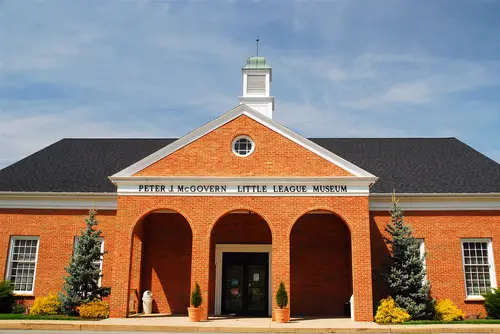
Williamsport was once a lumber capital, and its Victorian mansions reflect that era. When the industry declined, the city kept many of those buildings rather than replacing them. Today they stand as reminders of a time of great prosperity. Locals take pride in preserving this architectural heritage.
Even as the town modernizes in small ways, much of its core remains historic. The community favors restoration projects that keep its identity intact. Life in Williamsport moves at a manageable pace, removed from big-city urgency. Residents enjoy that the town honors its past without rushing toward the future.
This post 14 U.S. Towns That Time Forgot—and Locals Prefer It That Way was first published on American Charm.

