
1. Speaking Loudly in Public

Americans often talk louder than people from many other countries, and it can come across as abrasive. In the U.S., speaking up is linked to confidence, not aggression. Foreigners might misinterpret this volume as shouting or impatience. The habit is usually harmless, but it can seem confrontational to those from quieter cultures.
Even in casual settings like restaurants, Americans tend to project their voices. This is partly because many public places are designed to be lively and open. People grow used to talking over background noise. To visitors, though, it may feel like unnecessary loudness or a lack of consideration for others.
2. Smiling at Strangers
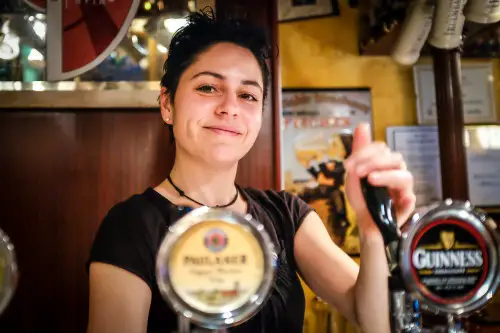
Americans often smile at people they don’t know, and it’s usually meant as friendliness. In some cultures, smiling without reason seems insincere or even suspicious. This difference can lead to confusion about intent. A simple friendly gesture might be misread as mocking or fake.
The American smile habit comes from valuing openness and approachability. Many are taught that politeness includes looking pleasant. This can surprise visitors from places where a neutral expression is more respectful. What feels warm to Americans may feel overly familiar elsewhere.
3. Talking to Service Workers Casually

Chatting with cashiers or baristas is normal in the U.S., but in some countries it feels odd. Americans often ask small questions like “How’s your day?” just to be polite. Foreigners might interpret this as nosy or intrusive. The intent is friendliness, not prying.
Because service interactions in the U.S. emphasize customer experience, this casual talk is encouraged. Employees are trained to be warm and approachable. Visitors unfamiliar with this style might feel pressured to respond. They may think the conversation is forced or inappropriate.
4. Being Direct and Saying “No” Clearly

Many Americans value directness and see it as honest communication. They often say “no” without trying to soften it. In cultures that favor indirect phrasing, this can feel blunt or rude. But to Americans, it’s simply efficient.
Direct speech is taught as a way to avoid misunderstandings. People are encouraged to be clear about expectations and boundaries. While visitors might find this abrupt, it prevents confusion. The intention is clarity, not harshness.
5. Eating on the Go
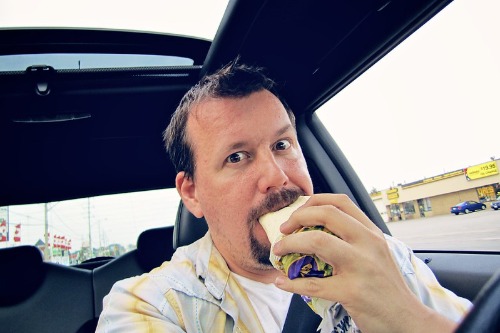
Americans commonly eat while walking or commuting. In some countries, meals are expected to be taken sitting down, often with others. Eating in motion can be seen as disrespectful or messy. But in the U.S., it’s mostly about convenience.
Busy schedules make quick meals a practical choice. Many cities are built around fast-paced lifestyles. Visitors might interpret this as sloppy or rushed. Americans, however, rarely see anything impolite about it.
6. Casual Dress in Most Situations

Wearing athleisure or T-shirts almost anywhere is common in the U.S. In some countries, dressing formally is a sign of respect. So foreigners might see American casual wear as lazy or disrespectful. The reality is that comfort is highly valued.
Many workplaces also have relaxed dress codes. This reinforces the idea that clothes don’t need to be formal to be appropriate. Visitors might be startled to see people dressed down in places they consider formal. But to Americans, clothing usually isn’t tied to politeness.
7. Not Using Formal Titles

Americans often call people by their first names immediately. In other cultures, titles like “Mr.” or “Mrs.” show respect. The quick shift to casual names can seem overly familiar or rude. But Americans see it as friendly and equalizing.
This habit comes from a cultural focus on informality. People value breaking down social hierarchies. Visitors may feel uncomfortable without the buffer of titles. Yet Americans usually don’t mean to imply disrespect at all.
8. Tipping Expectations

The U.S. tipping culture can confuse foreigners who aren’t used to it. Not tipping enough may be seen as rude, even if the visitor didn’t know the norm. Americans consider tipping part of showing appreciation for service. This expectation can feel like pressure to outsiders.
Since many service workers rely on tips for income, Americans internalize tipping as the polite thing to do. Visitors from countries where tipping is minimal might think they’re already being polite by simply paying the bill. That mismatch leads to misunderstandings. Americans may interpret a missing tip as intentional rudeness. But most of the time it’s just unfamiliarity.
9. Small Talk with Strangers

Americans use small talk to fill awkward silence and show friendliness. Foreigners from cultures where privacy is important may see this as intrusive. Asking about someone’s day or plans might appear too personal. But Americans usually intend it as harmless politeness.
Small talk helps establish comfort in brief encounters. It signals approachability rather than deep curiosity. Visitors who prefer more reserved interactions may feel overwhelmed. Still, in the U.S., this light conversation is standard social glue.
10. Standing in Personal Space

Americans sometimes stand closer to others than visitors expect. Personal space norms vary widely, and misunderstandings happen easily. A foreigner might feel crowded or disrespected. Americans, however, often don’t notice they’re doing it.
Because people in the U.S. interact frequently in busy spaces, they become comfortable with shorter distances. Crowded lines, public transit, and open floor plans all influence this. Visitors may interpret the closeness as pushy. But usually it’s just habit, not hostility.
11. Using First Names with Older Adults

In the U.S., it’s common for younger people to address older adults by first name if invited. In some cultures, this is deeply disrespectful. Foreigners may be shocked to hear children call adults by their given names. But Americans often view it as building rapport.
The practice reflects a cultural emphasis on equality. Many older Americans prefer a relaxed relationship with younger people. Visitors expecting more formality might misread it as a lack of respect. But the intention is usually warmth, not irreverence.
12. Being Casual About Invitations
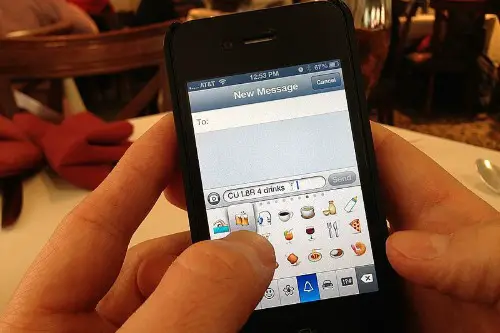
Americans often say “We should hang out sometime!” without meaning it literally. In other cultures, an invitation is a firm commitment. This can lead to confusion when the meeting never happens. It may seem flaky or rude.
In the U.S., such phrases are often polite gestures rather than concrete plans. They signal friendliness but not necessarily a real appointment. Visitors may take these words at face value. But Americans typically expect plans to be confirmed explicitly before assuming anything is set.
This post 12 American Habits That Foreigners Mistake for Rudeness was first published on American Charm.

