
1. Creed
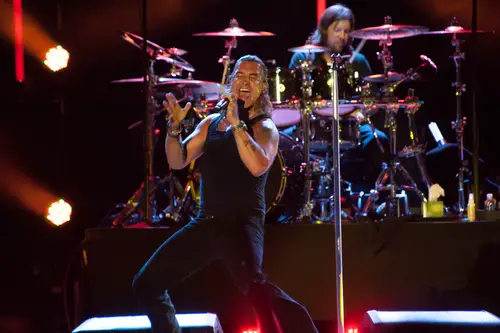
Creed was widely mocked in the early 2000s for their over-the-top vocals and overly earnest lyrics. Many critics dismissed their hit singles as generic post-grunge filler, and they became an easy target for late-night jokes. Despite this, their albums sold millions, proving that a passionate fan base existed even amidst ridicule. Now, Gen Z is discovering the emotional intensity in songs like “With Arms Wide Open,” appreciating them as sincere rather than cheesy.
Streaming platforms and TikTok trends have helped younger listeners revisit Creed’s catalog with fresh ears. Memes about the band’s melodrama ironically drew attention, turning the joke into curiosity. Gen Z seems drawn to the raw emotion and nostalgia that defines Creed’s sound. Suddenly, what was once a punchline feels like an authentic, relatable throwback.
2. Nickelback
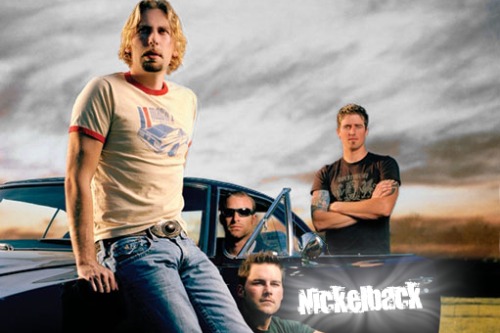
Nickelback has long been considered the butt of rock jokes due to repetitive song structures and mainstream appeal. Their radio dominance made them an easy scapegoat for critics looking to call out “formulaic” rock. Yet their knack for catchy hooks and emotionally direct lyrics resonates with people who love straightforward storytelling in music. Gen Z, in particular, is rediscovering tracks like “How You Remind Me” as earnest anthems rather than overexposed hits.
The rise of nostalgic TikTok videos has reframed Nickelback as fun, even iconic. Fans joke about hating them while secretly loving them, creating a playful reappraisal of their work. Social media has amplified the band’s relatability, with younger listeners enjoying the unpretentious rock energy. Nickelback is no longer just a punchline—they’re a soundtrack for feelings that never go out of style.
3. Limp Bizkit
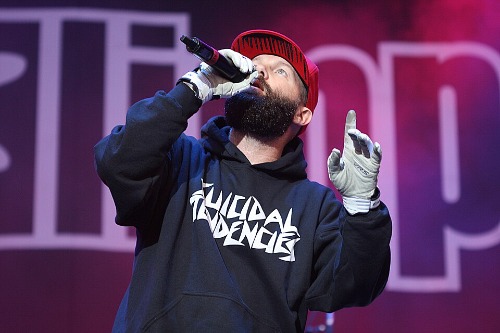
Limp Bizkit was criticized heavily in the early 2000s for their nu-metal blend of rap and rock. Critics often derided Fred Durst’s aggressive style as obnoxious, and the band became a symbol of music excess. Yet hits like “Break Stuff” captured teenage anger and frustration in a way that many felt deeply but couldn’t articulate. Gen Z has started to recontextualize that intensity as a cathartic form of expression rather than mere noise.
TikTok and meme culture have reframed Limp Bizkit as fun and nostalgic rather than embarrassing. Younger audiences are drawn to the unapologetic energy of their songs, enjoying the chaotic spirit that was once frowned upon. Nostalgia for the early 2000s and appreciation for rebellious music have combined to make Limp Bizkit “cool again.” Their music is being re-evaluated as a raw snapshot of its era, not a caricature.
4. Fall Out Boy
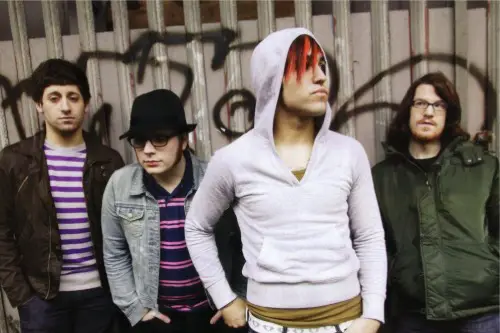
Fall Out Boy was often dismissed in the mid-2000s as emo-pop fluff, with critics mocking their dramatic lyrics and catchy, over-the-top hooks. Their theatrical style and Patrick Stump’s high vocals made them a target for satire on late-night shows and music blogs alike. Yet, songs like “Sugar, We’re Goin Down” captured a generation’s awkward, emotional highs and lows. Gen Z is now embracing Fall Out Boy with nostalgia, seeing their early albums as emotionally honest snapshots of teenage life.
TikTok has played a big role in this revival, with snippets of their hits used in nostalgic or ironic content. Younger listeners often appreciate the raw emotion and self-aware humor in their music. What was once called overdramatic is now considered iconic emo-pop. The band’s ability to blend humor, heartbreak, and catchy hooks resonates perfectly with Gen Z sensibilities.
5. My Chemical Romance
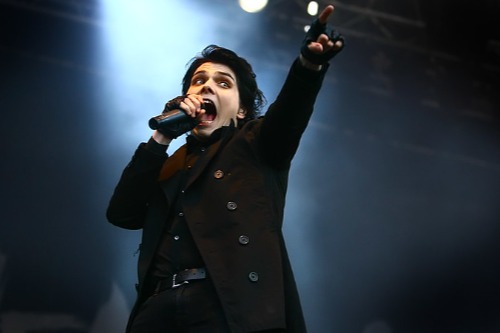
My Chemical Romance faced intense criticism early in their career for their dark, theatrical take on punk and emo. Their concept albums and dramatic imagery led some to dismiss them as overly melodramatic or trying too hard. Despite this, tracks like “Welcome to the Black Parade” became cultural touchstones for a generation craving emotional storytelling. Gen Z has reignited interest in MCR, celebrating their boldness and sincerity in expressing teenage angst.
The resurgence has been fueled by social media, where fans share concert clips, merchandise, and throwback photos. The band’s themes of identity, loss, and resilience resonate deeply with a generation navigating complex emotions. What was once ridiculed as emo theatrics is now lauded as empowering and artistically ambitious. My Chemical Romance has become a symbol of nostalgia and self-expression for Gen Z.
6. Green Day
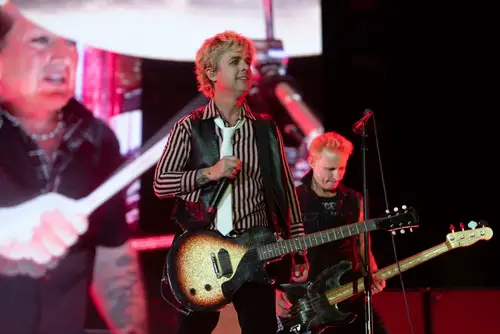
Green Day initially faced skepticism from punk purists who saw their success as selling out, especially after “American Idiot” propelled them to mainstream fame. Critics accused them of simplifying punk for mass appeal and commercial gain. Despite this, their politically charged lyrics and rebellious energy connected with young listeners in a way that few bands had managed before. Today, Gen Z is rediscovering Green Day, appreciating both the music and the social commentary embedded in their albums.
TikTok and streaming services have introduced Green Day’s anthems to a new generation. Tracks like “Boulevard of Broken Dreams” and “Holiday” are widely used in memes and nostalgia-driven content. Younger audiences now see them as influential pioneers rather than sellouts. Their combination of catchy melodies and political edge makes them feel both timeless and relevant.
7. Linkin Park

Linkin Park was initially criticized by some rock fans for their hybrid nu-metal style, which fused rap, electronica, and alternative rock. Critics sometimes dismissed their emotional lyrics and polished production as formulaic. However, songs like “In the End” and “Numb” captured raw feelings of alienation and frustration, creating a powerful connection with fans. Gen Z has rediscovered Linkin Park, embracing the band as both a nostalgic touchstone and a source of catharsis.
Streaming platforms and social media have kept their music alive for younger audiences who weren’t around during the early 2000s. Fans appreciate Chester Bennington’s vocal intensity and the emotional depth of the lyrics. The band’s themes of struggle, identity, and resilience resonate strongly today. What was once called overproduced now feels emotionally authentic and timeless.
8. Paramore
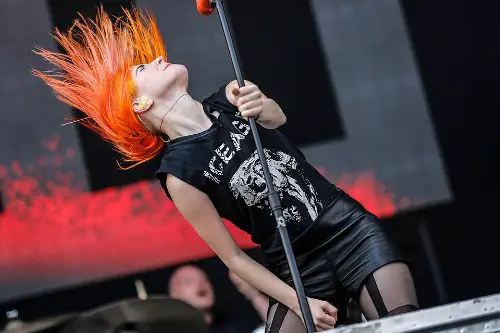
Paramore was often written off in the mid-2000s as a “girl-fronted emo band” with superficial lyrics. Critics underestimated Hayley Williams’ vocal talent and the band’s ability to craft anthems that blended punk energy with pop sensibility. Hits like “Misery Business” and “Decode” showcased a mix of raw emotion, catchy melodies, and rebellious spirit. Gen Z has revived interest in Paramore, celebrating them for their boldness, relatable lyrics, and influential role in the emo-pop scene.
Social media trends and nostalgic throwbacks have helped younger fans discover Paramore’s catalog. The band’s lyrical honesty about personal growth, relationships, and identity resonates with modern audiences. Once dismissed as formulaic, Paramore is now praised for its dynamic sound and enduring influence. Their music balances teenage angst with empowering storytelling, making them perfectly relevant today.
9. The Killers
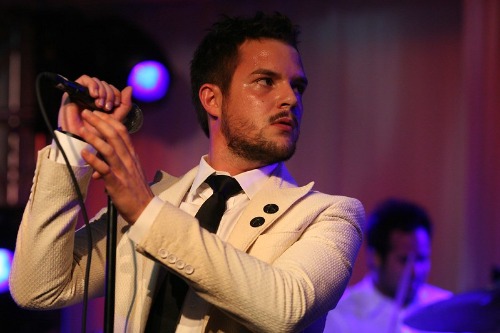
The Killers were initially polarizing, with some critics claiming their synth-infused rock was too polished and commercial. Their 2004 debut, Hot Fuss, faced skepticism from indie purists who thought the band was overly theatrical. Yet hits like “Mr. Brightside” became anthems for nightclubs, parties, and late-night drives, connecting with audiences in ways critics didn’t anticipate. Gen Z has embraced The Killers, finding joy in the timeless melodies and the emotional highs of Brandon Flowers’ lyrics.
TikTok has been crucial in reviving interest in their music, with countless videos using “Mr. Brightside” as a soundtrack for nostalgic or dramatic clips. Younger listeners appreciate the catchy hooks and storytelling, realizing the songs capture a feeling rather than just a trend. What was once dismissed as “arena rock” now feels iconic and emotionally resonant. The Killers’ mix of energy, drama, and melody has secured them a second wave of fans.
10. Evanescence
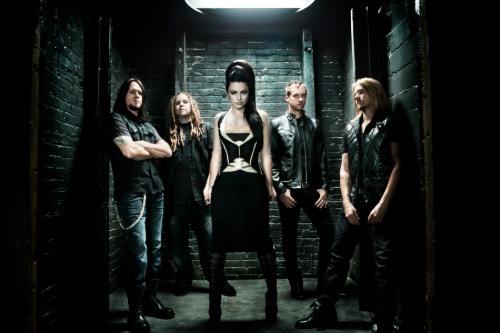
Evanescence faced major backlash in the early 2000s for their gothic image and Amy Lee’s operatic vocals. Critics often labeled them as over-the-top and overly dramatic, with their piano-driven nu-metal seen as a gimmick. Despite this, their debut Fallen resonated deeply, particularly with young audiences navigating angst, identity, and heartbreak. Gen Z has rediscovered Evanescence, celebrating the haunting vocals, heavy riffs, and raw emotional intensity that made the band stand out.
Streaming platforms and social media have amplified this resurgence, with fans sharing clips of “Bring Me to Life” and “My Immortal.” Younger audiences appreciate the cinematic quality and empowerment in the music, beyond the early stigma. What was once criticized as melodramatic is now embraced as darkly beautiful and cathartic. Evanescence has transitioned from misunderstood to iconic in the eyes of a new generation.
11. Staind
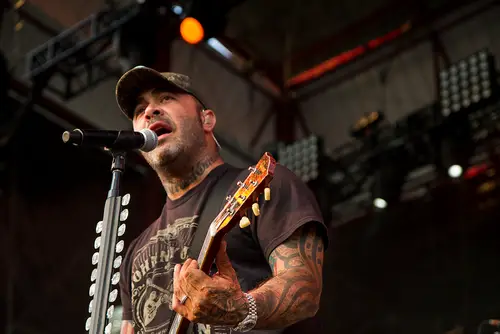
Staind was frequently criticized for their dark, brooding sound, which some listeners dismissed as depressing or monotonous. Tracks like “It’s Been Awhile” became emblematic of early 2000s post-grunge angst, but critics often mocked the emotional weight as overdone. Yet their raw lyrics and melancholic melodies struck a chord with fans, offering a kind of emotional honesty rarely seen on mainstream radio. Gen Z has started to embrace Staind, finding their introspective themes and heavy riffs relatable even today.
TikTok and streaming have fueled a nostalgia-driven revival, as younger listeners explore early 2000s rock catalogues. Songs that were once criticized for being overly bleak now resonate as authentic expressions of emotional struggle. Staind’s ability to articulate personal pain has found a receptive audience in Gen Z, who value sincerity in music. What was once maligned as “brooding” is now celebrated for depth and relatability.
12. Papa Roach
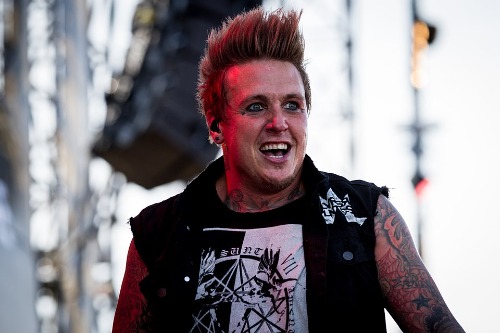
Papa Roach faced criticism for their nu-metal style and teenage-angst-heavy lyrics during the early 2000s. Hits like “Last Resort” were mocked for their raw aggression and perceived melodrama, often labeled as formulaic or juvenile. Despite that, the songs captured real emotions about mental health, isolation, and rebellion, connecting with listeners in a very immediate way. Gen Z has revisited Papa Roach, finding the raw energy and emotional honesty unexpectedly relatable in today’s social media-driven era.
Streaming platforms and TikTok trends have played a big role in their resurgence, exposing younger audiences to tracks once dismissed as overblown. Listeners now appreciate the intense energy and cathartic release the band provides. What was once seen as aggressive noise is now viewed as a valid outlet for expressing frustration and resilience. Papa Roach has transitioned from controversial nu-metal act to nostalgic, emotionally resonant favorite.
13. Audioslave

Audioslave initially faced criticism for being a “supergroup” that could never live up to its individual members’ legacies, combining Soundgarden’s Chris Cornell with Rage Against the Machine’s instrumentalists. Critics worried the mix would feel forced, and early reactions were skeptical. Yet the band produced powerful rock anthems like “Cochise” and “Like a Stone,” blending Cornell’s soulful voice with hard-hitting riffs. Gen Z has discovered Audioslave, appreciating the timeless quality of their music and the way it balances intensity with melody.
Streaming and social media have helped younger listeners explore the band’s catalog, highlighting the enduring strength of Chris Cornell’s vocals and the group’s musicianship. Songs once dismissed as derivative now feel fresh, energetic, and emotionally resonant. Audioslave is now celebrated for its ability to merge talent into something unique and powerful. What was once met with skepticism has become an enduring part of American rock history for Gen Z fans.
14. Weezer
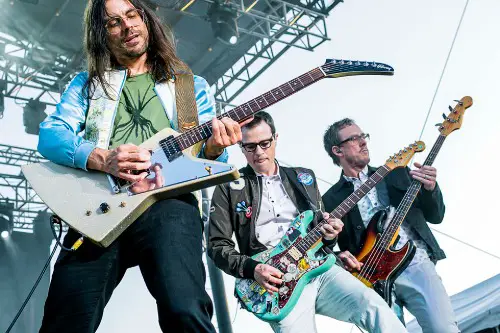
Weezer was once mocked for being too nerdy and inconsistent, bouncing between irony and sincerity in a way critics found confusing. After their early hits, many accused them of losing artistic direction and pandering to mainstream audiences. Their awkward charm and unapologetically emotional lyrics didn’t fit neatly into rock’s cool image. Yet, Gen Z has come to embrace that very awkwardness as part of their appeal, celebrating them as pioneers of sincere, offbeat rock.
Social media has helped younger fans rediscover Weezer’s mix of humor and melancholy, from “Buddy Holly” to “Island in the Sun.” What was once seen as cringe-worthy now feels disarmingly real. Their willingness to blend geek culture with genuine emotion resonates with listeners raised in an ironic internet age. Weezer has evolved from misunderstood misfits to Gen Z’s model of unfiltered authenticity.
15. Panic! At The Disco
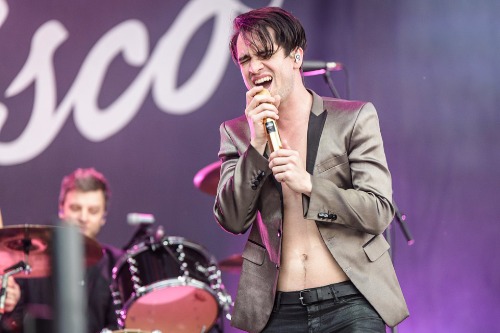
When Panic! At The Disco burst onto the scene, critics called them overly theatrical and derivative of other emo-pop acts. Their elaborate costumes, verbose lyrics, and showy production drew sneers from those who preferred stripped-down rock. Yet beneath the glitz, their music captured youthful chaos and creative experimentation in a way few bands dared. Now, Gen Z sees their dramatics not as excess, but as fearless self-expression.
TikTok and nostalgia playlists have given new life to hits like “I Write Sins Not Tragedies.” Younger audiences appreciate the campy, maximalist flair that once alienated critics. In an era where individuality and performance art are celebrated, Panic! At The Disco’s style feels ahead of its time. What was once seen as too theatrical is now recognized as visionary pop-rock with emotional punch.
16. Imagine Dragons

Imagine Dragons became one of the most polarizing rock bands of the 2010s, accused of being too commercial and emotionally shallow. Their radio-friendly sound and cinematic production drew heavy criticism from purists who dismissed them as formulaic. Despite this, songs like “Demons” and “Radioactive” struck a chord with fans craving powerful, anthemic rock. Gen Z has started to reclaim the band’s catalog, appreciating the emotional sincerity and energy behind their biggest hits.
TikTok trends and nostalgic playlists have reframed their songs as cathartic rather than corporate. Younger listeners connect with the band’s themes of struggle, identity, and perseverance. The dramatic flair and bombastic choruses that once drew scorn now resonate as bold and unapologetic. Imagine Dragons has transformed from “overplayed” to “underrated” in the eyes of a generation that loves emotional intensity.
17. The Smashing Pumpkins
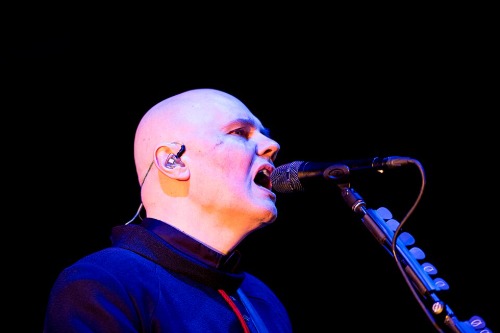
In the 1990s, The Smashing Pumpkins were seen as self-indulgent, with Billy Corgan’s dramatic vocals and sprawling double albums dividing critics. Their blend of heavy guitars, poetic lyrics, and emotional introspection felt overwrought to some listeners. As grunge purists dismissed them as pretentious, the band’s complexity was often misunderstood. Today, Gen Z has rediscovered their music as a rich tapestry of emotion, ambition, and artistry.
Through social media, fans share deep cuts and vintage performances that highlight their influence on alternative rock. Younger listeners are drawn to the sincerity in songs like “1979” and “Tonight, Tonight.” What was once called excessive is now appreciated as visionary and deeply emotional. The Smashing Pumpkins’ grandiose style fits perfectly into Gen Z’s love for vulnerability and aesthetic depth.
18. Blink-182
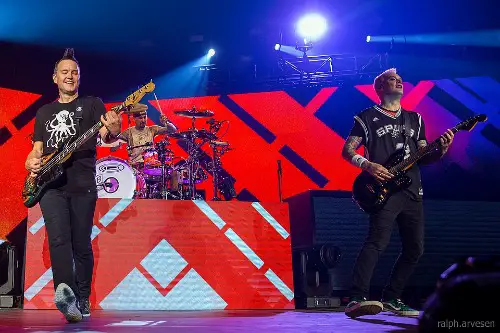
Blink-182 was often written off as immature and juvenile, with critics mocking their toilet humor and simple melodies. Their songs about adolescence and rebellion were seen as lacking depth compared to more “serious” rock acts. Yet, their honesty and energy captured something timeless about growing up and not fitting in. Gen Z now sees Blink-182 as the soundtrack of awkward youth and carefree defiance.
TikTok and nostalgia culture have fueled their revival, with tracks like “All The Small Things” and “I Miss You” returning to playlists. Younger fans appreciate the blend of humor and vulnerability in their music. The band’s unapologetic goofiness feels refreshingly genuine in a world that often takes itself too seriously. Blink-182’s legacy as emotional pranksters has finally been embraced for its honesty and fun.
19. The Offspring

The Offspring were criticized in their heyday for being too commercial and too polished compared to other punk bands. Their catchy hooks and tongue-in-cheek lyrics led purists to call them sellouts. However, songs like “The Kids Aren’t Alright” and “Self Esteem” carried an undercurrent of social commentary and raw emotion. Gen Z has rediscovered them as a band that balanced humor with genuine angst.
Online, their songs have become anthems for rebellion and nostalgia, showing that punk can have both grit and melody. Younger fans value their straightforward messages about self-doubt and resilience. The band’s irreverent energy now feels like a refreshing contrast to today’s polished pop. What was once seen as watered-down punk is now celebrated as authentic, rebellious fun.
20. Foo Fighters
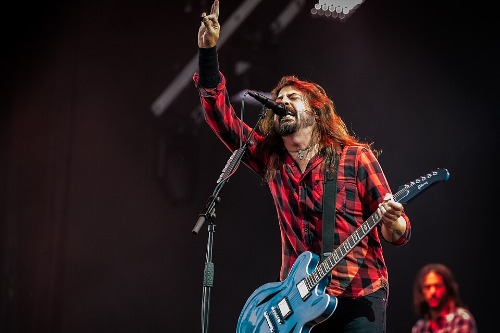
Despite their undeniable success, Foo Fighters once faced criticism for being “too safe” or formulaic compared to the edgier alternative acts of their time. Some dismissed them as a continuation of grunge without the grit, viewing Dave Grohl’s optimism as too polished for true rock rebellion. Yet their longevity and dedication to honest, emotional songwriting have earned them a lasting legacy. Gen Z has rediscovered Foo Fighters as masters of sincerity and timeless musicianship.
Concert footage, viral clips, and heartfelt tributes have exposed a new generation to the band’s power and authenticity. Songs like “Everlong” and “The Pretender” resonate deeply with young listeners craving raw emotion in an age of irony. Foo Fighters’ resilience and genuine love for music have redefined what “cool” means in rock. What was once seen as mainstream safety now feels like pure, enduring passion.
This post 20 American Rock Bands That Were Hated Until Gen Z Decided They’re Cool Again was first published on American Charm.

