
1. TikTok Pasta
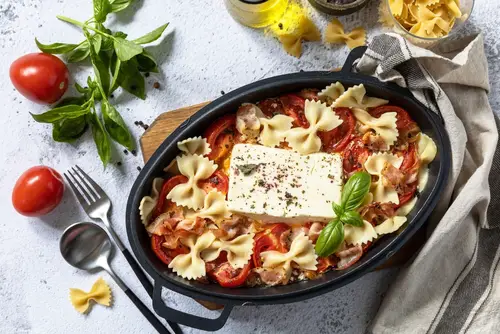
In 2021, a simple baked feta pasta took over the internet. Grocery stores even reported feta shortages as people recreated the dish at home. It was easy, photogenic, and surprisingly delicious—exactly the trifecta for a viral recipe. Americans love a trend they can actually pull off in their own kitchens.
The feta pasta craze symbolized a shift in how trends spread. One viral post could spark a nationwide dinner movement overnight. It wasn’t about fine dining—it was about participation. Everyone wanted to say they tried it, even just once.
2. Pickle-Flavored Everything
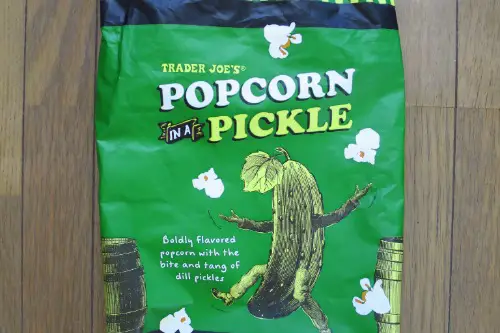
Pickles stopped being a sidekick and became the main event. From pickle-flavored soda to pickle ranch dressing, the briny boom hit shelves everywhere. Major fast-food chains even tested fried pickle chips and pickle-topped burgers to satisfy the craving. It’s a bold, polarizing flavor—but that’s part of the fun.
Americans seem to love the challenge of eating something so tangy it makes their eyes water. The trend connects to nostalgia for classic deli flavors while pushing boundaries with absurd new forms. TikTok taste tests and “pickle challenge” videos only fueled the hype. It’s proof that if you pickle it, people will try it—at least once.
3. Spicy Honey
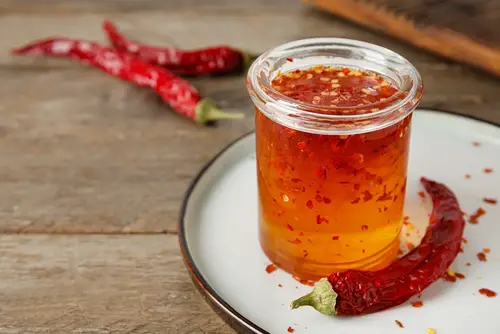
What started as a drizzle over pizza in Brooklyn became a nationwide pantry staple. Brands like Mike’s Hot Honey introduced the sweet-heat combo to the mainstream, and suddenly everyone was squeezing it on fried chicken, cheese, and even ice cream. The blend of sweetness and spice hits that addictive flavor balance Americans can’t resist. Plus, it feels just gourmet enough for a weeknight meal upgrade.
The success of spicy honey shows how Americans embrace mashups that balance comfort and novelty. It’s an easy way to add excitement without needing a new recipe. The trend also ties into a larger fascination with global heat—from Korean gochujang to chili crisp. It’s sweet, spicy, and perfectly Instagrammable.
4. Plant-Based Meat
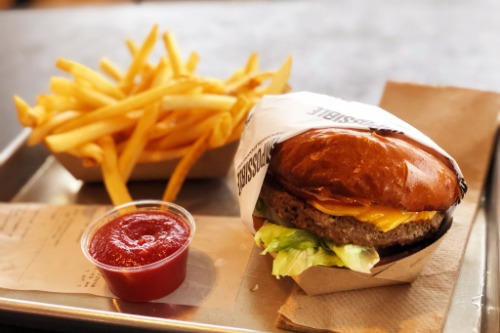
When the Impossible Burger and Beyond Meat hit fast-food menus, it marked a turning point for plant-based eating. Suddenly, vegetarians weren’t the only ones ordering meat alternatives. Even major chains like Burger King and KFC jumped on board. Americans wanted to see if fake meat could truly taste like the real deal.
The draw here is innovation as much as ethics. People are curious about technology’s role in the future of food—and whether it can help the planet without sacrificing taste. While some stuck with the classics, many discovered they didn’t mind swapping once in a while. The trend made “trying something new” feel like doing something good.
5. Coffee with Butter (a.k.a. Bulletproof Coffee)
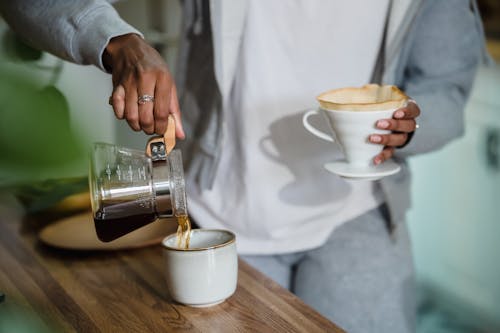
When fitness influencers started blending butter and oil into coffee, the internet had questions. Promoters claimed it boosted energy and supported focus during fasting, and millions of Americans decided to test it themselves. It’s rich, frothy, and—if you like creamy coffee—surprisingly pleasant. Still, it’s not everyone’s idea of breakfast.
Bulletproof coffee became a cultural flashpoint in the wellness world. It showed how far people would go to chase performance trends, even if it meant melting butter into espresso. It blurred the line between nutrition and experimentation. For some, it was a revelation; for others, it was a one-and-done curiosity.
6. Activated Charcoal
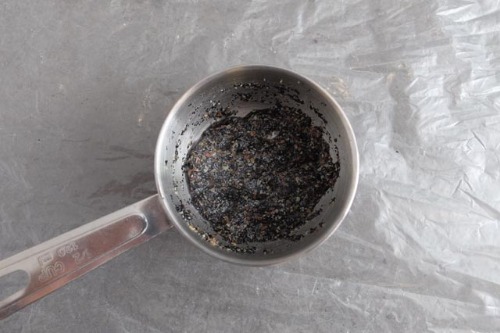
Suddenly, everything was black—from ice cream to lemonade. Activated charcoal, once used for detox treatments, became a trendy ingredient promising to “cleanse” the body. Aesthetically, it looked cool and mysterious—perfect for social media feeds. But health experts were quick to point out that its detox claims were overblown.
Still, the novelty was irresistible. Americans love food that doubles as conversation starters, and pitch-black cones fit the bill. It was equal parts science experiment and fashion statement. Even if the health claims fizzled, the photos lived on.
7. Avocado Toast
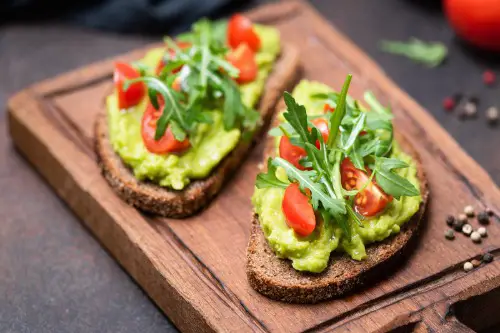
It’s hard to believe avocado toast was once considered edgy. Around 2015, it became the symbol of millennial brunch culture—simple, photogenic, and endlessly customizable. Cafés started charging double digits for it, sparking memes about why young people couldn’t afford houses. But the obsession was real, and it never fully went away.
Americans loved how avocado toast made healthy eating feel luxurious. It was a blank canvas for creativity: eggs, microgreens, chili flakes—whatever your vibe. It also reflected the rise of “functional food” culture, where every bite supposedly boosts wellness. For something so basic, it changed breakfast forever.
8. Unicorn Food
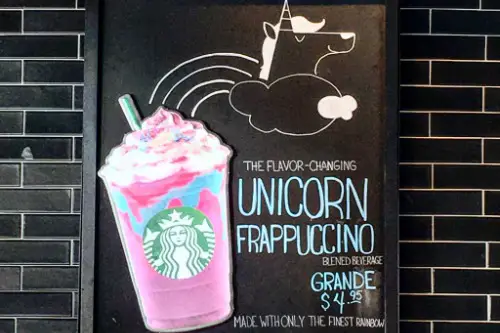
For a few glittery years, everything had to be rainbow-colored. Starbucks’ Unicorn Frappuccino and pastel bagels defined a sugary, aesthetic moment. It was whimsical, chaotic, and arguably too sweet for human consumption. But it was fun—exactly what food trends often need to be.
Unicorn food embodied pure escapism. It was about visual joy and childhood nostalgia more than taste. Social media turned it into a pop culture event, and for a while, eating something that looked like a Lisa Frank folder felt downright magical. Americans proved they’ll try anything that looks like happiness in a cup.
9. Fermented Everything
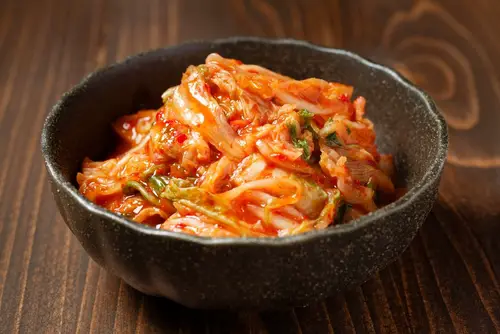
Kombucha, kimchi, kefir—fermented foods went from niche to mainstream almost overnight. Gut health became a buzzword, and suddenly everyone was chasing probiotics. These tangy, funky flavors were once considered too weird for American palates, but not anymore. Even soda brands started making “prebiotic tonics.”
This trend shows a growing curiosity about functional foods and ancient traditions. Americans are embracing global fermentation techniques that have been around for centuries. The appeal lies in both the flavor adventure and the promise of wellness. It’s science-meets-tradition—and it tastes surprisingly good.
10. Cauliflower Everything
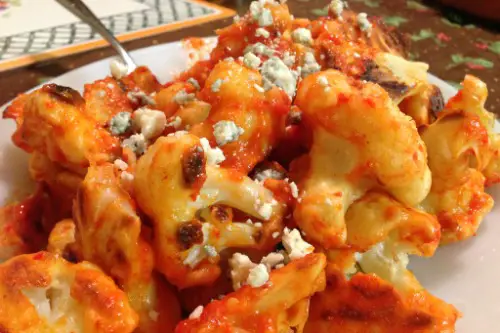
Cauliflower used to be the blandest vegetable in the crisper. Then came cauliflower pizza crust, rice, gnocchi, and even Buffalo “wings.” Americans adopted it as a low-carb hero, transforming it into almost anything. Its versatility made it a star in the health-conscious 2010s.
The craze highlights how much people love sneaky swaps that feel virtuous. Cauliflower offered a way to indulge while pretending you weren’t. It’s not always a perfect substitute, but it satisfied curiosity about how far a vegetable can go. Turns out, pretty far.
11. Cronuts
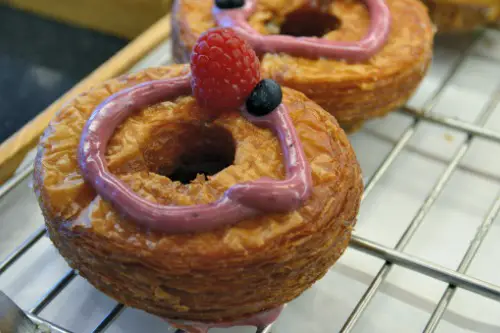
When the cronut debuted in New York City in 2013, people lined up for hours to get one. A hybrid of croissant and donut, it sparked a frenzy of copycats nationwide. The buttery, flaky, fried pastry was indulgence at its finest. It became the symbol of America’s hybrid-food obsession.
The cronut craze proved Americans love novelty, especially when it comes wrapped in sugar. It was exclusive, limited, and Instagram-famous—all the right ingredients for a modern fad. Even if few bakeries could replicate the original, everyone wanted a taste. It started a decade-long wave of mashup mania.
12. Edible Cookie Dough
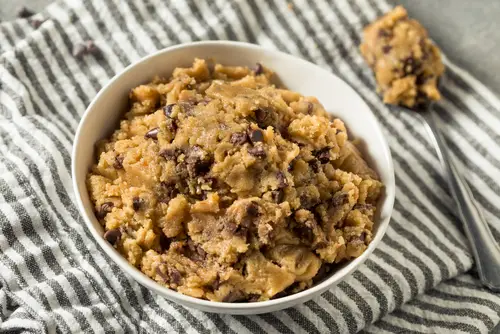
Everyone knew you weren’t supposed to eat raw dough—but that didn’t stop anyone. So when shops started selling pasteurized, egg-free versions, people flocked to them. Edible cookie dough parlors popped up across the country, serving scoops like ice cream. It was a nostalgia bomb in dessert form.
The trend tapped into childhood rebellion in the safest way possible. It was comfort food disguised as innovation. Americans love familiar flavors with a twist, and this hit that sweet spot. It may not be diet-friendly, but it’s definitely dopamine-friendly.
13. Butter Boards
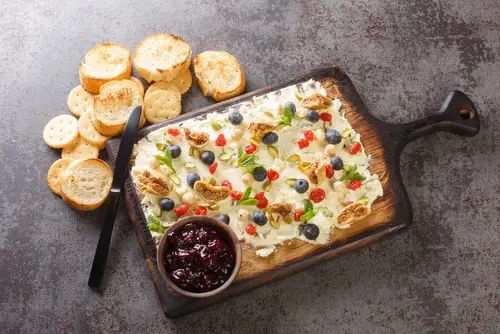
When butter boards blew up on TikTok in 2022, everyone suddenly decided that spreading butter on a cutting board was the height of culinary creativity. People topped softened butter with flaky salt, edible flowers, and drizzles of honey like it was an art installation. The appeal was part rustic charm, part social media theater—perfect for photos, if not necessarily for practicality. It was fun while it lasted, but most folks quietly went back to charcuterie once they realized the cleanup wasn’t worth it.
The butter board craze reflected how Americans love a trend that turns ordinary ingredients into shareable experiences. It didn’t matter that it was essentially bread and butter—presentation was everything. The idea showed how much “food as content” drives experimentation. Even now, you can find spin-offs like hummus or cream cheese boards popping up at brunches.
14. Cloud Bread
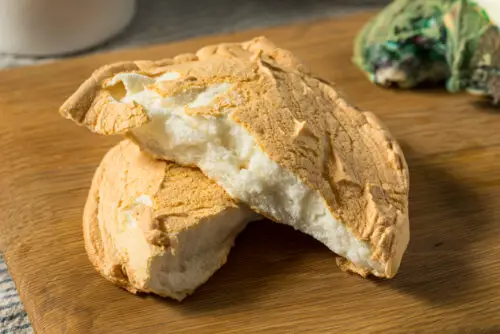
At the height of TikTok’s baking boom, cloud bread became the internet’s fluffiest obsession. Made from whipped egg whites, cornstarch, and sugar, it promised a low-carb dream that looked too good to be true. People dyed it pastel colors, shaped it like pillows, and tore it apart on camera for that satisfying reveal. The taste? Mildly sweet and eggy—but the visuals were what really mattered.
Cloud bread was less about flavor and more about fantasy. It reflected America’s appetite for edible art, where a food’s shareability mattered more than its substance. The recipe’s simplicity made it accessible, yet its look made it aspirational. It was proof that if it photographs well, Americans will bake it at least once.
15. Ranch Ice Cream
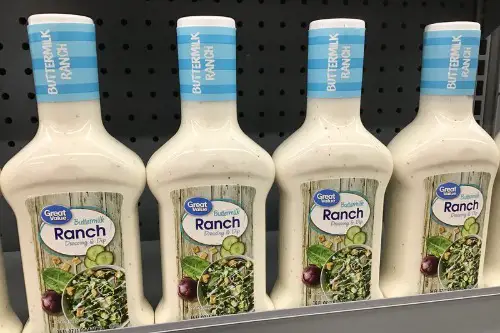
When a popular ice cream brand released a limited-edition Hidden Valley Ranch flavor, the internet collectively gagged—and then tried it anyway. The mix of creamy vanilla base and savory ranch seasoning was designed to shock as much as delight. Videos of people tasting it “for science” went viral, turning disgust into entertainment. It was culinary chaos in a pint.
Ranch ice cream showed how far Americans will go to test the limits of flavor combinations. It wasn’t about loving it—it was about surviving it. This wasn’t dessert; it was a dare disguised as a trend. And in true American fashion, everyone wanted bragging rights for trying the weirdest scoop on the shelf.
16. Pink Sauce
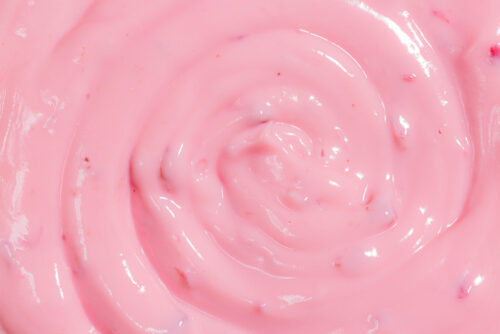
When a TikTok chef introduced “Pink Sauce” in 2022, it became an instant mystery. The bubblegum-colored condiment was marketed as a unique, homemade sauce for everything from wings to tacos. But questions about its safety, ingredients, and shipping didn’t stop people from ordering it. Curiosity overpowered caution, and pink-stained plates flooded social media.
The Pink Sauce saga revealed America’s obsession with viral exclusivity. It wasn’t sold in stores, so owning a bottle felt like belonging to an inside joke. The controversy only fueled demand, making it part scandal, part spectacle. Even after the FDA got involved, people still wanted to taste the forbidden trend.
17. Fried Water
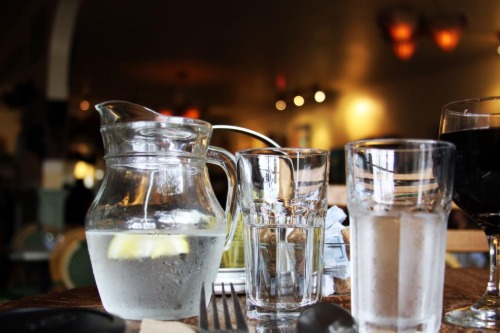
When someone figured out how to deep-fry water using chemistry tricks, the internet lost its mind. The “recipe” involved encapsulating water in a membrane made of calcium alginate and then dunking it into hot oil. The result was an edible liquid orb that defied logic more than it satisfied hunger. It was bizarre, risky, and utterly pointless—so naturally, Americans had to try it.
Fried water wasn’t about eating; it was about proving it could be done. It combined scientific curiosity with food stunt culture in the most impractical way. The trend highlighted how Americans turn experimentation into entertainment. No one was hungry for fried water—but everyone was thirsty for views.
18. Flamin’ Hot Everything
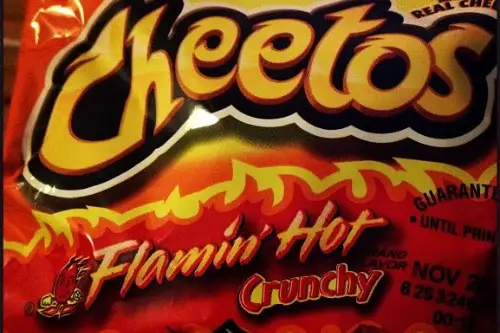
Once reserved for snack bags, Flamin’ Hot seasoning invaded every corner of the grocery aisle. From mac and cheese to Mountain Dew, the fiery dust turned into a national flavor obsession. Fans sought out anything labeled “Flamin’ Hot,” daring friends to handle the heat. It was the spice of chaos, bottled and branded for mass appeal.
The craze symbolized America’s love affair with extreme sensations. It wasn’t just about taste—it was about endurance, competition, and nostalgia for junk food glory days. Flamin’ Hot became a cultural badge of toughness wrapped in red powder. Even people who hated it still felt compelled to test their limits once.
19. Cereal Milk Lattes
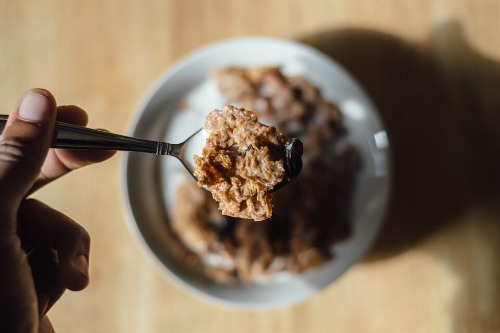
After Momofuku Milk Bar made cereal milk famous, coffee shops took the idea mainstream. Baristas began blending milk steeped with sugary breakfast cereal into lattes and iced drinks. The nostalgic sweetness hit the perfect balance of childhood comfort and adult indulgence. Suddenly, sipping a Fruity Pebbles latte before work didn’t seem so weird.
Cereal milk lattes show how Americans reinvent nostalgia through novelty. It’s breakfast and dessert in one pastel-hued cup—a dream for both millennials and Gen Z. The trend also speaks to how cafés have become laboratories for playful experimentation. Even if it’s more sugar than coffee, everyone wanted to taste the memory.
20. Pumpkin Spice Everything
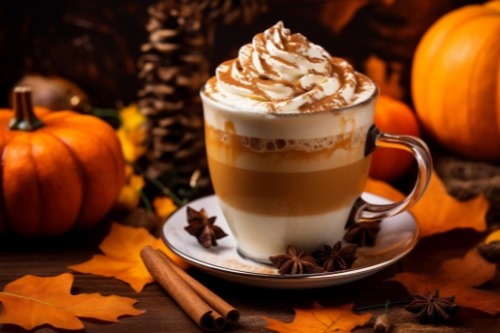
What started as a seasonal latte flavor turned into a cultural takeover. Pumpkin spice began popping up in everything—candles, hummus, protein powder, and even dog treats. Every fall, shelves turned orange as brands scrambled to release their own spiced creations. Love it or mock it, pumpkin spice became impossible to escape.
The trend endures because it taps into comfort and ritual. Americans crave familiarity wrapped in a seasonal trend that feels cozy and limited-edition. It’s not just about flavor—it’s about signaling that fall has arrived. And even those who swear they hate it often end up trying at least one pumpkin-spiced something before the season ends.
This post 20 Food Trends That Prove Americans Will Try Anything Once was first published on American Charm.

