
1. BlackBerry

Once the ultimate status symbol for business professionals, BlackBerry owned the smartphone market. But when Apple introduced the iPhone in 2007, BlackBerry dismissed it as a toy. They clung to their physical keyboards and secure email systems, ignoring the touchscreen revolution. Within a few years, their dominance evaporated.
BlackBerry’s pride in its security features blinded it to what consumers actually wanted — apps, cameras, and sleek design. By the time they tried to pivot, the market had moved on. Their refusal to innovate fast enough turned them from leader to laggard. Today, the brand barely exists, surviving mostly as a software company.
2. Blockbuster
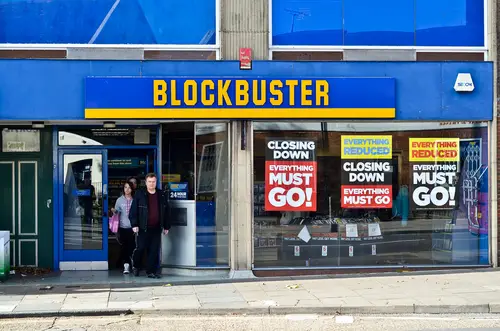
Once the king of Friday night entertainment, Blockbuster ruled the video rental world with thousands of stores across America. But when Netflix came knocking with a partnership offer in 2000, Blockbuster laughed it off. That arrogance cost them everything — Netflix’s mail-order DVDs and eventual streaming model left Blockbuster gasping for relevance. By 2010, they were bankrupt, a cautionary tale about ignoring technological shifts.
Blockbuster’s leadership believed people would always prefer the in-store experience, underestimating the convenience of online options. Their late fees and lack of innovation became symbols of corporate stubbornness. Ironically, Netflix was once the underdog they mocked. Now, only one nostalgic Blockbuster remains open in Bend, Oregon, serving as a museum of missed opportunities.
3. Sears

For much of the 20th century, Sears was America’s everything store — from tools to toys to entire houses sold through catalogs. But when e-commerce began reshaping retail, Sears dug in its heels. Leadership focused on cost-cutting instead of digital growth, letting Amazon and Walmart outpace them. By the late 2010s, the once-mighty retailer was closing hundreds of stores and filing for bankruptcy.
Sears had the infrastructure to become an online powerhouse before Amazon even existed. They had warehouses, distribution systems, and customer trust. But corporate pride and outdated thinking kept them tied to the mall era. Today, a handful of Sears stores remain — ghosts of a retail empire that couldn’t evolve.
4. Toys “R” Us
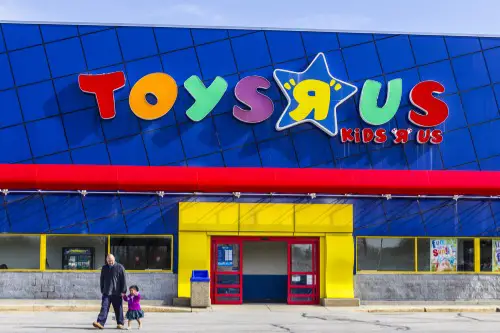
For decades, Toys “R” Us was every child’s dreamland, with Geoffrey the Giraffe and aisles of pure magic. But the company ignored the writing on the wall as kids and parents moved to online shopping. A massive debt load from a leveraged buyout made it impossible to modernize. By 2018, Toys “R” Us filed for bankruptcy, and its stores across the U.S. went dark.
Instead of adapting, leadership believed brand nostalgia would carry them through. They didn’t invest in e-commerce or marketing that appealed to a new generation. Meanwhile, Amazon and Target took their market share. By the time Toys “R” Us tried to reinvent itself, the magic was gone.
5. Borders

Borders once rivaled Barnes & Noble as America’s go-to bookstore chain. But while competitors built online platforms and embraced e-readers, Borders doubled down on physical retail. They even outsourced their online sales to Amazon — essentially handing customers to their future rival. By 2011, Borders was gone, leaving behind empty storefronts and regrets.
The company’s refusal to embrace digital trends like the Kindle sealed its fate. Management underestimated how quickly people would adopt e-books and online ordering. Their loyalty to brick-and-mortar stores became a financial anchor. In the end, Borders’ downfall was less about competition and more about a failure to read the future.
6. RadioShack

For decades, RadioShack was the place for every gadget lover and DIY tinkerer. But as technology evolved, the company failed to keep up with the digital age. Instead of adapting to smartphones and modern electronics, they kept focusing on components and parts most people no longer needed. Bankruptcy followed in 2015 and again in 2017, signaling the end of an era.
RadioShack’s pride came from its reputation as a tech pioneer — but that pride became denial. They ignored the rise of Apple Stores, Best Buy, and Amazon’s convenience. Their stores became cluttered, outdated, and confusing to shoppers. What could’ve been a digital hub became a relic of a bygone tech culture.
7. Pan Am

Pan American World Airways once represented luxury and innovation in the sky. They introduced jet travel, international routes, and even the idea of a global airline brand. But pride in their prestige kept them from adapting to deregulation and rising competition in the 1980s. The company’s costs ballooned while rivals undercut their prices.
Instead of restructuring or finding new revenue models, Pan Am clung to its glory days. Their expensive operations couldn’t survive in the new airline economy. By 1991, they were grounded for good. The iconic blue globe logo now serves as a nostalgic reminder of aviation’s lost golden age.
8. Circuit City
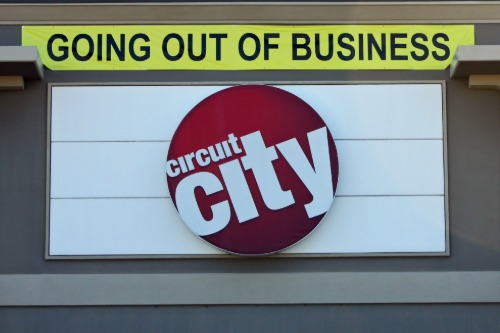
Before Best Buy dominated electronics retail, Circuit City was the place to go for TVs, computers, and gadgets. But arrogance led to bad decisions — like firing thousands of experienced salespeople to save money. They also underestimated how online shopping would change buying behavior. By 2009, the company was gone, leaving Best Buy and Amazon to take over.
Circuit City thought customers valued low prices more than knowledgeable service. They were wrong. The loss of trained staff hurt customer experience and sales plummeted. Their refusal to adapt quickly to e-commerce trends sealed their fate.
9. Tower Records
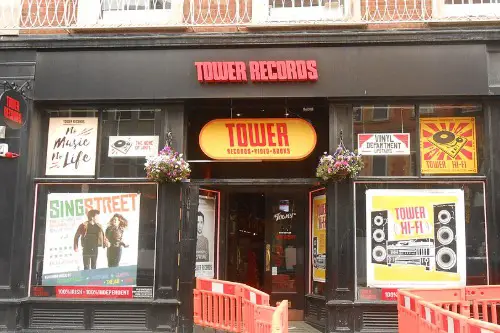
In the 1990s, Tower Records was more than a store — it was a cultural hangout for music lovers. But the company’s leadership dismissed digital downloads as a passing fad. When Napster, iTunes, and MP3 players revolutionized how people consumed music, Tower stayed stuck in the CD era. By 2006, it was over, and their bankruptcy symbolized the death of physical media retail.
Tower’s identity was tied to the physical experience — browsing, talking music, being part of a scene. They failed to see that music consumption had shifted from ownership to access. The internet didn’t just change how people bought music — it changed their relationship with it. Tower Records couldn’t let go of what it once was, and it cost them everything.
10. MySpace

Before Facebook took over, MySpace was the ruler of social networking. But success made them complacent and unwilling to fix their messy user experience. They focused on advertising revenue instead of improving speed, design, or privacy. By the time Facebook arrived with a cleaner interface, users fled in droves.
MySpace’s leadership underestimated how quickly user tastes could change. They believed their massive user base was too big to fail. But arrogance and clutter turned the site into a chaotic relic. By the early 2010s, MySpace was more punchline than platform.
11. Kodak
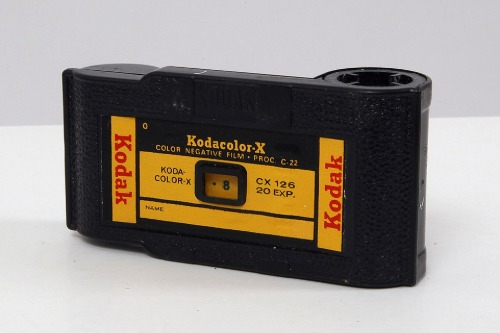
Kodak was synonymous with photography — so much so that “Kodak moment” became part of everyday language. But the company that practically invented the digital camera refused to embrace it, fearing it would kill their film business. Instead of leading the digital revolution, they watched competitors like Canon and Sony take over. By 2012, Kodak filed for bankruptcy protection, decades after first creating the very technology that could’ve saved them.
Their pride in film made them blind to shifting consumer habits. Management believed the public would always prefer traditional photos over digital images. But as phones got smarter and cameras went digital, Kodak’s dominance evaporated. It’s one of the most painful examples of a company being undone by its own innovation.
12. Nokia
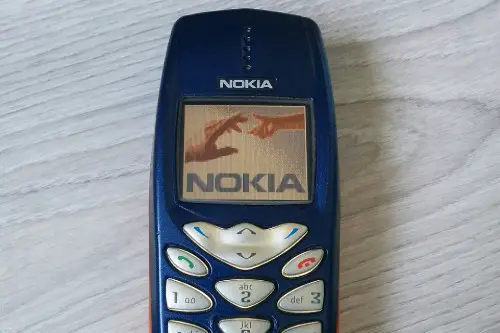
Nokia once made nearly half the world’s cell phones. But when smartphones emerged, the company refused to adapt quickly to touchscreens and modern operating systems. They clung to their old software, Symbian, while Apple and Android raced ahead. By 2013, Nokia’s mobile business was sold to Microsoft in a desperate bid to stay relevant.
The Finnish giant’s downfall wasn’t due to lack of resources — it was pride. They thought hardware quality alone could sustain them. But consumers wanted ecosystems, not just devices. Nokia’s story remains one of the clearest examples of how ignoring change can erase even the biggest names.
13. Yahoo

In the early days of the internet, Yahoo was the homepage for millions of users around the world. It led in search, news, email, and digital advertising — a true tech titan. But as Google revolutionized search and algorithms, Yahoo stuck to its cluttered design and fragmented services. They believed their brand power alone would keep users loyal.
Leadership grew distracted by media ventures and frequent CEO changes instead of focusing on innovation. They missed multiple chances to buy Google and Facebook when both were small. Pride and indecision cost them dominance in nearly every space they once owned. By the time Verizon acquired Yahoo in 2017, its glory had long faded into nostalgia.
14. Polaroid
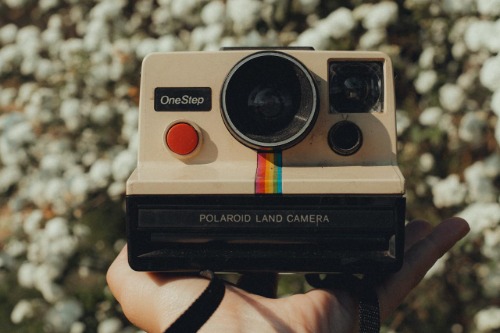
Polaroid was once synonymous with instant gratification — snap, wait, and watch the picture appear before your eyes. But when digital cameras emerged, the company refused to pivot. Executives believed consumers would always crave physical prints over digital convenience. Their attachment to film blinded them to a new generation’s shifting habits.
Instead of embracing digital imaging, Polaroid clung to nostalgia and chemistry-based innovation. Competitors raced ahead with digital formats and portable devices. Bankruptcy hit in 2001, and again in 2008, after years of denial and missteps. Today, Polaroid exists mostly as a retro novelty rather than a trailblazer in photography.
15. Palm

Palm pioneered personal digital assistants and early smartphones that professionals swore by. Their PalmPilot and Treo devices were considered cutting-edge before the iPhone era. But when touchscreens and app stores arrived, Palm stayed loyal to styluses and dated software. Their overconfidence in past success became their undoing.
The company’s attempt to reinvent itself with webOS came too late to matter. Apple and Android had already defined the future of mobile computing. Palm underestimated how quickly the market could shift under its feet. By 2010, it was absorbed by HP and soon disappeared from public view entirely.
16. Toys.com

In the early days of online shopping, Toys.com had a chance to compete directly with big e-commerce players. The brand launched with optimism, believing it could modernize toy buying for the digital age. But rather than innovate, management relied on traditional marketing and outdated web design. Their inability to scale or adapt made them irrelevant fast.
When Amazon and eBay began dominating online retail, Toys.com couldn’t keep up technologically or financially. Their pride in being a “specialty” retailer made them slow to automate or diversify. The site folded into obscurity, leaving customers to shop elsewhere. It was a digital-era casualty of misplaced confidence and missed opportunity.
17. Compaq
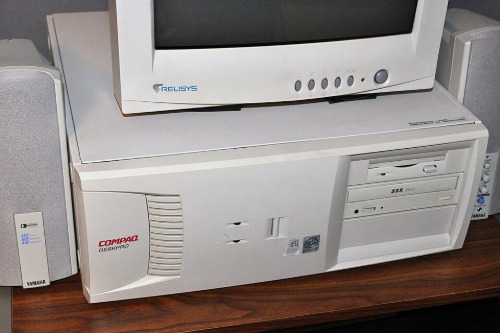
In the 1980s and 1990s, Compaq was one of the biggest names in personal computing. Their high-quality PCs were a status symbol in offices across America. But as the market shifted toward affordability and innovation, Compaq grew complacent. They focused on preserving legacy systems instead of competing with leaner rivals like Dell.
Compaq’s leadership believed their brand reputation would protect them from market disruption. Instead, their bureaucracy slowed every major decision. HP’s acquisition in 2002 was meant to revive the brand, but it only diluted both companies’ identities. Compaq eventually vanished — another giant that fell victim to its own pride.
18. Toys “R” Us Kids World (Spin-Off Concept)
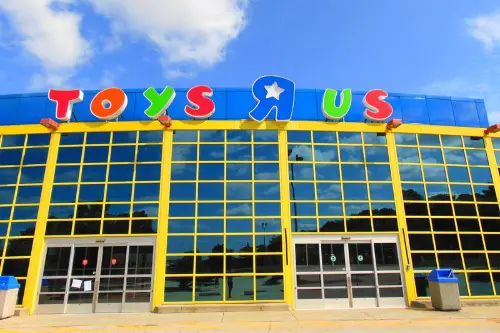
In a last-ditch effort to modernize, Toys “R” Us once tried launching a spin-off called Kids World. It was designed as a family-friendly megastore with experiences rather than just toys. But the company ignored the same e-commerce realities that doomed its parent brand. The stores were big, expensive, and poorly timed for a changing retail climate.
Executives refused to learn from the mistakes that had already sunk them. They assumed bigger stores and nostalgia would win customers back. Instead, the experiment accelerated their decline and wasted millions. By the time the project was canceled, the dream of rebuilding the empire was long gone.
19. American Apparel

American Apparel rose to fame on its edgy ads, simple designs, and “Made in USA” ethics. But behind the confidence was a company too proud to change its identity or leadership culture. When fast fashion competitors like H&M and Zara redefined the industry, American Apparel refused to adjust pricing or production. Their belief that customers would always value authenticity over affordability was misplaced.
Internal scandals and mounting debt worsened their decline. Even after bankruptcy, the brand tried to stage comebacks without altering its outdated model. They clung to the past instead of facing a globalized, online future. Today, American Apparel exists as a shadow of its former self, remembered more for controversy than clothing.
This post 19 American Companies That Were Too Proud to Change — and Disappeared was first published on American Charm.