1. Small Talk With Strangers
Americans are famous for making small talk in everyday settings, whether it’s at the grocery store checkout or waiting in line for coffee. It’s not just idle chatter—it’s a subtle way of building trust and making spaces feel friendlier. Many people from other cultures notice how quickly Americans jump into casual conversations. This habit helps maintain a sense of community in places where people might otherwise feel isolated.
The reason this persists is because it’s woven into American notions of friendliness and openness. Even if the conversation is fleeting, it helps smooth over social interactions and keeps things polite. This practice reinforces the idea that strangers don’t have to be cold or threatening. In a country as big and diverse as the U.S., small talk acts like social glue.
2. Tipping Culture
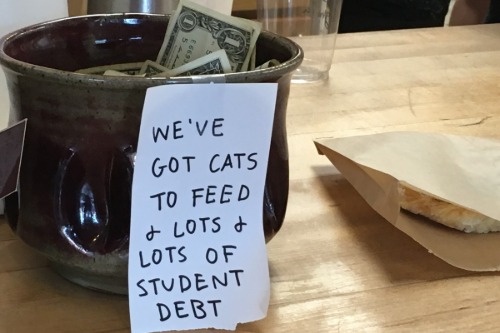
Tipping has become second nature in America, even though it started as a controversial practice in the late 1800s. Today, Americans tip at restaurants, for haircuts, and even on digital kiosks. While many outsiders find it confusing or frustrating, tipping is a way Americans reinforce the idea of rewarding good service. It has stuck around because it directly links appreciation with action.
For workers, tips can make up a major portion of their income, especially in industries like food service. This means the culture isn’t just about generosity—it’s about survival for many. Because of this, people rarely question whether tipping should exist; instead, they argue about how much is enough. That ongoing debate itself proves how deeply tipping is embedded in daily life.
3. Drive-Through Everything
From coffee to pharmacies, the drive-through is an American hallmark. The idea was born out of car culture in the mid-20th century, when owning a vehicle symbolized freedom. Over time, the drive-through became about efficiency, letting people grab essentials without leaving their car. It’s not just convenience; it reflects America’s fast-paced lifestyle.
Even as delivery apps take over, the drive-through remains popular, especially in suburban and rural areas. Parents with kids, people with tight schedules, and workers on the go all rely on it. This habit reinforces the country’s love of speed and independence. It also shows how cars remain at the center of American daily life.
4. Ice in Every Drink

Americans love their drinks cold, often with more ice than liquid. While visitors from other countries find it excessive, it’s a deeply ingrained expectation in restaurants. The habit traces back to the widespread availability of refrigeration in the 20th century. Cold drinks became a symbol of modern living and abundance.
This preference continues because it signals freshness and luxury. Serving a glass without ice can even feel like a mistake to many Americans. The clinking sound of ice also creates a sensory association with refreshment. That simple ritual keeps the habit alive at every level of dining.
5. Celebrating Individual Achievements
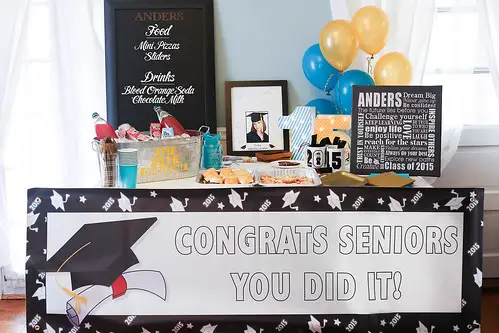
In schools and workplaces, Americans regularly spotlight personal accomplishments with awards, certificates, or recognition ceremonies. The idea reflects the country’s emphasis on individualism and personal responsibility. Even when a team succeeds, someone is usually singled out for leadership or innovation. These little habits of recognition reinforce the larger cultural value of self-made success.
This also explains why many American parents put bumper stickers like “My child is an honor student” on their cars. It’s not just bragging; it’s culturally acceptable to celebrate personal wins publicly. By normalizing these moments, society encourages ambition and personal growth. That cycle keeps the individualist spirit alive across generations.
6. Free Refills
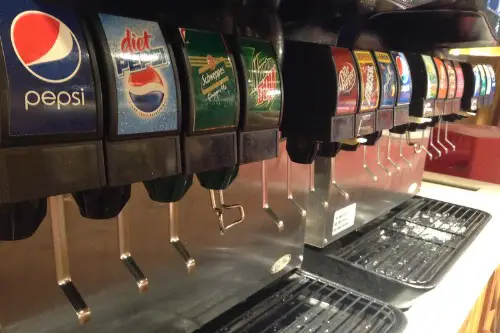
Walk into an American diner, and you’ll often find bottomless coffee or soda. This practice developed as a way to attract and keep customers happy. Offering unlimited drinks feels generous, but it also encourages people to linger longer and maybe order more food. It became a defining feature of casual dining.
Free refills persist because they’ve become an expectation, not just a perk. People often feel cheated if a restaurant doesn’t offer them. This habit highlights how abundance plays into the American experience of hospitality. It’s not just about the drink—it’s about feeling taken care of.
7. Large Portions

Portion sizes in America tend to be much bigger than in most other countries. This habit grew out of agricultural abundance and the marketing of “value for money” in the 20th century. Restaurants realized that offering more food for a slightly higher price made customers feel like they were getting a deal. Over time, this became the norm rather than the exception.
Big portions aren’t just about overeating—they also reflect generosity and wealth. In many households, serving large amounts is seen as a way of showing care for family or guests. That mentality has bled into restaurant culture and advertising. The “supersize” era may have faded, but large servings are still everywhere.
8. Sports as a Social Calendar
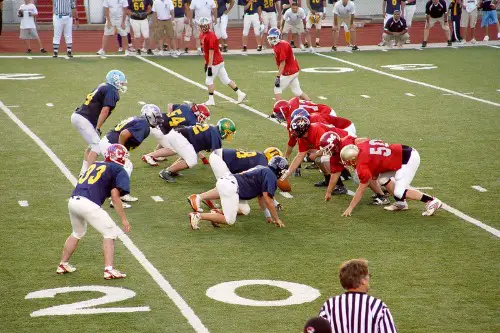
For many Americans, the calendar revolves around sports seasons. Football in the fall, basketball in the winter, baseball in the spring—it creates a cultural rhythm. Sporting events aren’t just about the games themselves; they’re about gatherings, rituals, and shared identity. This habit cements bonds between friends, families, and even entire towns.
Even non-fans participate through Super Bowl parties or March Madness brackets. These events provide built-in excuses for socializing and celebrating. Sports also serve as neutral ground for conversation in diverse groups. That consistency gives sports a central role in American cultural life.
9. Holiday Decorations

From Halloween inflatables to elaborate Christmas light displays, Americans decorate in ways that often surprise visitors. This habit reflects a mix of creativity, community spirit, and commercial influence. The act of decorating transforms ordinary homes into festive landmarks. Neighbors even compete in friendly (or not-so-friendly) ways over who can do it best.
The reason this tradition endures is that it brings joy and visibility to shared cultural moments. Children especially anchor the habit, since the decorations make holidays feel magical. Retail marketing has also expanded it to include Valentine’s Day, Easter, and even minor events. Decorating isn’t just fun—it’s a marker of participation in cultural rituals.
10. Personal Space Boundaries

Americans generally value having a clear physical buffer around themselves. This habit shows up in how people stand in line, where they sit on public transport, and even how houses are designed with yards. The practice reflects cultural ideas about privacy and independence. It also highlights an underlying respect for personal freedom.
Other cultures sometimes interpret this as standoffishness, but in the U.S. it signals politeness. Giving someone “space” is a way of showing courtesy. This habit has persisted because it aligns with broader social values of autonomy. It shapes everything from urban planning to casual interactions.
11. Fast Food as a Family Outing
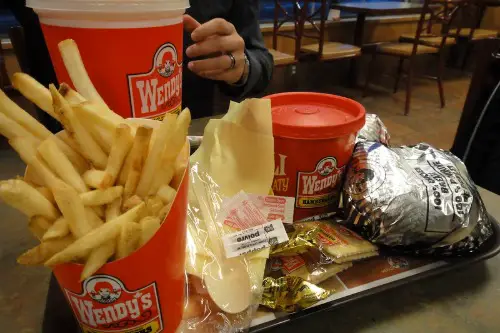
Going to fast food restaurants isn’t just about convenience—it’s a cultural ritual. Families often treat it as a reward after a game, a quick break on road trips, or even a low-cost bonding activity. Chains like McDonald’s and Burger King turned dining into an event with playgrounds and toys. That made the habit more about togetherness than just eating.
Even as health trends push against it, the tradition remains. The predictability of fast food provides comfort, especially for kids. It’s also one of the few dining experiences accessible to almost everyone. This shared accessibility ensures fast food continues to play a cultural role beyond the meal itself.
12. Saying “How Are You?” Without Expecting an Answer
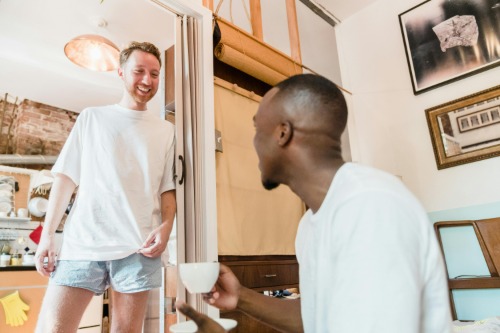
In American English, “How are you?” isn’t always a real question. It’s a ritual greeting that smooths over social interactions. People usually respond with “Good” or “Fine,” regardless of how they actually feel. This habit is less about honesty and more about courtesy.
The practice survives because it helps manage quick exchanges without awkwardness. It sets a positive tone and keeps interactions moving. Even though people rarely go into detail, the phrase acts like a social lubricant. It’s a small but powerful way Americans reinforce politeness daily.
13. Work as Identity

When Americans meet, one of the first questions they ask is, “What do you do?” This habit reflects how strongly work is tied to identity in the U.S. It stems from the cultural value placed on productivity and ambition. Careers are seen as extensions of personal character.
This habit has survived because it provides an easy way to categorize and connect with others. Knowing someone’s profession often shapes how they’re perceived socially. It also reflects the cultural idea that people are defined by what they contribute. That link between job and identity remains a cornerstone of American culture.
This post 13 Ways American Culture Survives Through Habits Nobody Discusses was first published on American Charm.