
1. Minimum Age for Buying Spray Paint Exists

Most Americans associate age limits with alcohol or cigarettes, not hardware store supplies. But in many states and cities, there are age restrictions on buying spray paint. The idea is to reduce graffiti and vandalism by keeping it out of minors’ hands. Some places even restrict large marker sales for the same reason.
Because this isn’t a nationwide rule, people assume it doesn’t exist. Teens may try to buy spray paint and be surprised when they get carded. The law isn’t top of mind, so most Americans overlook it entirely. It’s another example of an everyday regulation hiding in plain sight.
2. Drinking in Public Can Be a Crime

Americans often see people sipping from a beer can at a park or beach without giving it a second thought. But in most U.S. states and cities, “open container” laws make it illegal to drink alcohol in public spaces. Enforcement varies wildly—New Orleans, for example, allows it in certain areas, but New York City does not. So what feels normal in one city could get you fined in another.
Because these rules aren’t uniform, people assume drinking in public is always fine or always banned. In truth, the law is more patchwork than that. Some towns even have dry zones where alcohol possession is restricted. Many Americans don’t realize they might be breaking the law just by holding a beer outdoors.
3. Tinted Windows Can Get You Pulled Over

Car window tinting is popular for style and privacy, but most states have laws on how dark your tint can be. The rules can even differ between front, side, and rear windows. A legal tint in Florida might be illegal in Massachusetts, even if it looks the same to the driver. This inconsistency makes it easy to ignore or forget about the actual regulations.
Many drivers install aftermarket tints without checking local limits. Police officers can and do issue citations if your tint is too dark. Yet plenty of people never think about it until they get pulled over. It’s one of those everyday details that most Americans overlook about driving laws.
4. Collecting Rainwater Isn’t Always Legal

To most people, saving rainwater in a barrel feels like a harmless, eco-friendly choice. But in some U.S. states, water rights laws restrict or regulate it. The idea is that rainwater contributes to rivers and reservoirs, and diverting it could affect downstream users. Colorado, for example, long had tight restrictions before relaxing them in recent years.
Americans rarely stop to think that something as simple as catching rain might be regulated. They see it as a “free resource” and assume there can’t be laws around it. But water rights are a huge legal issue in western states, where scarcity is a problem. That makes rain barrels less innocent than they seem in some places.
5. Sharing Prescription Drugs Is Illegal

Lots of people casually share leftover antibiotics or painkillers with friends or family. But under federal law, giving someone prescription medication without a doctor’s approval is illegal. It’s treated as drug distribution, even if you meant well. This applies to everything from Xanax to antibiotics.
The reason is safety—dosages and side effects vary from person to person. A doctor prescribes medication with a specific patient in mind. Yet many Americans overlook the fact that swapping pills could carry serious legal consequences. It feels like a helpful gesture but is technically against the law.
6. Driving Barefoot Isn’t Illegal
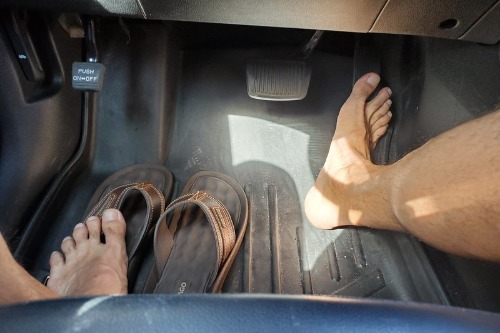
Plenty of Americans believe driving without shoes is illegal. In reality, no U.S. state has a law banning barefoot driving. It might not be recommended for safety reasons, but you won’t get fined for it. This is one of those widespread myths that people accept without questioning.
The confusion likely comes from driver’s ed or parental advice. Many parents tell their kids to keep shoes on for “legal reasons,” which sticks in people’s heads. The truth is, you could legally drive barefoot in all 50 states. Americans ignore the fact that this law simply doesn’t exist.
7. Filming the Police Is Legal

Many Americans assume recording police officers during a stop is prohibited. In fact, the First Amendment generally protects the right to film public officials performing their duties in public. Courts have consistently upheld this right, with some limits about interference. But a lot of people put their phones away out of fear they’ll be arrested.
That fear isn’t totally unfounded, since officers sometimes push back against being filmed. Still, the law is clear: filming is allowed as long as you don’t obstruct their work. Most people don’t realize their rights are stronger here than they assume. It’s a case where ignorance of the law makes people give up freedoms they actually have.
8. You Can Refuse to Answer Police Questions
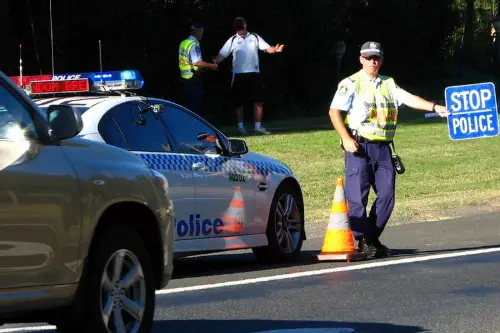
Television often makes it look like you have to answer police questions if you’re stopped. But in most cases, you have the legal right to remain silent. You generally must provide identification if requested, but beyond that, you don’t have to explain yourself. Many Americans don’t realize this until they’re in a stressful situation.
The Miranda warning mentions this right, but it only comes up during an arrest. That leaves people assuming they must cooperate during any interaction. In reality, silence is your right in many encounters. Forgetting this can lead people to give up information unnecessarily.
9. U.S. Flag Rules Aren’t Enforced

The U.S. Flag Code lays out strict rules about how to display and treat the American flag. It technically bans things like using the flag on clothing or advertising. But unlike other countries, these rules aren’t enforced with penalties. Most Americans don’t even know the code exists.
This disconnect creates a strange cultural moment. People treat the flag with pride but ignore the actual rules written about it. Wearing flag-themed swim trunks might feel patriotic but is technically against the code. Since there’s no enforcement, the law gets overlooked completely.
10. Mailboxes Are Federal Property

Your mailbox might sit in front of your house, but it isn’t legally yours. U.S. law makes it federal property once installed. That means only you, your household, and postal workers can access it. Even slipping a flyer in without postage is technically a violation.
Most Americans treat their mailbox as if it’s just part of their home. But the federal government has jurisdiction because the U.S. Postal Service regulates it. That’s why vandalism or theft from a mailbox is treated as a federal crime. Few people think about that distinction in daily life.
11. Jaywalking Isn’t Always Illegal

Most Americans think crossing the street outside the crosswalk is always against the law. In reality, jaywalking laws vary widely by state and city. Some places fine you, others barely enforce it at all, and a few cities are even moving to decriminalize it. That means what’s illegal in Los Angeles might be perfectly fine in a smaller town.
The confusion comes from how loosely enforced these rules are. Many people cross wherever it’s convenient and never get ticketed, so they assume there’s no law at all. But technically, you could be fined in many areas if a police officer chose to stop you. It’s a small example of how Americans overlook everyday laws that actually exist.
12. Skipping Jury Duty Can Be Serious
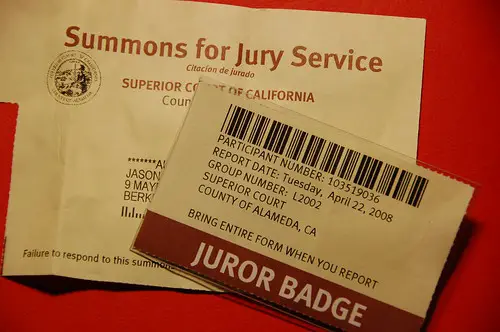
Everyone jokes about trying to get out of jury duty, but ignoring a summons is actually against the law. Courts can fine you or, in extreme cases, even hold you in contempt. While enforcement varies, the legal obligation is real. Still, many Americans assume they can just toss the letter.
The problem is that jury duty feels like an inconvenience rather than a duty. People don’t connect it to its constitutional role in the justice system. But skipping can cause serious legal trouble if the court decides to act. Americans overlook the law because it’s often treated casually.
13. Some States Ban Fortune-Telling for Money

It sounds like something out of a comedy sketch, but fortune-telling laws really exist. In several states and towns, charging money for psychic services is restricted or banned. These rules usually come from anti-fraud laws rather than belief in the supernatural. Still, they make fortune-telling technically illegal in certain areas.
Most Americans never think about this unless they stumble into a quirky local ordinance. But these laws highlight how regulation touches even the strangest corners of life. A tarot reader might be running legally in one town and illegally in another. It’s a reminder that local laws can be surprisingly specific.
14. Feeding Pigeons Can Be Against the Law

In some U.S. cities, feeding pigeons isn’t just discouraged—it’s illegal. Places like San Francisco have ordinances against it because it encourages overpopulation and disease. Fines can reach hundreds of dollars for something most people see as harmless. Yet countless tourists toss bread without a clue.
The rule exists to protect public health and keep streets clean. But because feeding birds feels like a kind gesture, people don’t associate it with breaking the law. Americans often ignore this regulation until they see a posted sign. It’s a small but surprising detail of city life that most people overlook.
This post 14 Everyday Things Americans Ignore About Their Own Laws was first published on American Charm.

