
1. Greenwich Village, New York – It’s Becoming Too Tourist-Friendly
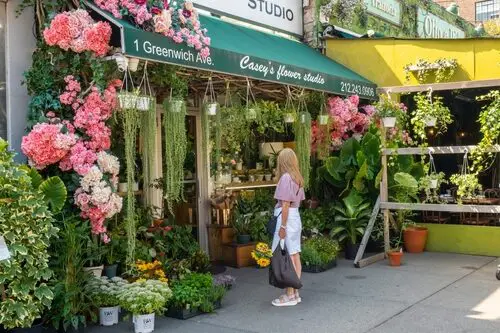
Greenwich Village was once the epicenter of bohemian culture and countercultural movements. Today, long-time locals often grumble about the flood of tourists. Coffee shops and historic buildings have become Instagram hotspots, making it difficult to navigate the streets without bumping into visitors. Many residents secretly avoid the West Village on weekends because it feels more like a theme park than a neighborhood.
The artistic history is still alive, but the authenticity has been diluted. Old-school jazz clubs and bookstores are dwindling, replaced by high-end boutiques and chain restaurants. Locals often form tight-knit circles to preserve their sense of community. They treasure the quieter streets, away from the tourist traps, as their little refuge.
2. Beverly Hills, California – It’s Not Always Glamorous
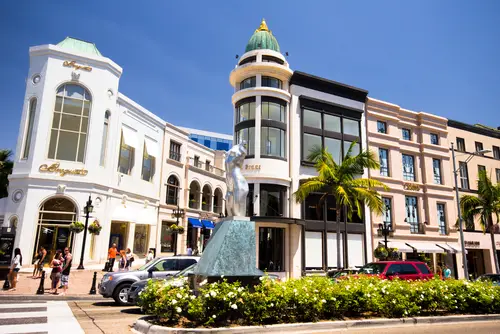
Beverly Hills is famous for its luxury and celebrity sightings, but residents will quietly admit that the cost of living here is insane. Property taxes and HOA fees often leave even wealthy homeowners feeling pinched. Traffic is another nightmare, especially on Rodeo Drive or Sunset Boulevard. Despite the glitz, many residents opt for private gyms and gated communities just to escape the chaos.
The neighborhood’s reputation for perfection can be stressful to maintain. Social appearances are taken seriously, and a misstep on social media or in public can carry unexpected consequences. Many long-term residents have learned to keep their private lives under wraps. Essentially, behind the luxury façade, Beverly Hills has a surprisingly normal—and sometimes stressful—day-to-day life.
3. The French Quarter, New Orleans – Party Vibes Mask Serious Issues
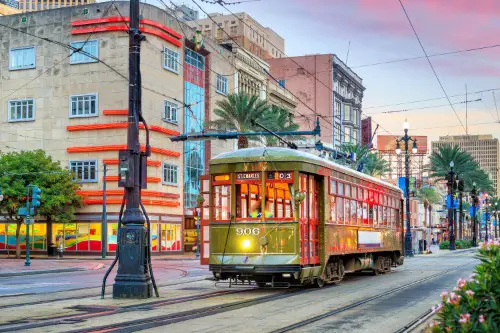
The French Quarter is synonymous with Mardi Gras and nightlife, but residents know the celebration comes with consequences. Noise, crowds, and public drunkenness are constant headaches for those who live here full-time. Hurricanes and flooding also pose ongoing risks that affect property and insurance rates. Despite these challenges, residents love the neighborhood’s culture and resilience.
Beyond the festivities, everyday life can be complicated. Parking is notoriously difficult, and routine city services sometimes lag behind due to the historic layout. Locals often have a survival mindset, blending celebration with practical vigilance. Many secretly daydream about quieter neighborhoods just a few blocks away.
4. Santa Monica, California – The Beach Isn’t Always Peaceful
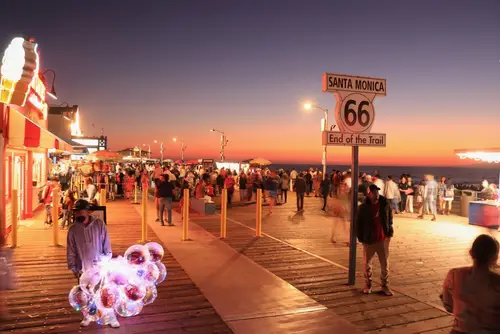
Santa Monica is postcard-perfect on the surface, but residents know that summer crowds are a nightmare. Parking is a constant struggle, and the pier attracts hordes of tourists who don’t always respect local spaces. Rising rents have pushed some long-term residents out of their own neighborhoods. Many locals maintain strict routines to avoid peak congestion on Main Street or Ocean Avenue.
Despite the challenges, the beach lifestyle is addictive. Early morning runs and sunset views are non-negotiable perks that keep residents rooted. Yet, beneath the Instagram-perfect exterior, there’s tension between preserving local character and accommodating visitors. People often whisper about the small, hidden streets that still offer a slice of peace.
5. Georgetown, Washington, D.C. – Charming but Expensive
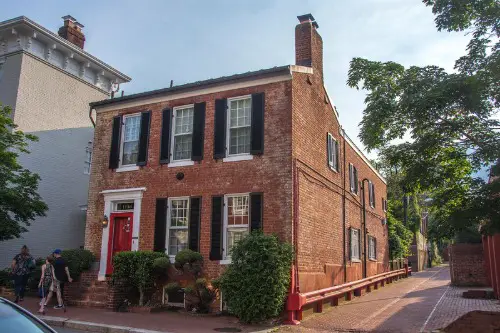
Georgetown’s cobblestone streets and historic homes are iconic, but residents quietly admit the cost is overwhelming. Owning property here is a financial commitment that goes beyond the price tag. Taxes, maintenance, and renovations of historic homes can become headaches. Many locals joke that living here means paying for the charm as much as the home itself.
Despite the wealth, the community has quirks. Parking is a daily struggle, and the narrow streets can turn any errand into a mini-adventure. Georgetown University students add energy but also occasional chaos. Residents love the area’s aesthetic, but they also accept that it’s a lifestyle that demands patience.
6. Lincoln Park, Chicago – It’s Not All Safe and Serene
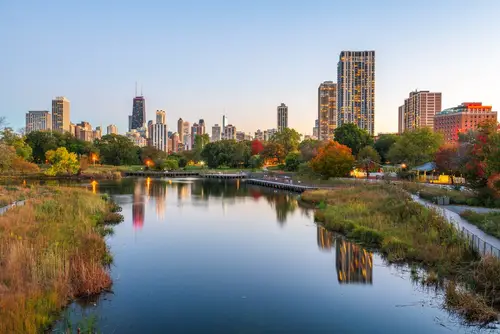
Lincoln Park is known for its family-friendly vibe, but locals have a more complicated relationship with safety. Petty crime and occasional break-ins happen, and residents have learned to stay vigilant. Property values are high, so home security is often a priority. Despite the reputation of serenity, there’s a quiet tension under the surface.
The neighborhood has a lively bar and dining scene that draws visitors. This creates a mix of energy and occasional disruption. Locals often have secret shortcuts or hidden parking spots they swear by. They appreciate the convenience but know the trade-offs come with living in a “desirable” area.
7. SoHo, New York – Art Culture Has Been Gentrified
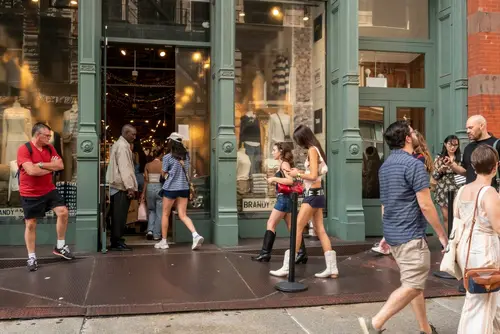
SoHo was the birthplace of loft living and cutting-edge art culture, but today locals quietly complain about the gentrification. High-end retail has replaced many galleries, leaving the historic artistic vibe diluted. Rent and property prices are sky-high, pushing artists further out of Manhattan. Residents have a love-hate relationship with tourists snapping photos on every corner.
The streets are still beautiful, lined with cast-iron buildings and boutique shops. But everyday life is often a negotiation with crowds and luxury developments. Residents have adapted by forming tight communities in quieter corners. They celebrate the history, but secretly wish for the days when art, not commerce, ruled the neighborhood.
8. Williamsburg, Brooklyn – Trendy but Overhyped
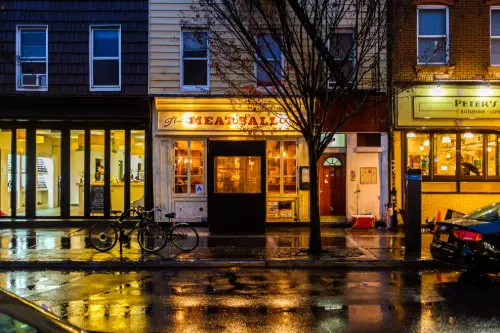
Williamsburg has become the poster child for Brooklyn hipster culture. Residents often joke about the influx of “new Brooklynites” chasing an aesthetic rather than community. Rent has skyrocketed, and long-term locals sometimes feel priced out of their own neighborhood. The nightlife is fun but can be exhausting for those living nearby.
Despite the hype, there’s still a loyal core of residents. They know the quiet streets and local coffee shops that tourists never find. Secret parks and warehouse spaces give them a sense of identity. There’s pride in the balance between maintaining neighborhood culture and enjoying trendy amenities.
9. Pacific Heights, San Francisco – The View Comes with Pressure
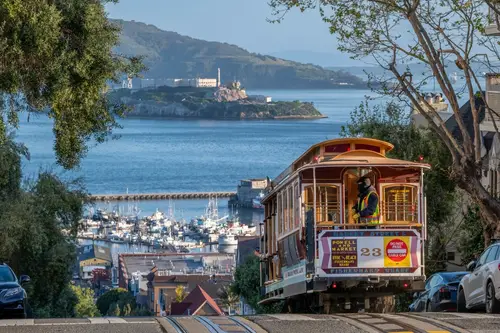
Pacific Heights is famous for its stunning architecture and bay views, but residents will quietly admit there’s pressure to keep up appearances. Homes are often meticulously maintained, and neighbors can be unusually judgmental. The cost of living is extreme, even for affluent families. Social competition here is subtle but ever-present.
Life in Pacific Heights is beautiful but intense. Streets are steep, and daily logistics like groceries or school runs require careful planning. Residents often hedge their personal opinions to maintain harmony. Behind the elegance, there’s an unspoken code of conduct that shapes daily life.
10. Back Bay, Boston – Picture-Perfect but Restrictive
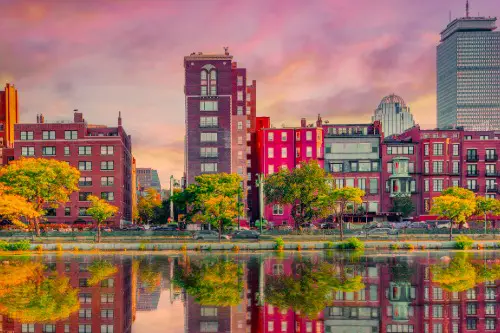
Back Bay is one of Boston’s most iconic neighborhoods, with historic brownstones and tree-lined streets. Residents quietly acknowledge that the strict building and zoning codes can be frustrating. Even minor renovations require approvals that can take months. The neighborhood’s aesthetic perfection comes at a cost of flexibility and spontaneity.
Despite the restrictions, living in Back Bay is enviable. Close proximity to shops, restaurants, and the Charles River adds undeniable charm. But locals know the neighborhood’s beauty masks a rigid lifestyle. Many secretly envy areas with fewer rules and more freedom for creative living.
11. Coral Gables, Florida – Pretty Streets, Hidden Hassles
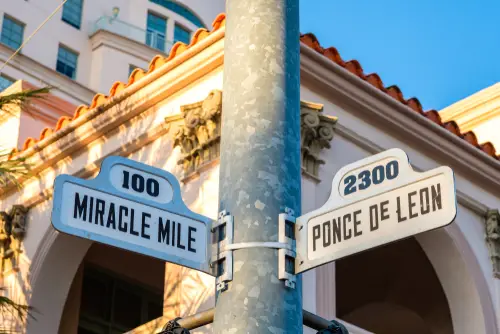
Coral Gables is known for its lush avenues and Mediterranean-style homes, but residents quietly admit it’s not all sunshine. Strict historic preservation rules make renovations a headache, and even minor exterior changes often require city approval. The cost of living is high, and property taxes add another layer of stress. Residents love the aesthetics, but they know maintaining that picture-perfect look takes constant effort.
Beyond the rules and expenses, daily life has its quirks. Traffic can be surprisingly congested, especially near Miracle Mile and the University of Miami. Hurricanes and tropical storms are a yearly concern, requiring planning and preparation. Locals treasure the charm, but they also accept that paradise has practical trade-offs.
12. Tribeca, New York – Historic Charm Masks Everyday Chaos
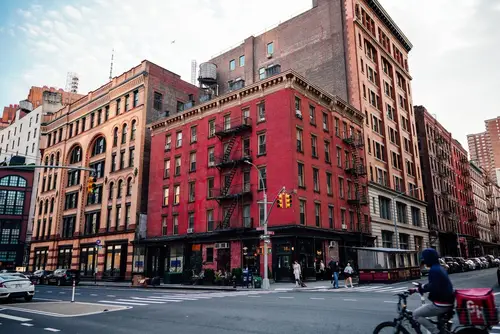
Tribeca is known for its lofts and cobblestone streets, but residents will admit the neighborhood can be chaotic. Construction and filming are common, disrupting everyday routines. Rent is astronomical, even for spacious apartments. Locals balance the charm of historic architecture with the realities of modern city life.
Despite the challenges, there’s a strong sense of community. Secret gardens, quiet courtyards, and local eateries offer respite from the noise. Residents treasure these hidden gems while navigating the bustle. Tribeca feels exclusive, but only those who live there understand the balance it requires.
13. Coconut Grove, Miami – The Charm Hides Infrastructure Woes
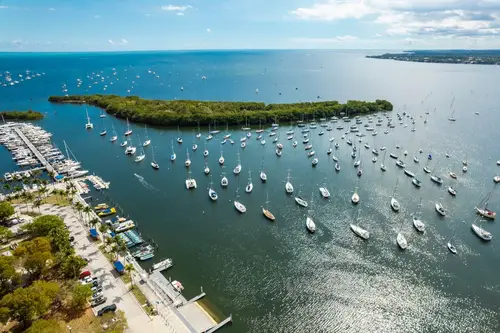
Coconut Grove is beloved for its lush greenery and bohemian vibe, but locals quietly deal with aging infrastructure. Streets can flood during heavy rain, and traffic congestion is frequent. Utility issues and construction delays are part of daily life. Residents adore the tropical charm but are always mindful of the practical downsides.
The neighborhood’s personality and history are unmatched in Miami. Hidden parks, quirky shops, and community events make it feel alive. Still, life here requires a little resilience and patience. The secret is that paradise comes with challenges residents rarely broadcast.
This post 13 Secrets About American Neighborhoods That Residents Will Never Admit was first published on American Charm.

