
1. Rabbits’ Feet
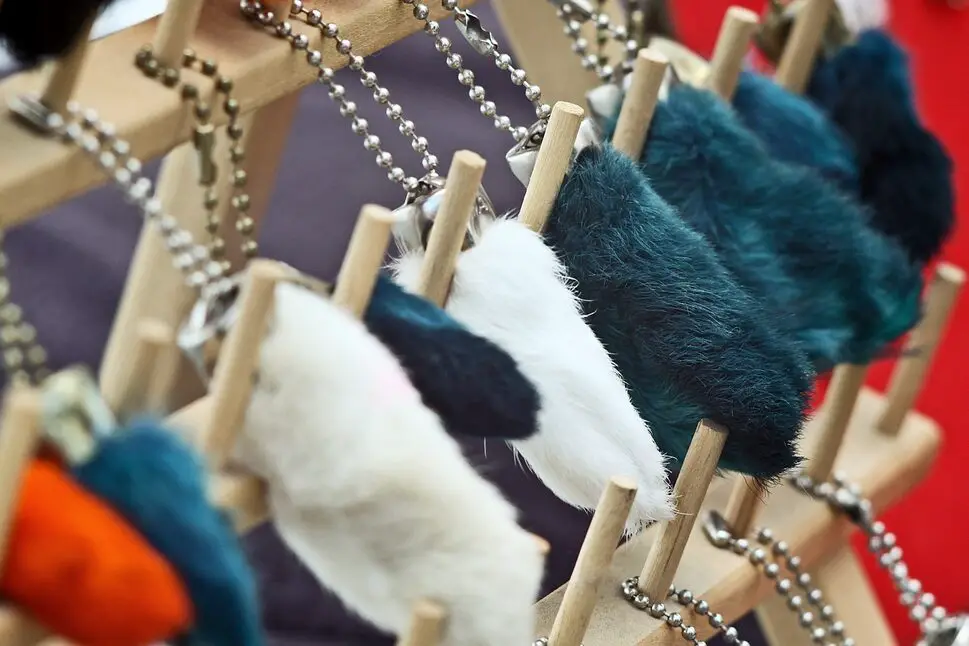
Carrying a rabbit’s foot for luck is a quirky superstition with deep historical roots. It’s tied to ancient beliefs in animal spirits and fertility, eventually making its way into American pop culture. Many people own them or see them as trinkets, even if they wouldn’t openly admit it brings luck. It’s one of those charms that feels more like a nostalgic accessory than a true superstition.
Collectors and enthusiasts keep the practice alive, often displaying rabbit’s feet as keychains or ornaments. Even skeptics might carry one “just in case.” The superstition persists because of its accessibility and cultural reinforcement. It’s a tiny, portable piece of folklore that endures quietly.
2. Knocking on Wood
“Knock on wood” is something almost everyone has done, even if they roll their eyes while doing it. The idea is that tapping on wood prevents tempting fate after a positive statement. People often do it instinctively after bragging about good luck or health. It’s one of those gestures that’s more about habit than belief for many.
Psychologically, knocking on wood gives a sense of control over uncertainty. Even skeptics find themselves doing it when they catch themselves saying, “So far, so good.” It’s deeply ingrained in American culture through idioms and casual conversation. The charm is in the ritual itself, not necessarily in believing it will ward off misfortune.
3. Friday the 13th
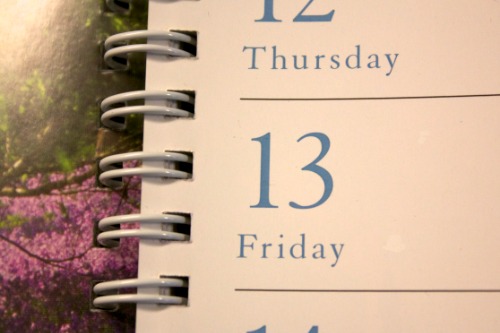
Many Americans treat Friday the 13th like a minor holiday—but a spooky one. The fear of this date is called paraskevidekatriaphobia, and it’s real enough that some people avoid traveling or signing contracts. The combination of Friday (traditionally unlucky in some Christian traditions) and the number 13 creates a perfect storm of superstition. Even the mildly superstitious will hesitate before scheduling big events on that day.
Businesses and airlines report fewer bookings, and some high-rise buildings skip labeling a 13th floor. People may joke about it, but privately, they take precautions. There’s a cultural reinforcement through movies and pop culture that keeps the fear alive. It’s one of those superstitions that’s both communal and quietly personal.
4. Tossing Salt Over Your Shoulder
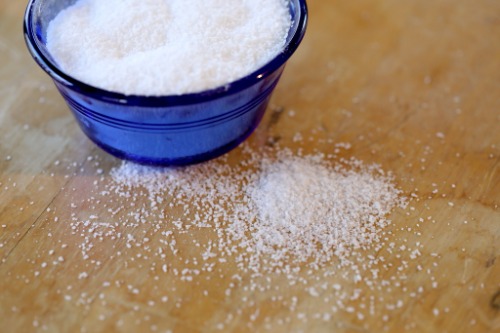
Accidentally spilling salt is considered bad luck, and tossing a pinch over your left shoulder is the go-to fix. This tradition dates back to ancient times when salt was a valuable commodity. Americans still do it, often without realizing it’s more than a quirky habit. It’s that little act of “undoing” potential misfortune that feels oddly satisfying.
Even people who scoff at superstitions will instinctively do it when they spill salt. There’s a mix of ritual and practicality—it’s a gesture that says, “I respect tradition and hope for good luck.” Kids often learn it from parents, so the superstition passes quietly from generation to generation. It’s subtle but surprisingly persistent in everyday life.
5. Crossing Fingers
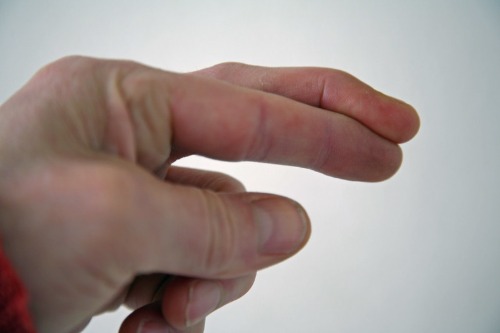
Crossing your fingers for luck is second nature for many Americans. Whether it’s hoping for a good test score or a lottery win, people subconsciously twist their fingers behind their backs. It’s rooted in Christian symbolism but has evolved into a secular, almost reflexive gesture. Most won’t admit they do it religiously, yet it pops up all the time.
This superstition thrives because it’s non-verbal and socially acceptable. People use it in ways that feel playful, like a secret wish for success. Even adults will catch themselves crossing fingers without thinking during tense moments. It’s a tiny, physical manifestation of hope in everyday life.
6. Breaking a Mirror
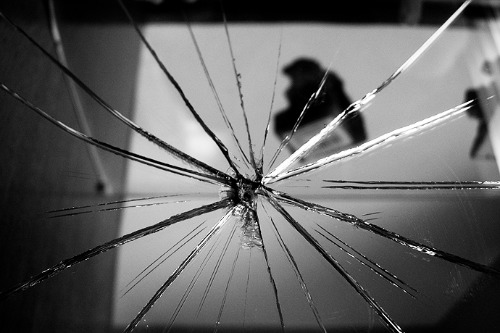
“Seven years of bad luck” isn’t just a phrase—it still holds sway in many households. Americans may joke about breaking a mirror, but secretly, they panic when it happens. The superstition originates from the belief that mirrors reflect the soul, so breaking one damages your luck or essence. People often take extra care to avoid shattering reflective surfaces, even in mundane chores.
In modern times, it’s often paired with frantic cleanup rituals or apologies to stave off misfortune. Even skeptical adults follow “mirror etiquette” without thinking about why. Superstitions like this survive because of the combination of history and anxiety over accidents. It’s one of those beliefs people quietly honor, even in a rational world.
7. Black Cats Crossing Your Path
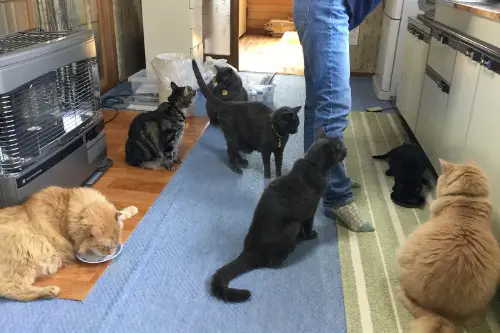
Despite being considered cute or mystical, black cats crossing your path still trigger nervous reactions. The superstition comes from old European lore associating black cats with witches or bad luck. Many Americans won’t admit to believing it, but they’ll pause, step aside, or joke nervously when it happens. It’s a reflex rooted in centuries-old storytelling.
Even cat lovers may feel a twinge of caution when a black cat appears unexpectedly. Some people deliberately avoid adopting black cats because of lingering superstitions. Media and Halloween culture reinforce the idea of black cats as omens. It’s a superstition that’s visual, immediate, and strangely persistent.
8. Walking on Cracks

“Step on a crack, break your mother’s back” is more than a playground rhyme—it’s a superstition many adults secretly recall. Americans sometimes avoid sidewalk cracks without even realizing it. The rhyme sticks in the subconscious, creating tiny behavioral patterns in public spaces. It’s playful but also surprisingly persistent in everyday routines.
The origin is unclear, but folklore suggests cracks could be portals for evil spirits or misfortune. Even modern adults avoid cracks instinctively, especially when they’re feeling self-conscious. It’s a superstitious behavior disguised as childlike caution. These micro-actions continue shaping daily habits, quietly influencing choices.
9. Horseshoes Over Doorways

Hanging a horseshoe above a door is a classic superstition for good luck. People believe the way it’s positioned—open end up to collect luck, or down to pour it over the household—matters. Many Americans keep this tradition alive in their homes or cabins without really thinking about why. It’s a decorative ritual with a side of protective superstition.
The idea is that horseshoes, once made of iron, repel evil spirits and attract good fortune. Even people who don’t openly believe in luck appreciate it as a comforting symbol. Some take pride in collecting and displaying them, knowing it’s a nod to tradition. It’s a subtle, visual superstition that survives mostly through decor.
10. Opening an Umbrella Indoors
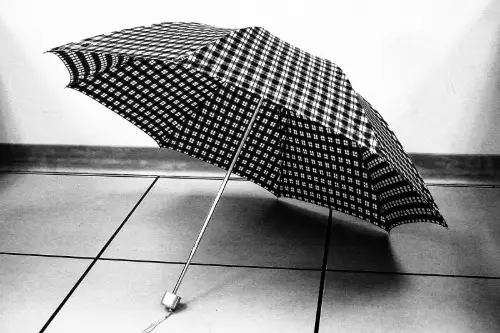
Opening an umbrella indoors is considered a sure way to invite bad luck. The superstition is practical in origin—early umbrellas had stiff, spring-loaded mechanisms that could cause injury indoors. Americans still flinch at the thought of doing it, even in modern homes. It’s one of those superstitions where common sense and folklore overlap.
The gesture became more symbolic than literal, but the fear persists. People may jokingly scold each other for doing it inside, keeping the superstition alive. It’s a small act that carries a surprisingly strong cultural memory. Even today, most avoid indoor umbrella-opening without a second thought.
11. Walking Under a Ladder

Most Americans will avoid walking under a ladder even if they’re in a rush. It’s one of those old-school superstitions that dates back to medieval times when ladders were associated with treachery or the devil. People rarely admit they’re avoiding it, but instinctively, they’ll step around one. It’s like a tiny, subconscious ritual to avoid bad luck.
Even in modern life, this superstition persists because of movies and stories that dramatize accidents. People say it’s “just common sense,” but secretly, the fear of misfortune plays a role. Homeowners sometimes prop ladders differently just to keep the superstition at bay. It’s one of those superstitions that’s hard to shake, no matter how logical we think we are.
12. Tossing Coins in Fountains

Throwing coins into fountains while making a wish is a ritual almost everyone has participated in at least once. The superstition is that the coin ensures your wish will come true, a belief dating back to ancient water deities. Americans do it at tourist spots or local fountains, often more for fun than actual belief. Still, the gesture carries the weight of tradition.
It’s a playful superstition, and one that people rarely admit they care about. The act of tossing a coin combines hope, ritual, and a little bit of guilt-free superstition. Kids, adults, and travelers alike keep it alive across generations. It’s an enduring habit that’s equal parts magic and human psychology.
This post 12 American Superstitions People Still Follow But Won’t Admit It was first published on American Charm.