
1. Buffalo Soldiers and Their Overlooked Role
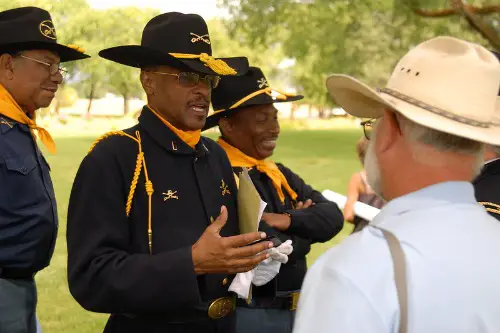
When we picture the frontier, it’s usually cowboys and outlaws, but the Buffalo Soldiers deserve their place in the story. These were African American regiments formed after the Civil War, and they were tasked with protecting settlers, building infrastructure, and fighting in conflicts with Native tribes. Despite their service, they faced prejudice both in and outside the Army. Their legacy is a reminder that the frontier wasn’t just a story of freedom, but also of resilience against discrimination.
The Buffalo Soldiers were also instrumental in creating what we now consider national landmarks. They served as some of the first park rangers in places like Yosemite and Sequoia National Parks. That part of their story often gets buried under the gunfight legends. Acknowledging them gives us a more honest picture of how the frontier really functioned.
2. The “Boomtown” Bust Cycle
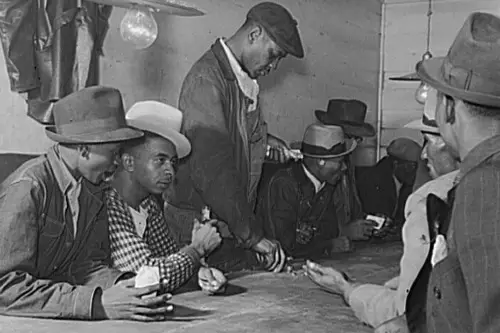
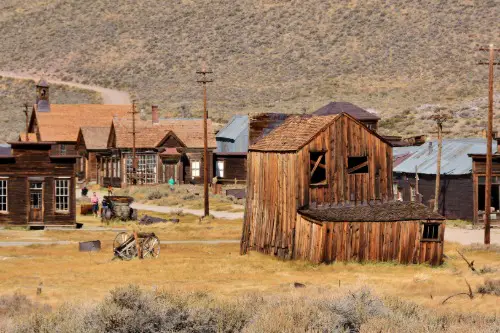
Frontier towns are often shown as bustling with saloons and card games, but their lifespans were usually incredibly short. A gold strike or silver vein might create an instant town of thousands, only for it to empty almost overnight when the mine dried up. Many of these towns left behind crumbling buildings and eerie cemeteries. Their rise and fall capture the volatility of frontier life better than any shootout ever could.
The people who lived there faced whiplash-level changes in fortune. One month you might be selling supplies for a tidy profit, the next you’d be broke and moving on. Families, not just lone miners, lived in these towns and dealt with the upheaval. That instability shaped the American dream into something more desperate and restless than the polished version we usually hear.
3. Women as Frontier Entrepreneurs
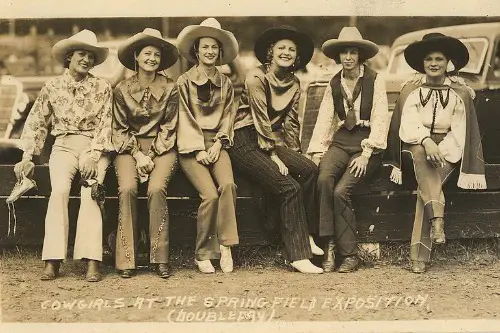
Popular culture often leaves women out of frontier life, but many were successful business owners. From boardinghouses to laundries to saloons, women created stability in communities that otherwise lacked it. Their work wasn’t just about survival—it often made them financially independent in a time when that was rare. These women were the backbone of many settlements.
Take Mary Ellen Pleasant, for example, who leveraged her wealth from businesses in San Francisco into activism and philanthropy. Or Madam C.J. Walker’s predecessors, who built beauty empires serving frontier women of color. Their stories prove that women weren’t just supporting characters in the frontier—they were power players. It shifts the whole idea of who “pioneered” the West.
4. Frontier Newspapers and the Spread of Gossip
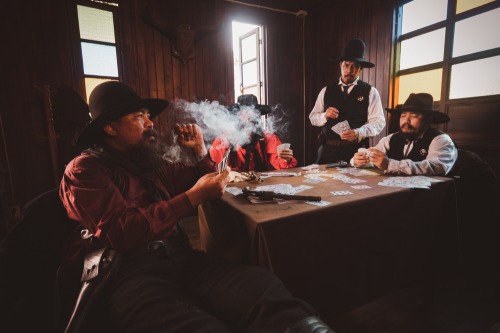
We think of the frontier as word-of-mouth territory, but small newspapers were everywhere. They spread news about politics, railroads, and local crime, and they were full of rumor as much as fact. These papers gave isolated communities a sense of belonging to something bigger. They also spread tall tales that helped shape the myths we still tell today.
The editors were often colorful characters themselves, sometimes doubling as sheriffs or postmasters. Some papers printed poetry or serialized novels to keep readers entertained. Others were blatantly partisan, railing against rival towns or political enemies. The frontier press shaped not only how people saw their own towns but also how we still remember them.
5. Indigenous Trade Networks That Preceded Settlers
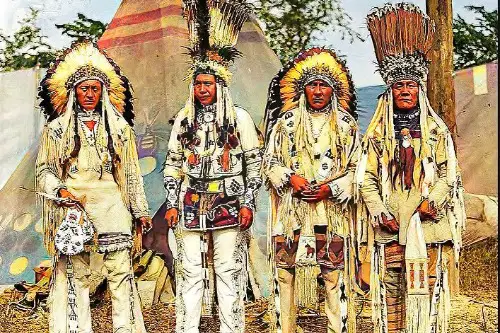
Before wagon trains ever rolled in, Indigenous nations had vast trade networks spanning the continent. They exchanged food, furs, horses, and cultural ideas long before European settlers mapped the territory. These networks often determined where towns, forts, and railroads were later placed. The frontier wasn’t being “opened”—it was being disrupted.
Recognizing this changes how we frame the whole story. It wasn’t empty land waiting to be settled, it was a living system of relationships. Many settlers actually depended on these trade routes to survive. Ignoring them erases centuries of history that shaped the land long before the frontier myth began.
6. The Frontier’s Environmental Toll
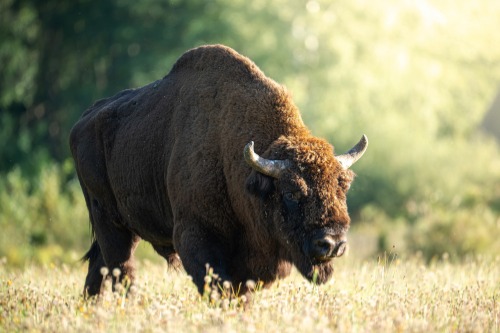
We often romanticize the endless prairies and bison herds, but frontier expansion devastated ecosystems. Bison were nearly hunted to extinction, in part as a strategy to undermine Native tribes. Logging stripped hillsides bare, and new farming methods eroded soil. The frontier was as much a story of environmental loss as it was of human adventure.
Settlers often didn’t realize the consequences of their practices until it was too late. Entire regions changed in a matter of decades, reshaping water tables and animal migration. Today’s conservation movement partly grew out of those mistakes. It’s a sobering reminder that the frontier’s “progress” had steep hidden costs.
7. Outlaws Who Were More Legend Than Reality
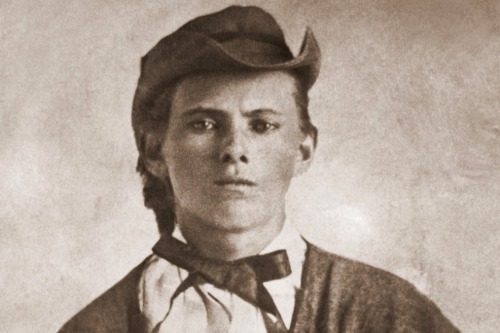
Jesse James, Billy the Kid, and other famous outlaws loom large, but their legends are bigger than their actual crimes. Newspapers exaggerated their exploits, sometimes inventing details out of thin air. Many were petty criminals rather than master bandits. The myth of the outlaw gave the frontier a romantic, dangerous edge that didn’t fully match reality.
This doesn’t mean they weren’t real people, but the public fascination says more about us than about them. People craved stories of rebellion against authority, especially during hard times. These tales turned men into folk heroes whether they deserved it or not. The result is a distorted but deeply compelling part of frontier lore.
8. The Hidden Frontier of Chinese Immigrants
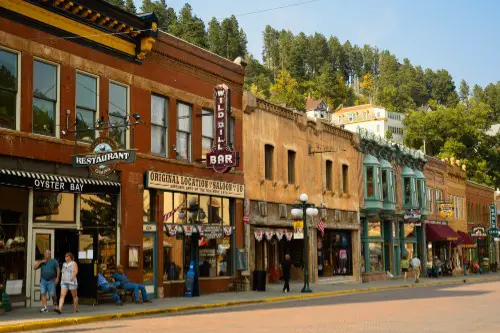
Chinese immigrants were critical to building railroads, running businesses, and shaping frontier towns. Yet their contributions were often met with discrimination and violence. Chinatowns sprouted up in cities from San Francisco to Deadwood, offering both community and refuge. Their presence challenges the cowboy-only image of frontier diversity.
The Chinese Exclusion Act of 1882 cast a long shadow over these communities. Still, many families persevered, creating legacies that remain in those regions today. Their stories remind us that the frontier was built by many hands, not just a single archetype. Remembering them makes the history more honest and complete.
9. Frontier Medicine and the Role of Midwives
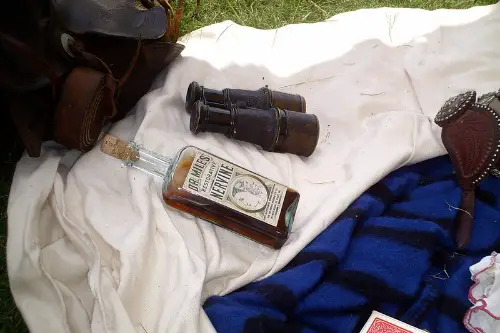
Doctors were scarce in most frontier towns, so medicine often fell to midwives and healers. They treated everything from childbirth to gunshot wounds with limited resources. Remedies were often blends of Indigenous knowledge and old-world practices. It wasn’t glamorous, but it was vital to keeping communities alive.
These women held immense responsibility, and their reputations could make or break them. Some were respected, while others were accused of witchcraft or malpractice. Their work also paved the way for more formal medical practices as towns stabilized. Without them, the survival rate on the frontier would have been far worse.
10. Immigrant Frontiers Beyond the West
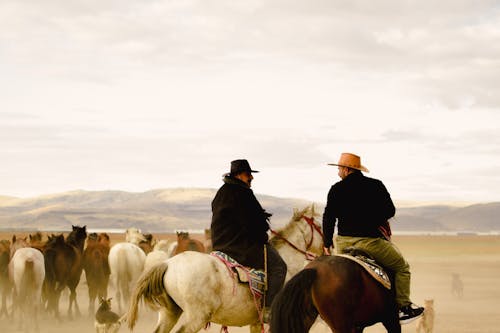
The frontier wasn’t just about cowboys in Texas or Montana. Scandinavian immigrants, for example, shaped the Midwest with farming techniques suited to harsh winters. Germans introduced new brewing traditions that still linger today. Even frontier towns in the Dakotas and Minnesota carry the stamp of immigrant heritage.
This broader frontier story shows that expansion was as much about cultural blending as it was about land. Food, architecture, and community traditions from these groups still echo today. They prove that the “wild West” was never just one culture’s story. Instead, it was a patchwork of global influences planted in American soil.
11. Religion and the Tent Revivals
Frontier life could be harsh, but religion offered structure and comfort. Traveling preachers set up tent revivals that drew whole towns together. These events weren’t just spiritual—they were social gatherings that helped bind communities. The emotional, lively style of preaching also set the tone for future American religious movements.
The revival culture created a sense of belonging in otherwise isolated areas. It influenced everything from temperance campaigns to local politics. While gunfighters grabbed the headlines, faith was shaping daily life more quietly. Without these revivals, frontier towns might have felt even more fractured.
12. The Frontier of Entertainment
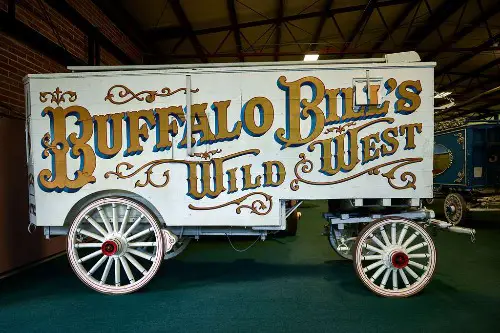
Life wasn’t all grit and survival; people craved entertainment too. Traveling theater troupes, circuses, and even opera companies toured frontier towns. Dances, music, and storytelling gave settlers a break from daily hardship. Entertainment was more than fun—it was essential for community morale.
Buffalo Bill’s Wild West show later took this culture on the road, shaping how the world saw the American frontier. But before that, local performers kept the spirit alive in dusty towns. These events remind us that the frontier wasn’t only about survival—it was also about joy, expression, and shared experiences. Entertainment stitched together lives that might otherwise have felt unbearably hard.
13. Hidden Labor of Mexican Vaqueros
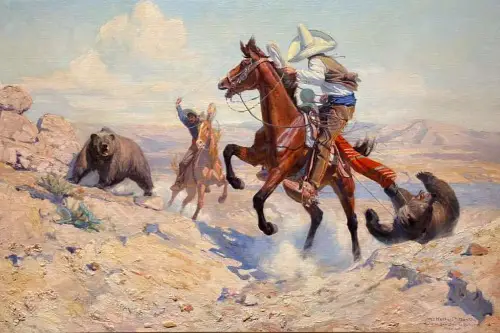
The cowboy image is iconic, but much of it comes directly from Mexican vaqueros. They introduced techniques like roping, branding, and cattle drives long before Hollywood turned them into symbols of rugged independence. Settlers often adopted their dress, tools, and even language, though their influence was rarely acknowledged. Without vaqueros, the cowboy myth wouldn’t exist in the form we know today.
Vaqueros also endured hardships similar to other marginalized groups. They faced legal discrimination, economic exploitation, and cultural erasure as Anglo settlers spread west. Yet their traditions survived in rodeos, ranching practices, and southwestern culture. Recognizing their role shifts the narrative from myth to a multicultural reality.
14. The Forgotten World of Frontier Children
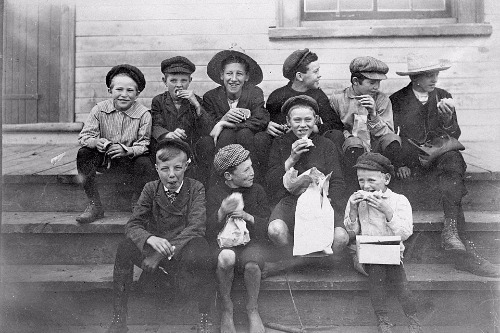
Children are often invisible in frontier stories, yet they made up a huge part of daily life. They helped with farming, cared for livestock, and sometimes even worked in mines. Their education was sporadic at best, often relying on itinerant teachers or makeshift schools. Childhood on the frontier was more about survival than play.
At the same time, kids created their own ways of finding joy. Homemade toys, folk games, and storytelling gave them a sense of normalcy. Their resilience helped families push through difficult conditions. Remembering them makes the frontier feel less like an adult-only saga and more like a family struggle.
15. Telegraph Wires as Frontier Lifelines

While the railroad gets the glory, the telegraph transformed frontier communication even faster. Suddenly, isolated towns could send and receive information within hours instead of weeks. That speed changed commerce, politics, and even the timing of justice. It stitched distant places together into a fragile but growing network.
But the telegraph also created new tensions. Towns fought fiercely to be on main lines, knowing it could make or break their economy. Indigenous groups saw telegraph poles as intrusions, sometimes cutting wires in protest. The spread of these lines shows how technology both connected and divided the frontier.
16. Frontier Schoolhouses and Itinerant Teachers
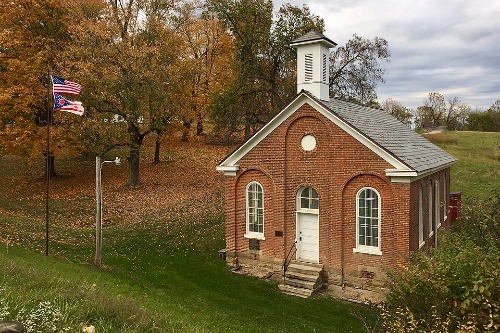
The one-room schoolhouse is a powerful frontier image, but the reality was far messier. Teachers were often barely older than their students and had little formal training. Lessons were improvised, and books were scarce. Still, these classrooms symbolized a commitment to stability in a chaotic world.
Education on the frontier was about more than academics. Schoolhouses doubled as meeting halls, churches, and voting stations. Teachers often served as moral guides, bringing a sense of order to lawless regions. Their work laid the foundation for public education in places that started as little more than camps.
17. Hidden Frontier of Free Black Settlers
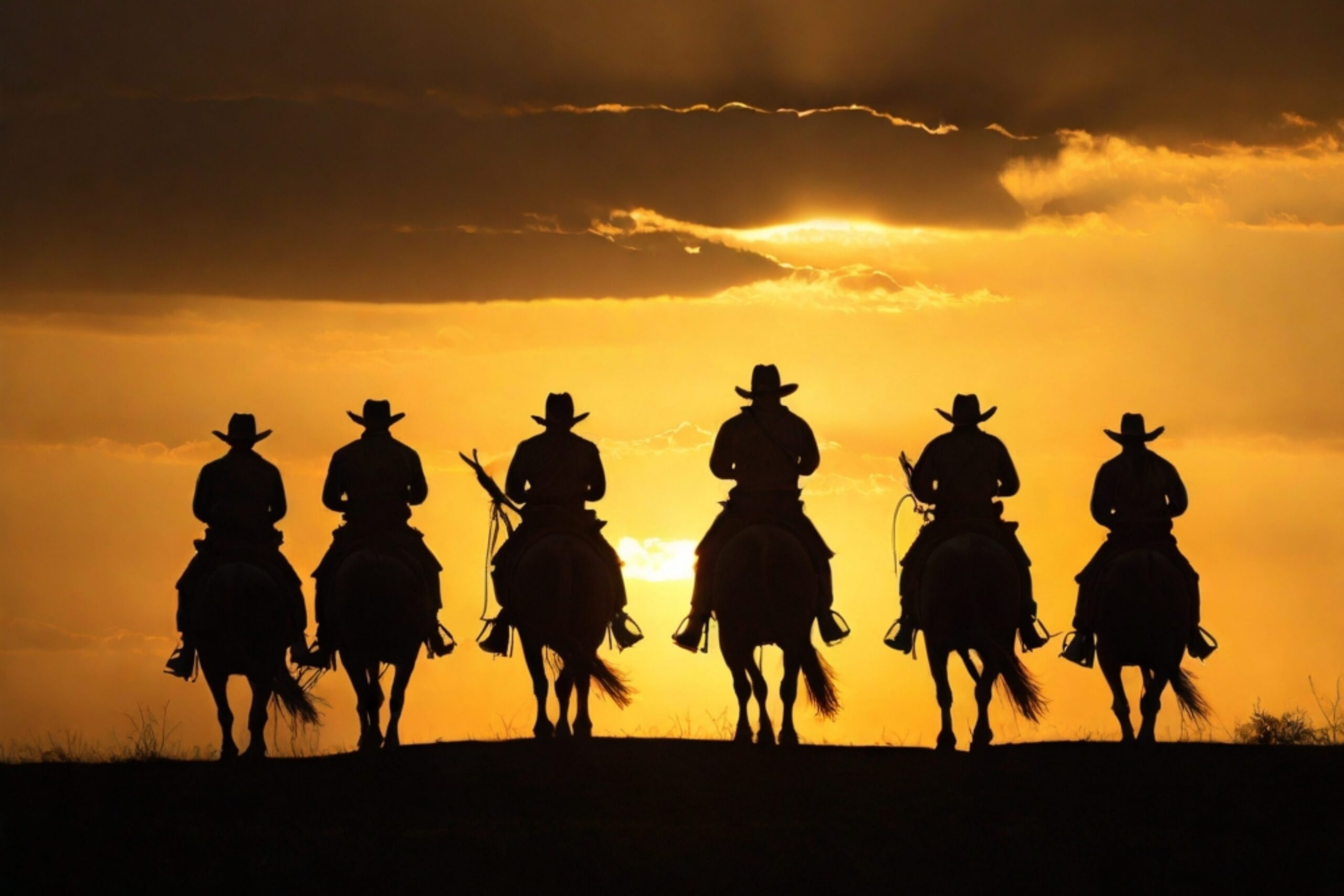
Not all Black people on the frontier were soldiers or cowhands—many were settlers carving out land for themselves. Some founded entire towns, creating safe havens in hostile territories. They farmed, traded, and built communities while facing constant threats of violence and legal exclusion. Their presence complicates the idea of the West as a purely white endeavor.
These towns, like Nicodemus in Kansas, left legacies of determination. Residents faced droughts, poverty, and hostility, yet managed to build schools, churches, and businesses. Their stories prove that the frontier was never a single narrative. It was a contested ground where survival often required extraordinary courage.
18. Violence in the Shadows of Vigilante Justice
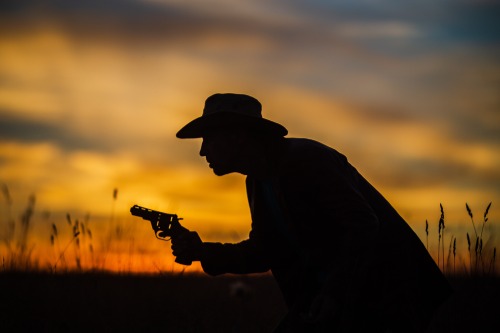
Frontier movies love sheriffs, but vigilante justice was often the real law of the land. Groups of armed citizens took it upon themselves to punish accused criminals, sometimes without trials. While it brought quick order in lawless regions, it also enabled mob violence and corruption. The line between justice and vengeance was dangerously thin.
These vigilante groups often reflected local politics more than fairness. Targets were sometimes rival settlers, immigrants, or anyone who challenged power. Their actions left scars that communities carried long after the dust settled. This darker side of frontier “law” reveals a place where security often came at the cost of justice.
19. The Overlooked Role of Water Rights
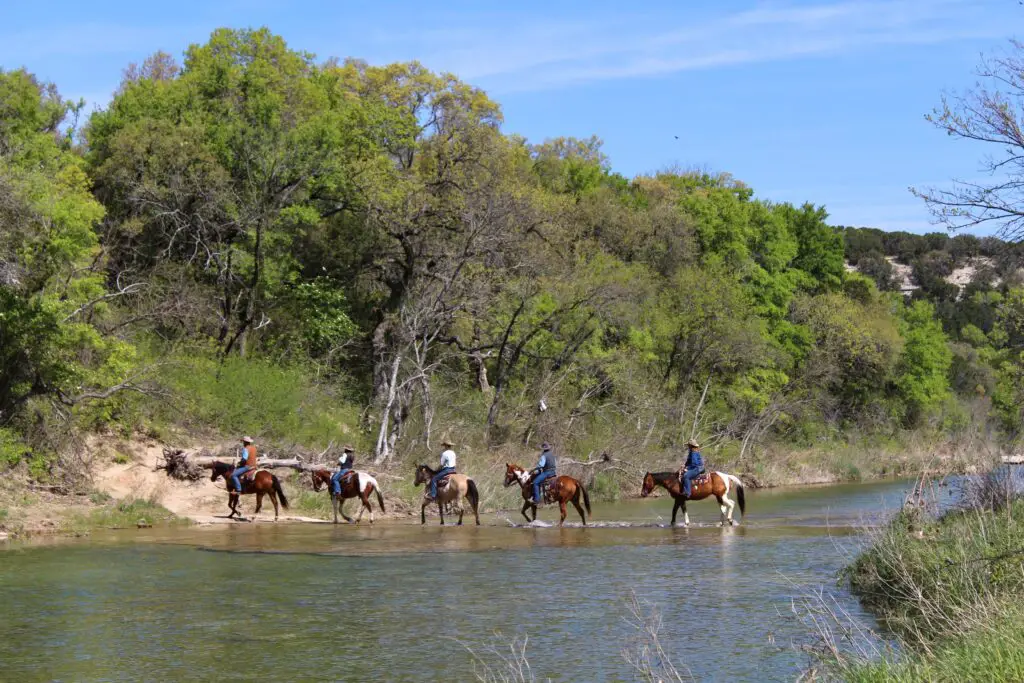
The frontier wasn’t just a land grab—it was a water grab. In arid regions, streams and wells determined whether towns could survive. Farmers and ranchers clashed bitterly over access, leading to feuds that sometimes turned deadly. Water rights became the true currency of the frontier.
These struggles shaped modern western law. Systems like “first in time, first in right” grew out of these disputes and still govern water usage today. Settlers learned quickly that survival depended less on gunfights than on securing a steady supply of water. This hidden layer shows how fragile life really was on the edge of expansion.
20. Mail Routes and the Myth of the Pony Express
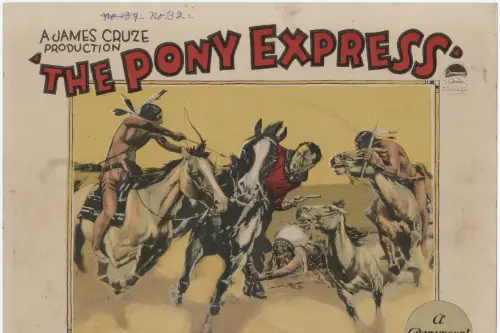
The Pony Express looms large in our imagination, but it only lasted about eighteen months. It was quickly replaced by the telegraph, making its legend much larger than its real impact. Still, the idea of fearless young riders carrying mail through dangerous territory captured the nation’s imagination. It remains a symbol of determination and daring.
The broader mail system, however, was what truly bound the frontier together. Stagecoaches, riverboats, and railways carried letters, goods, and news across vast distances. This web of communication gave families and businesses a lifeline to the world back east. In truth, the Pony Express was just one small piece of a much bigger story.
This post 20 Hidden Layers of the American Frontier Nobody Talks About was first published on American Charm.

