
1. Marching Everywhere for No Apparent Reason
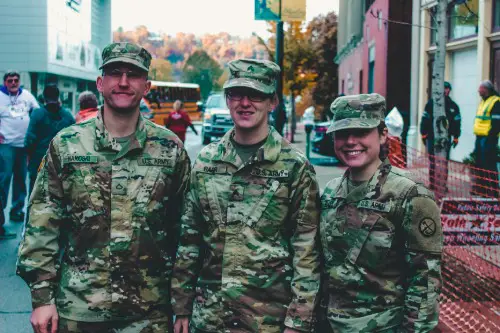
When recruits first arrive at boot camp, they’re surprised to find they can’t just walk from point A to B—they have to march. It doesn’t matter if it’s five feet or five blocks, you better be in step and moving as a unit. This tradition dates back to the days when military formations needed tight coordination, but now it mostly serves as discipline training. It’s a shock to anyone who thought walking was still a solo activity.
The real purpose is to teach teamwork, unity, and attention to detail, but no one tells you that at first. Instead, you just feel like a confused duckling trying to keep up. It’s especially confusing because you’re expected to march… until you’re suddenly not. There’s no clear line on when it’s okay to stop, which keeps new recruits constantly guessing.
2. The Mystery of the “Hurry Up and Wait”
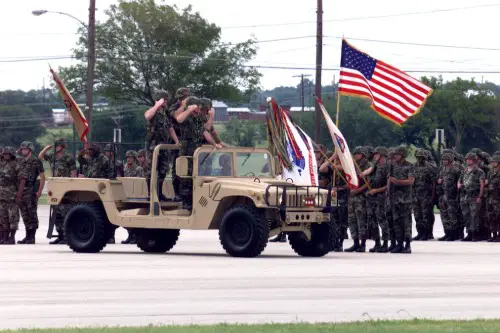
Recruits are told everything in the military is about speed and punctuality—but then they find themselves waiting around. You’ll be rushed to be ready at 0500, only to sit in formation for hours doing nothing. This contradiction is universally frustrating and completely baked into military culture. It’s not about wasting time—it’s about always being ready.
The “hurry up and wait” system teaches patience, flexibility, and the importance of readiness in case things go sideways. But for a recruit, it just feels like chaos with a stopwatch. The military won’t explain this upfront; it’s something you learn by sweating in silence. The result? Everyone’s tired, early, and wondering what the hold-up is.
3. Getting Yelled At for the Right Reasons—But Also for the Wrong Ones
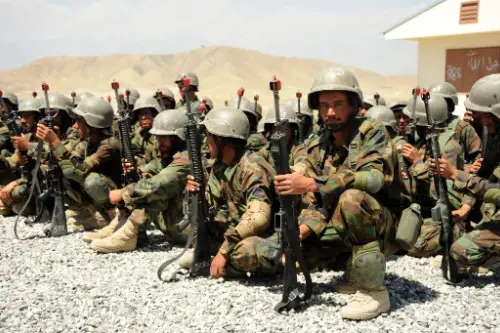
Drill sergeants yell, that’s expected. But what confuses new recruits is why they’re being yelled at—it’s not always for obvious screw-ups. Sometimes it’s because your uniform is slightly off, your boots aren’t shiny enough, or you blinked at the wrong time. It feels arbitrary, and that’s the point.
This tradition simulates high-stress environments to build mental toughness. It’s designed to help recruits focus under pressure, even if the logic behind the shouting seems fuzzy. The randomness also makes sure everyone is on edge and hyper-aware. Newbies often spend their first weeks just trying to decode what’s actually yell-worthy.
4. Calling the Bathroom the “Head”
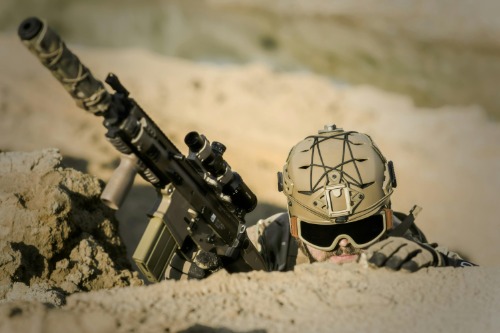
One of the first bits of military lingo that throws people off is being told to use “the head.” It’s not a metaphor—it’s literally what the Navy (and often other branches) call the bathroom. The term dates back to old ships, where the toilet area was located at the bow, or “head,” of the vessel. But to a civilian-turned-recruit, it just sounds like a weird flex.
You’ll get corrected if you say “bathroom” or “restroom,” often with some sarcasm included. This tradition reinforces the idea that the military has its own language—and you’d better learn it fast. It’s disorienting at first, but using the right words becomes second nature. Eventually, you’ll confuse civilians by accident when you’re back on leave.
5. Standing at Parade Rest When Talking to Authority
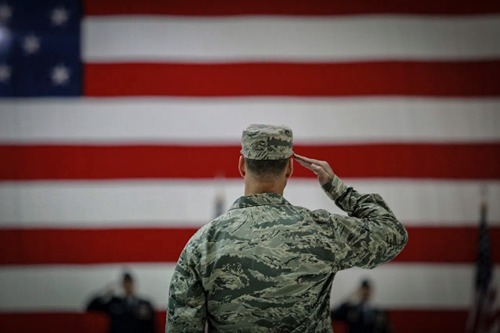
If you’re talking to someone higher in rank, you can’t just stand there casually. Recruits are taught to stand at “parade rest”—feet shoulder-width apart, hands behind their back—anytime they address an NCO. It’s formal, stiff, and feels exaggerated to someone new. But it’s a deeply ingrained tradition across all branches.
The posture shows respect and attentiveness, but to a recruit, it feels like overkill. You’re already nervous, and now you have to freeze like a statue while someone grills you. It’s particularly strange during casual conversations that somehow still require full formality. You learn quickly: body language is a language all its own in the military.
6. Talking in Third Person
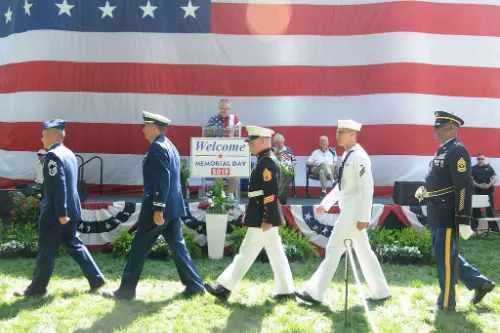
Recruits aren’t allowed to say “I” during basic training. Instead, they have to refer to themselves in the third person, like “This recruit requests permission…” It’s as awkward as it sounds and leaves most new people feeling like medieval peasants. But there’s a method to the madness.
This rule breaks down personal ego and emphasizes group identity over individualism. It also reinforces humility, which is huge in military culture. Still, it feels like overkill when you’re just trying to ask to go to the head. Eventually, you stop noticing how weird it is—until you use it outside and get weird looks.
7. The “Knife Hand” Communication Method
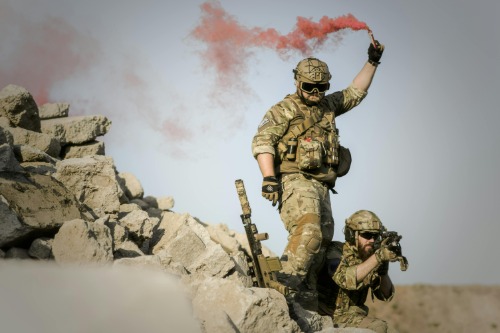
There’s no pointing in basic training—there’s the “knife hand.” It’s when you keep your fingers together and your hand rigid, slicing through the air toward whatever you’re emphasizing. It’s meant to look assertive and disciplined, but it catches recruits off guard. It feels like everyone’s accusing you of something 24/7.
The knife hand is about intensity and clarity, especially in chaotic environments. It also adds an extra level of intimidation when drill sergeants use it mid-yell. New recruits usually get caught using a regular point and are immediately corrected. You start doing it yourself, unironically, faster than you’d expect.
8. Being Told to “Embrace the Suck”
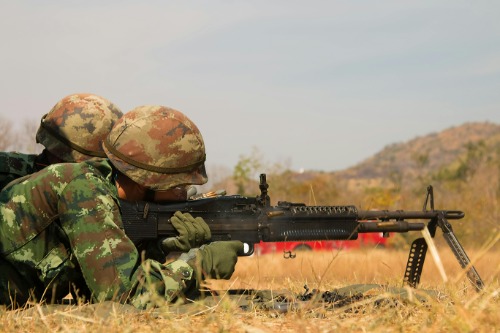
You’ll hear this phrase early and often: “embrace the suck.” It means accepting that things are going to be miserable—and choosing to power through anyway. There’s no real comfort in it, which is why it confuses new recruits looking for motivation. It’s like being told, “Yep, it’s bad. Enjoy it.”
This phrase captures a core military mindset: suffering together builds toughness and camaraderie. Instead of sugarcoating hardship, the military leans into it. Recruits expecting pep talks find themselves handed a verbal shrug. But over time, the phrase becomes a badge of honor.
9. Memorizing Random Chants and Cadences
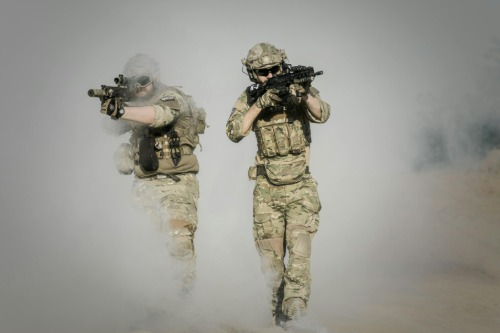
Every day involves chanting in rhythm during runs or marches, and recruits are expected to learn the words fast. Some of them are historic, some are funny, and some make no sense at all. Newcomers struggle to keep up and often have no idea what they’re even yelling. That confusion is part of the point.
Cadences build unity, distract from exhaustion, and preserve tradition. They also give instructors a way to gauge energy and morale. But when you’re gasping for breath and trying to remember rhymes about Jody stealing your girl, it feels absurd. Still, you’ll miss it once it’s gone.
10. Taking a Knee to Listen
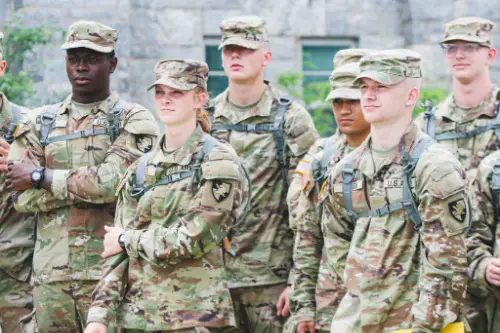
Instead of standing when getting instructions in the field, recruits are often told to “take a knee.” This isn’t about rest—it’s about respect, attention, and field discipline. But it throws people off at first, especially since the posture feels like something from a sports huddle. It’s not optional, either.
The tradition began in combat settings where standing could expose soldiers to danger. Taking a knee lowers your profile and keeps you alert. In training, it’s about focus and absorbing information. Still, it takes time to stop instinctively standing like you’re back in a classroom.
11. The Infinite Acronym Soup
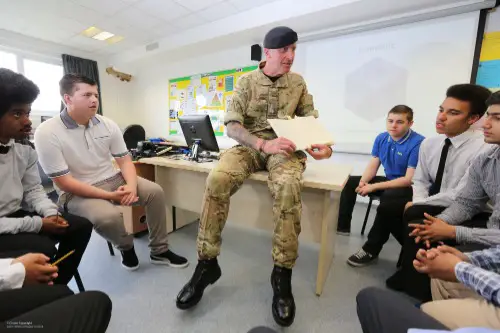
From the moment you arrive, the military hits you with acronyms: PT, MRE, SOP, LZ—you name it. It feels like you’ve entered a whole new language, and no one gives you a cheat sheet. New recruits often nod like they understand while secretly panicking. This language barrier is part of the initial confusion.
The purpose is efficiency and standardization, but it definitely alienates newcomers. You’ll pick it up eventually, but there’s a long stretch of just pretending. It’s like trying to learn a foreign language by immersion… while being yelled at. Once you speak fluent acronym, you’ve officially crossed over.
12. Getting Assigned a Job Before You Know What It Is
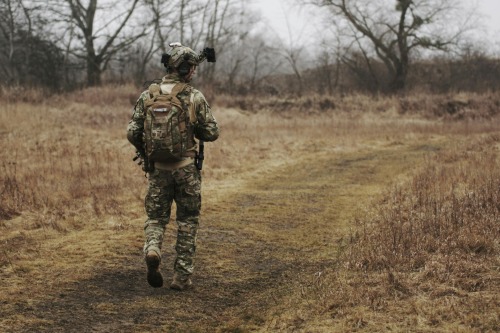
Recruits often get their military occupational specialty (MOS) assigned before they fully understand what the job entails. You might be told you’re a “42A” or a “13F” with zero explanation. That code means everything in your military future—and nothing to you in the moment. It’s like getting a college major in a language you don’t speak.
This happens because of personnel needs, quotas, and timing—not personal interest. While some get their desired job, others just accept what they’re given. Recruits find themselves Googling their own future from the barracks. It’s confusing, sometimes frustrating, but very much by design.
This post 12 U.S. Military Traditions That Exist Only to Confuse Recruits was first published on American Charm.

