
1. Lorraine Motel
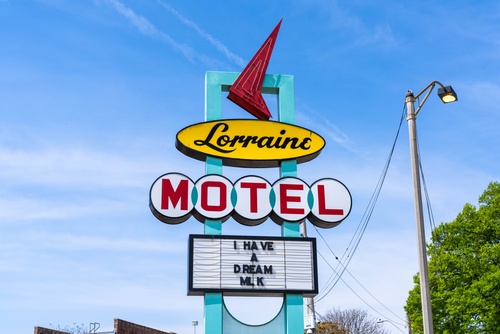
From the road, it looks like a retro roadside motor lodge with a bright vintage sign. That ordinary appearance hides a profoundly tragic moment in American history. Civil rights leader Martin Luther King Jr. was assassinated on the motel’s balcony on April 4, 1968. The room and balcony remain preserved as part of the site today.
The motel now houses the National Civil Rights Museum, but the exterior is intentionally familiar. Seeing the parked vintage cars below the balcony makes the timeline feel frozen. Visitors often go quiet when they look up at that railing. It’s a powerful reminder that history doesn’t only happen in grand buildings.
2. Dealey Plaza
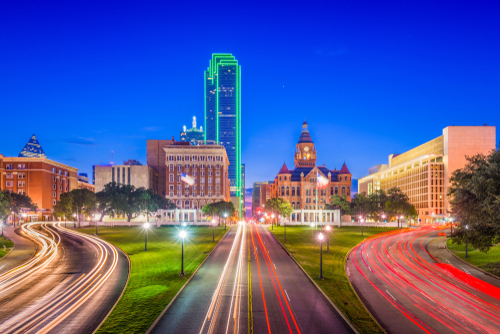
You might roll through downtown Dallas thinking it’s just another busy urban crossroads. In reality, this plaza became one of the most scrutinized places in modern history. On November 22, 1963, President John F. Kennedy was assassinated here during a motorcade. The surrounding buildings and grassy knoll you see in photos are exactly where the event unfolded.
Today, traffic flows and tourists snap pictures, but the layout is largely unchanged. The former Texas School Book Depository overlooks the plaza just as it did that day. Standing there makes history feel close and unsettlingly ordinary. It’s the kind of place you could pass without realizing the moment that reshaped a nation happened right there.
3. Ford’s Theatre
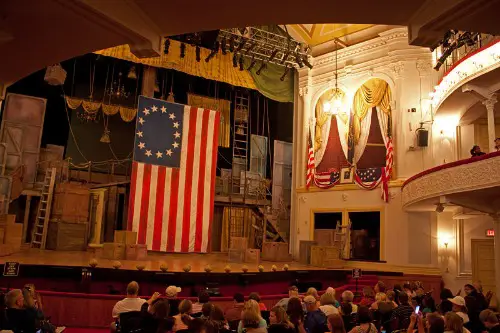
You could easily mistake it for just another elegant historic theater in the capital. Plays still run there, and the street outside feels lively and modern. But on April 14, 1865, President Abraham Lincoln was shot in a balcony box during a performance. He died the next morning across the street after being carried from the theater.
The presidential box is still visible, draped in flags as it was that night. It’s startling how intimate the space feels when you’re inside. The theater blends everyday culture with a defining national tragedy. Most people walking by wouldn’t guess how much changed in a single evening there.
4. Manzanar War Relocation Center
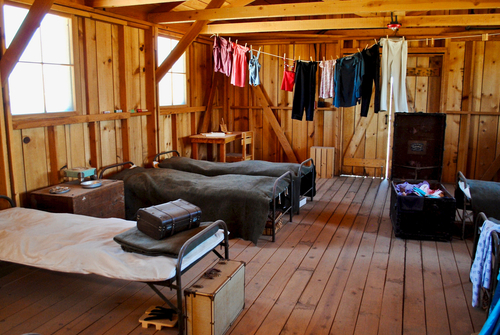
Driving along Highway 395, you see open land framed by the Sierra Nevada mountains. It’s beautiful, quiet, and easy to pass without a second thought. During World War II, this was one of the camps where Japanese Americans were forcibly incarcerated. More than 10,000 people lived here behind barbed wire and guard towers.
Foundations, reconstructed barracks, and a cemetery still mark the site. Wind sweeps across the same dusty ground families once walked daily. The scenery feels peaceful now, which makes the history even more sobering. It’s a stark reminder of how fear and policy reshaped ordinary lives.
5. Little Bighorn Battlefield National Monument
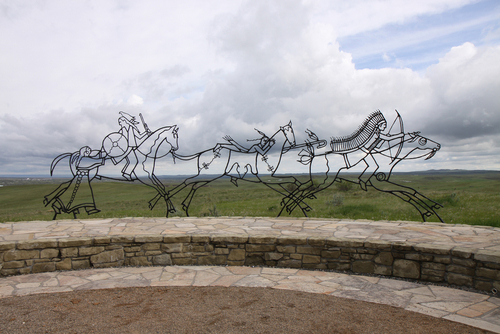
Endless rolling hills stretch out beside a quiet highway in southeastern Montana. It looks like classic Big Sky Country, calm and wide open. In 1876, this landscape became the site of the Battle of the Little Bighorn. Forces led by George Armstrong Custer fought Lakota, Northern Cheyenne, and Arapaho warriors here.
Simple markers now dot the hillsides where soldiers and Native fighters fell. The terrain itself tells the story better than any textbook map. Standing there, you realize how close the opposing sides really were. It’s easy to miss the weight of the ground beneath your tires.
6. Kent State University
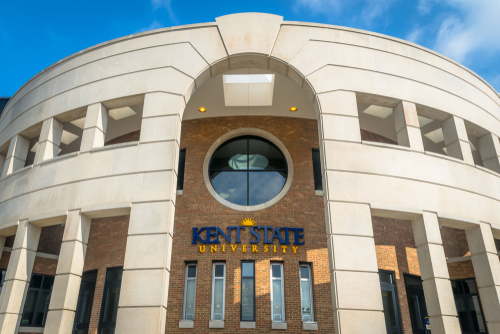
A typical college campus vibe fills the air with students, brick buildings, and green lawns. Nothing immediately signals that a national flashpoint occurred here. On May 4, 1970, National Guard troops opened fire on student demonstrators protesting the Vietnam War. Four students were killed and nine others were wounded.
A simple memorial and markers indicate where each student fell. The spaces are integrated into everyday campus pathways. Students still cross the same commons between classes. History and daily life overlap in a way that feels quietly profound.
7. Stonewall Inn
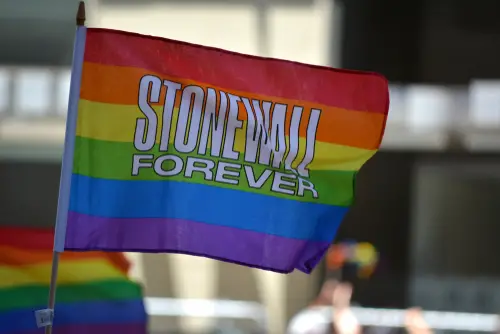
It looks like a neighborhood bar you’d pass without much notice. Music spills out, people gather, and the street feels energetic. In June 1969, a police raid here sparked the Stonewall uprising. The protests became a catalyst for the modern LGBTQ+ rights movement.
The building itself is modest compared to its global significance. Inside and outside, commemorative plaques tell part of the story. The surrounding streets hosted days of demonstrations and organizing. It’s a reminder that social change often begins in everyday spaces.
8. Edmund Pettus Bridge
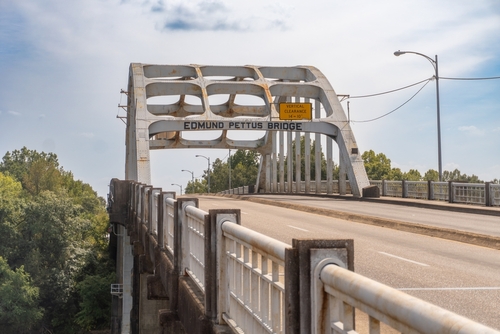
Cars stream across this steel arch bridge like any other river crossing. It connects neighborhoods and carries routine local traffic. On March 7, 1965, civil rights marchers were brutally attacked here during what became known as Bloody Sunday. The violence shocked the nation and energized voting rights legislation.
Footprints painted on the pavement mark the marchers’ path. Walking the span gives you a clear view of how exposed they were. The bridge’s graceful structure contrasts sharply with its painful history. Many drivers cross it without realizing the courage displayed there.
9. Trinity Site
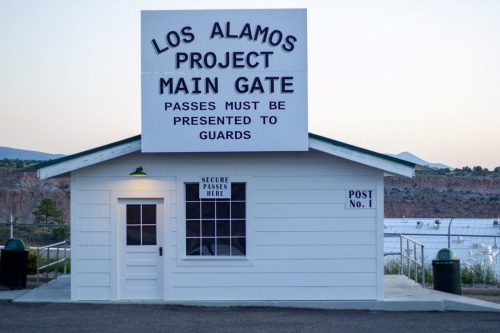
The desert stretches flat and quiet, broken only by low scrub and distant mountains. It feels remote enough to be almost forgotten. On July 16, 1945, the first atomic bomb was detonated here. The test marked the beginning of the nuclear age.
A simple obelisk marks ground zero in the Jornada del Muerto desert. The site opens to the public only a few days each year. Even then, it feels stark and minimal rather than dramatic. The understatement makes the moment that happened there feel even heavier.
10. Pullman National Historical Park
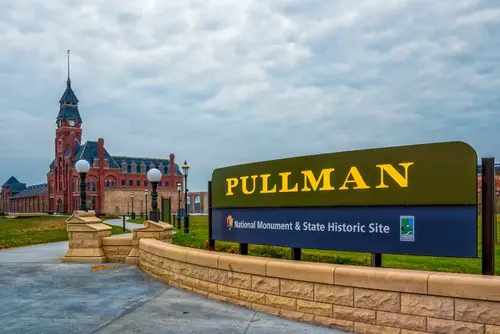
At a glance, it’s a neat neighborhood of historic row houses and brick buildings. It looks like a preserved company town with tidy streets. In 1894, the Pullman Strike began here after railroad car workers protested wage cuts. The labor conflict escalated into a major national strike affecting rail traffic across the country.
Federal troops were eventually deployed, and violence broke out. The strike became a turning point in American labor relations. Today, the area feels calm and residential. You can stroll past front porches without realizing you’re in a landmark of workers’ rights history.
11. Centralia
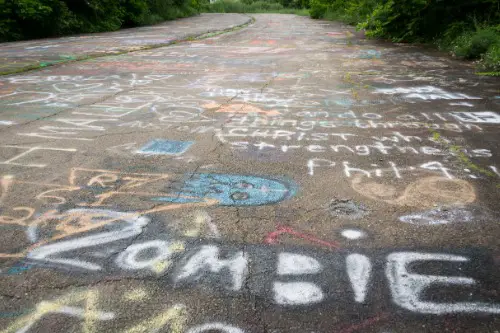
Driving through the region, you might notice empty roads and scattered buildings. It feels like a town that simply faded away. In 1962, a coal mine fire ignited beneath the town and has burned ever since. Toxic gases and sinkholes forced nearly all residents to relocate.
Most structures were demolished, leaving a near-ghost town. Occasional smoke vents from the ground in eerie wisps. Nature is slowly reclaiming the streets and lots. It’s a haunting example of how disaster can quietly erase a community.
This post You’ve Driven Past These Places Without Realizing What Happened There was first published on American Charm.

