
1. Pension Plans

There was a time when a company-backed pension was basically part of the deal, especially for long-term employees. Workers counted on these plans to provide predictable retirement income after decades of loyalty. Over the past few decades, though, many employers phased them out in favor of 401(k)-style accounts. That shift transferred risk from companies to workers, who now shoulder investment decisions and market ups and downs.
This perk disappeared largely because pensions were expensive and unpredictable for employers to maintain. Companies preferred defined-contribution plans since they’re easier to budget for and manage. The change also followed broader economic trends, including rising life expectancy and market volatility. Even though the new system offers flexibility, many workers miss the security pensions once provided.
2. Fully Paid Family Health Insurance

In earlier decades, many workers expected their employer to cover the entire cost of family health insurance. That meant spouses and kids were often included without employees paying extra premiums. Today, most companies expect workers to share costs or pay significantly more for dependent coverage. As healthcare prices climbed, fully paid plans quietly faded away.
Employers dropped this perk because premiums rose far faster than wages or company budgets. Sharing costs became a standard way for companies to stay competitive without blowing up their healthcare spending. As a result, what used to feel like a normal benefit now seems like a luxury. Workers often feel the squeeze when choosing between affordability and adequate coverage.
3. Guaranteed Annual Raises

For many American workers, annual raises once felt automatic—part of a steady progression in a career. Even small cost-of-living adjustments helped people keep up with inflation. But companies gradually framed raises as performance-based instead of guaranteed. That shift allowed employers to hold the line on payroll costs during uncertain economic years.
The reason this perk was trimmed is tied to economic cycles and competitive pressure. When companies faced recessions or shrinking margins, cutting predictable raises became an easy lever. Over time, this became the new norm, so fewer workers expect automatic increases. Now employees must continually advocate for themselves to maintain wage growth.
4. On-the-Job Training Programs

Learning a trade or skill used to be something companies invested in directly. New hires often received structured training, mentorship, and time to grow into a role. Today, many employers seek “ready-made” candidates who arrive with skills already polished. Internal development took a back seat as companies tried to move faster and minimize training costs.
The shift happened partly because industries changed more rapidly than older training models could handle. Companies also found they could externalize skill-building by requiring degrees or certifications. That meant less investment on their end and more responsibility on job seekers. As a result, fewer workers feel supported when trying to grow within a company.
5. Long-Term Job Security
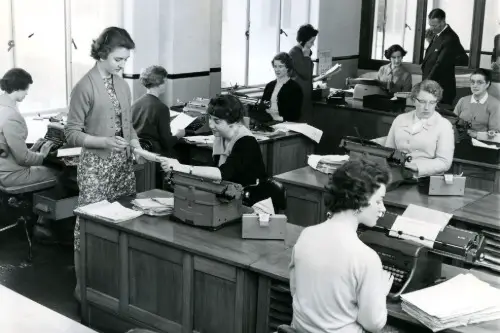
Decades ago, staying with one company for a lifetime was a real possibility. Workers expected stability unless something catastrophic happened. But as mergers, outsourcing, and rapid restructuring became common, that sense of permanence faded. Job security dipped as employers prioritized flexibility and cost savings.
This perk eroded because companies shifted toward lean staffing and quick adaptation. Employment became more project-based and dependent on quarterly performance. Global competition also encouraged firms to trim or relocate roles. Workers now brace for constant change rather than counting on decades-long tenure.
6. Tuition Reimbursement for Any Degree

There was a time when companies paid for a wide range of college programs as long as the employee was learning. Workers could pick degrees unrelated to their roles and still get support. Now many employers limit reimbursement to fields that directly benefit the business. The perk shrank as companies tightened budgets and narrowed their definition of “professional development.”
Rising tuition costs made this perk harder to justify broadly. Employers wanted clearer returns on their investments, so they tied funding to specific roles or advancement tracks. This change makes professional growth feel more restricted than before. Many workers miss the chance to explore education without financial pressure.
7. Casual Fridays with No Exceptions

Casual Fridays used to be a big morale booster, letting employees relax their wardrobe once a week. It was almost universally understood across offices. But as remote work and hybrid dress codes became common, the formality around this perk faded. Some companies quietly tightened dress expectations or let the tradition die out.
This happened because evolving work environments made the perk less relevant. When people already dress casually at home, the idea of a designated day lost impact. Some companies also wanted a more uniform professional image, even in less formal settings. What used to be a weekly treat now feels like a relic.
8. Fully Stocked Break Rooms

Employees once walked into break rooms to find free snacks, coffee, and sometimes even meals. These perks helped create a sense of community during the workday. As budgets tightened, many companies scaled back their offerings or removed them entirely. Workers now often bring their own drinks and food instead.
This perk disappeared because ongoing stocking costs added up quickly. During economic downturns, small comforts were easy targets for cuts. Companies reframed free snacks as “nonessential” even though they boosted morale. The shift reminded many workers how much small gestures mattered.
9. Holiday Bonuses

Holiday bonuses were once a predictable thank-you gesture from employers. They offered employees a financial boost at the end of the year. Over time, though, many companies replaced them with optional performance bonuses or cut them altogether. Workers began to see them as unpredictable rather than expected.
The main reason for the shift was inconsistent company performance. Employers didn’t want to commit to a yearly payout if profits fluctuated. Many also decided performance-based bonuses created better incentives. Still, losing a guaranteed token of appreciation felt like a cultural loss in many workplaces.
10. Company-Sponsored Social Events
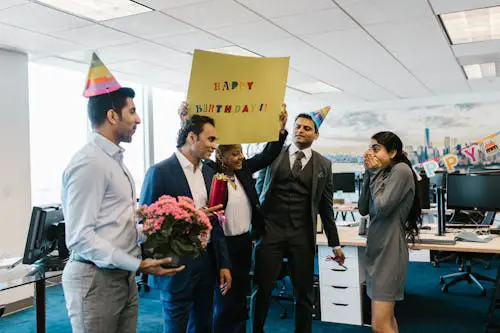
Many workplaces once hosted annual picnics, holiday parties, and regular gatherings. These events helped employees bond outside of daily tasks. Today, some companies limit events or expect workers to participate virtually. Budget cuts and shifting work styles made in-person celebrations less common.
This perk shrank because planning and hosting large events became costly. Remote work also made it harder to gather everyone under the same roof. Companies prioritized efficiency over community-building more often than before. As a result, workplace culture can feel more fragmented.
11. Paid Lunch Hours

Some companies once offered fully paid lunch breaks, treating them as part of the workday. Employees appreciated the extra breathing room without losing pay. Over the years, most employers shifted to unpaid lunch periods. That change allowed them to standardize hours and manage labor costs more tightly.
This perk faded because labor regulations made paid breaks easy to eliminate. Employers saw unpaid lunches as a straightforward way to reduce wage expenses. Over time, it became the norm across industries. Workers adjusted but still remember when taking a break didn’t cost them anything.
12. Clear Promotion Tracks

Promotion ladders used to feel predictable, with clear steps and timelines. Many employees understood exactly what they needed to do to move up. Companies later flattened their structures, reducing middle management layers. That left workers navigating more ambiguous paths.
The perk eroded because organizations wanted agility and smaller hierarchies. Fewer layers meant fewer formal advancement opportunities. Companies leaned more on lateral moves or expanded responsibilities without title changes. Workers today often feel uncertain about how to grow within a company that no longer spells it out.
13. Predictable 9-to-5 Schedules

For many workers, a standard 9-to-5 day used to be the default rhythm of office life. People could plan childcare, errands, and personal time around a consistent schedule. As businesses pursued greater efficiency, they shifted toward staggered hours, rotating shifts, or always-on availability. Workers now juggle irregular demands that blur the boundary between home and job.
This perk faded as technology made employees reachable at all times. Companies realized they could stretch productivity by spreading coverage beyond the traditional workday. Gig-style expectations crept into full-time roles, making flexibility a one-sided deal. Today, predictability is often replaced by constant adjustment to shifting priorities.
14. Office-Supplied Work Equipment

Employers once routinely provided everything a worker needed, from ergonomic chairs to upgraded computers. Offices stocked tools without question because productivity relied on shared, high-quality equipment. With remote and hybrid work expanding, many companies scaled back their equipment budgets. Workers are now expected to use personal devices or seek partial reimbursements.
This shift occurred because decentralizing the workforce made standardized setups expensive. Companies sought to cut costs by trimming hardware spending or outsourcing it to employees. Even modest purchases like monitors became optional rather than guaranteed. As a result, the comfort and efficiency of workspaces now vary widely from person to person.
15. Robust Relocation Packages

Employees once received generous support when moving for a job, including paid movers, travel stipends, and temporary housing. Relocation packages signaled long-term commitment between companies and their workers. As remote work became more feasible, employers had less incentive to invest in physical moves. Many relocation perks quietly shrank or vanished altogether.
The decline happened because global hiring widened talent pools without requiring geographic shifts. Companies found they could simply hire someone local or remote instead of paying to relocate talent. Economic uncertainty also made big relocation budgets feel impractical. Workers now shoulder their own moving costs if they want to chase new opportunities.
16. Generous Sick Leave Without Penalties

Sick leave once came with an unspoken understanding: employees should stay home and rest. Workers weren’t pressured to provide extensive documentation or worry about attendance metrics. But over time, many companies folded sick days into general PTO banks. That shift effectively reduced the breathing room employees once had during unexpected illnesses.
The perk disappeared as employers aimed to simplify time-off policies and reduce administrative oversight. Some companies also tied attendance to performance, creating subtle pressure to work through sickness. Even as wellness rhetoric grew louder, time-off protections shrank. Workers today often hesitate before taking days they genuinely need.
17. Fully Funded Professional Conferences

Professional conferences used to be a staple of career development, with companies footing the bill for travel, lodging, and registration. Attending these events helped workers expand their knowledge and build industry connections. As budgets tightened, many employers limited conference attendance to only a few roles or cut it altogether. Workers now rely more on virtual events or personal funds.
The perk declined largely because travel expenses ballooned and ROI became harder to measure. Companies turned to online trainings as a cheaper alternative. Managers became more selective about who “deserved” travel-based learning opportunities. That change left many employees feeling disconnected from wider industry trends.
18. In-Office Mailroom and Administrative Support

It used to be common for workplaces to offer full administrative support, including mail services, receptionists, and clerical help. These roles ensured daily operations ran smoothly and freed employees from small but time-consuming tasks. As companies streamlined operations, many of these positions were reduced or automated. Workers are now expected to manage their own shipping, scheduling, and paperwork.
This perk faded because automation tools made traditional support roles seem less essential. Cost-cutting also pushed companies to shift administrative burdens onto individual employees. Even tasks once considered foundational to office functioning became “self-service.” The loss of these small conveniences contributed to heavier workloads across the board.
19. Employee Recognition Programs With Tangible Rewards

Recognition programs used to include meaningful rewards like plaques, dinners, or small bonuses. Celebrating tenure or achievements was a visible part of company culture. Over time, many companies replaced tangible rewards with digital badges or generic shout-outs. These symbolic gestures often feel less personal and less motivating.
The decline happened as employers sought cheaper, scalable ways to acknowledge employees. Budget-conscious HR departments reframed recognition as something “intrinsic” rather than material. Companies leaned on automation platforms instead of thoughtful, individualized rewards. Many workers feel the difference and miss the days when appreciation came with real value.
This post 19 Workplace Perks Americans Once Expected That Companies Quietly Erased was first published on American Charm.

