
1. Boston

Boston’s economy is strong, but its cost of living is relentless. Housing demand driven by universities, hospitals, and biotech firms keeps prices elevated. Childcare and healthcare costs are especially high. Even dual-income households can feel strained.
Many jobs here require advanced degrees. Student loan payments often follow workers well into their careers. Salaries don’t always scale fast enough to offset these obligations. Full-time work can still mean slow progress toward financial goals.
2. New York City

New York City is famous for opportunity, but full-time work doesn’t guarantee stability. Rent increases have outpaced wage growth in many industries, especially outside of finance and tech. Commuting costs, even for public transit, eat into paychecks quickly. Essentials like groceries and childcare cost far more than the national average.
Competition is another hidden strain. Many jobs offer prestige or exposure instead of strong pay, especially in media, fashion, and the arts. Long hours are common, but overtime pay isn’t always part of the deal. Working full-time here often means juggling side gigs just to stay afloat.
3. Los Angeles

In Los Angeles, full-time work often comes with long commutes and high housing costs. Rent remains elevated across most neighborhoods, not just the trendiest ones. Gas, car insurance, and parking add major monthly expenses for workers who can’t rely on transit. Even solid salaries can feel stretched thin.
Employment can also be unpredictable. Entertainment, media, and freelance-heavy industries dominate the local economy. Full-time roles don’t always come with consistent schedules or benefits. A single slow period can undo months of careful budgeting.
4. San Jose

San Jose sits at the heart of Silicon Valley, and the cost of living reflects that. Housing prices rival those of San Francisco, but fewer rent-controlled options exist. Even engineers earning above-average salaries often struggle with affordability. Supporting a family on one full-time income here is especially difficult.
The job market is highly specialized. When tech hiring slows, options narrow quickly. Workers outside engineering and management roles feel this squeeze the most. Full-time employment doesn’t always translate to long-term security.
5. Seattle

Seattle’s growth has driven housing costs sharply upward over the past decade. Rents remain high relative to median wages, particularly for service and nonprofit workers. Utilities and groceries also cost more than many newcomers expect. A full-time paycheck can vanish faster than planned.
Tech dominates the local economy, which creates uneven stability. Layoffs and hiring freezes ripple outward into other sectors. Many workers rely on bonuses or stock compensation that isn’t guaranteed. Full-time status alone doesn’t protect against volatility.
6. San Diego

San Diego combines coastal appeal with rising living costs. Housing prices have climbed well beyond what many local wages support. Tourism and service-sector jobs often pay modestly despite full-time hours. This gap leaves many workers financially stretched.
There’s also limited room to cut expenses. Transportation, utilities, and healthcare costs remain high across the region. Many residents live far from work to find affordable housing. Full-time employment doesn’t always mean financial breathing room.
7. San Francisco

In San Francisco, working full-time doesn’t go very far once housing enters the equation. Rents and home prices remain among the highest in the country, even after some market cooling. Many full-time workers spend well above recommended income thresholds just to stay housed. Everyday costs like groceries, parking, and utilities quickly stack on top of that.
Job security also isn’t what it used to be here. The tech sector, once considered rock-solid, has seen repeated waves of layoffs. Contract and short-term roles have replaced many traditional full-time positions. Even steady employment can feel fragile in a city built around boom-and-bust cycles.
8. Washington, D.C.

Washington, D.C. offers plentiful jobs, but affordability is a constant challenge. Housing costs remain high across much of the city. Many government and nonprofit roles have fixed pay bands that lag behind living expenses. Full-time workers often feel boxed in.
Job security can also be deceptive. Contract roles and political shifts affect employment stability. Benefits may be solid, but take-home pay often isn’t. Working full-time doesn’t guarantee upward mobility here.
9. Miami

Miami’s cost of living has surged faster than local wages. Rent increases have been especially sharp in recent years. Insurance costs, including auto and homeowners coverage, are unusually high. Full-time incomes struggle to keep pace.
The job market leans heavily on tourism and hospitality. Many full-time roles pay modest wages with limited benefits. Seasonal fluctuations add uncertainty. Stability can feel out of reach even with consistent hours.
10. Austin

Austin’s rapid growth has transformed its affordability. Housing prices and property taxes have risen dramatically. Wages haven’t always caught up, especially outside of tech. Full-time workers often feel squeezed from multiple directions.
Infrastructure hasn’t kept pace with population growth. Longer commutes add time and transportation costs. Utility bills can be high during extreme heat. Working full-time doesn’t guarantee comfort anymore.
11. Denver

Denver’s popularity has driven housing demand sky-high. Rent and home prices have risen much faster than local pay scales. Outdoor lifestyle perks come with a premium price tag. Even established workers feel financial pressure.
Many industries here rely on contract or project-based work. Benefits and job security vary widely. Healthcare and childcare costs add to the burden. Full-time employment doesn’t always equal peace of mind.
12. Phoenix

Phoenix was once known for affordability, but that reputation has faded. Housing costs rose sharply as new residents flooded in. Wages in many sectors failed to keep pace. Full-time workers are now feeling the gap.
The heat adds hidden expenses. Cooling costs during long summers can be significant. Car dependence increases transportation spending. Working full-time no longer guarantees savings.
13. Las Vegas

Las Vegas relies heavily on tourism and entertainment. Even full-time jobs can be vulnerable to economic swings. Housing costs have risen faster than many service-sector wages. Financial stability is harder to maintain.
Benefits can be inconsistent across employers. Hours may be full-time on paper but fluctuate in practice. Healthcare access can be costly. A steady paycheck doesn’t always mean security.
14. Honolulu

Honolulu has one of the highest costs of living in the country. Housing, groceries, and utilities are all significantly more expensive than the mainland average. Import costs affect nearly every purchase. Full-time wages rarely keep up.
Job options are also limited by geography. Tourism dominates, and many roles pay modestly. Career mobility can be slow. Even full-time work often feels like just getting by.
15. Chicago

Chicago offers a wide range of full-time jobs, but affordability has become uneven. Housing costs vary by neighborhood, yet rents have climbed steadily in areas close to jobs and transit. Property taxes and utilities add to the strain for both renters and homeowners. A full-time salary can feel tight once fixed expenses are covered.
Many local industries cap wage growth. Office, education, and public-sector roles often come with predictable pay but limited upside. Healthcare and childcare costs rise faster than annual raises. Full-time work here doesn’t always translate into long-term financial flexibility.
16. Oakland

Oakland’s proximity to San Francisco drives much of its cost pressure. Housing prices remain high despite being marketed as a cheaper alternative. Competition for rentals is intense, even for older or smaller units. A full-time income often goes primarily toward rent.
Wages don’t always match regional costs. Many residents commute to higher-paying jobs elsewhere, adding transportation expenses. Local service and public-sector roles lag behind living costs. Full-time employment can still mean living paycheck to paycheck.
17. Portland
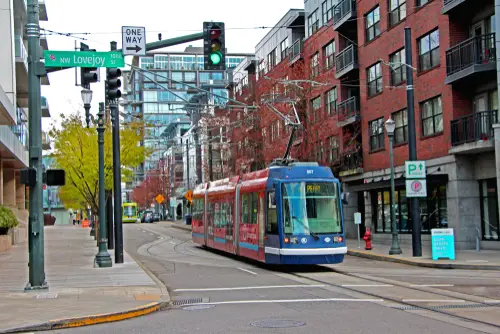
Portland’s appeal has pushed living costs higher over time. Rent increases have outpaced wage growth in many fields. Utilities, groceries, and transportation cost more than newcomers expect. A full-time paycheck doesn’t stretch as far as it once did.
The job market skews toward smaller employers. Benefits and raises can be inconsistent across industries. Many workers supplement income with freelance or gig work. Full-time status alone doesn’t guarantee financial security.
18. Santa Clara

Santa Clara sits deep in Silicon Valley’s high-cost zone. Housing prices are among the highest in the region, even for modest homes. Renters face limited inventory and stiff competition. One full-time income rarely covers all expenses comfortably.
Tech wealth shapes the local economy. Workers outside high-paying engineering roles feel squeezed. Support and service jobs lag far behind housing costs. Full-time employment doesn’t ensure stability here.
19. Irvine

Irvine is known for planning and safety, but affordability is a growing issue. Housing costs remain high across nearly all neighborhoods. Everyday expenses, from groceries to utilities, add up quickly. A full-time salary can feel surprisingly restrictive.
Many jobs are tied to education, healthcare, or corporate offices. Pay scales in these sectors rise slowly. Commuting costs increase for those priced out locally. Working full-time doesn’t always guarantee comfort.
20. San Mateo

San Mateo benefits from a strong regional economy. Housing prices reflect its location between San Francisco and Silicon Valley. Even older apartments command premium rents. Full-time workers often spend a large share of income on housing.
Job options are competitive and specialized. Raises don’t always keep pace with rent increases. Childcare and healthcare costs are especially high. Full-time employment still comes with financial stress.
21. Jersey City

Jersey City has become a spillover market for New York City. Housing costs have surged as demand increased. Rent now rivals parts of Manhattan without matching wages. A full-time paycheck can disappear quickly.
Many residents commute across state lines for work. Transportation costs add another layer of expense. Local salaries often lag behind regional living costs. Full-time work doesn’t guarantee savings.
22. Cambridge

Cambridge benefits from top universities and research institutions. That same demand keeps housing prices extremely high. Rental competition is fierce year-round. Even well-paid professionals feel the pressure.
Many jobs require advanced degrees. Student loan debt is common among full-time workers. Salaries don’t always offset long-term financial obligations. Working full-time doesn’t ensure financial progress.
23. Arlington

Arlington’s location near Washington, D.C. drives housing demand. Rents and home prices remain high across the county. Cost-of-living increases outpace many salary adjustments. A full-time income can feel constrained.
Employment is often tied to government or contracting work. Pay bands limit rapid wage growth. Job changes depend heavily on federal budgets. Full-time work doesn’t guarantee upward mobility.
24. Santa Monica

Santa Monica’s coastal appeal comes at a steep price. Housing costs rank among the highest in Southern California. Everyday expenses reflect the area’s affluence. Full-time workers often struggle to keep up.
Many jobs are in tourism, media, or local services. Wages in these sectors lag behind living costs. Commutes increase for those who live farther inland. Working full-time here doesn’t guarantee financial ease.
This post Working Full-Time No Longer Guarantees Anything in These 24 Cities was first published on American Charm.

